Digital Transformation for Lawyers: 2026 Guide

סיכום קצר: Digital transformation for lawyers involves adopting modern technology tools—AI, automation, cloud systems—to streamline workflows, enhance client service, and boost firm efficiency. The Law Society emphasizes that lawtech helps improve or automate legal work, from contract review to case management. Successful transformation requires strategic leadership buy-in, proper training, and integration with firm goals.

The legal profession has reached an inflection point. While other industries embraced digital tools years ago, law firms held back—citing concerns about security, ethics, and the irreplaceable value of human judgment.

But here’s the thing: digital transformation isn’t about replacing lawyers. It’s about amplifying what makes them effective.

According to The Law Society, lawtech refers to technology that supports, supplements, or replaces traditional methods for delivering legal services. This includes everything from AI-powered contract analysis to cloud-based case management systems.

And the shift is accelerating. A Thomson Reuters Institute report found that 46% of law firms now classify themselves as digital transformation leaders—firms where these efforts are central to strategy and have strong leadership buy-in.

The legal landscape has fundamentally changed. Remote hearings became standard during the pandemic. Clients expect faster turnaround times and transparent billing. Competitors are adopting tools that slash research time from hours to minutes.

So what does digital transformation actually look like for practicing lawyers? Let’s break it down.

What Digital Transformation Means for Legal Practice

Digital transformation in law goes beyond buying software. It’s a fundamental shift in how legal work gets done.

The Law Society defines lawtech as any technology that improves or automates legal work. But transformation requires integrating these tools into daily workflows—not just purchasing licenses that sit unused.

Real transformation touches three core areas:

  • Client service delivery: How lawyers communicate, share documents, and provide updates
  • Internal workflows: Research, drafting, document review, and administrative tasks
  • Business operations: Billing, matter management, compliance tracking, and data security

According to research published by Drexel University, technological advancements have transformed the legal landscape over the past several years. The field must adapt to stay competitive.

Consider contract review. According to research from Harvard Law School’s Center on the Legal Profession, pilot projects in high-volume litigation matters demonstrated that a complaint response system reduced associate time from 16 hours down to 3-4 minutes.

That’s not theoretical productivity. Those are documented results from AI-powered tools already deployed in major firms.

Why Lawyers Can’t Ignore Digital Transformation

The pressure comes from multiple directions.

Client expectations have shifted dramatically. Corporate legal departments face constant pressure to reduce outside counsel spend. They want predictable pricing, faster turnaround, and transparent project management.

Firms that can’t deliver these efficiencies lose work to competitors who can.

But there’s another factor: practitioners themselves recognize the need. Industry surveys show that 91% of legal practitioners believe digital transformation is a crucial step for their firms.

That’s not tech evangelists pushing change—it’s lawyers in the trenches acknowledging that current workflows aren’t sustainable.

The administrative burden keeps growing. Regulatory requirements multiply. Data breaches create existential risks for firms that don’t implement proper security protocols.

The Law Society notes that firms must report any data breaches to the Information Commissioner’s Office within 72 hours. Manual systems make compliance nearly impossible.

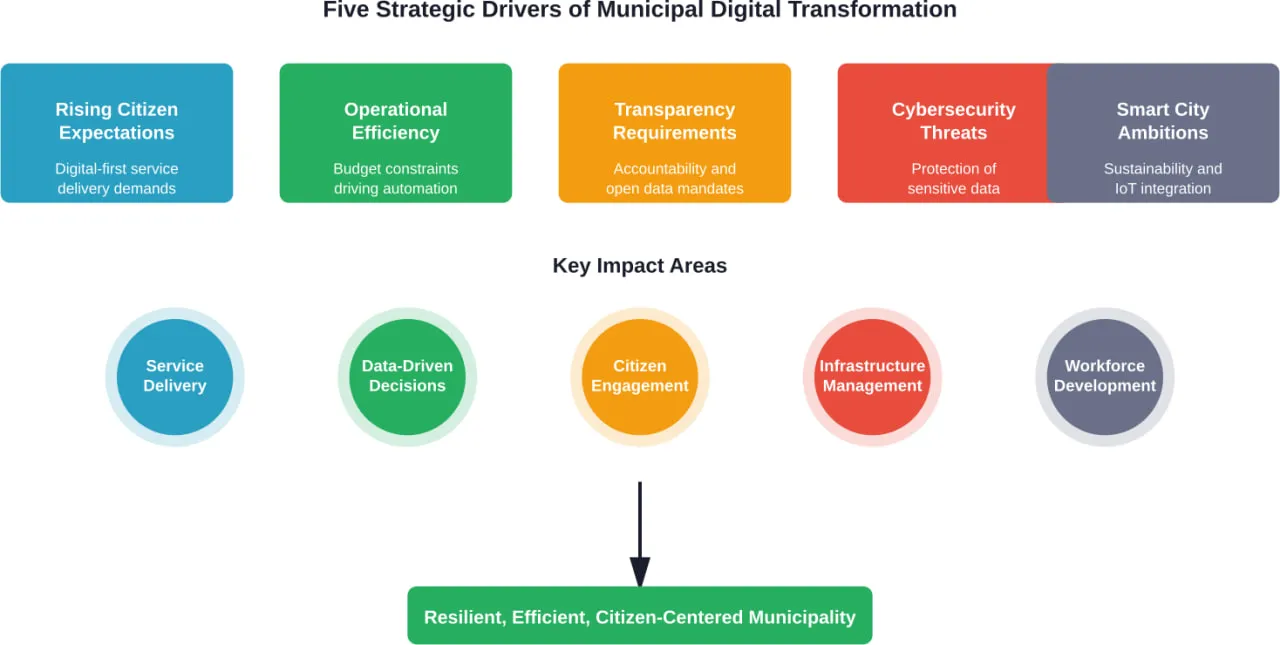
Four primary pressures driving law firms to adopt digital transformation strategies

Get Development Support for Legal Systems from A-listware

Law firms and legal service providers often need secure software, better internal workflows, and dependable technical support. רשימת מוצרים א' provides software development, IT consulting, cybersecurity, infrastructure services, and dedicated development teams. The company can help legal organizations build custom tools, update legacy systems, and extend in-house technical teams.

Need Help Building or Modernizing Legal Software?

צרו קשר עם A-listware כדי:

  • develop custom software for legal operations
  • upgrade older systems and internal tools
  • add developers or security specialists to your team

התחילו בבקשת ייעוץ מחברת A-listware.

Key Technologies Reshaping Legal Work

Not all lawtech delivers equal value. Some tools create marginal improvements. Others fundamentally change what’s possible.

בינה מלאכותית ולמידת מכונה

AI applications in legal work have moved well beyond hype. 

The Law Society identifies several proven use cases:

  • Analyzing contracts for specific clauses and risk factors
  • Drafting or summarizing documentation
  • Facilitating e-discovery in litigation
  • Powering client chatbots for basic inquiries
  • Enhancing internal knowledge databases
  • Predicting case outcomes based on historical data

Mills & Reeve’s Head of legal AI notes that AI contract review tools save time and boost efficiency—but also enhance service delivery. In the past, firms might have reviewed only 10% of employment contracts to meet cost expectations. Now they can review 100% with AI assistance.

That’s a fundamental shift in quality and risk management.

The International Legal Technology Association published its Generative AI Best Practice Guide on 30 September 2025 on using generative AI in legal disclosure.

Cloud-Based Practice Management Systems

Cloud platforms centralize everything from client intake to billing. Matter management, document storage, time tracking, and communication all live in one system.

The benefits compound. When all data sits in a unified platform, firms can track productivity metrics, identify bottlenecks, and make data-driven decisions about resource allocation.

Security concerns held many firms back initially. But cloud providers now offer enterprise-grade encryption, regular backups, and compliance certifications that exceed what most small-to-midsize firms can achieve with on-premise infrastructure.

Document Automation and Template Systems

Routine documents—engagement letters, NDAs, basic contracts—consume significant associate time. Automation tools use conditional logic to generate customized documents from templates.

An associate fills out a form with client details and matter specifics. The system generates a complete document with correct clauses, jurisdiction-specific language, and proper formatting.

What took 45 minutes now takes 5.

Implementation Strategy: Making Transformation Work

Technology purchases don’t equal transformation. Successful implementation requires strategy, not just procurement.

Leadership Buy-In Is Non-Negotiable

The Thomson Reuters Institute research makes this clear: firms that qualify as digital leaders have strong leadership buy-in and integration with firm strategy.

Technology initiatives fail when they’re relegated to IT departments or individual practice groups. Partners must champion adoption and model the behavior they want associates to follow.

That means using the new systems themselves—not delegating it entirely to support staff.

Start With Workflow Analysis

Before selecting tools, map current workflows. Where do bottlenecks occur? Which tasks consume disproportionate time? What causes the most client friction?

Technology should solve actual problems, not create new ones.

Many firms make the mistake of automating broken processes. They digitize inefficiency instead of fixing it first.

Prioritize Integration Over Features

The most feature-rich tool is worthless if it doesn’t integrate with existing systems. Data silos kill productivity gains.

When evaluating platforms, test how they connect to current email, document management, billing, and accounting systems. APIs and native integrations matter more than feature checklists.

השקיעו בהכשרה ובניהול שינויים

New systems disrupt established routines. That creates resistance.

Effective training goes beyond software tutorials. It addresses why changes matter and how they benefit individual lawyers—not just firm management.

The Law Society emphasizes that senior leaders interested in digital initiatives should ensure proper support and training for solicitors adopting new technologies.

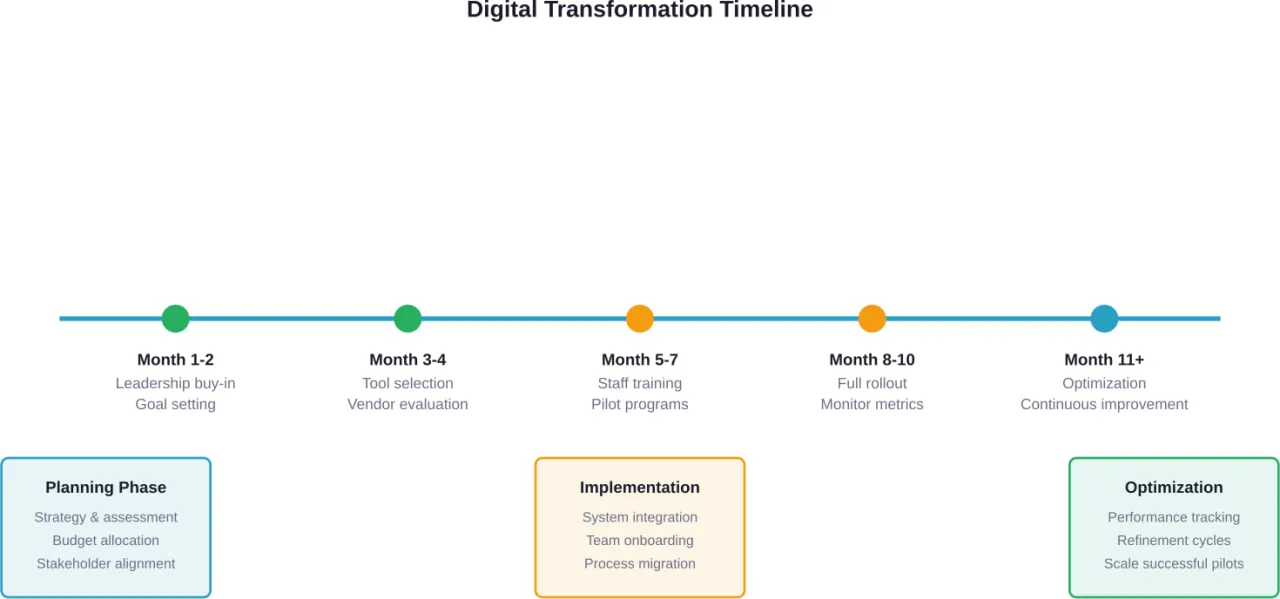
Typical 12-month digital transformation roadmap for law firms with critical success factors

Navigating Ethical and Regulatory Considerations

Technology introduces new ethical obligations. Lawyers can’t simply adopt tools without considering professional responsibility implications.

Data Security and Confidentiality

Client confidentiality is sacrosanct. Any technology that stores, processes, or transmits client data must meet stringent security standards.

The Law Society recommends regular data backups and emphasizes the 72-hour breach notification requirement to the ICO. Cloud providers should offer encryption at rest and in transit, multi-factor authentication, and detailed access logs.

Before adopting any platform, firms should review terms of service carefully. Who owns the data? Where is it stored? What happens if the vendor goes out of business?

Competence and Supervision

Lawyers remain responsible for all work product—even when AI tools assist in creation. Ethical obligations require understanding how technology works and verifying its output.

An associate can’t simply accept AI-generated contract language without review. That violates competence requirements.

The Law Society guidance on using lawtech emphasizes that solicitors must understand the technology they deploy and ensure it’s used safely and effectively.

Transparency With Clients

Should firms disclose AI usage to clients? Generally speaking, transparency builds trust—even when not strictly required.

Many clients appreciate knowing that technology reduces costs without compromising quality. But firms should be prepared to explain how tools are used and what human oversight occurs.

Measuring Return on Investment

Digital transformation requires investment. Partners want to see returns.

But ROI extends beyond simple time savings. Consider multiple dimensions:

ROI CategoryMetrics to TrackExpected Improvement 
Efficiency GainsHours per matter, task completion time, billable utilization20-40% reduction in routine tasks
Client SatisfactionNPS scores, repeat business rate, referral volumeImproved responsiveness and transparency
השפעה על ההכנסותRealization rates, matter profitability, client retentionBetter pricing accuracy, reduced write-offs
Risk ReductionMissed deadlines, conflicts identified, compliance issuesFewer malpractice claims, audit findings
Talent ManagementAssociate satisfaction, turnover rate, recruitment successAssociates focus on meaningful work

The Thomson Reuters Institute found that digital transformation efforts increasingly tie to firm strategy. That’s because sophisticated firms track these broader metrics—not just technology costs.

מלכודות נפוצות שיש להימנע מהן

Many transformation initiatives stumble. Understanding common mistakes helps firms avoid them.

חשיבה שמציבה את הטכנולוגיה בראש סדר העדיפויות

Buying software doesn’t solve problems. Strategy must drive technology selection—not the reverse.

Firms that start with vendor demos often end up with tools that don’t fit their actual workflows. Define requirements first, then find solutions that meet them.

הערכת חסר של ניהול שינויים

Technical implementation is the easy part. Cultural change is hard.

Lawyers built careers on existing methods. New systems threaten established expertise and routines. Without addressing these concerns directly, adoption stalls.

Ignoring Integration Requirements

Best-of-breed tools that don’t talk to each other create more work, not less. Data entry duplication kills productivity.

Platform decisions should prioritize ecosystems and APIs over standalone features.

Inadequate Training Investment

A two-hour software demo isn’t training. Effective adoption requires ongoing support, use case examples, and reinforcement.

Leading firms designate power users in each practice group who can provide peer coaching and answer questions.

The Future: What’s Coming Next

Digital transformation isn’t a destination—it’s continuous evolution.

AI capabilities will keep advancing. Professional associations are already publishing guidance on generative AI in legal disclosure, suggesting these tools are becoming standard practice.

Predictive analytics will improve. Case outcome prediction, legal spend forecasting, and resource optimization will become more accurate as models train on larger datasets.

Integration will deepen. As Drexel University notes, technology continues to transform how legal professionals work. The trend is toward unified platforms where all tools share data seamlessly.

But the fundamental dynamic won’t change: technology amplifies human expertise. It doesn’t replace judgment, creativity, or client relationships.

Lawyers who embrace digital transformation position themselves to focus on high-value work—strategy, negotiation, advocacy—while technology handles routine tasks.

Those who resist will find themselves competing on price for commodity work against firms with better efficiency tools.

שאלות נפוצות

  1. What is digital transformation for lawyers?

Digital transformation for lawyers means adopting technology to streamline workflows, enhance client service, and improve firm efficiency. This includes AI tools, cloud-based practice management systems, document automation, and collaboration platforms. The Law Society defines lawtech as technology that supports, supplements, or replaces traditional legal service delivery methods.

  1. How much does digital transformation cost for a law firm?

Costs vary widely based on firm size and scope. Small firms might spend several thousand dollars annually on cloud practice management platforms. Enterprise implementations at large firms can reach six or seven figures. However, ROI typically comes from efficiency gains—according to research from Harvard Law School’s Center on the Legal Profession, AI tools reduced certain tasks from 16 hours to 3-4 minutes in pilot projects.

  1. Do clients care if lawyers use AI and automation?

Many clients actively prefer it. Corporate legal departments face pressure to reduce costs and demand faster turnaround times. Technology that delivers quality work more efficiently meets these expectations. Transparency about tool usage builds trust, though firms should explain human oversight and quality control processes.

  1. What are the biggest risks of digital transformation?

Data security tops the list—firms must ensure any technology meets confidentiality obligations and complies with data protection regulations. The Law Society requires reporting breaches to the ICO within 72 hours. Other risks include inadequate training leading to low adoption, poor integration creating data silos, and over-reliance on technology without proper human supervision.

  1. כמה זמן נמשך תהליך הטרנספורמציה הדיגיטלית?

Full transformation is an ongoing process, but initial implementation typically takes 6-12 months. This includes workflow assessment, vendor selection, system configuration, data migration, training, and phased rollout. The Thomson Reuters Institute found that successful firms integrate digital efforts with firm strategy rather than treating them as one-time projects.

  1. Can small firms compete with large firms on technology?

Absolutely. Cloud-based tools level the playing field—small firms can access sophisticated AI, practice management, and automation platforms without massive IT infrastructure. In some ways, smaller firms have advantages: fewer legacy systems, faster decision-making, and easier change management across a smaller team.

  1. What skills do lawyers need for digital transformation?

Lawyers don’t need to become programmers, but they should develop basic technology literacy: understanding how AI tools work, recognizing data security risks, and evaluating vendor claims critically. The Law Society emphasizes that solicitors must use lawtech safely and effectively, which requires some technical competence. Equally important are change management and process improvement skills.

Take the First Step Toward Transformation

Digital transformation isn’t optional anymore. Client expectations, competitive pressure, and efficiency requirements make it essential.

But successful transformation doesn’t require ripping out all existing systems overnight. Start with targeted improvements in high-impact areas.

Map current workflows to identify bottlenecks. Research tools that address specific pain points. Run small pilots before firm-wide rollouts. Invest in training and change management alongside technology.

The firms that thrive in the next decade will be those that use technology to amplify what makes lawyers valuable—judgment, creativity, relationship skills—while automating routine tasks that don’t require human expertise.

The question isn’t whether to transform. It’s whether to lead the change or scramble to catch up later.

Digital Transformation for Public Health: 2026 Guide

סיכום קצר: Digital transformation in public health leverages technology like AI, IoT, and data analytics to improve disease surveillance, health equity, and population outcomes. WHO identifies it as vital for achieving universal health coverage, with successful implementations showing increased efficiency and reduced costs. However, challenges around data governance, equity, and sustainable infrastructure must be addressed to avoid widening health disparities.

Public health systems worldwide face unprecedented challenges. Aging populations, chronic disease burdens, and emerging infectious threats demand new approaches. Digital transformation offers a path forward.

But here’s the thing—digital transformation isn’t just about adopting new technologies. It’s about fundamentally rethinking how public health functions operate, how data flows between systems, and how populations access preventive care.

According to the World Health Organization, digital transformation is vital to achieving universal health coverage. Digital technologies serve as an essential component and catalyst for enhancing sustainable health systems. The organization’s Global Initiative on Digital Health supports countries in developing robust foundations for digital health transformation that equitably strengthens health systems.

The stakes are high. In the United States alone, 75% of hospitals now use electronic health systems. This infrastructure creates opportunities for population-level insights that were impossible a decade ago.

Understanding Digital Public Health Transformation

Digital public health represents the application of digital technologies to core public health functions: assessment, policy development, resource allocation, assurance, and access. Unlike clinical digital health, which focuses on individual patient care, digital public health operates at the population level.

The distinction matters. Current digital health strategies across Canada and elsewhere adopt a primarily clinical focus, according to research published in Health Promotion and Chronic Disease Prevention in Canada. This oversight means the implications of digital technologies for public health functions don’t receive appropriate consideration.

Digital transformation in this context means more than digitizing existing processes. It requires rethinking entire workflows, data architectures, and service delivery models.

Core Components of Digital Public Health Systems

WHO’s Digital Implementation Investment Guide establishes a framework for integrating digital interventions into health programs. The framework emphasizes standardized national product catalogues and master data management processes.

These aren’t abstract concepts. They translate into practical capabilities:

  • Real-time disease surveillance systems that detect outbreaks hours or days earlier than traditional methods
  • Interoperable health information systems that share data across jurisdictions without manual reconciliation
  • Predictive analytics platforms that identify at-risk populations before health crises emerge
  • Digital supply chain architectures that ensure vaccines and medications reach communities efficiently
  • Population health registries that enable targeted interventions for chronic disease management

The WHO provides stepwise guidance for developing scalable and sustainable digital health supply chain architecture. This approach adapts to specific country contexts while maintaining alignment with international standards like the SMART Guidelines.

The Technology Stack

Modern digital public health relies on several interconnected technology layers. At the foundation sits data infrastructure—the systems that collect, store, and manage health information from diverse sources.

Interoperability standards like HL7 FHIR (Fast Healthcare Interoperability Resources) enable different systems to communicate. The International Patient Summary standard creates a common foundation for patient data exchange across borders and systems.

On top of this infrastructure, analytical tools process population-level data. Machine learning algorithms identify patterns. Geographic information systems map disease distributions. Natural language processing extracts insights from unstructured clinical notes.

The layered architecture of digital public health systems, showing how data flows from diverse sources through interoperability and analytics layers to support surveillance, prevention, and policy applications.

Add Software Development Support for Public Health Projects

Public health organizations often need better internal systems, stronger data handling, and more reliable infrastructure. רשימת מוצרים א' provides software development, IT consulting, data analytics, cybersecurity, infrastructure services, and dedicated development teams. The company can support public health projects with custom software, legacy system modernization, and extra engineering capacity.

Need a Team to Build or Support Public Health Software?

צרו קשר עם A-listware כדי:

  • build custom software for internal operations
  • modernize older systems that are hard to maintain
  • add developers, data engineers, or security specialists

התחילו בבקשת ייעוץ מחברת A-listware.

Artificial Intelligence and Public Health Applications

AI’s role in public health transformation extends far beyond clinical decision support. The CDC published commentary on health equity and ethical considerations in using artificial intelligence in public health and medicine, highlighting both opportunities and risks.

The technology shows particular promise in several areas. Disease surveillance systems enhanced with AI can detect unusual patterns in emergency department visits, prescription drug sales, or social media mentions that signal emerging outbreaks.

Research published in BMC Public Health analyzed the impact of regional digital transformation on public health across 31 provinces in China. The study introduced technological innovation as a mediating variable and found significant positive effects on population health outcomes.

Practical AI Applications

Digital health transformation through AI and Internet of Things technologies is reshaping healthcare delivery globally. A 2025 study in Digital Health examined sustainable healthcare through various AIoT technology applications.

Real-world implementations demonstrate concrete benefits:

  • Automated screening of chest X-rays for tuberculosis in resource-limited settings, expanding diagnostic capacity without proportional increases in radiologist staffing
  • Predictive models identifying individuals at high risk for diabetes complications, enabling targeted prevention programs
  • Natural language processing systems extracting social determinants of health from clinical notes, revealing upstream factors affecting population health
  • Computer vision algorithms analyzing satellite imagery to identify areas with poor sanitation infrastructure or vector breeding sites

But wait. AI implementation in public health faces distinct challenges compared to clinical applications. Population-level interventions require societal agreement. Policies informed by AI—whether related to resource allocation, targeted screenings, or public health restrictions—affect people who may not directly benefit.

The CDC emphasizes that all stakeholders, from policy makers to the public, need balanced perspectives on the advantages, risks, and expenses of digital shifts. Transparent benchmarks and criteria become essential to ensure maximum benefits without marginalizing minorities or vulnerable groups.

Equity Considerations

Digital evolution poses serious equity challenges. Vulnerable populations face barriers from economic constraints, geographical isolation, or digital illiteracy. Without intentional design, digital transformation risks amplifying existing health disparities rather than eliminating them.

Research analyzing organizational digital public health strategies in Canadian provincial programs found that privacy and organizational sensitivities create barriers to data sharing and collaborative innovation. These structural issues disproportionately affect underserved communities that might benefit most from population health interventions.

Real talk: equity requires more than ensuring equal access to technology. It demands understanding how digital systems might perpetuate bias through training data, algorithm design, or implementation choices.

Data Architecture and Interoperability

Effective digital public health depends on robust data infrastructure. WHO’s handbook on digital transformation for health supply chain architecture provides stepwise guidance for developing scalable systems.

The approach emphasizes several key principles. First, standardization. Without common data formats and definitions, systems can’t communicate effectively. Second, modularity. Components should be replaceable and upgradeable without rebuilding entire systems. Third, sustainability. Solutions must function with available resources and expertise.

The Interoperability Challenge

Health data exists in silos. Hospital systems don’t talk to public health registries. Laboratory information systems use different coding schemes than immunization databases. Social service agencies track determinants of health separately from medical providers.

Standards like HL7 FHIR address these challenges by defining how health information exchanges electronically. The International Patient Summary provides a minimal set of data elements for cross-border and cross-system patient information exchange.

According to HL7, EHRs and health IT vendors are accelerating IPS adoption. The standard creates a common foundation for patient summary exchange across borders and health systems. As of August 2024, multiple EHR vendors had implemented IPS support, enabling truly interoperable health records.

The practical implications are significant. A refugee arriving in a new country could have their immunization history, chronic conditions, and medication allergies immediately available to healthcare providers. A disease outbreak investigation could rapidly pull together exposure data from multiple jurisdictions.

Building Blocks Approach

WHO’s Digital Implementation Investment Guide advocates for a building blocks methodology. Rather than monolithic systems, digital health infrastructure comprises modular components that work together.

These building blocks include:

Building Blockפונקציהדוגמאות 
Client RegistryUnique identification of individuals across systemsMaster patient index, national ID integration
Facility RegistryStandardized list of health service delivery locationsHospital directories, clinic geolocation databases
Terminology ServiceCommon medical vocabularies and code mappingsSNOMED CT, ICD-10, LOINC implementations
Shared Health RecordLongitudinal patient data accessible across providersRegional health information exchanges
Health Worker RegistryCredentials and deployment of health workforceProvider directories, licensure databases

This modular approach allows countries to implement components incrementally based on priorities and resources. A nation might start with a facility registry to improve supply chain logistics, then add a client registry to enable longitudinal patient tracking.

Digital Transformation for Noncommunicable Diseases

The SARS-CoV-2 pandemic demonstrated the effectiveness of rapid digital public health deployment. Digital proximity tracing apps leveraged Bluetooth capabilities to trace and notify users about potential exposures. Backed by organizations including WHO and the European Union, these tools showcased digital public health’s promise.

Now the focus shifts. Noncommunicable diseases account for the vast majority of healthcare expenses and premature disability-adjusted life years lost. Research published in JMIR Public Health and Surveillance examined digital transformation of public health for noncommunicable diseases.

The narrative for NCDs differs from infectious diseases. Chronic conditions develop over years. Risk factors span individual behaviors, social determinants, environmental exposures, and genetic predispositions. Interventions require sustained engagement rather than acute responses.

Digital Interventions for Chronic Disease Prevention

Digital technologies enable population-level approaches that were previously impractical. Mobile health applications support behavior change through personalized feedback and social support. Wearable devices track physical activity, sleep patterns, and physiological markers continuously.

But individual-level tools represent only part of the opportunity. Population health management platforms analyze aggregated data to identify communities with elevated cardiovascular disease risk. Geographic information systems map food deserts and recreational facility access. Predictive models forecast which patients will likely develop complications without intervention.

These capabilities support the core public health functions differently than traditional approaches. For assessment, digital systems provide near-real-time population health metrics rather than periodic surveys. For policy development, simulation models can estimate intervention impacts before implementation. For assurance, automated monitoring tracks whether prevention services reach intended populations.

The Human Element

Here’s the thing though—AI and digital tools can’t replace human connection in health promotion. Emotional support, cultural sensitivity, and trust-building remain fundamentally human activities.

AI serves best as a companion guiding people through the healthcare landscape. It automates repetitive tasks, freeing providers to prioritize personal interactions that can’t be digitalized. It presents individuals with tools to be proactive in their health management. But it doesn’t substitute for empathy or clinical judgment.

Research on digital health transformation published in the Journal of Healthcare Leadership examined organizational factors driving benefit realization. The study found that changes in system capabilities and organizational culture matter as much as technology selection.

Implementation Strategies and Governance

Technology alone doesn’t create transformation. Successful digital public health requires strategic planning, change management, and governance structures that balance innovation with accountability.

The Pan American Health Organization published eight guiding principles for digital transformation of public health. These principles address cultural changes for both health personnel and populations, aiming to support informed decision-making and sustainable public policy development.

Eight Core Principles

The PAHO framework emphasizes that digitization implies important cultural shifts. 

The principles guide countries in developing short and long-term goals while ensuring no one gets left behind:

  1. Universal access and equity in digital health services
  2. Person-centered design that puts individuals and communities at the center
  3. Data protection and privacy as foundational requirements
  4. Interoperability and standardization across systems
  5. Evidence-based decision making using reliable data
  6. Sustainability through appropriate technology choices
  7. Multi-sectoral collaboration beyond health ministries
  8. Continuous evaluation and learning from implementation

These aren’t abstract ideals. They translate into concrete implementation choices. Person-centered design means involving community members in system development, not just deploying solutions designed by technologists. Data protection requires governance frameworks before collecting sensitive health information. Sustainability means choosing open-source platforms over proprietary systems in resource-constrained settings.

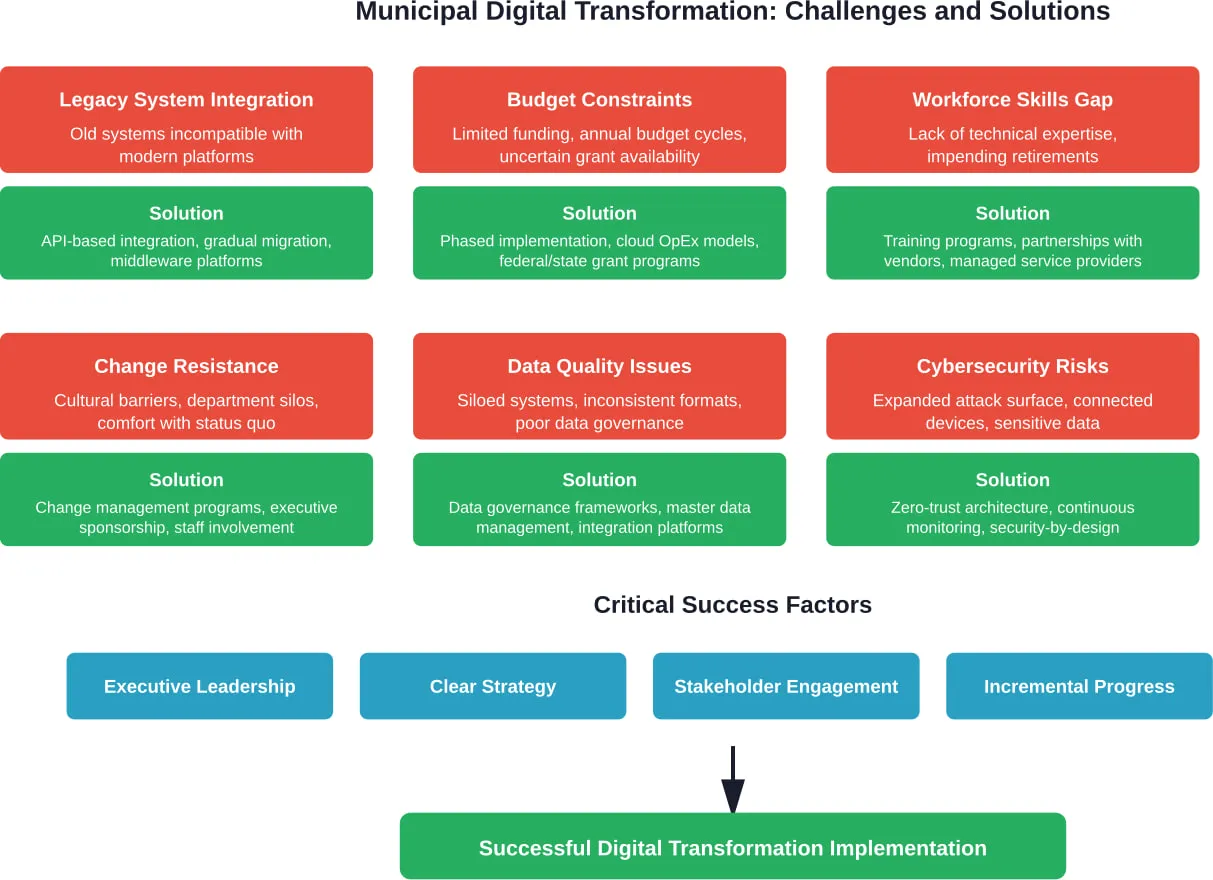
The eight guiding principles from PAHO for digital transformation in public health, showing how multiple foundational elements must work together to achieve successful, equitable outcomes.

מוכנות ארגונית

Research on organizational factors driving digital health transformation benefit realization identified critical capabilities beyond technology implementation. Health service managers need new competencies in data literacy, change management, and digital strategy.

A qualitative study published in the Journal of Healthcare Leadership found that organizational improvements and changes in system capabilities are required to realize transformation benefits. Technical solutions fail without corresponding changes in workflows, culture, and governance.

Assessing digital advancement requires comprehensive frameworks. A 2024 narrative review in JMIR Public Health and Surveillance examined indicators for assessing digital public health system maturity. The study identified 286 relevant indicators from 90 references, with 46.5% having legal relevance related to big data, AI regulation, cybersecurity, national strategies, or health data governance.

Investment and Sustainability

Digital transformation requires sustained investment. In 2018, over $9 billion was invested in digital health startups by venture capital and private equity, according to research on current challenges and solutions to digital health technologies in evidence generation.

But funding digital health companies doesn’t automatically strengthen public health infrastructure. Public sector investments must focus on sustainable, scalable platforms that serve population health needs rather than individual consumer applications.

The National Academy of Medicine’s discussion paper on a national health digital and data architecture argues that the health sector lags in developing robust digital infrastructure necessary to fully realize innovations. This limits potential gains in efficiency, access, prevention, diagnosis, treatment, discovery, and public health outcomes.

Current Challenges and Barriers

Digital transformation faces significant obstacles. Understanding these barriers helps organizations develop realistic implementation strategies and avoid common pitfalls.

Technical Challenges

Legacy systems present major hurdles. Many public health agencies operate on technology platforms built decades ago. These systems can’t easily integrate with modern cloud-based applications or support real-time data exchange.

Data quality issues undermine analytics. Incomplete records, inconsistent coding, and duplicate entries create noise that obscures meaningful signals. Cleaning and standardizing data requires significant effort before advanced analytics become feasible.

Cybersecurity concerns grow as systems interconnect. Health data represents a valuable target for malicious actors. Protecting privacy while enabling appropriate data sharing requires sophisticated security architectures and governance.

Workforce and Capacity Gaps

Public health workforce capacity for digital transformation remains limited. A 2023 protocol published in JMIR Research Protocols described a multidisciplinary national health innovation research school designed to strengthen digital transformation capabilities in the healthcare system.

Doctoral students within such research schools typically acquire PhD degrees within 5 years, with approximately 80% spent on studies and 20% on organization-specific work tasks. This model recognizes that building digital public health capacity requires formal training programs, not just on-the-job learning.

Staff at all levels need new skills. Epidemiologists must understand machine learning basics to interpret AI-generated insights. Data analysts need public health domain knowledge to ask relevant questions. Program managers require digital literacy to make informed technology decisions.

Equity and Access Barriers

Digital divides threaten to worsen health disparities. Rural communities often lack broadband infrastructure necessary for telemedicine or real-time surveillance systems. Low-income populations face barriers accessing smartphones or computers required for digital health tools.

Language and literacy create additional barriers. Health information systems designed for English-speaking, college-educated users exclude significant portions of many communities. Truly inclusive digital public health requires multilingual interfaces, audio options, and simplified navigation.

Age-related digital literacy gaps affect both elderly populations and health workers near retirement. Training and support systems must accommodate diverse technology comfort levels.

Governance and Policy Challenges

Data governance frameworks lag behind technical capabilities. Questions about who owns health data, who can access it, and for what purposes remain contentious. Regulations vary across jurisdictions, complicating multi-state or international collaborations.

Privacy regulations designed for traditional healthcare don’t always address new digital scenarios. Can public health agencies use smartphone location data to track disease transmission? Should AI algorithms have access to full medical records to identify at-risk populations? These questions lack clear answers in many jurisdictions.

Procurement processes designed for physical goods struggle with software and cloud services. Lengthy approval cycles prevent agencies from adopting rapidly evolving technologies. Risk-averse purchasing rules favor established vendors over innovative startups.

Measuring Impact and Outcomes

Demonstrating value from digital transformation investments requires clear metrics and evaluation frameworks. But measuring population health outcomes presents challenges distinct from clinical effectiveness assessment.

מדדי ביצוע מרכזיים

Research on digital transformation in healthcare found that typical benefits include increased employee productivity, improved efficiency and effectiveness of health unit operations, and reduced operating costs.

For public health specifically, relevant metrics span multiple domains:

Domainדוגמאות למדדיםMeasurement Approach 
יְעִילוּתTime from outbreak detection to response; data entry burden reductionProcess time studies; staff time tracking
EffectivenessVaccination coverage rates; screening program reach; outbreak control speedProgram participation data; disease incidence monitoring
EquityService access disparities; digital tool usage across demographicsStratified utilization analysis; community surveys
User ExperienceProvider satisfaction; public engagement levels; system usability scoresUser surveys; usability testing; engagement analytics
EconomicCost per intervention; return on investment; resource allocation efficiencyCost-effectiveness analysis; budget impact modeling

The challenge lies in attribution. Population health improves due to multiple factors. Isolating the specific contribution of digital systems requires rigorous evaluation designs.

Evidence Generation Challenges

Digital health technologies have potential to improve health outcomes by increasing patient involvement in self-care, improving communication, and tailoring services to individual needs. However, generating reliable evidence about population-level impacts faces methodological challenges.

Randomized controlled trials—the gold standard for clinical research—often prove impractical for population health interventions. Random assignment of communities to digital versus traditional approaches raises ethical and logistical issues.

Alternative approaches include quasi-experimental designs comparing similar jurisdictions with different implementation timelines. Time series analyses can identify changes in trends following digital system deployment. Natural experiments leverage policy variations across regions.

Data from digital systems themselves enable new evaluation approaches. Continuous monitoring replaces periodic surveys. Granular data allows subgroup analyses impossible with traditional methods. But these opportunities require careful attention to bias and confounding.

Future Directions and Emerging Trends

Digital public health continues evolving rapidly. Several trends will shape the field’s trajectory over the coming years.

AI Integration and Large Language Models

Large language models represent a significant development for public health applications. These AI systems can process unstructured text at scale, extracting insights from clinical notes, social media posts, or scientific literature.

According to HL7’s November 2025 reflections on building standards infrastructure for healthcare AI, the rapid adoption of AI creates another pivotal moment after decades of working toward seamless health data interoperability. Standards development must keep pace with technological capabilities.

Potential applications include automated literature reviews to identify emerging health threats, chatbots providing culturally appropriate health education, and systems extracting social determinants data from diverse sources. However, ensuring accuracy, preventing bias, and maintaining human oversight remain critical challenges.

Blockchain and Distributed Systems

Blockchain technology offers possibilities for secure, decentralized health data exchange. Individuals could control access to their health information while enabling appropriate sharing for public health purposes. Supply chain applications could track pharmaceuticals from manufacture to administration, reducing counterfeit risks.

But blockchain isn’t a panacea. Energy consumption, scalability limitations, and regulatory uncertainties temper enthusiasm. Practical public health applications remain limited compared to hype.

Precision Public Health

Integrating genomic data with environmental exposures, social determinants, and behavioral factors enables increasingly targeted interventions. Rather than one-size-fits-all programs, precision public health tailors approaches to specific population segments.

This evolution mirrors precision medicine’s shift from population averages to individual characteristics. Digital systems make precision public health practical by processing the complex data required to identify meaningful subgroups and personalize interventions.

Global Collaboration Platforms

WHO’s Global Initiative on Digital Health fosters improved alignment in the digital health sector. The initiative provides governments and partners with tools, building blocks, and platforms needed for sustainable health system digitalization.

International collaboration accelerates progress. Countries can learn from peers’ successes and failures. Standards harmonization enables cross-border data exchange critical for tracking pandemics and migration-related health issues. Shared platforms reduce duplicative development costs.

The vision: countries sustainably supported to plan, resource, and develop robust foundations for digital health transformation that equitably strengthens health systems worldwide.

מפת דרכים ליישום מעשי

Organizations embarking on digital transformation need structured approaches balancing ambition with realism. The following roadmap synthesizes guidance from WHO, PAHO, and implementation research.

Phase 1: Assessment and Planning

Begin with honest assessment of current state. What digital capabilities exist? Where are the gaps? What organizational readiness factors need attention?

Stakeholder engagement starts here, not after decisions are made. Include frontline staff who will use systems daily. Involve community members who receive services. Consult IT professionals, privacy experts, and policy makers.

Develop a digital health strategy aligned with public health priorities. Technology serves mission, not vice versa. If childhood obesity prevention is a priority, digital investments should support nutrition surveillance, physical activity promotion, or related functions.

Phase 2: Foundation Building

Establish data governance frameworks before collecting sensitive information. Define roles, responsibilities, and decision rights. Create policies for data access, sharing, and retention. Ensure legal and ethical compliance.

Invest in interoperability infrastructure. Implement standards like HL7 FHIR for data exchange. Build or procure core registries (client, facility, provider). Establish terminology services with standard code sets.

Address workforce capacity through training programs. Develop digital literacy across all staff levels. Recruit specialists in data science, health informatics, and digital project management.

Phase 3: Pilot Implementation

Start with focused pilots rather than enterprise-wide deployments. Choose projects with clear success metrics, manageable scope, and strong leadership support. Learn from initial implementations before scaling.

Build feedback loops into pilots. Collect user experience data continuously. Monitor technical performance and identify issues early. Adjust approaches based on real-world use, not theoretical designs.

Document lessons learned systematically. What worked? What didn’t? Why? These insights inform subsequent phases and help other organizations avoid similar pitfalls.

Phase 4: Scale and Sustain

Successful pilots enable broader deployment. But scaling requires more than replicating technology. Change management, training, and support must expand proportionally.

Plan for sustainability from the start. Budgets must cover ongoing costs—maintenance, upgrades, support—not just initial implementation. Build internal expertise rather than depending entirely on external vendors.

Continuous evaluation tracks whether investments deliver expected benefits. Use data generated by digital systems to assess their own performance. Course-correct when outcomes fall short of targets.

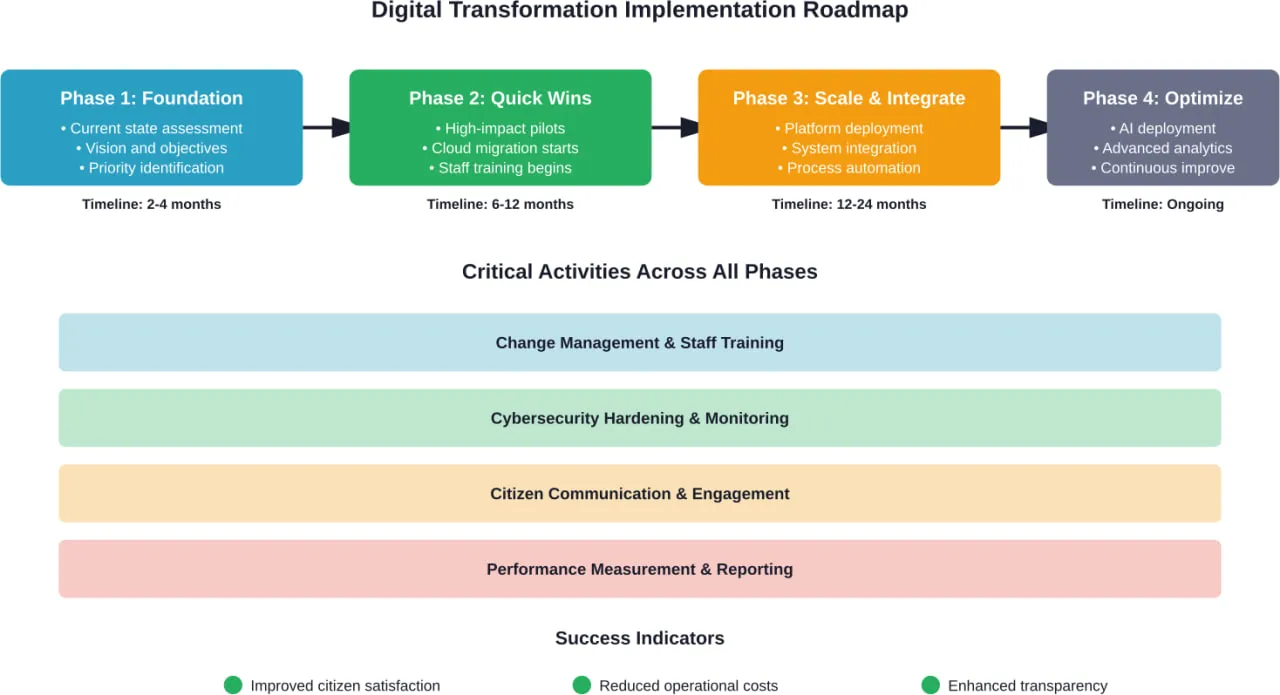
A four-phase implementation roadmap for digital public health transformation, showing typical timeframes and key activities for each stage from initial assessment through sustained scaling.

Case Studies and Real-World Applications

Examining concrete implementations illustrates how principles translate into practice and what outcomes organizations achieve.

Regional Digital Transformation in China

Research analyzing 31 provinces in China found that regional digital transformation significantly impacts public health outcomes. The study used technological innovation as a mediating variable, demonstrating that digital capabilities enable innovations that subsequently improve population health.

The analysis revealed that provinces with more advanced digital infrastructure showed better performance on multiple public health indicators. However, the benefits weren’t automatic—they required parallel investments in workforce development and process redesign.

Canadian Provincial Public Health Programs

A qualitative study examined organizational digital public health strategy in a provincial program in British Columbia, Canada. Between February and April 2023, researchers conducted focus groups with practitioners to understand opportunities and challenges.

Participants identified several barriers to effective digital transformation. Privacy concerns limited data sharing between programs. Organizational silos prevented integrated approaches. Limited digital literacy among staff slowed adoption of new tools.

The study also revealed opportunities. Practitioners recognized that digital systems could reduce administrative burden, allowing more time for direct public health work. Improved data access would enable more targeted interventions. Automation could standardize routine processes, reducing variability.

Pandemic Response Acceleration

The COVID-19 pandemic accelerated digital public health adoption dramatically. Contact tracing apps, vaccination registries, and real-time dashboards deployed in months rather than years.

This rapid development reflected successful international collaboration and backing by organizations including WHO and the European Union. The experience demonstrated what’s possible when urgency, resources, and political will align.

However, pandemic-driven implementations often sacrificed sustainability for speed. Many systems relied on temporary funding, external consultants, or proprietary platforms. Maintaining momentum requires transitioning to sustainable models.

שאלות נפוצות

  1. What is digital transformation in public health?

Digital transformation in public health means fundamentally rethinking how public health functions operate using digital technologies. It goes beyond simply digitizing paper records or adding websites. True transformation involves redesigning processes, integrating data systems, deploying analytics for population insights, and enabling new intervention approaches that weren’t previously feasible. The goal is improving population health outcomes through better surveillance, more effective prevention programs, and equitable service delivery.

  1. How does digital public health differ from digital health generally?

Digital health typically focuses on individual patient care—telemedicine, electronic health records, patient portals, and clinical decision support. Digital public health operates at the population level, supporting functions like disease surveillance, health promotion, environmental health monitoring, and policy development. While clinical digital health serves individual patients, digital public health serves entire communities and populations. The technologies overlap, but applications and success metrics differ significantly.

  1. What are the main barriers to implementing digital transformation in public health agencies?

Major barriers include legacy technology systems that can’t easily integrate with modern platforms, limited workforce capacity in data science and health informatics, inadequate funding for both initial implementation and ongoing maintenance, data governance challenges around privacy and sharing, organizational silos that prevent coordinated approaches, and equity concerns about digital divides. Additionally, procurement processes designed for physical goods struggle with software acquisitions, and risk-averse cultures resist innovation.

  1. How can digital transformation address health equity rather than worsen disparities?

Equity-focused digital transformation requires intentional design choices. This includes ensuring digital tools work for populations with limited internet access or older devices, providing multilingual and low-literacy interfaces, involving community members in system design, tracking utilization metrics stratified by demographic groups to identify disparities, investing in digital literacy programs for underserved populations, and maintaining non-digital service options. The CDC emphasizes that AI and digital tools in public health must avoid bias and ensure benefits reach vulnerable groups, not just privileged populations.

  1. What standards enable interoperability in digital public health systems?

Key interoperability standards include HL7 FHIR for health data exchange, the International Patient Summary for cross-border patient information sharing, SNOMED CT and LOINC for standardized medical terminology, ICD-10 for disease classification, and WHO SMART Guidelines for digital health interventions. These standards allow different systems—hospital EHRs, public health registries, laboratory information systems—to communicate effectively without custom integrations for every connection. Adherence to standards reduces costs and enables scalability.

  1. What role does artificial intelligence play in digital public health?

AI enhances public health capabilities in several ways: automated disease surveillance detecting outbreak signals earlier, predictive models identifying high-risk populations for targeted prevention, natural language processing extracting insights from unstructured text, computer vision analyzing imagery for environmental health monitoring, and chatbots providing health education at scale. However, the CDC emphasizes that AI applications must consider health equity and ethical implications. AI should augment human capabilities, not replace the relationship-building and cultural sensitivity that remain fundamentally human activities.

  1. How do organizations measure success of digital transformation initiatives?

Success metrics span multiple domains. Efficiency measures include reduced time from disease detection to response and decreased administrative burden. Effectiveness metrics track vaccination coverage, screening reach, and outbreak control speed. Equity indicators examine whether services reach underserved populations. User experience assessments gauge provider satisfaction and system usability. Economic evaluations calculate cost-effectiveness and return on investment. The challenge lies in attributing population health improvements specifically to digital systems versus other factors, requiring rigorous evaluation designs like quasi-experimental comparisons or time series analyses.

Conclusion: Building the Future of Public Health

Digital transformation represents more than a technological upgrade for public health. It’s an opportunity to fundamentally improve how we protect and promote population health.

The evidence is clear. WHO identifies digital transformation as vital for universal health coverage. Research demonstrates positive impacts on population health outcomes. Practical implementations show efficiency gains and expanded capabilities.

But technology alone solves nothing. Successful transformation requires strategic planning, sustained investment, workforce development, equity-focused design, robust governance, and continuous evaluation. Organizations that treat digital transformation as primarily a technology project will struggle. Those that recognize it as organizational change enabled by technology stand better chances of success.

The pandemic demonstrated what becomes possible when urgency drives innovation. Contact tracing systems, vaccination registries, and real-time dashboards deployed at unprecedented speed. This momentum shouldn’t dissipate as acute crises fade.

Noncommunicable diseases, environmental health threats, and persistent inequities demand sustained attention. Digital tools offer new approaches to these longstanding challenges—if implemented thoughtfully.

The path forward requires collaboration. International standards organizations like HL7 and WHO provide frameworks and guidance. Academic institutions build evidence and train the next generation of digital public health professionals. Technology vendors develop platforms and tools. But ultimately, public health agencies themselves must lead transformation efforts.

Sound overwhelming? Start small. Assess current capabilities honestly. Engage stakeholders broadly. Pilot focused applications. Learn from both successes and failures. Scale what works. Sustain through ongoing investment and evaluation.

The goal isn’t perfection. It’s progress toward health systems that leverage digital capabilities to serve all populations equitably. Systems that detect threats faster, prevent diseases more effectively, and allocate resources more efficiently. Systems that leave no one behind.

Digital transformation offers public health a chance to fulfill its foundational promise: improving the conditions in which people can be healthy. That opportunity demands action—strategic, equitable, sustained action.

The future of public health is digital. But more importantly, it’s human-centered, evidence-based, and committed to health equity. Technology serves these values, not the reverse.

Ready to start transforming your public health organization? Begin with assessment, engage your stakeholders, and take the first step toward a digitally enabled future that serves your entire community.

The Real Players: Digital Transformation Companies in the UK

If you’ve spent any time in a boardroom lately, you’ve probably heard “digital transformation” thrown around more than a rugby ball at Twickenham. It’s become one of those phrases that everyone says but few actually define. In the UK, however, this isn’t just corporate fluff. From the heritage banks of the City to the manufacturing hubs in the Midlands, local businesses are in a bit of a race to shed their “legacy” skin.

The truth is, moving a business into the future is messy. It’s about more than just buying a new CRM or moving a few folders to the cloud; it’s about changing how people actually work without breaking the stuff that already makes money. Whether it’s integrating AI that actually works or just making sure your mobile app doesn’t crash every Tuesday, the companies leading this charge in the UK are the ones doing the heavy lifting behind the scenes. We’re looking at the firms that are actually moving the needle, starting with those who’ve been in the trenches for years.

1. כלי עבודה מובילים

A-listware operates as a digital transformation partner that assists organizations in navigating technical changes through software development and consulting. Our approach involves providing specialized engineering teams and infrastructure management to support business growth and operational efficiency. We focus on integrating modern technology into existing business structures, helping companies modernize their legacy systems and adopt cloud-based solutions.

Our work spans across various sectors including fintech, healthcare, and retail, where we manage end-to-end digital lifecycles. We function as a technical extension of our clients’ teams, delivering custom software, mobile applications, and enterprise solutions. By maintaining a large network of technical professionals, we facilitate the rapid setup of dedicated development centers and provide ongoing support for both cloud-based and on-premises environments.

נקודות עיקריות

  • Over 25 years of experience in managing software development and client relations.
  • Access to a candidate network of 100,000 professionals for team composition.
  • Technical team setup and integration typically completed within 2-4 weeks.
  • Support operations available 24/7 to maintain project continuity and infrastructure health.
  • Low employee attrition rate maintained through local leadership and retention systems.
  • Expertise in intellectual property protection and secure coding standards.

שירותים

  • טרנספורמציה דיגיטלית 
  • פיתוח תוכנה
  • ייעוץ תוכנה
  • פיתוח מוצרי תוכנה
  • פיתוח אפליקציות ענן
  • פיתוח תוכנה ארגונית

פרטי קשר:

2. אקסנצ'ר 

Accenture is a global leader in professional services, helping UK organizations drive “Total Enterprise Reinvention.” They focus on integrating digital technology into every business function, specifically through cloud migration and the industrialization of artificial intelligence.

נקודות עיקריות

  • AI & Data Focus: Heavily investing in generative AI to automate UK enterprise workflows.
  • Public Sector: A primary partner for the UK Government’s digital transformation frameworks.
  • Global Network: Combines local UK expertise with a massive global delivery network.

שירותים

  • אסטרטגיית טרנספורמציה דיגיטלית
  • Cloud & Infrastructure Services
  • Data & Artificial Intelligence
  • ייעוץ אבטחת סייבר

פרטי קשר:

  • אתר אינטרנט: www.accenture.com
  • Address: 30 Fenchurch Street, London, EC3M 3BD
  • Phone Number: +44 (0)20 7844 4000

3. Capgemini 

Capgemini is a strategic partner for companies looking to modernize their business through technology. In the UK, they are recognized for their deep engineering capabilities and their “Intelligent Industry” approach, which merges digital systems with physical operations.

נקודות עיקריות

  • Intelligent Industry: Leaders in digitalizing manufacturing and supply chains.
  • Sustainability: Focuses on eco-friendly digital transformation and sustainable IT.
  • G-Cloud Supplier: One of the most active suppliers in the UK Government G-Cloud marketplace.

שירותים

  • שירותי תשתית ענן
  • Intelligent Industry Solutions
  • Cybersecurity & Risk
  • שינוי חוויית הלקוח

פרטי קשר:

  • אתר אינטרנט: www.capgemini.com
  • לינקדאין: www.linkedin.com/company/capgemini
  • כתובת: 95 Queen Victoria Street, London, EC4V 4HN
  • Phone Number: +44 (0)33 0588 8000
  • פייסבוק: www.facebook.com/capgemini
  • אינסטגרם: www.instagram.com/capgemini

4. IBM Consulting 

IBM Consulting operates at the intersection of business strategy and technology. In the UK, they utilize hybrid cloud architectures and the watsonx AI platform to help organizations modernize core processes and improve data governance.

נקודות עיקריות

  • Hybrid Cloud: Specialized in managing complex workloads across multiple cloud environments.
  • Ethical AI: Focuses on the transparent and governed implementation of AI in regulated sectors.
  • Hursley Hub: Home to one of IBM’s largest software development labs in the world (Winchester).

שירותים

  • AI & Data Analytics Strategy
  • שירותי ענן היברידי
  • Finance & Supply Chain Transformation
  • מודרניזציה של יישומים

פרטי קשר:

  • אתר אינטרנט: www.ibm.com
  • לינקדאין: www.linkedin.com/company/ibm
  • Address: IBM United Kingdom Limited Building C IBM Hursley Office Hursley Park Road Winchester Hampshire
  • Phone Number: +44 (0) 23 92 56 1000
  • טוויטר: x.com/ibm
  • אינסטגרם: www.instagram.com/ibm
  • Email: ibmidsupportuk@ibm.com 

5. קוגניזנט 

Cognizant is a global professional services firm that helps UK organizations modernize technology and reinvent processes. They specialize in digital engineering and the deployment of cloud solutions for highly regulated sectors such as banking and life sciences.

The company focuses on creating “intuitive operations” by integrating AI and automation into core business functions. In the UK, they are known for their large-scale delivery centers and strategic partnerships with major enterprise software providers.

נקודות עיקריות

  • Digital Engineering: Strong focus on building custom digital products and platforms.
  • Banking Expertise: A major transformation partner for some of the UK’s largest financial institutions.
  • Modern SaaS: Specialized in implementing and managing Salesforce and Workday ecosystems.

שירותים

  • הנדסה דיגיטלית
  • Intelligent Process Automation
  • פתרונות ענן
  • Data & AI Analytics

פרטי קשר:

  • אתר אינטרנט: www.cognizant.com
  • כתובת: 280 Bishopsgate, לונדון, EC2M 4AG
  • Phone Number: +44 (0)20 7297 7600
  • פייסבוק: www.facebook.com/Cognizant
  • טוויטר: x.com/cognizant
  • לינקדאין: www.linkedin.com/company/cognizant
  • אינסטגרם: www.instagram.com/cognizant
  • E-mail: CWSUKI@cognizant.com

6. Deloitte Digital 

Deloitte Digital combines the business strategy expertise of a traditional consultancy with the creative capabilities of a digital agency. They focus on designing and implementing digital customer experiences that drive loyalty and growth.

Their UK operations are centered on large-scale enterprise transformation, often involving complex cloud migrations and the integration of customer data platforms. They help brands navigate the shift to digital-first business models while ensuring operational stability.

נקודות עיקריות

  • Creative Consultancy: Unique blend of design-led thinking and technical implementation.
  • Global Partnerships: Elite partner status with Salesforce, AWS, and Google Cloud.
  • Public Sector: Active contributor to UK government digital service design and execution.

שירותים

  • Digital Strategy & Design
  • טרנספורמציה בענן
  • Customer Data Platforms
  • Legacy System Decoupling

פרטי קשר:

  • אתר אינטרנט: www.deloittedigital.com
  • LinkedIn: www.linkedin.com/company/deloitte-digital
  • Address: 1 New Street Square, London, EC4A 3HQ
  • Phone Number: +44 (0)20 7936 3000
  • Facebook: www.facebook.com/deloittedigital
  • Twitter (X): x.com/DeloitteUK
  • Instagram: www.instagram.com/deloittedigital
  • Email: digital@deloitte.co.uk

7. Kainos

Kainos is a leading UK-based technology company that has become a key player in the digital transformation of the British public sector. They are responsible for delivering some of the most critical digital services used by UK citizens today.

The firm specializes in replacing outdated manual systems with agile, cloud-native platforms. They are also recognized as one of the top Workday partners in Europe, helping organizations manage their human capital and finance operations digitally.

נקודות עיקריות

  • G-Cloud Pioneer: One of the most successful firms on the UK Government’s digital frameworks.
  • Workday Specialist: Global leader in automated testing and deployment for Workday.
  • Healthcare Focus: Extensive experience in digital transformation for the NHS.

שירותים

  • Digital Advisory & Strategy
  • פיתוח תוכנה בהתאמה אישית
  • Workday Implementation
  • מדעי הנתונים ובינה מלאכותית

פרטי קשר:

  • אתר אינטרנט: www.kainos.com
  • LinkedIn: www.linkedin.com/company/kainos
  • Address: 21 Farringdon Road, 2nd Floor, London, EC1M 3HA
  • מספר טלפון: +44 28 9057 1100
  • פייסבוק: www.facebook.com/KainosSoftware
  • Twitter (X): x.com/KainosSoftware

8. Atos UK & Ireland

Atos is a global leader in secure and decarbonized digital solutions. Their UK division is a critical partner for the public sector (including the NHS and Ministry of Defence) and large-scale sporting events, providing high-performance computing and cybersecurity.

נקודות עיקריות

  • Cybersecurity & Defense: A top-tier provider of mission-critical security services for the UK government.
  • Decarbonization: Leads the industry in “Green IT” and tracking carbon footprints of digital infrastructure.
  • High-Performance Computing: Manages some of the UK’s most powerful data processing systems.

שירותים

  • שירותי סביבת עבודה דיגיטלית
  • טרנספורמציה בענן
  • שירותי אבטחת סייבר
  • ביג דאטה וניתוח נתונים

פרטי קשר:

  • אתר אינטרנט: atos.net
  • Address: 4th Floor, 71 High Holborn, London, WC1V 6EA
  • Phone Number: +44 (0)20 7830 4444
  • לינקדאין: www.linkedin.com/company/atos
  • פייסבוק: www.facebook.com/Atos
  • Twitter (X): x.com/atos
  • אינסטגרם: www.instagram.com/atosinside
  • Email: uk-enquiries@atos.net 

9. Softwire

Softwire is a London-based software consultancy that focuses on digital transformation through high-quality custom software and data engineering. They are known for helping both major commercial brands and public sector bodies (like the BBC and various government departments) modernize their digital offerings.

נקודות עיקריות

  • Technical Rigor: Maintains an exceptionally high standard for engineering talent and code quality.
  • Project Rescue: Specialized in stepping into failing digital projects to stabilize and complete them.
  • Sector Diversity: Extensive experience across media, finance, and the public sector.

שירותים

  • פיתוח תוכנה בהתאמה אישית
  • Data Science & Engineering
  • Cloud Migration (AWS/Azure)
  • עיצוב ממשק משתמש/UX

פרטי קשר:

  • אתר אינטרנט: www.softwire.com
  • LinkedIn: www.linkedin.com/company/softwire
  • כְּתוֹבֶת: 315 Highgate Studios 53-79 Highgate Road London NW5 1TL
  • Phone Number: +44 (0)20 7485 7500
  • פייסבוק: www.facebook.com/softwire
  • אינסטגרם: www.instagram.com/softwireuk
  • דוא"ל: info@softwire.com

10. Methods

Methods is a pure-play digital transformation partner dedicated to the UK public sector. They help government agencies and local authorities align their technology with modern service standards, focusing on citizen-centric design and cost-efficiency.

נקודות עיקריות

  • G-Cloud Specialist: One of the most prominent suppliers on the UK Government’s digital frameworks.
  • Public Sector Only: Their entire business model is built around the unique needs of UK government and healthcare.
  • Legacy Decoupling: Experts in breaking down monolithic government systems into agile microservices.

שירותים

  • Business Change & Transformation
  • Technical Architecture
  • עיצוב שירותים
  • ניתוח נתונים

פרטי קשר:

  • אתר אינטרנט: www.methods.co.uk
  • LinkedIn: www.linkedin.com/company/methods
  • Phone Number: +44 (0)20 7240 1121

11. Scott Logic

Scott Logic is a technology consultancy that provides strategic advice and bespoke engineering for complex, high-stakes digital projects. They are particularly favored by financial institutions and government bodies for their ability to handle large-scale data and technical complexity.

נקודות עיקריות

  • Engineering-Led: Positions itself as an “engineer-first” consultancy with deep technical roots.
  • Financial Services Expertise: Specialized in high-performance systems for investment banking and trading.
  • Government Partner: Deeply involved in the Scottish Government’s digital payment and identity platforms.

שירותים

  • Technology Strategy & Advisory
  • Bespoke Software Engineering
  • Data Architecture & Insights
  • עיצוב חוויית משתמש (UX)

פרטי קשר:

  • אתר אינטרנט: www.scottlogic.com
  • LinkedIn: www.linkedin.com/company/scott-logic-limited
  • Address: Cannon Green, Office 0109, 27 Bush Lane, London, EC4R 0AN (London Hub)
  • Phone Number: +44 (0)20 3787 4085


מַסְקָנָה

Wrapping things up, it is pretty clear that digital transformation in the UK has moved past the “nice to have” stage. In 2026, it is no longer about a flashy website or a singular piece of software; it is about whether a business can actually pivot when the market shifts. The companies we have looked at do not just sell code-they sell the ability to stay relevant in a landscape that is changing faster than most internal IT departments can keep up with.

Choosing a partner in this space usually comes down to culture and specific pain points. Some firms are great at high-level strategy and board-level consulting, while others thrive in the technical trenches, providing the actual human power to build and maintain the systems. There is no one-size-fits-all, but the goal is always the same: making sure your technology works for your business, rather than your business working to keep its technology alive.

If you are looking to start this journey, the best move is usually to start small-fix a specific bottleneck, modernize one legacy app, or augment your team with a few specialists. The digital future is already here, and as we head further into 2026, it is just a matter of making sure your business has the right architecture to live in it.

טרנספורמציה דיגיטלית לניהול משברים בשנת 2026

סיכום קצר: הטרנספורמציה הדיגיטלית בניהול משברים מתייחסת לשילוב טכנולוגיות מתקדמות כגון בינה מלאכותית, מחשוב ענן וניתוח נתונים בזמן אמת, במטרה לשפר את החוסן הארגוני ואת יכולות התגובה במצבי חירום. גישה זו מאפשרת קבלת החלטות מהירה יותר, תיאום משופר וצמצום סיכונים יזום בקרב גופים ממשלתיים, חברות ומגזרי תשתית קריטיים.

מגפת הקורונה חשפה נקודות תורפה קריטיות באופן שבו ארגונים מגיבים למשברים. על פי נתוני הבנק הפדרלי, בשנה הראשונה למגפה נסגרו 200,000 עסקים יותר מהרגיל. אך הנה העניין: הארגונים ששרדו ואף שגשגו לא היו רק ברי מזל. היה להם משהו שונה: מערכות לניהול משברים מבוססות טכנולוגיה דיגיטלית.

הטרנספורמציה הדיגיטלית שינתה באופן מהותי את האופן שבו ארגונים נערכים למשברים, מגיבים אליהם ומתאוששים מהם. מרעידות אדמה הפוקדות ללא התרעה ועד מתקפות סייבר המכוונות לתשתיות קריטיות – האיומים המודרניים דורשים פתרונות מודרניים.

בשנים האחרונות, הסוכנות לאבטחת סייבר ותשתיות (CISA) הגדילה את מאמציה לחיזוק החוסן בכל רמות התשתיות הקריטיות. מהו המוקד שלה? השקת מוצרים ושירותים המותאמים לצורכי הלקוחות, אשר מחזקים את החוסן הלאומי במה שהם מכנים “עידן השיבושים”.”

זה לא רק עניין של טכנולוגיה מתוחכמת. בואו נהיה כנים: טרנספורמציה דיגיטלית לניהול משברים נועדה לבחון מחדש, מהיסוד, את האופן שבו ארגונים מזהים איומים, מגייסים משאבים, מתאמים תגובות ולומדים מכל אירוע.

הבנת הטרנספורמציה הדיגיטלית בניהול משברים

הטרנספורמציה הדיגיטלית בניהול משברים מייצגת מעבר מהותי מתהליכים תגובתיים וידניים למערכות יזומות המונעות על ידי טכנולוגיה, המסוגלות לחזות, למנוע ולהגיב למצבי חירום במהירות ובתיאום חסרי תקדים.

ניהול משברים מסורתי הסתמך במידה רבה על רשתות טלפוניות, תוכניות בכתב ותיאום ידני. גישה זו פשוט כבר לא עובדת. המשברים של ימינו מורכבים מדי, מתפתחים במהירות רבה מדי, ומקושרים זה לזה יותר מדי.

מה מייחד את ניהול משברים דיגיטליים

ההבדל המהותי טמון בשלושה יכולות: שילוב נתונים בזמן אמת, פרוטוקולי תגובה אוטומטיים וניתוח חיזוי. אלה אינם רק מונחים אופנתיים — הם מייצגים יתרונות תפעוליים מוחשיים.

שילוב נתונים בזמן אמת פירושו איסוף מידע ממקורות שונים בו-זמנית. במהלך רעידת האדמה בטוהוקו ביפן בשנת 2011, מערכת ההתראה המוקדמת של המדינה סיפקה דקות קריטיות של התרעה, שאפשרו למיליוני אנשים לנקוט בצעדי הגנה. 

מדדים מרכזיים מעידים על יעילותו:

  • זמן התראה ממוצע: 15–20 שניות
  • שיעור התוצאות החיוביות השגויות: פחות מ-2%
  • שטח כיסוי: 100% משטח יפן

פרוטוקולי תגובה אוטומטיים מבטלים את העיכובים הטמונים בשרשרת קבלת ההחלטות האנושית. כאשר סינגפור השיקה את אפליקציית איתור המגעים TraceTogether במהלך מגפת הקורונה, היא השיגה שיעור אימוץ של 78% ושיפרה באופן דרמטי את יעילות איתור המגעים.

ניתוח חיזויי עושה שימוש בנתונים היסטוריים ובלימוד מכונה כדי לזהות משברים פוטנציאליים בטרם יתממשו במלואם. הדבר מאפשר לארגונים לעבור מגישה תגובתית גרידא לניהול סיכונים יזום.

הטבע הכפול של הטכנולוגיה בעתות משבר

אבל רגע. הטכנולוגיה לא תמיד היא הגיבורה של הסיפור.

אותן מערכות דיגיטליות שיכולות למנוע משברים, עלולות גם להאיץ אותם. מתקפות סייבר מתפשטות ברשתות מקושרות תוך שניות. מידע כוזב — מה שארגון הבריאות העולמי מכנה “אינפודמיה” — עלול לפגוע בתגובות מערכת הבריאות הציבורית בעת התפרצות מחלות.

"אינפודמיה" מתייחסת לעודף מידע, לרבות תוכן כוזב או מטעה, בעת התפרצות מחלה. היא גורמת לבלבול ולהתנהגויות מסוכנות העלולות לפגוע בבריאות. עם התקדמות הדיגיטליזציה, האתגר הולך ומחמיר.

פרדוקס זה מחייב יישום מחושב. ארגונים אינם יכולים פשוט להטיל טכנולוגיה על ניהול משברים ולצפות להצלחה. הם זקוקים לשילוב אסטרטגי המותאם ליעדים ברורים ולממשל ארגוני איתן.

המעבר מגישות מסורתיות לגישות דיגיטליות בניהול משברים והטכנולוגיות התומכות בכך

טכנולוגיות ליבה המניעות את השינוי בתחום ניהול משברים

מספר טכנולוגיות מרכזיות מהוות את הבסיס למערכות ניהול משברים מודרניות. כל אחת מהן מציעה יכולות ספציפיות המתמודדות עם המגבלות המסורתיות.

בינה מלאכותית ולמידת מכונה

הבינה המלאכותית משפרת את ניהול המשברים בשלושה שלבים קריטיים: הכנה, תגובה והתאוששות.

במהלך ההכנות, מערכות בינה מלאכותית מנתחות מאגרי נתונים עצומים כדי לזהות סיכונים מתהווים. אלגוריתמי למידת מכונה מזהים דפוסים שבני אדם עלולים לפספס — נקודות תורפה עדינות בשרשרת האספקה, חולשות בתשתיות או מתחים חברתיים המתעוררים.

מחקרים מראים כי מנהיגות טרנספורמטיבית שיפרה את החוסן ב-82% בארגונים שהתמודדו עם אירועי סייבר. באופן דומה, מנהיגות אתית שיפרה את התנהגויות האזרחות הארגונית ב-75% במצבי משבר. שיפורים אלה אינם נובעים מגישות מנהיגותיות בלבד, אלא ממנהיגים המנצלים כלים מבוססי בינה מלאכותית לתמיכה בקבלת החלטות.

בכל הנוגע לתגובות, הבינה המלאכותית מאיצה את תהליך קבלת ההחלטות במצבי לחץ. מערכות יכולות לדמות תגובות לתרחישים מורכבים, ובכך לסייע למנהלים להבין את ההשלכות של החלטות שונות לפני שהם מקצים משאבים. הן יכולות גם לפקח על סיכונים באמצעות מדדים בזמן אמת ולתמוך בעמידה בדרישות הרגולטוריות באמצעות חיזוי הפרות פוטנציאליות.

תהליך ההתאוששות נהנה מיכולתה של הבינה המלאכותית להשוות בין שיטות עבודה מומלצות בענפים שונים ולזהות פערים בתהליכים. ארגונים לומדים מהר יותר מכל אירוע, ובכך בונים ידע ארגוני המחזק את התגובות העתידיות.

מחשוב ענן ונגישות מרחוק

מערכות מבוססות ענן פתרו בעיה מהותית שהובלטתה בעקבות מגפת הקורונה: צוותי ניהול משברים לא תמיד יכולים להתכנס במרכזי פיקוד פיזיים.

ניהול מסמכים בענן מאפשר גישה נוחה לקבצים חיוניים מכל מקום. במהלך המגפה, יכולת זו היוותה את ההבדל בין המשכיות תפעולית לשיתוק עבור ארגונים רבים.

מדרגיות מהווה יתרון מכריע נוסף. הביקוש בעת משבר משתנה באופן דרמטי. תשתית הענן מתרחבת במצבי חירום מבלי לדרוש השקעה קבועה בקיבולת עודפת.

אך המעבר לענן מביא עמו נקודות תורפה חדשות. בינואר 2026 פרסמה CISA הנחיות הקוראות לארגונים בעלי תשתיות קריטיות לנקוט בצעדים נחרצים נגד איומים פנימיים. ההנחיות מדגישות את הצורך בהקמת צוותי ניהול איומים חזקים ורב-תחומיים, מתוך הכרה בכך שמערכות ענן מצריכות גישות אבטחה מתוחכמות.

שילוב וניתוח נתונים בזמן אמת

במצבי משבר, המהירות היא גורם מכריע. שילוב נתונים בזמן אמת מאגד מידע ממקורות מגוונים — רשתות חברתיות, רשתות חיישנים, שירותי חירום, מערכות מזג אוויר — לתוך לוחות מחוונים מאוחדים.

מגזר שירותי החירום, כפי שהוגדר על ידי CISA, כולל כוח אדם מיומן ביותר, הן בשירות בשכר והן בהתנדבות, וכן משאבים פיזיים וסייבר נלווים. משאבים אלה מסתמכים יותר ויותר על נתונים בזמן אמת לצורך תיאום פעולות המניעה, ההגנה, ההפחתה, התגובה וההתאוששות.

ניתוח נתונים הופך נתונים גולמיים למידע שימושי. בעת אסונות, כוחות החילוץ צריכים לדעת היכן יש צורך דחוף במשאבים, אילו דרכים עדיין עבירות וכיצד המצב מתפתח מרגע לרגע.

האינטרנט של הדברים ורשתות חיישנים

מכשירים מבוססי IoT מספקים מודעות מצבית חסרת תקדים. חיישני סביבה מזהים דליפות כימיות, מוניטורים מבניים מאתרים נזקים במבנים, ומכשירים לבישים עוקבים אחר מיקומם של כוחות החילוץ וסימני החיים שלהם.

מערכת ההתראה המוקדמת לרעידות אדמה ביפן מדגימה את הפוטנציאל הטמון ב-IoT. אלפי סיסמומטרים הפזורים ברחבי המדינה מעבירים נתונים למערכות מרכזיות, המסוגלות להפעיל התראות בתוך שניות מרגע זיהוי פעילות סיסמית.

האתגר טמון בניהול הכמות העצומה של הנתונים שהמכשירים הללו מייצרים. ארגונים זקוקים לתשתית איתנה ולסינון חכם כדי להבחין בין מידע רלוונטי לרעש.

עבדו עם שותף לפיתוח תוכנה וייעוץ

אם אסטרטגיית ניהול המשברים שלכם תלויה במערכות משופרות, בתשתית חזקה יותר או בתמיכה טכנית נוספת, כדאי לשקול שיתוף פעולה עם A-listware. רשימת מוצרים א' החברה מספקת שירותי פיתוח תוכנה, ייעוץ IT, אבטחת סייבר, שירותי תשתית, ניתוח נתונים וצוותי פיתוח ייעודיים. כמו כן, החברה מסייעת לעסקים במודרניזציה של תוכנות ישנות, בהרחבת צוותים פנימיים ובתמיכה בפרויקטים דיגיטליים שצריכים להתקדם ללא עיכובים הנובעים מתהליכי גיוס.

זקוקים לתמיכה טכנית במערכות המותאמות למצבי משבר?

צרו קשר עם A-listware כדי:

  • לשדרג תוכנות ומערכות פנימיות מיושנות
  • להוסיף מפתחים, אנשי DevOps, מומחי נתונים או מומחי אבטחה
  • לפתח ולתמוך בכלים דיגיטליים כדי להבטיח פעילות יציבה יותר

התחילו בבקשת ייעוץ מחברת A-listware.

גישות ליישום אסטרטגי

הטכנולוגיה לבדה אינה מספיקה לניהול משברים יעיל. ארגונים זקוקים למסגרות יישום אסטרטגיות המשלבות בין כלים דיגיטליים למציאות התפעולית.

הערכת המוכנות הארגונית

לפני שמשקיעים בטרנספורמציה דיגיטלית, על ארגונים לבחון בכנות את מצבם הנוכחי. הדבר כולל הערכת התשתית הקיימת, יכולות הצוות, אילוצים תקציביים ומוכנות תרבותית לשינוי.

ארגון הבריאות העולמי מדגיש את החשיבות של תמיכה במדינות בתיעוד רמת הבשלות הדיגיטלית בתחום הבריאות במגוון תחומי מפתח: מנהיגות וממשל, אסטרטגיה והשקעה, חקיקה ומדיניות, יכולות כוח האדם, תקנים ותאימות, ותשתית.

אבני הבניין הללו חלות לא רק על תחום הבריאות, אלא על כל ארגון העובר תהליך של טרנספורמציה דיגיטלית לצורך ניהול משברים.

גיבוש תוכנית פעולה ברורה

תהליכי שינוי מוצלחים מתחילים בתוכניות פעולה ברורות המגדירות יעדים, אבני דרך ומדדי הצלחה. תוכנית הפעולה צריכה לזהות הישגים מהירים שיוצרים מומנטום, תוך תכנון שינוי שיטתי לטווח ארוך.

יישום הדרגתי מפחית את הסיכון. ארגונים עשויים להתחיל בדיגיטליזציה של מסמכים ומעבר לענן, לפני שיעברו לניתוח חיזוי המונע על ידי בינה מלאכותית. כל שלב מתבסס על ההצלחות הקודמות ומספק תובנות המשמשות את המאמצים הבאים.

השקעה בהכשרת עובדים

הטכנולוגיה יעילה רק במידה שהאנשים המשתמשים בה יעילים. תוכניות הכשרה מקיפות מבטיחות שהצוות יוכל לנצל את הכלים החדשים בפועל במצבי משבר מלחיצים.

ההכשרה לא צריכה להתמקד אך ורק במיומנויות טכניות. ניהול משברים דורש שיקול דעת, תיאום ומנהיגות. כלים דיגיטליים צריכים לשפר את תהליך קבלת ההחלטות האנושי, ולא להחליף אותו.

מחקרים מראים כי מנהיגות אתית שיפרה את התנהגויות האזרחות הארגונית ב-75% במצבי משבר. שילוב של יכולות טכניות עם מסגרות אתיות איתנות יוצר יכולות תגובה גמישות למשברים.

בחירת טכנולוגיות הניתנות להרחבה וגמישות

בהחלטות טכנולוגיות יש לתת עדיפות ליכולת פעולה הדדית, למדרגיות ולעצמאות מספקים. מערכות קנייניות הכובלות ארגונים לספק יחיד יוצרות נקודות תורפה לטווח ארוך.

תקנים ומפרטים פתוחים מאפשרים לתקשורת בין מערכות שונות. ארגון הבריאות העולמי תומך בשיתוף פעולה בינלאומי בפיתוח תקני נתונים ומפרטי תאימות — מתוך הכרה בכך שמשברים אינם מכבדים גבולות ארגוניים או לאומיים.

קריטריונים לבחירת טכנולוגיהמדוע זה חשובדגלים אדומים שיש להימנע מהם 
תאימות בין מערכותמאפשר תקשורת עם מערכות אחרותפורמטים קנייניים, ממשקי API סגורים
מדרגיותמתמודדת עם ביקוש משתנה בעתות משברמגבלות קיבולת קבועות, הרחבה יקרה
אֲמִינוּתפועל בדיוק כשצריך אותו ביותרנתוני זמינות נמוכים, נקודות כשל בודדות
בִּטָחוֹןמגן על נתונים רגישים הקשורים למשברהצפנה חלשה, בקרות גישה לקויות
שְׁמִישׁוּתעובד תחת לחץ עם הכשרה מינימליתממשקים מורכבים, עקומת למידה תלולה
תמיכת ספקיםמבטיח סיוע במהלך היישוםשעות תמיכה מוגבלות, זמני תגובה ארוכים

פתרונות דיגיטליים לתפקידים ספציפיים בניהול משברים

תפקידים שונים בתחום ניהול משברים נהנים מפתרונות דיגיטליים ספציפיים. הבנת יישומים אלה מסייעת לארגונים לקבוע סדר עדיפויות בהשקעותיהם.

סריקת מסמכים והמרה לפורמט דיגיטלי

תוכניות חירום בפורמט נייר מהוות נטל. לא ניתן לגשת אליהן מרחוק, לעדכן אותן ביעילות או לחפש בהן במהירות. סריקת מסמכים הופכת חומרים ישנים לפורמטים דיגיטליים נגישים.

זה אולי נראה בסיסי, אבל זהו עיקרון יסודי. בתקופת מגפת הקורונה, ארגונים שהתיעוד שלהם היה דיגיטלי הצליחו לשמור על המשכיות תפעולית, בעוד שארגונים שהסתמכו על תיקים פיזיים התקשו בכך.

חדר דואר דיגיטלי לפעילות מרחוק

עיבוד דואר מסורתי יוצר נקודות כשל בודדות. פתרונות דיגיטליים לחדר הדואר סורקים, מנתבים ומנהלים את התקשורת הנכנסת באופן אלקטרוני, ומאפשרים לצוותים הפזורים לשמור על מעורבות ללא תלות במיקומם.

עבור ארגונים המתמודדים עם משברים המחייבים פעילות מרחוק — מגיפות, נזקים למבנים, אסונות אזוריים — חדרי הדואר הדיגיטליים מבטיחים שערוצי התקשורת יישארו פתוחים.

אוטומציה של תהליכים עסקיים

האוטומציה משפרת את היעילות התפעולית באמצעות ביצוע משימות שגרתיות ללא התערבות אנושית. בעת משבר, הדבר מאפשר לצוות להתמקד בפעילויות בעלות ערך גבוה, הדורשות שיקול דעת ויצירתיות.

מערכות אוטומטיות יכולות להפעיל התראות, לבצע פרוטוקולי תגובה שהוגדרו מראש, ליצור דוחות מצב ולתאם את הקצאת המשאבים. הן פועלות ללא לאות, בעקביות וללא העייפות הפוגעת בביצועי האדם במצבי חירום ממושכים.

אוטומציה של חשבונות ספקים, למשל, מבטיחה שהעיבוד של החשבוניות יימשך גם כאשר צוותי הכספים נאלצים לעזוב את מקום העבודה או לעבוד מרחוק. כך נשמרים הקשרים עם הספקים ותזרים המזומנים גם בתקופות של שיבושים.

פלטפורמות לשיתוף פעולה בזמן אמת

התמודדות עם משברים מחייבת תיאום בין צוותים, מחלקות ולעיתים קרובות גם בין ארגונים שונים. פלטפורמות לשיתוף פעולה בזמן אמת מספקות סביבות עבודה משותפות שבהן אנשי הצוות יכולים לתקשר, לשתף מידע ולתאם פעולות.

פלטפורמות אלה משלבות צ'אט, שיחות וידאו, שיתוף מסמכים וניהול משימות. במהלך עבודת ה-G20 בנושא בריאות דיגיטלית לניהול המגפה, פלטפורמות לשיתוף פעולה בינלאומי אפשרו ל-17 מדינות ולמספר ארגונים בינלאומיים לתאם את התגובות מעבר לגבולות.

בניית חוסן ארגוני באמצעות טרנספורמציה דיגיטלית

ההתמקדות של CISA לשנת 2025 בנושא “החלטה להיות עמידים” משקפת שינוי מהותי בתפיסת ניהול המשברים. המטרה אינה רק לשרוד משברים בודדים, אלא לבנות חוסן שיטתי שמתחזק עם כל אתגר.

מגישה תגובתית לגישה יזומה

הטרנספורמציה הדיגיטלית מאפשרת לארגונים לעבור מתגובה תגובתית למשברים לניהול סיכונים יזום. ניתוח נתונים חיזויי מזהה איומים מתהווים. ניטור רציף מאתר חריגות בטרם הן מחמירות. מודלים של תרחישים בוחנים את תוכניות התגובה לאור תרחישים עתידיים אפשריים.

גישה יזומה זו מפחיתה הן את תדירות המשברים והן את חומרתם. הבעיות מטופלות עוד בשלב שבו ניתן להתמודד עמן, ולא רק לאחר שהן התפתחו למצב חירום של ממש.

למידה ושיפור מתמשכים

מערכות דיגיטליות אוספות נתונים מפורטים על אופן התפתחות המשברים ועל אופן התגובה של הארגונים. הדבר יוצר הזדמנויות ללמידה שיטתית, שגישות מבוססות נייר אינן יכולות להתחרות בהן.

ניתוחי סיכום הופכים למקיפים יותר כאשר הם נתמכים בנתונים מפורטים. ארגונים יכולים לזהות מה עבד, מה לא עבד ומדוע. תובנות אלה משמשות כבסיס לתכניות משופרות, להכשרה טובה יותר ולכלים יעילים יותר.

שיתוף פעולה בין-מגזרי

משברים מודרניים משפיעים לעתים קרובות על מספר מגזרים. מתקפות סייבר על ספקי שירותי בריאות פוגעות בטיפול בחולים. שיבושים בשרשרת האספקה משפיעים על התעשייה, על הקמעונאות ועל הצרכנים. אירועי אקלים פוגעים בתשתיות, משבשים שירותים ומאלצים אוכלוסיות לעקור ממקומן.

פלטפורמות דיגיטליות מאפשרות שיתוף מידע ותיאום בין-מגזרי. המכון הלאומי לתקנים וטכנולוגיה (NIST) מספק מסגרות לתכנון התאוששות מאסון, המדגישות תאימות ותקינה — מתוך הכרה בכך שתגובה יעילה למשבר מחייבת פעולה מתואמת החוצה גבולות ארגוניים.

מחזור החיים של ניהול משברים, המורכב משש שלבים, הממחיש כיצד טכנולוגיות דיגיטליות תומכות בכל שלב

תשתיות חיוניות וחוסן לאומי

תחומי התשתית הקריטית ניצבים בפני אתגרים ייחודיים בניהול משברים. מערכות אלה — אנרגיה, מים, תחבורה, תקשורת, בריאות — מהוות את עמוד השדרה של החברה המודרנית. כשל בהן גורם לתגובת שרשרת הפוגעת באזורים שלמים או במדינות שלמות.

תפקידה של CISA בחוסן התשתיות

ה-CISA התמקדה באופן אינטנסיבי בבניית חוסן לאומי לקראת מה שהיא מכנה "עידן של שיבושים". החל מהתמודדות עם השפל הגדול וגיוס לקראת מלחמת העולם השנייה, דרך חיזוק הביטחון הפנימי לאחר פיגועי 11 בספטמבר ועד התגובה למגפת הקורונה – החוסן הוא המאפיין המגדיר את האומה מאז הקמתה.

בהמשך למסורת זו, השיקה CISA מוצרים ושירותים הממוקדים בלקוח, המסייעים בחיזוק החוסן של התשתיות הקריטיות. יוזמות אלה נובעות מההכרה בכך שהאיומים המודרניים — מתקפות סייבר, אירועי אקלים, מגיפות והפרעות בשרשרת האספקה — מחייבים תגובות מתואמות הנתמכות בטכנולוגיה.

התמודדות עם איומים פנימיים

הטרנספורמציה הדיגיטלית יוצרת נקודות תורפה חדשות, אף שהיא משפרת את היכולות. בינואר 2026 פרסמה הסוכנות לביטחון סייבר ותשתיות (CISA) הנחיות הקוראות לארגוני תשתית קריטית לנקוט צעדים נחרצים נגד איומים פנימיים.

איומים פנימיים מהווים סיכונים מאתגרים במיוחד. עובדים מהימנים בעלי גישה לגיטימית עלולים לגרום לנזק הרסני — בין אם מתוך זדון, רשלנות או חשיפת מידע. מערכות דיגיטליות, הודות למנגנוני בקרת הגישה הנרחבים שלהן וליכולות הביקורת, מספקות כלים לזיהוי ולמניעת איומים פנימיים.

ההנחיות מדגישות את החשיבות בהקמת צוותי ניהול איומים חזקים ורב-תחומיים. הטכנולוגיה לבדה אינה יכולה לפתור את הבעיה הזו. ארגונים זקוקים לגישות משולבות המשלבות אמצעי בקרה טכניים, אבטחת כוח אדם ותרבות ארגונית.

אינטגרציה של מגזר שירותי החירום

מגזר שירותי החירום אחראי על שמירת ביטחון הציבור ובטיחותו, מבצע פעולות הצלה, מגן על רכוש ועל הסביבה, ומסייע לקהילות שנפגעו מאסונות. מגזר זה מסתמך יותר ויותר על כלים דיגיטליים לתיאום פעולות מורכבות.

כוחות החירום משתמשים באפליקציות סלולריות לתיאום בשטח, בפלטפורמות ענן לשיתוף מידע ובמערכות בינה מלאכותית לייעול משאבים. בעת אירועים חמורים, כלים אלה מאפשרים תיאום בין כוחות הכיבוי, המשטרה, שירותי הרפואה הדחופה וגופים נוספים, שבעבר פעלו באופן עצמאי.

לקחים ממגפת הקורונה

מגפת הקורונה היוותה מבחן קשה במציאות של יכולות ניהול המשברים הארגוניות. הלקחים שנלמדו ממשיכים לעצב את אסטרטגיות הטרנספורמציה הדיגיטלית.

התערבויות בתחום הבריאות הדיגיטלית

הדו’ח הראשון של ה-G20 בנושא בריאות דיגיטלית לניהול מגפות סקר את תמונת המצב בתחום התגובה למקרי חירום והציע המלצות ליישום. ארגון הבריאות העולמי (WHO) לקח על עצמו את ההובלה במספר תחומים אסטרטגיים, והתחייב לתמוך במדינות בשיפור היכולת שלהן לנצל התערבויות דיגיטליות באמצעות חיזוק שיתוף הפעולה הבינלאומי.

ההמלצות העיקריות כללו סיוע למדינות בתיעוד רמת הבשלות בתחום הבריאות הדיגיטלית, קידום שיתוף פעולה בינלאומי בנושא תקני נתונים ותאימות בין-מערכתית, וכן קידום יישומים דיגיטליים בתחום הבריאות בקוד פתוח העומדים בתקני התאימות הבין-מערכתית.

איתור מגעים ומעקב

מעקב דיגיטלי אחר מגעים היה אחד היישומים הטכנולוגיים הבולטים ביותר של המגפה. האפליקציה TraceTogether של סינגפור זכתה לאימוץ נרחב ושיפרה באופן דרמטי את יעילות מעקב המגעים בהשוואה לשיטות ידניות.

אך איתור מגעים דיגיטלי עורר גם חששות בנוגע לפרטיות והדגיש את חשיבות אמון הציבור. יישומים מוצלחים יצרו איזון בין היתרונות לבריאות הציבור לבין ההגנה על הפרטיות — והוכיחו כי יכולת טכנית בלבד אינה מבטיחה אימוץ של השיטה.

רפואה מרחוק וטיפול מרחוק

השימוש ברפואה מרחוק התרחב באופן דרמטי במהלך מגפת הקורונה. שירות שהיה בעבר נישתי הפך לצורך נרחב כמעט בן לילה. ארגון הבריאות העולמי תמך בשיתוף כלים ופלטפורמות לרפואה מרחוק במצבי חירום שבהם כלים אלה לא היו זמינים בעבר.

התרחבות מהירה זו הדגימה הן את הפוטנציאל והן את האתגרים הטמונים במעבר לבריאות דיגיטלית. ארגונים בעלי תשתית דיגיטלית איתנה הסתגלו במהירות. אלה שהיו תלויים במערכות ישנות התקשו בכך.

התמודדות עם "אינפודמיה"

"האינפודמיה" — עודף מידע, כולל תוכן כוזב או מטעה, במהלך התפרצות מחלה — יצרה בלבול והתנהגויות מסוכנות שפגעו בבריאות. היא הובילה לחוסר אמון ברשויות הבריאות ופגעה במאמצי ההתמודדות בתחום בריאות הציבור.

עם התקדמות הדיגיטליזציה, האתגר הולך ומחמיר. הרשתות החברתיות מפיצות מידע מדויק ומידע מוטעה כאחד בקצב חסר תקדים. כיום, על מנהלי משברים להתמודד לא רק עם המשבר עצמו, אלא גם עם הכאוס התקשורתי הפוגע במאמצי התגובה.

שיטות עבודה מומלצות ליישום ומלכודות נפוצות

ארגונים השואפים לעבור טרנספורמציה דיגיטלית לצורך ניהול משברים צריכים ללמוד הן מההצלחות והן מהכישלונות שתועדו במגזרים שונים.

מה לעשות: פעולות המובילות להצלחה

  • התחילו בתוכנית פעולה ברורה המותאמת ליעדי הארגון. שאיפות מעורפלות אינן מתורגמות ליכולות תפעוליות. אבני דרך ספציפיות, תחומי אחריות מוגדרים ותוצאות מדידות יוצרים אחריות.
  • השקיעו בהכשרה מקיפה לעובדים, שתעבור מעבר לכישורים טכניים. ניהול משברים מצריך שיקול דעת, תקשורת ומנהיגות. ההכשרה צריכה לפתח יכולות אלה לצד הכישורים הטכניים.
  • בחרו בטכנולוגיות הניתנות להרחבה וגמישות, שצומחות יחד עם צרכי הארגון. מערכות בעלות קיבולת קבועה הופכות ל"צווארי בקבוק" בעת משבר, כאשר הביקוש מזנק באופן בלתי צפוי.
  • יש לתת עדיפות לאבטחת סייבר כבר מההתחלה, ולא כמחשבה של הרגע האחרון. מערכות לניהול משברים דיגיטליים הופכות למטרות אטרקטיביות עבור גורמים עוינים. אבטחה איתנה מגנה הן על המערכות עצמן והן על המידע הרגיש שהן מכילות.
  • יש לבצע בדיקות באופן קבוע באמצעות תרגילים ותרגולי סימולציה. מערכות שמתפקדות בצורה מושלמת בהדגמות עלולות להיכשל לעיתים תחת הלחץ של מצבי חירום אמיתיים. בדיקות קבועות מאפשרות לאתר נקודות תורפה כל עוד יש עדיין זמן לתקן אותן.

מה לא לעשות: מלכודות שיש להימנע מהן

  • אל תתעלמו מחשיבותה של אבטחת הסייבר. מערכות דיגיטליות יוצרות נקודות תורפה חדשות. ארגונים המתמקדים אך ורק בפונקציונליות תוך הזנחת האבטחה, יוצרים סיכוני משבר חדשים, גם כאשר הם מטפלים באלה הקיימים.
  • אל תסבכו יתר על המידה את תהליך היישום. מורכבות מובילה לחוסר יציבות. מערכות פשוטות וחזקות נוטות להציג ביצועים טובים יותר מאלטרנטיבות מתוחכמות אך לא יציבות בעת משבר אמיתי, כאשר התנאים סוטים מהתכניות.
  • אל תניחו שהטכנולוגיה לבדה פותרת את הבעיות הארגוניות. טרנספורמציה דיגיטלית מחייבת שינוי תרבותי, תכנון מחדש של תהליכים ומחויבות מצד ההנהלה. הטכנולוגיה מאפשרת שינויים אלה, אך אינה יוצרת אותם באופן אוטומטי.
  • אל תזניחו את יכולת שיתוף הפעולה עם שותפים חיצוניים. משברים כמעט אף פעם אינם מכבדים גבולות ארגוניים. מערכות שאינן מסוגלות לחלוק מידע עם ארגונים שותפים מגבילות את התיאום ואת יעילות התגובה.
  • אל תדלגו על תהליך הסיכום שלאחר האירוע. כל משבר טומן בחובו הזדמנויות ללמידה. ארגונים שאינם מצליחים להפיק וליישם את הלקחים הללו חוזרים על טעויות במקום להשתפר.
מה לעשותמה לא לעשות 
השקיעו בהכשרת עובדיםלהתעלם מחשיבות אבטחת הסייבר
התחילו עם תוכנית פעולה ברורהלסבך יתר על המידה את תהליך היישום
בחרו בטכנולוגיות הניתנות להרחבה וגמישותלהניח שהטכנולוגיה לבדה פותרת את הבעיות
יש לבדוק את המערכות באופן קבוע באמצעות תרגיליםלהזניח את יכולת ההפעלה ההדדית עם השותפים
תנו עדיפות לאבטחת סייבר כבר מההתחלהלדלג על סיכומי תוצאות ועל תהליך הלמידה
תיעוד תהליכים והחלטותפריסה ללא בדיקות משתמשים מספקות
לערב את בעלי העניין לאורך כל תהליך היישוםלהתעלם מצרכי שילוב מערכות ישנות

מדידת הצלחה והוכחת ערך

יוזמות של טרנספורמציה דיגיטלית מצריכות השקעה ניכרת. ארגונים זקוקים למסגרות למדידת הצלחה ולהוכחת החזר ההשקעה.

מדדי ביצוע מרכזיים

מדדים יעילים משלבים בין אינדיקטורים מקדימים לאינדיקטורים מאוחרים. אינדיקטורים מקדימים מודדים פעולות שאמורות לשפר את התוצאות — שיעורי סיום ההכשרה, זמן הפעילות של המערכת, השתתפות בתרגילים. אינדיקטורים מאוחרים מודדים את התוצאות בפועל — זמני תגובה, עלויות האירועים, משך זמן ההתאוששות.

מדדי ביצוע מרכזיים (KPI) נפוצים בניהול משברים דיגיטליים כוללים:

  • הזמן שחלף מרגע זיהוי האירוע ועד לתגובה הראשונית
  • מספר העובדים שקיבלו התראות בתוך פרק הזמן שנקבע
  • זמינות המערכת בעת אירועי משבר
  • דיוקן של הערכות סיכון חיזוייות
  • עלות הטיפול במשבר וההתאוששות ממנו
  • הגיע הזמן לחזור לשגרה
  • שביעות רצון בעלי העניין מתקשורת משברית

הוכחת החזר על ההשקעה

קשה לכמת את התשואה על ההשקעה (ROI) של מערכות לניהול משברים. הערך טמון בחלקו במשברים שנמנעו או שהשפעתם הוקלה — אירועים שהגדרתם היא שהם אינם מתממשים במלואם.

ארגונים יכולים להוכיח את ערכם מנקודות מבט שונות. שיפורים ביעילות התפעולית במהלך פעילות שוטפת — תהליכים מהירים יותר, צמצום העבודה הידנית, ניצול משאבים טוב יותר. יכולות משופרות המתועדות באמצעות תרגילים ותרגולי חירום. פרמיות ביטוח נמוכות יותר המשקפות פרופיל סיכון נמוך יותר. התאוששות מהירה יותר והפחתת הנזקים כאשר מתרחשים אירועים חריגים.

מחזורי שיפור מתמשך

המדידה צריכה להוביל לשיפור מתמשך, ולא רק להצדיק השקעות קודמות. ניתוח קבוע של המדדים מאפשר לזהות מגמות, להדגיש בעיות מתעוררות ולהנחות את הקצאת המשאבים.

לאחר כל אירוע משבר או תרגיל נרחב, על הארגונים לערוך תחקירים מקיפים. מה עבד כמתוכנן? מה לא עבד? מדוע? אילו שינויים עשויים לשפר את הביצועים בעתיד?

תובנות אלה משמשות כבסיס לעדכון תוכניות, שיפור ההכשרה, שדרוג המערכות והתאמת הקצאת המשאבים. עם הזמן, נוצר מעגל חיובי של שיפור מתמשך.

מגמות עתידיות המעצבות את תחום ניהול המשברים

הטרנספורמציה הדיגיטלית בתחום ניהול משברים ממשיכה להתפתח בקצב מהיר. מספר מגמות מתהוות יעצבו את עתידו של התחום.

בינה מלאכותית מתקדמת ומערכות אוטונומיות

יכולות הבינה המלאכותית ממשיכות להתקדם. מערכות העתיד יפעלו באופן אוטונומי יותר ויותר — יזהו איומים, ינקטו בתגובות ויתאמו משאבים תוך התערבות אנושית מינימלית.

דבר זה מעלה שאלות חשובות בנוגע לממשל תאגידי. כמה סמכות צריכה להיות למערכות אוטונומיות? אילו החלטות מצריכות שיקול דעת אנושי? כיצד ארגונים שומרים על פיקוח הולם תוך שהם נהנים מהמהירות ומהעקביות של הבינה המלאכותית?

מחשוב קצה ובינה מבוזרת

מערכות קיימות מסתמכות לעתים קרובות על תשתית ענן מרכזית. מחשוב הקצה מעביר את יכולות הניתוח לקצוות הרשת, מה שמאפשר קבלת החלטות מקומיות מהירות יותר ומפחית את התלות בחיבור לרשת.

במסגרת ניהול משברים, משמעות הדבר היא מערכות שממשיכות לפעול גם כאשר תשתית התקשורת נפגעת. חיישנים ומכשירים מקומיים יכולים לקבל החלטות קריטיות באופן אוטונומי, ולאחר מכן להתאים את פעולותיהם למערכות המרכזיות עם חידוש הקשר.

מחשוב קוונטי למודלים מורכבים

מחשוב קוונטי מבטיח יכולות חישוביות העולות בהרבה על אלה של המערכות הקיימות כיום. בתחום ניהול משברים, הדבר עשוי לאפשר מודלים תרחישים מתוחכמים בהרבה — הכוללים הערכה של אלפי אפשרויות תגובה במערכות מורכבות ומקושרות זו לזו, בזמן אמת.

אמנם נכון לשנת 2026 מחשוב קוונטי עדיין נמצא ברובו בשלב הניסיוני, אך על ארגונים לעקוב אחר ההתפתחויות ולשקול כיצד היכולות העתידיות עשויות לשנות את הגישות לניהול משברים.

בלוקצ'יין למען אמון ושקיפות

טכנולוגיית הבלוקצ'יין יוצרת רישומים המונעים זיוף ומאפשרת תיאום בין גורמים שאינם נותנים אמון מלא זה בזה. בתחום ניהול משברים, הדבר יכול לתמוך בשיתוף מידע מאובטח בין ארגונים, בהקצאת משאבים שקופה ובניהול מאומת של אישורים.

היישומים עדיין נמצאים בשלב מוקדם, אך היכולות הבסיסיות שלהם מתמודדות עם אתגרי תיאום אמיתיים בתגובה למשברים המערבת מספר ארגונים.

מציאות מורחבת לצורכי הדרכה ותיאום

טכנולוגיות המציאות הווירטואלית, המציאות הרבודה והמציאות המשולבת — המכונות יחד "מציאות מורחבת" או XR — מציעות גישות חדשות לאימון ולתיאום.

ה-VR מאפשר סימולציות משבר אימרסיביות המפתחות מיומנויות ובוחנות תגובות ללא סיכונים בעולם האמיתי. ה-AR משלב מידע דיגיטלי בסביבות פיזיות — ומסייע למגיבים לנווט במקומות לא מוכרים, לזהות סכנות או לגשת למידע טכני מבלי להסיט את הידיים.

ציר זמן המציג את התפתחותן של טכנולוגיות לניהול משברים, החל מהפריסה הנוכחית ועד לשלבים הניסיוניים

יישומים ספציפיים למגזר

מגזרים שונים מתמודדים עם אתגרים ייחודיים בניהול משברים, אשר ניתן להתמודד איתם באמצעות גישות דיגיטליות מותאמות אישית.

רפואה ובריאות הציבור

ארגוני בריאות מתמודדים עם משברים הנעים מהתפרצויות מחלות, דרך אירועים עם נפגעים רבים ועד להפרות אבטחת סייבר. הטרנספורמציה הדיגיטלית מאפשרת מעקב טוב יותר אחר משאבים, ניהול זרימת המטופלים, שקיפות בשרשרת האספקה ותמיכה בקבלת החלטות קליניות.

מגפת הקורונה האצה באופן דרמטי את המעבר לבריאות דיגיטלית. רפואה מרחוק, ניטור מרחוק, איתור מגעים דיגיטלי והקצאת משאבים מבוססת נתונים הפכו לצרכים בסיסיים מקובלים.

שירותים פיננסיים

בנקים ומוסדות פיננסיים מתמודדים עם משברים כגון מתקפות סייבר, הונאות, שיבושים בשוק והפרעות תפעוליות. מערכות דיגיטליות מאפשרות זיהוי הונאות בזמן אמת, ניטור תאימות אוטומטי, עיבוד עסקאות עמיד ותגובה מהירה לאירועים.

מחקרים בנושא טרנספורמציה דיגיטלית המתמקדת בקשרים בין-ארגוניים מראים כי מוסדות פיננסיים קטנים יכולים להתחרות ביעילות גם ללא היתרונות הגודליים של המתחרים הגדולים. המפתח טמון באימוץ טכנולוגי אסטרטגי המותאם לנקודות החוזק הארגוניות.

ייצור ושרשרת אספקה

השיבושים בשרשרת האספקה במהלך מגפת הקורונה הדגישו את נקודות התורפה ברשתות הייצור העולמיות. הטרנספורמציה הדיגיטלית מספקת שקיפות בשרשרת האספקה, זיהוי מקורות אספקה חלופיים, חיזוי ביקוש ומיטוב המלאי.

חיישני IoT עוקבים אחר חומרים ומוצרים לאורך כל שרשרת האספקה. בינה מלאכותית מנתחת דפוסים כדי לחזות שיבושים עוד בטרם יתממשו במלואם. פלטפורמות ענן מאפשרות תיאום בין רשתות ספקים מורכבות.

הממשלה והמגזר הציבורי

גופים ממשלתיים מתמודדים עם משברים מסוגים שונים, החל מאסונות טבע, דרך מצבי חירום בתחום בריאות הציבור ועד לתסיסה אזרחית. הטרנספורמציה הדיגיטלית מאפשרת תקשורת טובה יותר עם האזרחים, תיאום משאבים, שיתוף פעולה בין-ארגוני וקביעת מדיניות מבוססת ראיות.

תהליך של טרנספורמציה דיגיטלית במגזר הציבורי, המונע על ידי משבר, נתקל לעתים קרובות באתגרים ייחודיים — מערכות מיושנות, אילוצים בתחום הרכש, לחצים פוליטיים וצרכים מגוונים של בעלי עניין. יוזמות מוצלחות מתמודדות עם אילוצים אלה באופן מושכל, במקום להתעלם מהם.

שאלות נפוצות

  1. מהי טרנספורמציה דיגיטלית בניהול משברים?

הטרנספורמציה הדיגיטלית בתחום ניהול משברים מתייחסת לשילוב טכנולוגיות מתקדמות — לרבות בינה מלאכותית, מחשוב ענן, חיישני IoT וניתוח נתונים בזמן אמת — ביכולות התגובה של הארגון למשברי חירום. טרנספורמציה זו מעבירה את הארגונים מגישות תגובתיות וידניות למערכות יזומות המונעות על ידי טכנולוגיה, המסוגלות לחזות, למנוע ולהגיב למקרי חירום בצורה יעילה יותר.

  1. כמה עולה הטמעת מערכות לניהול משברים דיגיטליים?

עלויות היישום משתנות באופן משמעותי בהתאם לגודל הארגון, לתשתית הקיימת, לטכנולוגיות שנבחרו ולהיקף היישום. ארגונים קטנים עשויים להתחיל בפתרונות מבוססי ענן שעלותם אלפי דולרים בשנה, בעוד שארגונים גדולים או גופים ממשלתיים עשויים להשקיע מיליוני דולרים במערכות מקיפות. על הארגונים לברר את המחירים העדכניים אצל ספקים ספציפיים ולשקול יישום הדרגתי כדי לפזר את העלויות לאורך זמן.

  1. אילו טכנולוגיות הן החשובות ביותר לניהול משברים?

הטכנולוגיות המרכזיות כוללות מחשוב ענן לצורך נגישות מרחוק ומדרגיות, בינה מלאכותית ולמידת מכונה לצורך ניתוח חיזוי ותמיכה בקבלת החלטות, פלטפורמות לשילוב נתונים בזמן אמת לצורך מודעות מצבית, חיישני IoT לצורך ניטור והתראה מוקדמת, וכלי אוטומציה לביצוע פרוטוקולי תגובה. סדר העדיפויות הטכנולוגי הספציפי תלוי בסוגי המשברים שאיתם מתמודד הארגון בתדירות הגבוהה ביותר.

  1. כיצד ארגונים מודדים את הצלחתן של יוזמות לניהול משברים דיגיטליים?

מדדי ההצלחה כוללים בדרך כלל שיפור בזמני התגובה, הפחתת עלויות הקשורות למשברים, חזרה מהירה יותר לשגרה, שיפור ביעילות התיאום, זמינות המערכת במצבי חירום, ושביעות רצון בעלי העניין מתקשורת המשבר. על ארגונים לקבוע מדדי בסיס לפני היישום ולעקוב אחר השיפורים לאורך זמן, הן באמצעות אירועים אמיתיים והן באמצעות תרגילים קבועים.

  1. מהם האתגרים הגדולים ביותר ביישום מערכות לניהול משברים דיגיטליים?

האתגרים הנפוצים כוללים שילוב עם מערכות ישנות, סיכוני אבטחת סייבר, הכשרת צוות וניהול שינויים, אילוצים תקציביים, תאימות בין ארגונים שותפים, ותחזוקת מערכות במהלך פעילות שוטפת, כאשר אין דחיפות של מצב משבר. יישומים מוצלחים מתמודדים עם אתגרים אלה באמצעות תוכניות פעולה ברורות, תמיכה מצד ההנהלה, פריסה הדרגתית ובדיקות מתמשכות.

  1. כיצד עוזר השינוי הדיגיטלי למנוע משברים, ולא רק להגיב אליהם?

ניתוח חיזוי מזהה סיכונים מתהווים עוד בטרם התממשו במלואם, ומאפשר התערבות יזומה. ניטור רציף מזהה חריגות בשלב מוקדם, כאשר הן עדיין ניתנות לטיפול. מודלים של תרחישים בוחנים את תגובות הארגון מול תרחישים עתידיים אפשריים, וחושפים נקודות תורפה שניתן לטפל בהן באופן מונע. כך עוברים ארגונים מגישה תגובתית גרידא לניהול סיכונים יזום.

  1. האם ארגונים קטנים יכולים להפיק תועלת מניהול משברים דיגיטלי, או שמדובר בפתרון המיועד אך ורק לארגונים גדולים?

ארגונים קטנים יכולים בהחלט להפיק תועלת מכך, לרוב באמצעות פתרונות מבוססי ענן שאינם מצריכים השקעה ראשונית עצומה בתשתית. פלטפורמות רבות לניהול משברים מציעות תמחור מדורג ותכונות הניתנות להרחבה. המפתח הוא זיהוי סיכוני המשבר הספציפיים הרלוונטיים ביותר לארגון, ומתן עדיפות לטכנולוגיות המתמודדות עם סיכונים אלה ביעילות. ארגונים קטנים לא צריכים לנסות לחקות מערכות בקנה מידה ארגוני, אלא להתמקד בפתרונות ממוקדים המספקים הפחתה משמעותית של הסיכונים במסגרת מגבלות התקציב.

מסקנה: בניית חוסן לקראת עתיד בלתי ודאי

הטרנספורמציה הדיגיטלית שינתה באופן מהותי את יכולות ניהול המשברים. ארגונים המשלבים טכנולוגיה בתבונה במערך התגובה שלהם למשברים יכולים לזהות איומים בשלב מוקדם יותר, להגיב במהירות רבה יותר, לתאם את פעולותיהם ביעילות רבה יותר ולהתאושש באופן מלא יותר מאלה הנשענים על גישות מסורתיות.

אך הטכנולוגיה לבדה אינה מספיקה כדי ליצור חוסן. טרנספורמציה דיגיטלית מוצלחת מחייבת תכנון אסטרטגי, שינוי תרבותי, הכשרה מתמשכת, אבטחת סייבר איתנה ומחויבות מתמשכת מצד ההנהלה. על ארגונים למצוא את האיזון הנכון בין חדשנות לאבטחה, בין אוטונומיה לפיקוח ובין סטנדרטיזציה לגמישות.

הדגש שה-CISA שמה על בניית חוסן לאומי בעידן של שיבושים משקף את המציאות, לפיה משברים ימשיכו להתפתח ולהפוך מורכבים ומקושרים יותר ויותר. שינויי אקלים, איומי סייבר, מגיפות, פגיעות בשרשרת האספקה וחוסר יציבות גיאופוליטית יוצרים סביבה תפעולית שבה מוכנות אינה עניין של בחירה — היא עניין של הישרדות.

הארגונים שיצליחו לא יהיו אלה שיצליחו להימנע מכל משבר. זה בלתי אפשרי בעולם המודרני. אלה יהיו הארגונים שיבנו חוסן שיטתי באמצעות טרנספורמציה דיגיטלית מחושבת — וייצרו יכולות לעמוד בפני שיבושים, להסתגל לתנאים המשתנים ולצאת מחוזקים מכל אתגר.

מחקרים מראים כי מנהיגות טרנספורמטיבית שיפרה את החוסן ב-82% בארגונים שהתמודדו עם אירועי סייבר. באופן דומה, מנהיגות אתית שיפרה את התנהגויות האזרחות הארגונית ב-75% במצבי משבר. שיפורים אלה לא נבעו מהטכנולוגיה בלבד, אלא ממנהיגים שהבינו כיצד ליישם את הטכנולוגיה באופן אסטרטגי לשירות היעדים הארגוניים.

ככל שנתקדם אל תוך שנת 2026 ואילך, הפער בין ארגונים בעלי יכולות דיגיטליות לאלה שעדיין מסתמכים על תוכניות מודפסות ומערכי טלפונים ילך ויגדל. הראשונים יתייחסו למשברים כהזדמנויות להפגין יכולות ולבנות אמון בקרב בעלי העניין. האחרונים יתקשו לשרוד את השיבושים, בעוד המתחרים שלהם, המוכנים טוב יותר, יתמודדו איתם בהצלחה.

השאלה אינה האם יש לבצע טרנספורמציה דיגיטלית לצורך ניהול משברים. השאלה היא באיזו מהירות ובאיזו מידת שיקול דעת יוכלו ארגונים לבצע טרנספורמציה זו, בטרם יבחן המשבר הבא את יכולותיהם.

התחילו בהערכה כנה של היכולות הקיימות. זהו את הפערים המשמעותיים ביותר בין המצב הנוכחי למצב הרצוי בעתיד. גיבשו תוכנית פעולה ברורה הכוללת אבני דרך ספציפיות ומדדי הצלחה. השקיעו בהכשרה המפתחת הן את הכישורים הטכניים והן את יכולות המנהיגות במצבי משבר. בחרו בטכנולוגיות המעניקות עדיפות ליכולת פעולה הדדית, לאבטחה ולמדרגיות. ערכו בדיקות באופן קבוע באמצעות תרגילים המדמים מצבים מציאותיים. למדו באופן מתמשך מכל אירוע ומכל תרגיל.

מעל הכל, יש להבין כי פיתוח חוסן הוא מסע, ולא יעד סופי. איומי האבטחה ממשיכים להתפתח. הטכנולוגיה ממשיכה להתקדם. הצרכים הארגוניים ממשיכים להשתנות. טרנספורמציה דיגיטלית לניהול משברים דורשת מחויבות מתמשכת, ולא פרויקטים חד-פעמיים.

ארגונים שמוכנים לקחת על עצמם התחייבות זו ימצאו את עצמם ערוכים טוב יותר לא רק למשברים שניתן לצפות מראש, אלא גם לשיבושים בלתי צפויים שצצים בהכרח במערכות מורכבות ומקושרות זו לזו. הכנה זו מהווה אולי את ההשקעה החשובה ביותר שכל ארגון יכול לבצע לקראת עתיד בלתי ודאי.

Digital Transformation for Water: 2026 Guide

סיכום קצר: Digital transformation for water involves deploying advanced technologies like AI, IoT sensors, and digital twins to modernize water utilities, reduce non-revenue water, cut energy costs, and improve operational efficiency. According to the 2030 Water Resources Group (and cited by UNESCO), the world will face a 40% global deficit between forecast demand and available supply of water by 2030. Investments in water quality improvements return at least $7 in societal and economic gains.

Earth’s water supply is tightening. By 2030, the UN projects global water demand will exceed available supply by 40%. That’s not a distant problem anymore.

Water utilities worldwide face a perfect storm: aging infrastructure, climbing energy costs, stricter regulations, and climate change impacts. But here’s where it gets interesting. Digital transformation is reshaping how utilities operate, delivering measurable results that weren’t possible even five years ago.

One utility cut its non-revenue water percentage by half through digitization. Another increased collections by almost 30%. These aren’t outliers. They’re early indicators of what’s becoming standard practice.

Why Water Utilities Are Going Digital Now

The water sector has historically lagged behind other industries in technology adoption. That’s changing rapidly, and the drivers are clear.

Energy costs eat up to 40% of water utility operating budgets. Without granular data on how much energy is consumed per liter pumped, treated, or desalinated, optimization remains guesswork. Utilities need to know exactly where energy goes to reduce Scope 2 emissions and hit net-zero targets.

Climate change acts as a threat multiplier. According to the Protocol on Water and Health (UNECE/WHO Europe), climate-resilient water and sanitation services are essential for community health and adaptation. Efficient water, sanitation, and hygiene (WASH) services minimize waste of increasingly scarce resources while enabling water reuse through effective wastewater treatment.

The numbers tell the story: every dollar invested in improvements to water quality and availability returns at least $7 in societal and economic gains through better health outcomes, energy efficiency, food security, and environmental protection.

Core Technologies Driving Water Digital Transformation

Several technologies form the foundation of digital transformation in the water sector. Each serves specific purposes, but they work best when integrated.

IoT Sensors and Smart Metering

Internet of Things sensors deployed across water networks generate real-time data on flow rates, pressure levels, water quality parameters, and system performance. Advanced Metering Infrastructure (AMI) and Automated Meter Reading (AMR) systems provide granular consumption data that enables leak detection and accurate billing.

These sensors feed continuous data streams into centralized systems, replacing periodic manual readings with 24/7 monitoring.

תאומים דיגיטליים

According to the American Water Works Association (AWWA), digital twins leverage static and live data streams from SCADA, IoT, and AMI systems to precisely describe system performance, enable insights, and drive actionable outcomes. These virtual replicas of physical water systems allow utilities to model scenarios, test changes, and prepare for emergencies without disrupting actual operations.

Digital twins effectively leverage artificial intelligence for improved decision-making, simulating how infrastructure responds to demand fluctuations, equipment failures, or extreme weather events.

בינה מלאכותית ולמידת מכונה

AI and machine learning algorithms analyze massive datasets to identify patterns humans might miss. They predict equipment failures before they happen, optimize chemical dosing in treatment processes, and detect anomalies that signal leaks or contamination events.

But these advanced tools are only as effective as the data they process. Many utilities struggle with fragmented data systems that prevent AI from delivering meaningful insights.

GeoAI for Agriculture and Water Management

Geographic AI applies artificial intelligence to spatial data, making environmental and resource management smarter and more sustainable. As showcased in a 2022 AI for Good webinar delivered by experts from the USDA Agricultural Research Service and FAO, GeoAI plays a critical role in enhancing sustainable agriculture, water management, and food security through data-driven insights.

How digital technologies integrate to transform water utility operations

Measurable Benefits for Water Systems

Digital transformation delivers concrete, quantifiable improvements across multiple operational dimensions.

Benefit AreaהשפעהTechnology Driver 
Non-Revenue WaterReduction up to 50%IoT sensors, leak detection AI
Collection RatesIncrease up to 30%Smart metering, billing systems
Energy CostsSavings of 15-40%Energy sub-metering, optimization algorithms
תַחזוּקָהPredictive vs. reactiveDigital twins, predictive analytics
זמן תגובהHours to minutesReal-time monitoring, automated alerts

Non-revenue water—lost through leaks, theft, or metering inaccuracies—represents a massive drain on utility resources. Digital systems identify exactly where water disappears, enabling targeted interventions rather than system-wide guesswork.

Energy optimization requires knowing consumption at granular levels. When a water treatment facility implemented energy sub-metering, they could finally see which processes consumed disproportionate energy and adjust accordingly.

Drive Digital Transformation in the Water Industry with A-Listware

The water industry faces unique challenges when it comes to modernizing operations. A-Listware offers tailored solutions to help water companies enhance their processes, improve resource management, and optimize service delivery through digital transformation.

באמצעות A-Listware תוכלו:

  • Implement automated systems for water management
  • Improve data collection and analysis for better decision-making
  • Enhance operational efficiency and reduce costs

Start transforming your water industry operations today with A-Listware.

Getting Started: Foundation Before Innovation

Here’s the thing though—jumping straight to AI without proper groundwork sets utilities up for failure.

Accurate and detailed measurement forms the essential foundation for meaningful digital transformation. Advanced tools deliver insights only when fed reliable data. That means infrastructure assessment comes first.

Data Infrastructure Basics

Many water utilities operate with data silos. Operational data lives in one system, financial data in another, customer information in a third. Digital transformation requires breaking down these barriers.

Establishing a centralized data platform that integrates information from multiple sources creates the substrate for advanced analytics. Without this foundation, AI tools generate unreliable outputs or fail entirely.

Staff Capabilities and Culture

Technology alone doesn’t transform operations. People do. The Water Research Foundation and Water Environment Federation partnered to explore data science careers in the water sector, recognizing that human expertise in data interpretation remains critical.

Utilities need staff who understand both water systems and data analytics. That might mean training existing employees, hiring new talent, or partnering with specialized consultants during the transition period.

Three-stage progression for water utility digital transformation

Challenges and How to Address Them

Digital transformation isn’t a straight path. Utilities encounter obstacles that require strategic thinking to overcome.

שילוב מערכות מדור קודם

Water infrastructure often includes equipment installed decades ago. These legacy systems weren’t designed to communicate with modern digital platforms. Retrofitting sensors and connectivity to aging infrastructure requires careful planning and phased implementation.

חששות בתחום אבטחת הסייבר

Connecting critical water infrastructure to digital networks creates new vulnerabilities. Utilities must implement robust cybersecurity measures alongside digital tools. That includes network segmentation, encryption, access controls, and continuous monitoring for threats.

אילוצים תקציביים

Tight budgets make large-scale technology investments challenging. But digital transformation doesn’t require replacing everything at once. Strategic pilots in high-impact areas demonstrate value and build internal support for broader rollouts.

The World Bank notes that sharing successful digital solutions helps utilities learn from each other’s experiences, accelerating adoption while avoiding costly mistakes.

Data Centers and Water Demand

An emerging challenge demands attention: data centers’ growing water consumption. As artificial intelligence expands, so does the infrastructure supporting it—and that infrastructure needs substantial water for cooling.

On October 28, 2025, AWWA released a white paper titled “Cooling the Cloud: Water Utilities in a Data-Driven World” to help utilities plan for data center impacts. Communities grappling with data center development now have strategic guidance for managing both opportunities and challenges these facilities introduce.

This creates an interesting paradox: digital transformation helps utilities manage water more efficiently, while the technology infrastructure enabling that transformation increases overall water demand.

Climate Resilience Through Digital Systems

Climate change impacts water availability, demand patterns, and infrastructure resilience. Digital systems help utilities adapt to these changing conditions.

Real-time monitoring detects drought conditions early, enabling proactive conservation measures. Predictive models forecast extreme weather impacts, allowing utilities to prepare infrastructure and coordinate emergency responses. According to WHO, maintaining WASH services enables hospitals and communities to prepare for, respond to, and recover from emergencies.

Safe and resilient WASH services help countries tackle existing and emerging threats while driving progress toward Sustainable Development Goals. In the pan-European region, many people lack access to safely managed sanitation—a gap that digital tools can help close through improved planning and resource allocation.

שאלות נפוצות

  1. What is digital transformation in water utilities?

Digital transformation in water utilities means deploying technologies like IoT sensors, AI analytics, and digital twins to modernize operations, reduce losses, optimize energy use, and improve service delivery. It replaces manual processes with automated systems that provide real-time insights and predictive capabilities.

  1. How much can utilities save through digital transformation?

Utilities have reduced non-revenue water by up to 50% and increased collection rates by nearly 30% through digitization. Energy costs, which represent up to 40% of operating budgets, can be cut by 15-40% through optimization enabled by granular monitoring and AI-driven adjustments.

  1. What technologies are most important for water digital transformation?

IoT sensors and smart metering provide real-time data. Digital twins create virtual system models for scenario testing. AI and machine learning analyze data for predictive insights. GeoAI applies spatial intelligence to water resource management. These technologies work best when integrated through a centralized data platform.

  1. Do utilities need to replace all infrastructure to go digital?

No. Digital transformation happens in stages. Utilities start with data infrastructure and strategic sensor deployment in high-impact areas. Legacy systems can be retrofitted with connectivity. Phased implementation allows utilities to demonstrate value, secure additional funding, and scale gradually.

  1. What are the biggest challenges in water utility digital transformation?

Legacy system integration, cybersecurity risks, budget constraints, and staff capability gaps represent the main challenges. Success requires addressing data infrastructure first, implementing strong security measures, starting with targeted pilots, and investing in workforce training alongside technology deployment.

  1. How does digital transformation help with climate change impacts?

Digital systems enable early detection of drought conditions, predict extreme weather impacts, optimize water allocation during scarcity, and coordinate emergency responses. Real-time monitoring and predictive analytics help utilities adapt infrastructure and operations to changing climate conditions while maintaining service reliability.

  1. What role do data centers play in water management?

Data centers consume substantial water for cooling, creating additional demand that utilities must plan for. As AI infrastructure expands, utilities need strategies to manage this growing load. AWWA’s 2025 white paper “Cooling the Cloud” provides guidance for utilities working with communities on data center development.

מתקדמים עם הטרנספורמציה הדיגיטלית

The water crisis isn’t slowing down. Neither should the digital transformation addressing it.

Utilities that invest strategically in digital infrastructure position themselves to deliver reliable service despite mounting pressures. The technology exists. The business case is proven. What matters now is execution.

Start with assessment: where do current systems fall short? What data gaps prevent better decisions? Which problems cost the most in lost revenue or wasted resources? Those answers point to high-value starting points.

Build the foundation first. Reliable data infrastructure enables everything else. Then layer on intelligence gradually, learning and adjusting as capabilities expand.

The utilities succeeding with digital transformation share one trait: they started. Not with perfect plans, but with clear priorities and willingness to adapt. In an industry where every dollar invested returns seven in value to society, that seems like a reasonable approach.

טרנספורמציה דיגיטלית בענף הנייר: מדריך לתעשייה לשנת 2026

סיכום קצר: הטרנספורמציה הדיגיטלית בתעשיית הנייר כוללת שילוב של בינה מלאכותית, האינטרנט של הדברים, מחשוב ענן ואוטומציה, במטרה למודרניזציה של תהליכי הייצור, שיפור היעילות והפחתת ההשפעה הסביבתית. חברות המיישמות פתרונות דיגיטליים מדווחות על שיפור של 20% בדיוק התחזיות ועל עלייה של 50% ביעילות התכנון. הטרנספורמציה משתרעת על דיגיטליזציה של מסמכים, ייצור חכם ואופטימיזציה תפעולית, תוך התייחסות להתאמת כוח העבודה וליעדי הקיימות.

תעשיית הנייר נמצאת בצומת דרכים. שיטות הייצור המסורתיות, ששימשו את התעשייה במשך עשרות שנים, נתונות כעת ללחץ מצד טכנולוגיות חדשות המבטיחות שיפור חסר תקדים ביעילות ובקיימות.

הטרנספורמציה הדיגיטלית כבר אינה מסתכמת רק בהחלפת מסמכים מנייר בקבצי PDF. עבור יצרני הנייר, מדובר בשינוי מבני יסודי של הפעילות — מתכנון הייצור ועד בקרת האיכות, מניהול האנרגיה ועד תיאום כוח האדם. ומה עומד על הכף? ההשלכות הן עצומות.

על פי ניתוח תעשייתי של TAPPI, המעבר לבינה מלאכותית (AI) ולשילוב דיגיטלי תואר כ“צונאמי דיגיטלי” המשפיע על יצרנים, ספקים ועל כל שרשרת האספקה. השאלה אינה האם לעבור את השינוי, אלא באיזו מהירות יוכלו החברות להסתגל אליו מבלי לשבש את הפעילות הקריטית.

מה משמעותה של הטרנספורמציה הדיגיטלית עבור תעשיית ייצור הנייר

הטרנספורמציה הדיגיטלית בתעשיית ייצור הנייר כוללת היבטים רבים. אין מדובר בטכנולוגיה אחת או בתהליך אחד, אלא בחשיבה מחודשת ומקיפה על אופן הפעולה של מפעלי הנייר.

“ייצור חכם” מתייחס לניצול טכנולוגיות פורצות דרך, כגון בינה מלאכותית, מחשוב קצה, רובוטיקה, ייצור תוספתי ואינטרנט הדברים, כדי לחולל שינוי מהותי בשיטות הייצור המסורתיות. הארגון הבינלאומי לתקינה (ISO) מתאר זאת כ"מיזוג בין העולם הדיגיטלי, הביולוגי והפיזי", המייצג שינוי מהפכני בכל ענפי התעשייה.

במפעלי נייר בפרט, השינוי בא לידי ביטוי בכמה תחומים מרכזיים:

  • מערכות לתכנון ייצור מבוססות בינה מלאכותית, המייעלות את תזמון העבודה ואת הקצאת המשאבים
  • ניטור איכות בזמן אמת באמצעות רשתות חיישנים ואלגוריתמי למידת מכונה
  • תוכניות תחזוקה מונעת המפחיתות את זמן ההשבתה ומאריכות את חיי הציוד
  • פלטפורמות לניהול אנרגיה העוקבות אחר הצריכה ומזהות הזדמנויות לייעול
  • תאומים דיגיטליים היוצרים מודלים וירטואליים של קווי ייצור לצורך בדיקה ואופטימיזציה

היקף התהליך חורג מגבולות רצפות הייצור. המפעלים עוברים דיגיטליזציה של כל התחומים, החל מלוגיסטיקת שרשרת האספקה וכלה בניהול קשרי לקוחות, ויוצרים מערכות משולבות החולקות מידע ומאפשרות קבלת החלטות מהירה יותר.

משמרת הייצור

ייצור הנייר המסורתי הסתמך במידה רבה על ניסיונם של המפעילים ועל התאמות ידניות. המעבר לדיגיטל מחליף את הניחושים בנתונים.

כיום, מפעילים משתמשים בטכנולוגיות מבוססות נתונים כדי לנתח בפירוט את הירידות בפריון, לייעל את הצעדים המתקנים ולתקשר בצורה חלקה בין הצוותים. על פי ניתוח של BCG, העצמה זו באמצעות כלים דיגיטליים וניתוחים מתקדמים משנה באופן מהותי את הדינמיקה של כוח העבודה בתעשיית הייצור.

אבל הנה העניין — יישום טכנולוגי בלבד אינו מבטיח הצלחה. אסטרטגיית היישום של BCG מדגישה את כלל 70/20/10: להקדיש 70% מהמאמץ לאנשים ולתהליכים, 20% לתשתית הטכנולוגית ו-10% לאלגוריתמים. הגורם האנושי נותר בעל חשיבות עליונה.

כלל 70/20/10 בתחום הטרנספורמציה הדיגיטלית מעדיף את התאמת כוח האדם על פני פריסת טכנולוגיה גרידא

תשואה על השקעה (ROI) מדידה כתוצאה מיישום דיגיטלי

בואו נהיה כנים: מנהלים בכירים זקוקים להוכחה שההשקעות הדיגיטליות מניבות תשואה. הנתונים מראים יותר ויותר שזה אכן המצב.

על פי מחקר תעשייתי של TAPPI, טכנולוגיית הבינה המלאכותית (AI) מחוללת שינוי בתהליכי ייצור הנייר, עם החזר השקעה (ROI) מוכח ותוצאות מדידות. מדדי היישום מצביעים על רווחים מוחשיים:

מטרישיפורתחום ההשפעה 
דיוק התחזיותשיפור 20%תכנון ייצור
יעילות בתכנוןרווח 50%תהליך עבודה תפעולי
צריכת אנרגיהההנחה משתנה בהתאם למפעלמדדי קיימות
מניעת השבתותההשפעה של תחזוקה מונעתאמינות הציוד

אלה אינם שיפורים שוליים. שיפור של 50% ביעילות התכנון פירושו שמתכנני הייצור מצליחים לבצע תוך שעות מה שלפני כן נמשך ימים. שיפור של 20% בדיוק התחזיות מתורגם ישירות להפחתת בזבוז, לניהול מלאי טוב יותר ולשביעות רצון גבוהה יותר של הלקוחות.

מפעלים שכבר פועלים באמצעות פלטפורמות דיגיטליות מדווחים על יתרונות נוספים מעבר למדדים הראשוניים. נראות בזמן אמת של הפעילות מאפשרת תגובה מהירה יותר לבעיות איכות. ניתוח נתונים חושף הזדמנויות לייעול שלא היו ניכרות בתהליכים ידניים. שילוב בין מערכות מבטל הזנת נתונים כפולה ומצמצם טעויות.

קיימות באמצעות כלים דיגיטליים

הביצועים הסביבתיים משפיעים יותר ויותר על החלטות עסקיות. הטרנספורמציה הדיגיטלית מספקת את מנגנוני המדידה והבקרה הדרושים להשגת יעדי קיימות שאפתניים.

קחו לדוגמה את מפעל Simpele של Metsä Board, הפועל על בסיס אנרגיה נטולת דלקים מאובנים בהיקף של 891 TP3T נכון לתחילת 2025, עם ציפיות להגיע ל-981 TP3T עד סוף השנה. החברה שואפת לייצור נטול דלקים מאובנים בכל המפעלים שלה עד שנת 2030. השגת יעדים אלה מחייבת ניטור ואופטימיזציה מדויקים של צריכת האנרגיה – וזה בדיוק מה שמאפשרות הפלטפורמות הדיגיטליות.

תעשיות תהליכיות, בהן תעשיות הנייר והאריזה, עלולות להיחשב כקשות להפחתה בשל אילוצים הנובעים מנפח הייצור וממיקום הפעילות. טכנולוגיות כגון בינה מלאכותית גנרטיבית, ניתוח נתונים, למידת מכונה, מחשוב ענן ומחשוב קצה מציעות דרכים להפחתת ההשפעה הסביבתית תוך שמירה על רמות התפוקה.

מערכות דיגיטליות עוקבות אחר צריכת האנרגיה ברמות פירוט גבוהות, ומזהות נקודות תורפה והזדמנויות לייעול. בקרות אוטומטיות מתאימות את התהליכים בזמן אמת בהתאם לדפוסי הביקוש ולזמינות האנרגיה. מודלים חיזויים מבצעים ייעול בו-זמנית הן של יעדי הייצור והן של מדדי הקיימות.

דיגיטליזציה של מסמכים לעומת דיגיטליזציה של תהליכי ייצור

כאן המינוח מתחיל להיות מבלבל. “טרנספורמציה דיגיטלית של הנייר” יכולה להתפרש בדרכים שונות, בהתאם להקשר.

עבור עסקים המשתמשים במסמכים נייר, טרנספורמציה פירושה המרת תיקים פיזיים לפורמטים דיגיטליים הניתנים לחיפוש. עבור יצרני נייר, פירושה מודרניזציה של תהליכי הייצור באמצעות טכנולוגיות מתקדמות. שני המקרים נכללים תחת המונח "טרנספורמציה דיגיטלית", אך מציבים אתגרים שונים לחלוטין.

נתיב המרת המסמכים

ארגונים שעדיין מנהלים רשומות על גבי נייר נתונים ללחץ גובר לעבור לדיגיטציה. מחקר של McKinsey Insights מגלה כי 70 אחוזים מהחברות כבר ניסו, לפחות באופן ניסיוני, פתרונות של טרנספורמציה דיגיטלית המתמקדים בניהול מסמכים.

דיגיטציה של מסמכים הופכת מסמכים מנייר לקבצים דיגיטליים מאובטחים הניתנים לחיפוש, ובכך משפרת את הנגישות, היעילות וההגנה. התהליך כולל בדרך כלל סריקת מסמכים פיזיים, שימוש בזיהוי תווים אופטי (OCR) כדי לאפשר חיפוש בטקסט, ארגון הקבצים באמצעות מטא-נתונים מתאימים, ואחסונם במערכות ניהול תוכן אלקטרוניות מאובטחות.

היתרונות כוללים חיסכון בעלויות הודות לצמצום שטח האחסון הפיזי, אחזור מידע מהיר יותר, אבטחת נתונים משופרת באמצעות בקרות גישה ומערכות גיבוי, וכן עמידה טובה יותר בדרישות הרגולטוריות באמצעות מדיניות שמירה אוטומטית.

תקנת הדיווח האלקטרוני הבין-מדייתי (CROMERR) של הסוכנות להגנת הסביבה (EPA) נכנסה לתוקף ב-13 באוקטובר 2005, ומספקת את המסגרת החוקית לדיווח אלקטרוני בהתאם לתקנות הסביבתיות של ה-EPA. מעבר זה מדיווח חובה בנייר לאפשרויות אלקטרוניות מדגים את ההכרה הממשלתית הרחבה בכך שתיעוד דיגיטלי משפר את היעילות והדיוק.

דיגיטליזציה של תהליכי ייצור

יצרני הנייר ניצבים בפני אתגר טרנספורמציה מסוג אחר. המטרה אינה לוותר על הנייר, אלא לייצר אותו ביעילות רבה יותר באמצעות כלים דיגיטליים.

דיגיטליזציה של הייצור כוללת התקנת חיישנים בקווי הייצור, חיבור ציוד באמצעות רשתות IoT תעשייתיות, הטמעת מערכות ביצוע ייצור (MES) המתאמות את זרימות העבודה, פריסת אלגוריתמים מתקדמים לבקרת תהליכים, ושילוב מערכות תכנון משאבי ארגון (ERP) עם הפעילות ברצפת הייצור.

מערכות אלה מייצרות כמויות אדירות של נתונים. הערך המוסף נובע מניתוח נתונים, הממיר נתונים גולמיים לתובנות שניתן ליישם. מודלים של למידת מכונה מזהים דפוסים שמפעילים אנושיים עלולים לפספס. אלגוריתמים חיזויים חוזים תקלות בציוד עוד בטרם התרחשותן. מנועי אופטימיזציה מאזנים בין משתנים רבים כדי לאתר את פרמטרי ההפעלה האידיאליים.

הטרנספורמציה הדיגיטלית משרתת מטרות שונות עבור משתמשי הנייר לעומת יצרני הנייר

אתגרים ופתרונות ביישום

תראו, היישום אינו קל. מפעלים נתקלים בקשיים לא מבוטלים בעת הטמעת טכנולוגיות דיגיטליות.

התנגדות לשינוי עומדת בראש הרשימה. מפעילי ציוד מנוסים, שהפעילו ציוד בהצלחה במשך עשרות שנים, מתייחסים לעיתים קרובות למערכות דיגיטליות בספקנות. למה לתקן משהו שלא מקולקל? גישה זו, אף שהיא מובנת, יוצרת חיכוכים במהלך תהליך ההטמעה.

פערי האוריינות הדיגיטלית מחמירים את הבעיה. הרכב כוח העבודה בתעשיית ייצור הנייר נוטה לכלול עובדים מנוסים, אשר ייתכן שאינם בקיאים בממשקים דיגיטליים מתקדמים. תוכניות ההכשרה חייבות להתייחס לרמות הנוחות השונות של העובדים עם הטכנולוגיה.

מורכבות האינטגרציה מציבה אתגרים טכניים. הציוד הקיים לא תוכנן מראש לצורך קישוריות. התקנת חיישנים ומערכות תקשורת במכונות ישנות דורשת תכנון הנדסי קפדני. סטנדרטיזציה של נתונים בין מערכות שונות גורמת לכאבי ראש לצוותי ה-IT.

שיקולי עלות מהווים נטל כבד על מקבלי ההחלטות. דרישות ההון הראשוניות עבור חיישנים, תוכנה, תשתית רשת ושירותי ייעוץ מצטברות במהירות. לוחות הזמנים להחזר ההשקעה עלולים לחרוג מגבולות הנוחות עבור ארגונים המתמודדים עם אילוצים פיננסיים.

אסטרטגיות מוכחות להטמעה מוצלחת

מנהיגי התעשייה שהצליחו לעבור את תהליך הטרנספורמציה הדיגיטלית בהצלחה מדגישים מספר גישות מרכזיות.

התחילו בפרויקטים פיילוט במקום בהטמעה בכל המפעל. זהו קו ייצור ספציפי או אזור תהליכים שבו כלים דיגיטליים יכולים להוכיח את ערכם באופן ברור. הצלחה בהיקף מצומצם בונה את האמון הארגוני ומספקת לקחים ליישום נרחב יותר.

שתפו פעולה עם ספקי טכנולוגיה מנוסים. מובילי התעשייה מדגישים את החשיבות שבמציאת שותף ובמעורבות בתהליך הטרנספורמציה הדיגיטלית. חברות לא צריכות לנסות להתמודד לבד עם האתגרים הכרוכים בטרנספורמציה דיגיטלית — עליהן להיעזר במומחיות של ספקים שכבר יישמו פתרונות דומים במקומות אחרים.

יש לתת עדיפות למעורבות העובדים מהיום הראשון. הדגש ש-BCG שמה על כלל 70/20/10 משקף מציאות זו. יש לערב את המפעילים בהחלטות הנוגעות לתכנון המערכת. יש לספק הכשרה מקיפה שתחזק את ביטחונם העצמי. יש ליצור מעגלי משוב שבהם העובדים יוכלו לדווח על בעיות ולהציע שיפורים.

קבעו מדדי הצלחה ברורים לפני ההטמעה. הגדירו כיצד נראית התקדמות – בין אם מדובר בדיוק התחזיות, בצריכת האנרגיה, במדדי איכות או בצמצום זמן ההשבתה. עקבו אחר ההתקדמות ביחס לנקודות הייחוס והעבירו את התוצאות בשקיפות.

יש לבנות פתרונות היברידיים המשלבים גישות דיגיטליות ומסורתיות. לא כל תהליך מצריך דיגיטליזציה מיידית. בחירה אסטרטגית של המקומות שבהם יש ליישם את הטכנולוגיה ממקסמת את התשואה על ההשקעה (ROI) ומאפשרת לנהל את השינוי בצורה הדרגתית יותר.

לשדרג את תעשיית הנייר עם A-Listware

בעוד תעשיית הנייר מתמודדת עם לחץ גובר לשפר את הקיימות והיעילות, הטרנספורמציה הדיגיטלית הופכת למרכיב מרכזי. חברת A-Listware מתמחה בסיוע לחברות בענף הנייר במעבר מתהליכים מסורתיים לתהליכי עבודה דיגיטליים מלאים, מה שמאפשר שיפור בפריון וחיסכון בעלויות.

באמצעות ניצול המומחיות של A-Listware, תוכלו:

  • אוטומציה ודיגיטליזציה של תהליכים מבוססי נייר לשם הגברת היעילות
  • ייעל את הייצור והניהול באמצעות פתרונות טכנולוגיים מתקדמים
  • צמצום עלויות תפעול והשפעה על הסביבה
  • שיפור דיוק הנתונים ונגישותם

צאו לדרך לעבר עתיד דיגיטלי ויעיל יותר עם A-Listware.

מגזרי תעשייה ובגרות דיגיטלית

הטרנספורמציה הדיגיטלית אינה מתקדמת בקצב אחיד בכל תחומי תעשיית הנייר. רמות הבשלות משתנות במידה ניכרת.

תחומי הנייר וההיגיינה מתאפיינים באימוץ דיגיטלי מתקדם יחסית. מגזרים אלה מתמודדים עם תחרות עזה ורווחיות נמוכה, מה שיוצר תמריצים חזקים לשיפור היעילות. ציפיות הלקוחות לאיכות עקבית ולמשלוח מהיר מובילות להשקעה במערכות המייעלות את הייצור והלוגיסטיקה.

תחומי האריזה רושמים צמיחה נאה ומפגינים מעורבות דיגיטלית חזקה. התרחבות המסחר האלקטרוני מגבירה את הביקוש לאריזות קרטון גלי, מה שיוצר הן הזדמנויות והן לחצים. כלים דיגיטליים מסייעים ליצרני האריזות להתמודד עם המורכבות הגוברת של ההזמנות ודרישות ההתאמה האישית.

ייצור עיסת נייר כרוך בתהליכים כימיים מורכבים, אשר נהנים באופן משמעותי מייעול דיגיטלי. טמפרטורה, לחץ, מינון חומרים כימיים ומשתנים רבים אחרים משפיעים זה על זה בדרכים המהוות אתגר לייעול אנושי. בקרת תהליכים מתקדמת ולמידת מכונה מצטיינות בסביבות מרובות-משתנים אלו.

תחומי הדפוס והגרפיקה ניצבים בפני אתגרים דיגיטליים ייחודיים. ועדות טכניות של ISO עוסקות בתקינה המכסה את כל השלבים שבהם נוצרים, מעובדים, מורכבים, מועברים ומופצים אלמנטים גרפיים באופן אלקטרוני. טרנספורמציה דיגיטלית בתחום זה פירושה הן מודרניזציה של תהליכי הייצור והן התפתחות של פורמטי הפלט.

מגזר תעשייתיבגרות דיגיטליתגורמים מרכזיים
נייר היגיינהמתקדםלחץ תחרותי, מיטוב הרווחיות
אריזהצומח במהירותהביקוש למסחר מקוון, צרכי התאמה אישית
ייצור עיסת נייררמה בינונית עד מתקדמתמורכבות התהליך, בקרת איכות
הדפסה וגרפיקהמעברדיגיטליזציה של התפוקה, אוטומציה של תהליכי העבודה

מערכת הטכנולוגיות לייצור נייר

אילו טכנולוגיות מרכיבות למעשה בית דפוס דיגיטלי מודרני? המערך כולל מספר רבדים.

בבסיס המערכת עומדים חיישנים תעשייתיים המודדים טמפרטורה, לחץ, קצב זרימה, תכולת לחות, משקל בסיס ועשרות פרמטרים נוספים. מכשירים אלה מייצרים את הנתונים הגולמיים המזינים את כל המערכות ברמה הגבוהה יותר.

מכשירים לעיבוד קצה מעבדים נתוני חיישנים באופן מקומי, מסננים רעשים ומבצעים ניתוח ראשוני לפני שהם מעבירים אותם למערכות המרכזיות. הדבר מצמצם את דרישות רוחב הפס ברשת ומאפשר קבלת החלטות מקומית מהירה יותר.

פלטפורמות ענן מספקות אחסון נתונים מרכזי, כוח עיבוד לניתוח נתונים ואירוח יישומים. תשתית הענן מתאימה את עצמה באופן גמיש לדרישות מחשוב משתנות ומאפשרת גישה ממקומות שונים.

אלגוריתמים של למידת מכונה ובינה מלאכותית מנתחים נתונים היסטוריים ונתונים בזמן אמת כדי לזהות דפוסים, לייצר תחזיות ולבצע אופטימיזציה של תהליכים. בינה מלאכותית גנרטיבית פותחת אפשרויות חדשות לאופטימיזציה של עיצוב ולפתרון בעיות.

מערכות ביצוע ייצור (MES) מתאמות את תהליכי העבודה בייצור, עוקבות אחר פקודות העבודה, מנהלות נתוני איכות ומספקות תמונת מצב בזמן אמת על הפעילות התפעולית. מערכות אלה מגשרות על הפער בין התכנון הארגוני לבין הביצוע בפועל ברצפת הייצור.

פלטפורמות לתכנון משאבי ארגון (ERP) מנהלות תהליכים עסקיים, בהם רכש, מלאי, מכירות, כספים ומשאבי אנוש. שילוב בין מערכות ERP ו-MES מבטיח עקביות בין התכנון העסקי למציאות הייצור.

קישוריות ותקנים

כדי שהטכנולוגיות הללו יפעלו יחד נדרשת קישוריות איתנה ועמידה בתקנים.

רשתות IoT תעשייתיות מחברות בין מכשירים באמצעות פרוטוקולים שפותחו במיוחד עבור סביבות ייצור. רשתות אלה מעדיפות אמינות והתנהגות דטרמיניסטית על פני מהירות גולמית. בין הפרוטוקולים הנפוצים נמנים OPC UA לתקשורת בין ציוד ו-MQTT להעברת נתוני חיישנים.

ISO ו-IEC משתפות פעולה במסגרת יוזמת SMART כדי לקדם את ההתפתחות הדיגיטלית של התקנים הבינלאומיים. SMART מתייחסת לפורמטים, לתהליכים ולכלים הדרושים למשתמשים – הן בני אדם והן מערכות טכנולוגיות – כדי לקיים אינטראקציה יעילה עם התקנים. מאמץ תקינה זה מבטיח תאימות בין ספקים ומערכות.

תקינה של נתונים מאפשרת ניתוח נתונים על פני ציוד של יצרנים שונים. ללא מודלים משותפים לנתונים, האינטגרציה הופכת לסיוט של תכנות מותאם אישית, שמנפח את העלויות ויוצר כאבי ראש בתחום התחזוקה.

שכבות טכנולוגיות בתהליך ייצור נייר שעבר טרנספורמציה דיגיטלית

הסתגלות כוח העבודה ופיתוח כישרונות

הצלחתו או כישלונו של יישום טכנולוגי תלויים במידת המוכנות של כוח העבודה.

תפקידים מסורתיים במפעלי נייר התמקדו בכישורים מכניים, בידע בתהליכים ובהפעלה מעשית של ציוד. המעבר לדיגיטל מוסיף דרישות מיומנות חדשות: ניתוח נתונים, התמצאות במערכות, פתרון תקלות בממשקים דיגיטליים ושיתוף פעולה עם מומחי IT.

האתגר אינו בהחלפת עובדים מנוסים בעובדים חדשים בעלי ידע טכנולוגי. גישה כזו מבזבזת עשרות שנים של ידע מצטבר בתהליכים. במקום זאת, חברות מצליחות משלבות הכשרה טכנית עם כבוד למומחיות הקיימת.

תוכניות הדרכה יעילות כוללות תרגול מעשי במערכות אמיתיות, ולא רק תיאוריה בכיתה. למפעילים דרוש זמן כדי לבנות ביטחון עצמי באמצעות ניסויים בסביבות בטוחות. מערכות סימולציה מאפשרות לעובדים לתרגל תרחישים מבלי לסכן את המשך הייצור.

שיתוף פעולה בין-תפקודי הופך להיות חיוני. צוות התפעול חייב לעבוד בשיתוף פעולה הדוק עם צוותי ה-IT, אשר ייתכן שחסרים להם ידע מעמיק בתחום הייצור. שתי הקבוצות צריכות לפתח הבנה וכבוד הדדיים. שימוש במינוח משותף ובפרוטוקולי תקשורת מפחית את החיכוכים.

ארגונים המצטיינים בתחום הטרנספורמציה הדיגיטלית משקיעים משאבים רבים בניהול שינויים. הם מבינים כי הכרזה על מערכות חדשות אינה זהה להטמעתן בפועל. תוכניות מובנות לניהול שינויים מטפלות בחששות באופן יזום, חוגגות הצלחות ראשוניות ומספקות תמיכה מתמשכת.

מבט לעתיד: מגמות מתהוות

המהפכה הדיגיטלית בתעשיית ייצור הנייר ממשיכה להתפתח. מספר מגמות יעצבו את השלב הבא.

יישומים של בינה מלאכותית גנרטיבית יתרחבו מעבר לשימושים הנוכחיים. בעוד שלמידת מכונה כבר מייעלת תהליכים ספציפיים, הבינה המלאכותית הגנרטיבית מבטיחה יכולות רחבות יותר לפתרון בעיות יצירתי. ייעול תהליכי תכנון, פיתוח נוסחאות ותכנון לוחות זמנים מורכבים עשויים להפיק תועלת מבינה מלאכותית המייצרת פתרונות חדשניים, במקום להסתפק בייעול במסגרת הפרמטרים הקיימים.

טכנולוגיית התאום הדיגיטלי תמשיך להתפתח ולהשתכלל. כיום, התאומים הדיגיטליים מדמים ציוד או תהליכים ספציפיים. ביישומים עתידיים ייווצרו סביבות וירטואליות מקיפות המכסות את כל המפעל, אשר יאפשרו לבחון שינויים תפעוליים משמעותיים לפני יישומם בפועל. הדבר יפחית את הסיכון ויאיץ את מחזורי השיפור.

מדדי הקיימות ישתלבו באופן מעמיק יותר במערכות הדיגיטליות. מעקב אחר פליטות פחמן, ייעול הכלכלה המעגלית ושילוב אנרגיה מתחדשת יעברו מלהיות יוזמות נפרדות ליכולות ליבה של המערכת. לוחות מחוונים של קיימות בזמן אמת ישפיעו על החלטות תפעוליות באותה מידה כמו מדדי הייצור והאיכות.

הפעילות האוטונומית תתרחב בהדרגה. מפעלים אוטונומיים לחלוטין עדיין רחוקים, אך תהליכים ספציפיים יזכו לאוטונומיה הולכת וגוברת. מחלקות המתאימות את עצמן באופן אוטומטי, ומתאימות את הפרמטרים בהתאם לשונות בחומר הנכנס ולדרישות בהמשך התהליך, יהפכו לסטנדרט ולא לניסוי.

אבטחת הסייבר תדרוש תשומת לב רבה יותר ככל שהקישוריות תגדל. בעבר, מערכות תעשייתיות פעלו בבידוד, כשהן מוגנות מפני איומים דיגיטליים באמצעות "מרווחי אוויר". כיום, מערכות מחוברות נתונות לאותם סיכוני אבטחת סייבר כמו תעשיות אחרות, ולכן נדרשות להן תשתיות אבטחה חזקות וערנות מתמדת.

שאלות נפוצות

  1. מה ההבדל בין דיגיטציה לדיגיטליזציה בייצור נייר?

דיגיטציה היא תהליך של המרת מידע אנלוגי לפורמט דיגיטלי — סריקת מסמכים או המרת תצוגות מדידה. דיגיטליזציה היא תהליך של שינוי תהליכים עסקיים באמצעות טכנולוגיות דיגיטליות כדי לשפר את הפעילות התפעולית. יצרני נייר פונים לדיגיטליזציה כדי לייעל את הייצור, בעוד שחברות מעבירות רשומות נייר לפורמט דיגיטלי כדי לשפר את הנגישות והניהול.

  1. כמה זמן נמשך תהליך הטרנספורמציה הדיגיטלית במפעל לייצור נייר?

לוחות הזמנים משתנים במידה ניכרת בהתאם להיקף הפרויקט ולנקודת ההתחלה. פרויקטי פיילוט בקווי ייצור בודדים עשויים להניב תוצאות בתוך 6–12 חודשים. שינוי מקיף בכל המפעל נמשך בדרך כלל 3–5 שנים או יותר. גישות הדרגתיות המעניקות עדיפות לתחומים בעלי השפעה רבה מספקות ערך באופן הדרגתי, במקום לדרוש שינוי מוחלט לפני שניתן לראות את היתרונות.

  1. איזה תשואה על ההשקעה (ROI) יכולים יצרני הנייר לצפות מהשקעות בתחום הדיגיטלי?

על פי נתוני התעשייה של TAPPI, יצרנים המשתמשים במערכות מבוססות בינה מלאכותית (AI) משיגים שיפור של 20% בדיוק התחזיות ושיפור של 50% ביעילות התכנון. יתרונות נוספים כוללים הפחתת צריכת האנרגיה, שיפור בעקביות האיכות, צמצום זמן ההשבתה ושיפור בביצועי הקיימות. התשואה על ההשקעה (ROI) משתנה בהתאם ליישומים הספציפיים ולאיכות היישום.

  1. האם מפעלי נייר קטנים ובינוניים זקוקים לטרנספורמציה דיגיטלית?

גודל הארגון אינו קובע את הצורך — אלא הלחץ התחרותי ודרישות היעילות. מפעלים קטנים עשויים דווקא להפיק תועלת רבה יותר מכלי דיגיטליים מסוימים, המיישרים את תנאי התחרות מול מתחרים גדולים יותר. פלטפורמות ענן ומודלים של תוכנה כשירות (SaaS) מאפשרים גישה ליכולות מתוחכמות ללא צורך בהשקעות הון עצומות. התחלה ביישומים ממוקדים בתחומים בעלי השפעה רבה היא צעד הגיוני עבור ארגונים בכל סדר גודל.

  1. מהו האתגר הגדול ביותר בתהליך הטרנספורמציה הדיגיטלית בתעשיית ייצור הנייר?

הסתגלות כוח העבודה מדורגת באופן עקבי כאתגר המרכזי. שילוב טכנולוגיה ושיקולי עלות הם אמנם חשובים, אך בסופו של דבר ההצלחה תלויה בקבלת המערכות החדשות על ידי העובדים ובשימוש יעיל בהן. מסגרת ה-70/20/10 של BCG משקפת מציאות זו — עיקר המאמץ צריך להתמקד באנשים ובתהליכים, ולא רק בפריסת הטכנולוגיה עצמה.

  1. כיצד הטרנספורמציה הדיגיטלית משפרת את הקיימות בתעשיית ייצור הנייר?

מערכות דיגיטליות מאפשרות ניטור מדויק ואופטימיזציה של צריכת האנרגיה, צריכת המים ופליטות. נתונים בזמן אמת חושפים חוסר יעילות שאינו ניכר בניטור ידני. מודלים חיזויים מבצעים אופטימיזציה בו-זמנית הן של מדדי הייצור והן של מדדי הסביבה. מפעלים כמו Metsä Board משתמשים בכלים דיגיטליים כדי לעקוב אחר ההתקדמות לקראת יעדי האנרגיה נטולת הדלקים המאובנים, והגיעו לפעילות נטולת דלקים מאובנים בהיקף של 89%, עם תוכניות להגיע ל-98%.

  1. האם ניתן לשלב את הציוד הקיים ביוזמות של טרנספורמציה דיגיטלית?

בהחלט. שדרוג ציוד ישן באמצעות חיישנים וקישוריות הוא נוהג מקובל. אמנם ציוד חדש יותר מציע יכולות אינטגרציה מובנות טובות יותר, אך ניתן להתקין ברוב המכונות הקיימות אמצעים לאיסוף נתונים ולבקרה. מכשירי מחשוב קצה יכולים להתחבר למערכות בקרה ישנות יותר, לתרגם פרוטוקולים ולאפשר ניתוח נתונים מודרני על נכסים מיושנים.

התקדמות בתהליך הטרנספורמציה הדיגיטלית

הטרנספורמציה הדיגיטלית מהווה הן הזדמנות והן צורך עבור יצרני הנייר. הנתונים מראים בבירור כי חברות המיישמות טכנולוגיות דיגיטליות משיגות שיפורים ניכרים ביעילות, באיכות ובקיימות.

אך הצלחה דורשת יותר מרכישת תוכנה וחיישנים. כלל 70/20/10 מזכיר לנו שהטכנולוגיה מהווה רק 30% מהמשוואה. התאמת כוח האדם, תכנון מחדש של תהליכים וניהול שינויים ארגוניים הם הקובעים אם ההשקעות הדיגיטליות יניבו את התשואה המובטחת או יהפכו לאכזבות יקרות.

הצונאמי הדיגיטלי לא מאט את קצב התקדמותו. יצרני הנייר אינם יכולים להתעלם מהטכנולוגיות המתפתחות — עליהם לפעול באופן אסטרטגי, לבחור שותפים בתבונה וליישם את השינויים בשיטתיות. התחלה בפרויקטי פיילוט ממוקדים בתחומים בעלי השפעה רבה בונה אמון ומדגימה את הערך המוסף, עוד לפני ההתחייבות לתהליך שינוי מקיף.

מי שיצליח לעבור את המעבר הזה יפעל ביעילות רבה יותר, יתחרה בצורה אפקטיבית יותר ויעמוד ביעדי הקיימות שנראו בלתי אפשריים במסגרת הפעילות המסורתית. הכלים כבר קיימים. נתוני התשואה על ההשקעה (ROI) משכנעים. השאלה היא פשוט עד כמה מהר יוכלו הארגונים להתאים את כוח האדם, התהליכים והתרבות שלהם כדי למנף את היכולות הדיגיטליות בצורה אפקטיבית.

מוכנים לצאת למסע הטרנספורמציה הדיגיטלית שלכם? התחילו בזיהוי התהליכים הבעייתיים ביותר שלכם — התחומים שבהם חוסר היעילות גובה את המחיר הגבוה ביותר, או שבהם בעיות איכות גורמות לכאבי הראש הגדולים ביותר. נקודות התורפה הללו מהוות את ההזדמנויות הטובות ביותר שלכם להדגים את הערך הדיגיטלי וליצור תנופה ארגונית לקראת שינוי נרחב יותר.

Digital Transformation for FedRAMP in 2026: The 20x Era

סיכום קצר: Digital transformation for FedRAMP is undergoing revolutionary change through the FedRAMP 20x initiative, which shifts from traditional manual documentation to automated Key Security Indicators (KSI) for faster cloud service authorization. This modernization effort aims to reduce authorization times from over a year to potentially weeks while maintaining rigorous security standards for federal agencies adopting cloud services.

The Federal Risk and Authorization Management Program has been operating in crisis mode. For years, cloud service providers waited up to two years for final authorization, wading through mountains of manual documentation while the Joint Authorization Board sat idle for nearly a year.

But that’s changing fast.

In 2025, FedRAMP launched what might be the most significant digital transformation in federal cybersecurity history: FedRAMP 20x. The name represents an ambitious goal—making cloud authorization 20 times faster than the traditional process. And three months into the initiative, the results are already surprising everyone involved.

The Crisis That Sparked Digital Transformation

According to FedRAMP.gov, the program entered fiscal year 2025 in crisis. Final authorization times exceeded one year and at times approached up to two years. After 13 years of operation, only a little more than 350 cloud services had completed FedRAMP authorization.

The Joint Authorization Board (JAB) was replaced by the FedRAMP Board as part of the formal transition mandated by the FedRAMP Authorization Act, not due to an unexpected shutdown or simple rescission.

Here’s the thing though—the problem wasn’t security standards. Federal agencies require rigorous controls, and they should. The problem was the process itself: thousands of pages of manual documentation, lengthy assessment cycles, and controls-based compliance that couldn’t keep pace with modern cloud environments.

FedRAMP’s staffing dropped from 80+ employees to just 28. The FY25 budget was cut from $22 million to $11 million. Despite these constraints, the program had to deliver massive improvements.

What Is FedRAMP 20x?

FedRAMP 20x represents a fundamental shift from documentation-heavy processes to outcome-based security assessments. Instead of validating hundreds of individual controls through manual review, the initiative focuses on Key Security Indicators.

KSIs define specific security objectives with multiple validations that can be automated. Think of them as measurable security outcomes rather than checkboxes on a compliance form.

The initiative launched in three phases. Phase One began as a pilot program, with the pilot opening approximately one month after draft materials were released in early June 2025, inviting cloud service providers to attempt automating initial validation of all FedRAMP Key Security Indicators.

Twenty-six cloud service providers participated in the Phase One pilot—more than the rescinded FedRAMP Joint Authorization Board processed in the last four years of its existence combined, according to FedRAMP’s August 2025 update. These providers worked to automate security validation, get a Third Party Assessment Organization (3PAO) to assess their approach, then demonstrate the results.

Key Security Indicators: The Heart of Transformation

The shift from controls to Key Security Indicators represents the core of digital transformation for FedRAMP. Traditional compliance focused on implementing and documenting hundreds of security controls from NIST SP 800-53 Rev. 5.

KSIs take a different approach. Each KSI defines a security objective with specific validations that prove the objective is met. The Cloud Security Alliance notes that without AI and automation, completing manual FedRAMP documentation can take many months. KSIs enable automation-first compliance, reducing reliance on consultants and making security evidence continuous and accessible.

Real talk: this matters because modern cloud environments change constantly. Static documentation becomes outdated the moment it’s written. Automated, continuous validation keeps pace with actual security posture.

How KSI Validation Works

Pilot participants follow a streamlined process. First, they put together lightweight documentation summarizing the cloud service provider and offering. No more thousands of pages upfront.

Next, they review the updated Key Security Indicators. Each KSI lists multiple validations that can be automated through APIs, security tools, or infrastructure-as-code configurations.

Then comes the innovative part: automated validation. Providers demonstrate how their systems continuously validate security outcomes. A 3PAO assesses the automation approach, not just the documentation.

Secure Your FedRAMP Digital Transformation with A-Listware

A-Listware helps organizations navigate the complexities of digital transformation while ensuring compliance with FedRAMP standards. Their solutions are designed to meet strict security and regulatory requirements while optimizing business processes.

באמצעות A-Listware תוכלו:

  • Ensure compliance with FedRAMP security guidelines
  • Implement secure, scalable technology solutions
  • Streamline operations while maintaining data integrity

Start your FedRAMP-compliant transformation with A-Listware היום.

Phase Two and the Road Ahead

FedRAMP 20x Phase Two builds on Phase One’s foundation. The Alliance for Digital Innovation and FedRAMP hosted a public event in October 2025 unveiling the next stage of modernization.

Phase Two focuses on expanding the KSI framework and refining automation requirements based on pilot learnings. The goal remains clear: accelerate cloud service authorization while maintaining rigorous security standards.

On March 6th, 2026, FedRAMP published the initial outcome of RFC-0023 regarding Rev5 Program Certifications with no sponsor required. Two days earlier, they published outcomes for RFC-0022 on leveraging external frameworks. These updates signal ongoing refinement of the authorization process.

But challenges remain. The program operates with a skeleton crew and half its previous budget. That constraint might actually force continued innovation—necessity breeds creative solutions.

Impact on Federal Agencies

Analysis from Deltek found that federal cloud spending reached nearly $11 billion in FY 2021, up more than 40% from the $7.6 billion spent in 2019, according to Cloud Security Alliance. This trend shows no signs of slowing.

Agencies need secure cloud services for digital transformation initiatives. Faster FedRAMP authorization means quicker access to innovative solutions. AI-powered modernization, edge computing, and advanced analytics all depend on cloud infrastructure.

The modernization also enables better multicloud strategies. Agencies can evaluate and authorize services more rapidly, avoiding vendor lock-in and selecting best-of-breed solutions for specific needs.

Federal cloud spending trajectory showing significant growth from 2019 to 2021 with continued expansion expected

What Cloud Service Providers Need to Know

For cloud service providers, digital transformation for FedRAMP creates both opportunities and requirements. The 20x approach lowers barriers to entry—but only for providers who embrace automation.

Traditional FedRAMP assessment interviews typically took about four 8-to-10 hour days to complete, according to Schellman/Cloud Security Alliance. The process involved extensive real-time evidence collection by 3PAOs. The 20x approach shifts much of this burden to automated, continuous validation.

Providers need to invest in infrastructure-as-code, API-driven security validation, and continuous monitoring. The upfront technical investment pays dividends through faster authorization and reduced ongoing compliance burden.

אַספֶּקטTraditional FedRAMPFedRAMP 20x
DocumentationThousands of pages upfrontLightweight summary
Validation MethodManual review and interviewsAutomated and continuous
ציר זמן12-24 months typicalWeeks to months target
מוֹקֵדControl implementationSecurity outcomes
3PAO RoleExtensive evidence collectionAssess automation approach
Ongoing ComplianceAnnual assessmentsContinuous validation

Zero Trust and FedRAMP Modernization

The shift to digital transformation for FedRAMP aligns with broader federal zero trust initiatives. The Cybersecurity and Infrastructure Security Agency released the Cloud Security Technical Reference Architecture in September 2021, providing guidance for federal cloud adoption.

Zero trust principles—never trust, always verify—fit naturally with continuous automated validation. Rather than periodic compliance checks, systems continuously prove their security posture.

Identity security capabilities need the highest security standards. FedRAMP High authorizations remain critical for systems handling sensitive federal data. But the 20x approach can streamline even High authorizations through better automation and continuous monitoring.

Recent Developments in March 2026

FedRAMP continues evolving rapidly. The program’s March 2026 changelog shows ongoing refinement. Public notices detail outcomes from requests for comments on program certifications and leveraging external frameworks.

These updates signal FedRAMP’s willingness to incorporate industry feedback and adapt processes. The program is building on the modern foundation established in fiscal year 2025 to deliver what they call “massive improvements” in FY26.

Adobe announced at their Government Forum that Adobe Experience Manager Edge Delivery Services now supports deployments requiring FedRAMP authorization. This represents the kind of innovation faster authorization enables—enterprise solutions adapting to federal requirements more quickly.

Challenges and Considerations

Digital transformation for FedRAMP isn’t without obstacles. The dramatic staffing and budget cuts create operational constraints. Twenty-eight employees managing a program that authorizes cloud services for the entire federal government face significant pressure.

Some community discussions raise concerns about whether automation can truly capture the nuance of security assessments. Validating that an API returns expected values differs from understanding whether a security architecture is fundamentally sound.

The balance between speed and thoroughness remains critical. Federal agencies can’t compromise on security for convenience. The 20x initiative must prove it maintains rigorous standards while accelerating timelines.

שאלות נפוצות

  1. What is FedRAMP 20x?

FedRAMP 20x is a modernization initiative launched in 2025 that aims to make cloud service authorization 20 times faster than traditional processes. It shifts from manual documentation to automated Key Security Indicators that continuously validate security outcomes rather than checking static compliance documents.

  1. How long does traditional FedRAMP authorization take?

According to FedRAMP.gov, traditional authorization times exceeded one year and at times approached up to two years as of early 2025. The 20x initiative targets reducing this timeline to weeks or months through automation and streamlined processes.

  1. What are Key Security Indicators in FedRAMP?

Key Security Indicators are measurable security objectives that replace traditional control-based compliance. Each KSI defines a specific security outcome with multiple validations that can be automated through APIs, security tools, or infrastructure-as-code, enabling continuous verification rather than periodic manual assessments.

  1. How many cloud services participated in the 20x pilot?

Twenty-six cloud service providers participated in the Phase One pilot program launched in May 2025. According to FedRAMP, this represents more cloud services than the rescinded Joint Authorization Board processed in the previous two years combined.

  1. Does FedRAMP 20x apply to High authorization levels?

The 20x approach and Key Security Indicators framework can apply to various authorization levels including FedRAMP High. The automation and continuous validation principles work across impact levels, though High authorizations maintain the most rigorous security requirements for sensitive federal data.

  1. What budget constraints is FedRAMP facing?

FedRAMP’s FY25 budget was cut from $22 million to $11 million, and staffing dropped from over 80 employees to just 28. Despite these constraints, the program is pursuing significant modernization efforts.

  1. How does 20x affect federal cloud spending?

Federal cloud spending reached nearly $11 billion in FY 2021, up over 40% from $7.6 billion in 2019 according to Deltek analysis. Faster FedRAMP authorization through 20x enables agencies to adopt cloud services more quickly, potentially accelerating this spending growth as agencies pursue digital transformation initiatives.

Moving Forward with FedRAMP Digital Transformation

Digital transformation for FedRAMP represents more than process improvement. It’s a fundamental rethinking of how federal cybersecurity compliance works in cloud-native environments.

The shift from static documentation to continuous automated validation acknowledges reality: modern infrastructure changes constantly, and compliance must keep pace. Key Security Indicators provide a framework for measuring what matters—actual security outcomes, not paperwork.

For federal agencies, this transformation means faster access to innovative cloud services. For cloud service providers, it creates opportunities for those willing to invest in automation and continuous validation. For the broader federal IT ecosystem, it signals that legacy compliance models are evolving.

The coming months will prove whether FedRAMP 20x delivers on its ambitious goals. Early results from the Phase One pilot suggest the approach has merit. Twenty-six providers successfully demonstrated automated validation—a promising start.

But challenges remain. Budget constraints, staffing limitations, and the inherent complexity of federal cybersecurity create obstacles. The program must prove that speed doesn’t compromise security, that automation captures crucial nuances, and that the new approach scales across diverse cloud services.

As March 2026 unfolds, FedRAMP continues publishing updates and refining processes. The modern foundation built in FY25 is being tested. The initiative’s success will shape federal cloud adoption for years to come, determining whether agencies can truly accelerate digital transformation while maintaining security standards.

For organizations pursuing FedRAMP authorization, now is the time to evaluate readiness for the 20x approach. Invest in automation capabilities. Review the published Key Security Indicators. Consider how continuous validation might streamline compliance efforts.

The transformation is happening. The question isn’t whether FedRAMP will continue evolving—it’s whether organizations will adapt quickly enough to capitalize on the changes.

טרנספורמציה דיגיטלית למנהלים: המדריך לשנת 2026

סיכום קצר: הטרנספורמציה הדיגיטלית עבור מנהלים בכירים מחייבת גישה אסטרטגית, המקיפה את כל הארגון, החורגת מעבר לאימוץ טכנולוגי. על פי מחקר של ISACA, הטרנספורמציה הדיגיטלית הפכה לאחד הנושאים המרכזיים המעסיקים מנכ"לים, אך 70-95% מיוזמות הטרנספורמציה נכשלות עקב מנהיגות לקויה וניהול שינויים לקוי. מנהלים מצליחים מתייחסים לטרנספורמציה הדיגיטלית כאל תהליך מתמשך של חידוש ארגוני, המשלב השקעה בטכנולוגיה עם שינוי תרבותי, חשיבה מערכתית ואסטרטגיות הממוקדות בלקוח.

הטרנספורמציה הדיגיטלית אינה עוד יוזמה בסדר היום של ההנהלה. היא הפכה לאתגר המכריע העומד בפני הנהגת הארגון בשנת 2026.

אבל הנה מה שהופך את העניין למאתגר במיוחד: על פי נתוני ISACA, הטרנספורמציה הדיגיטלית הפכה לאחד הנושאים המרכזיים שמעסיקים מנכ"לים, אך מחקרים מצביעים על כך שעדיין קיים מחסור בחומר מדעי העוסק בנושא זה מנקודת מבט ניהולית.

המספרים מציגים תמונה מדאיגה. בין 701% ל-951% מהחברות נכשלות בתהליך הטרנספורמציה הדיגיטלית, ורק 101% מהארגונים מרגישים מוכנים לחלוטין לאמץ בהצלחה את הבינה המלאכותית כחלק מהאסטרטגיה הדיגיטלית שלהם.

עם זאת, ההימור מעולם לא היה גבוה יותר. ההוצאות הצפויות על טרנספורמציה דיגיטלית בין השנים 2023 ל-2027 מגיעות ל-1.439 טריליון דולר ברחבי העולם. ארגונים מהמרים על עתידם בהצלחת המהלך הזה.

אז מה מבדיל בין המנהיגים המצליחים לאלה שנכשלים?

מה המשמעות האמיתית של הטרנספורמציה הדיגיטלית עבור מנהלים

המשמעות של "טרנספורמציה דיגיטלית" משתנה באופן מהותי בהתאם לדובר. עבור מחלקות ה-IT, מדובר בתשתית. עבור צוותי השיווק, מדובר בפלטפורמות לחוויית לקוח.

אולם עבור מנהלים, הטרנספורמציה הדיגיטלית מייצגת משהו מקיף יותר: בנייה מחדש שיטתית של היכולות הארגוניות כדי לשגשג בסביבה תחרותית המונעת על ידי טכנולוגיה.

חוקרים מאוניברסיטת סטנפורד גילו כי 66% מהצרכנים מצפים מחברות להבין את צרכיהם ולעמוד בציפיותיהם. כדי לענות על דרישה זו נדרש יותר מתוכנה חדשה. נדרשת מהפכה ארגונית.

תוכנית בולדריג' של ה-NIST עוקבת מזה שנים אחר סדר העדיפויות של מנכ"לים, והמגמה ברורה: מנהלים מצליחים חושבים על חידוש מתמיד ולא על פרויקטים חד-פעמיים של שינוי. שינוי תפיסתי זה מבדיל בין מנהיגים שמסתגלים לאלה שנשארים מאחור.

בואו נדבר בכנות: המהפך הדיגיטלי של נייקי ממחיש את העיקרון הזה בצורה מושלמת. חברת בגדי הספורט השיקה סדרת אפליקציות כדי ליצור קשר עם הצרכנים ולשלב בין הקניות המקוונות לקניות בחנויות. נכון לשנת 2022, נייקי דיגיטל אחראית ל-26% מכלל ההכנסות של נייקי, מה שעזר לחברה להתגבר על האתגרים שהציבה המגפה ולהשיג יתרון תחרותי.

מעבר לאימוץ טכנולוגי

הטכנולוגיה היא הגורם המאפשר, ולא השינוי עצמו. ארגונים נוטים לעתים קרובות לטעות ולהתייחס לשינוי הדיגיטלי כאל תהליך של רכישת טכנולוגיה.

העבודה האמיתית מתבצעת בשלושה מישורים הקשורים זה לזה:

  • התארגנות אסטרטגית מחודשת: יש לפתח מודלים עסקיים, הצעות ערך ומיצוב תחרותי
  • שינוי תפעולי: יש לעצב מחדש את התהליכים, זרימות העבודה והמבנים הארגוניים
  • התפתחות תרבותית: יש להתאים את דפוסי החשיבה, ההתנהגויות וגישות הניהול

ארגונים המתמקדים רק ברמה אחת או שתיים מבין הרמות הללו משיגים באופן עקבי ביצועים נמוכים מהממוצע. המחקר של ISACA מדגיש כי יוזמות של טרנספורמציה דיגיטלית, המשתמשות בטכנולוגיות דיגיטליות כגורם מאפשר, נחקרו ויושמו על ידי ארגונים רבים בשנים האחרונות, בעיקר בשל הביקוש הגובר מצד הלקוחות למוצרים ושירותים בעלי ערך מוסף, המסופקים במהירות ובנוחות רבה יותר.

אתגר המנהיגות הבכירה

הובלת טרנספורמציה דיגיטלית דורשת כישורים שרוב המנהלים לא פיתחו במהלך עלייתם בסולם הדרגות. השיטות המסורתיות אינן רלוונטיות.

מחקר של ה-NIST משנת 2024 מדגיש כי על מנכ"לים לאמץ תפיסה מערכתית. משמעות הדבר היא הבנה של האופן שבו יוזמות דיגיטליות משפיעות על המערכת האקולוגית הארגונית כולה, במקום להתייחס אליהן כאל פרויקטים מבודדים.

ארבעת התחומים המשולבים זה בזה שעל מנהלים לתאם כדי להבטיח הצלחה של טרנספורמציה דיגיטלית

בניית אמון באמצעות מיקוד

מחקר שערך ה-NIST בשנת 2022 בנושא סדר העדיפויות של מנכ"לים הדגיש גורם מכריע: בניית אמון באמצעות מיקוד. מנהלים שמפזרים את מאמצי הטרנספורמציה הדיגיטלית על פני יוזמות רבות מדי המתנהלות במקביל, מאבדים את אמון הארגון.

האלטרנטיבה? לקבוע סדרי עדיפויות ללא פשרות. לבחור ביוזמות שינוי התואמות את היעדים האסטרטגיים, להקצות להן משאבים מתאימים, וללוות אותן עד להשגת תוצאות מדידות.

גישה זו עומדת בניגוד בולט לדפוס הנפוץ של השקת פרויקטים פיילוט שאינם מתקדמים לשלב ההרחבה, או הכרזה על חזונות גרנדיוזיים שמתפוגגים לאחר שההתלהבות הראשונית דועכת.

מדוע רוב תהליכי הטרנספורמציה הדיגיטלית נכשלים

שיעור הכישלונות אינו תעלומה. מחקרים זיהו דפוסים קבועים בקרב ארגונים שנכשלים.

הנה מה שקורה בדרך כלל:

גורם לכישלוןהתממשותנדרשת תגובה מצד ההנהלה 
היעדר חזון ברורהצוותים פועלים להשגת מטרות סותרותלפרט תוצאות ספציפיות של תהליך השינוי
ניהול שינויים לקויהתנגדות העובדים מעכבת יוזמותהשקיעו בהיערכות הארגונית
חשיבה שמציבה את הטכנולוגיה בראש סדר העדיפויותפתרונות המחפשים בעיותהתחילו בתוצאות העסקיות
יישום מבודדמאמצים מחלקתיים שאינם מתואמיםלהקים מסגרת ניהול בין-תפקודית
התמקדות בטווח הקצרנטישת יוזמות בטרם עתהתחייבו למסעות רב-שנתיים

מחקר של בית הספר למנהל עסקים בהרווארד מציין כי למרות ההכרה בחשיבותה הקריטית של המהירות, טרנספורמציה דיגיטלית דורשת השקעה כספית משמעותית וזמן רב. המחקר של הרווארד ציין כי מבין אלה שדיווחו על התקדמות משמעותית, 60 אחוזים עוסקים בכך כבר לפחות חמש שנים.

הפער בניהול השינוי

הטמעת הטכנולוגיה היא החלק הקל. השינוי הארגוני הוא זה שקובע אם השינוי יצליח או ייכשל.

מנהלים רבים ממעיטים בערכו של היקף ניהול השינוי הנדרש. הטרנספורמציה הדיגיטלית משפיעה על כל היבט בפעילות הארגונים, החל מתהליכי העבודה היומיומיים, דרך מסלולי ההתפתחות המקצועית ועד למדדי הביצועים.

ללא ניהול שינויים שיטתי, העובדים נוטים לחזור לדפוסים המוכרים להם, גם כאשר עומדים לרשותם כלים חדשים. הטכנולוגיה היקרה נותרת ללא שימוש מספיק, בעוד שתפקוד העסק נותר תקוע.

העצימו את מנהיגותכם באמצעות טרנספורמציה דיגיטלית

A-Listware מסייעת למנהלים להוביל טרנספורמציה דיגיטלית מוצלחת באמצעות יישום פתרונות מעשיים וניתנים להרחבה, המתאימים ליעדי העסק.

באמצעות A-Listware תוכלו:

  • לייעל את תהליך קבלת ההחלטות באמצעות תובנות מבוססות נתונים
  • ליישם טכנולוגיה התומכת בצמיחה וביעילות
  • שיפור הביצועים התפעוליים בכל המחלקות

צאו לדרך עם השלב הבא בתהליך הטרנספורמציה הדיגיטלית שלכם באמצעות A-Listware.

המסגרת האסטרטגית הדרושה למנהלים

טרנספורמציה דיגיטלית מוצלחת מחייבת מסגרת קוהרנטית המקשרת בין החזון לביצוע. ארגון ISACA פיתח מסגרות כגון COBIT 2019 במטרה ספציפית לטפל בנושא הניהול של הטרנספורמציה הדיגיטלית.

התובנה המרכזית שעולה מעבודתה של ISACA: נגיף הקורונה השבית באופן זמני חלק ניכר מהעולם הפיזי, והחלל שנוצר כתוצאה מכך מולא באופן קבוע על ידי העולם הדיגיטלי. מנהלים המכירים בשינוי קבוע זה ניגשים לתהליך הטרנספורמציה באופן שונה מאלה הרואים בו התאמה זמנית.

שבעה עקרונות מנחים ממחקר שנערך בהרווארד

מחקר של בית הספר למנהל עסקים בהרווארד, שפורסם בפברואר 2022, זיהה שבעה עקרונות מנחים לתהליכי שינוי בכל שלב – בין אם הם בתחילת דרכם, מתקדמים או תקועים:

  1. התייחסו לתהליך השינוי כתהליך מתמשך, ולא כאל פרויקט עם תאריך סיום
  2. יש להתאים את היוזמות הדיגיטליות לצורכי הלקוחות ולא להעדפות פנימיות
  3. יש לפתח יכולות דיגיטליות בכל רחבי הארגון, ולא רק במחלקת ה-IT
  4. אמצו את הניסוי וקבלו בברכה כישלונות חכמים
  5. יש למדוד את התוצאות, ולא רק את התפוקות או את רמת הפעילות
  6. השקיעו בפיתוח כוח האדם לצד הטכנולוגיה
  7. יש לקבוע מסגרת ניהול ברורה מבלי ליצור ביורוקרטיה

עקרונות אלה נשמעים פשוטים. אך דווקא ביישומם מתגלה המורכבות.

המבנה ההיררכי של גורמי ההצלחה של הטרנספורמציה הדיגיטלית, הממחיש מדוע לאסטרטגיה ולמנהיגות יש חשיבות רבה יותר מאשר לטכנולוגיה

בניית אסטרטגיה דיגיטלית הממוקדת בלקוח

מחקר שנערך באוניברסיטת סטנפורד מדגיש כי אימוץ גישה הממוקדת בלקוח מאפשר לספק לצרכנים מסרים מותאמים אישית יותר וחוויות טובות יותר. נתונים עדכניים מראים כי עד שנת 2025, למעלה מ-70% מהחברות המובילות בתחום ה-B2C יראו בהתאמה אישית מתקדמת המונעת על ידי בינה מלאכותית (AI) עמוד תווך אסטרטגי מרכזי.

אבל מה המשמעות של התמקדות בלקוח בפועל?

הכל מתחיל בהבנת מסלולי הלקוח בכל נקודות המגע. הטרנספורמציה הדיגיטלית יוצרת הזדמנויות להסרת נקודות החיכוך שהיו קיימות במערכות ובתהליכים הישנים.

ארגונים מצליחים אוספים נתוני לקוחות באופן שיטתי, מנתחים אותם כדי לאתר דפוסים, ומפתחים פתרונות במהירות. הם מתייחסים למשוב של הלקוחות כאל מידע אסטרטגי ולא כאל רעש תפעולי.

התאמה אישית בקנה מידה גדול

כיום קיימת הטכנולוגיה הדרושה כדי לספק חוויות מותאמות אישית למיליוני לקוחות בו-זמנית. האתגר אינו טמון ביכולת הטכנולוגית, אלא בתיאום הארגוני.

צוותי השיווק זקוקים לגישה בזמן אמת לנתוני הלקוחות. צוותי התפעול חייבים להיות מסוגלים לטפל ביעילות בבקשות מותאמות אישית. צוותי השירות זקוקים לתמונת מצב מקיפה של היסטוריית הלקוח בכל הערוצים.

השגת רמת אינטגרציה כזו מחייבת מנהיגות ניהולית שתפרק את החומות בין המחלקות ותקבע יעדים משותפים.

החלטות טכנולוגיות משמעותיות

אמנם הטכנולוגיה אינה הכל, אך מנהלים עדיין נדרשים לקבל החלטות מושכלות בתחום הטכנולוגיה. הבחירות שנעשות היום מעצבות את יכולות הארגון לשנים רבות.

תחומי טכנולוגיה מרכזיים שראוי שההנהלה תתמקד בהם:

  • תשתית ענן: מאפשרת מדרגיות וגמישות, אך מצריכה גישות חדשות בתחום האבטחה והממשל
  • פלטפורמות נתונים: הבסיס ליכולות ניתוח נתונים, בינה מלאכותית והתאמה אישית
  • ארכיטקטורת אינטגרציה: מחברת בין מערכות ומאפשרת זרימת מידע ברחבי הארגון
  • פלטפורמות לחוויית לקוח: מתאמות אינטראקציות בין ערוצים ונקודות מגע
  • בינה מלאכותית: מאפשרת אוטומציה של תהליכי קבלת החלטות, התאמה אישית של חוויות ומציאת תובנות

מנהלים אינם צריכים להפוך למומחים טכניים. אך הבנת ההשלכות האסטרטגיות של בחירות טכנולוגיות היא תנאי הכרחי.

אתגר שילוב הבינה המלאכותית

כפי שצוין קודם, רק 10% מהארגונים חשים שהם מוכנים לחלוטין ליישם בהצלחה את הבינה המלאכותית. פער המוכנות הזה מהווה הן סיכון והן הזדמנות.

ארגונים שיפתחו יכולות בינה מלאכותית באופן מחושב — החל מהגדרת מקרי שימוש ברורים, דרך בניית תשתית נתונים וכלה בהתייחסות לשיקולים אתיים — יזכו ליתרונות תחרותיים משמעותיים.

מי שימהר ליישם בינה מלאכותית ללא הכנה נאותה יבזבז משאבים ועלול ליצור בעיות חדשות.

מדידת הצלחתו של תהליך הטרנספורמציה הדיגיטלית

כיצד יכולים מנהלים לדעת אם הטרנספורמציה הדיגיטלית אכן מצליחה? התשובה מחייבת להסתכל מעבר למדדי יוקרה.

מסגרות מדידה שימושיות עוקבות אחר התוצאות ברמות שונות:

רמת המדידהדוגמאות למדדיםמה זה מגלה 
תוצאות עסקיותצמיחת הכנסות, נתח שוק, רווחיותההשפעה המרבית של השינוי
חווית הלקוחNPS, מדדי שביעות רצון, שיעורי שימורתפיסת הלקוחות את השינויים
יעילות תפעוליתזמני מחזור התהליך, שיעורי השגיאות, העלויותשיפורים ביכולות הפנימיות
מעורבות העובדיםשיעורי אימוץ, שביעות רצון, שימוריעילות השינוי הארגוני
יכולת החדשנותזמן ההגעה לשוק, קצב הניסוייםשיפור בזריזות הארגונית

המדדים החשובים ביותר משתנים בהתאם לענף ולהקשר האסטרטגי. עם זאת, לכל גישות המדידה המוצלחות יש מאפיינים משותפים: הן מוגדרות בבירור, נבדקות באופן קבוע, וקשורות ישירות ליעדים האסטרטגיים.

תרבות ארגונית וטרנספורמציה דיגיטלית

כמו שאומרים, התרבות בולעת את האסטרטגיה לארוחת בוקר. אמירה זו נכונה במיוחד בכל הנוגע לטרנספורמציה דיגיטלית.

ארגונים בעלי תרבות היררכית ושמרנית מתקשים לאמץ את הניסוי והאיטרציה המהירה הנדרשים במסגרת הטרנספורמציה הדיגיטלית. ארגונים בעלי מבנה מחלקתי מבודד אינם מצליחים ליצור את שיתוף הפעולה הבין-תפקודי הנחוץ להצלחה.

וכאן העניינים מתחילים להיות מעניינים. מנהלים בכירים אינם יכולים פשוט להורות על שינוי תרבותי. אך הם יכולים להוות דוגמה להתנהגויות רצויות, לשבח דוגמאות לתרבות שהם שואפים ליצור, ולהקים מערכות שתומכות בהתפתחות תרבותית.

יצירת ארגון לומד

הטרנספורמציה הדיגיטלית מחייבת למידה מתמשכת בכל רמות הארגון. הטכנולוגיות מתפתחות. ציפיות הלקוחות משתנות. הדינמיקה התחרותית משתנה.

ארגונים המשלבים למידה במודל התפעולי שלהם מצליחים להסתגל טוב יותר. כלומר:

  • הקדשת זמן ומשאבים לפיתוח מיומנויות
  • יצירת סביבות בטוחות לניסויים
  • ביצוע ניתוח מעמיק של הצלחות וכישלונות כאחד
  • שיתוף ידע באופן שיטתי בכל רחבי הארגון
  • גיוס עובדים בעלי גמישות למידה לצד כישורים טכניים

הדגש שתוכנית בולדריג' של ה-NIST שמה על חידוש מתמיד קשור באופן ישיר לגישה זו ללמידה.

מלכודות נפוצות בתהליך הטרנספורמציה הדיגיטלית

אפילו מנהלים בעלי כוונות טובות נופלים למלכודות צפויות. מודעות עוזרת להימנע מהן.

"גיהינום הפיילוטים": השקת פרויקטי פיילוט אינסופיים מבלי להתחייב להרחבת יוזמות מוצלחות. פיילוטים מספקים תובנות אך אינם מייצרים ערך עסקי.

תסמונת "החפץ הנוצץ": מרדף אחר הטרנדים הטכנולוגיים העדכניים ביותר ללא היגיון אסטרטגי. כל יכולת חדשה נראית אטרקטיבית, עד שמגיעים לשלב היישום בפועל.

השקעה לא מספקת: מימון חסר של תהליך השינוי תוך ציפייה לתוצאות דרמטיות. ההוצאה העולמית הצפויה, בסך $3.9 טריליון, משקפת את צורכי המשאבים בפועל.

התעלמות מחוב טכני: בניית יכולות חדשות על גבי תשתית מיושנת ומתפוררת. בסופו של דבר, היסודות קורסים והכל מתמוטט.

הזנחת אבטחת הסייבר: הרחבת טביעת הרגל הדיגיטלית ללא השקעה תואמת באבטחה. פרצות אבטחה פוגעות באמון הלקוחות ומעכבות את תנופת השינוי.

בניית הצוות הנכון

הטרנספורמציה הדיגיטלית אינה משימה שניתן לבצע לבד. מנהלים זקוקים לצוותים בעלי כישורים מגוונים הפועלים בתיאום.

התפקידים העיקריים כוללים:

  • מנהל דיגיטל ראשי או גורם בכיר מקביל בעל סמכות ברורה
  • מומחים לניהול שינויים הבקיאים בפסיכולוגיה ארגונית
  • אדריכלי ארגונים המסוגלים לתכנן מערכות אקולוגיות טכנולוגיות קוהרנטיות
  • מדעני נתונים המסוגלים להפיק תובנות ממידע
  • מעצבי חווית לקוח המבינים בעיצוב הממוקד באדם
  • מנהלי פרויקטים המסוגלים לתאם יוזמות מורכבות

הכותרות הספציפיות והמבנים הארגוניים חשובים פחות מההבטחה שקיימות יכולות אלה והן פועלות יחד ביעילות.

צעדים מעשיים להמשך הדרך עבור מנהלים

אז מאיפה על מנהלים להתחיל? התשובה תלויה ברמת הבגרות הארגונית הנוכחית, אך ישנם כמה עקרונות החלים באופן כללי.

היו כנים: העריכו את המצב הנוכחי בכל הקשור לאסטרטגיה, טכנולוגיה, תרבות ויכולות. משאלות לב מובילות להחלטות שגויות.

קבעו סדר עדיפויות ללא פשרות: בחרו במספר מצומצם של יוזמות בעלות השפעה רבה, במקום לפזר את המשאבים על פני יוזמות רבות.

בניית מסגרת ניהולית: קביעת סמכויות קבלת החלטות ברורות, ביקורות התקדמות ומנגנוני אחריות, מבלי ליצור ביורוקרטיה.

השקיעו באנשים: הקצו משאבים להכשרה, לגיוס עובדים ולפיתוח ארגוני, לצד ההשקעה בטכנולוגיה.

תקשרו באופן רציף: הביעו את החזון, חגגו את ההתקדמות, הכירו באתגרים ושמרו על ערנות הארגון.

מדידת התקדמות: עקבו אחר מדדים משמעותיים והשתמשו בנתונים כדי לבצע התאמות נדרשות.

גישה הדרגתית ליישום יוזמות של טרנספורמציה דיגיטלית, הכוללת אבני דרך ותוצרים מוגדרים

שאלות נפוצות

  1. כמה זמן נמשך תהליך הטרנספורמציה הדיגיטלית ברוב הארגונים?

הטרנספורמציה הדיגיטלית אינה פרויקט בעל נקודת סיום מוגדרת. מחקרים שנערכו בהרווארד מצביעים על כך שארגונים המשיגים התקדמות משמעותית רואים בה תהליך מתמשך של למידה והתאמה. בשלבים הראשונים נדרשות בדרך כלל 2–3 שנים עד שניתן לראות תוצאות משמעותיות, אך מסע הטרנספורמציה נמשך ככל שהטכנולוגיה והשווקים מתפתחים. ארגונים המתייחסים לטרנספורמציה הדיגיטלית כאל תהליך של חידוש מתמיד ולא כאל יוזמה חד-פעמית, משיגים תוצאות טובות יותר בטווח הארוך.

  1. מהי הטעות הגדולה ביותר שמנהלים עושים בתחום הטרנספורמציה הדיגיטלית?

הטעות הנפוצה ביותר היא התייחסות לטרנספורמציה דיגיטלית כאל יוזמה טכנולוגית בעיקרה, ולא כתהליך של שינוי ארגוני. מחקרים מראים כי 70–95% מהטרנספורמציות הדיגיטליות נכשלות, לרוב בשל ניהול שינוי לקוי, חזון לא ברור או מחויבות לא מספקת מצד ההנהלה — ולא בשל בעיות טכנולוגיות. מנהלים מצליחים מתמקדים באסטרטגיה, בתרבות ובאנשים, לצד השקעות בטכנולוגיה.

  1. כמה כסף צריכים ארגונים להקצות לתקציב הטרנספורמציה הדיגיטלית?

דרישות ההשקעה משתנות באופן משמעותי בהתאם לגודל הארגון, לענף התעשייה ולהיקף השינוי. ההוצאות העולמיות על טרנספורמציה דיגיטלית בין השנים 2023 ל-2027 צפויות להגיע ל-1.439 טריליון דולר, מה שמעיד על הקצאת משאבים נרחבת בכל ענפי התעשייה. על ארגונים להקצות תקציב לטכנולוגיה, הדרכה, ניהול שינויים ובניית יכולות ארגוניות. מימון חסר של יוזמות טרנספורמציה דיגיטלית הוא גורם שכיח לכישלון.

  1. האם אנחנו זקוקים למנהל דיגיטל ראשי שיוביל את תהליך השינוי?

הכותרת הספציפית חשובה פחות מהעובדה שיש מנהל בכיר בעל סמכות ברורה, משאבים מתאימים ואחריות ישירה לתוצאות הטרנספורמציה הדיגיטלית. ארגונים מסוימים משתמשים בתפקיד של מנהל דיגיטל ראשי (Chief Digital Officer), בעוד שאחרים מטילים את האחריות על המנכ"ל, מנהל התפעול או מנהל הטכנולוגיה. מה שחשוב הוא שלמנהיג תהיה ראייה רחבה של הארגון כולו, סמכות חוצת-תחומים ותמיכה מתמשכת מצד צוות ההנהלה.

  1. כיצד מודדים את החזר ההשקעה (ROI) בהשקעות בתחום הטרנספורמציה הדיגיטלית?

מדידת החזר ההשקעה (ROI) מחייבת מעקב אחר תוצאות ברמות שונות — תוצאות עסקיות, חוויית לקוח, יעילות תפעולית, מעורבות עובדים ויכולת חדשנות. חישובי ROI מסורתיים נוטים לעתים קרובות להתעלם מיתרונות אסטרטגיים כגון גמישות משופרת, שיפור בקשרי הלקוחות או הזדמנויות שוק חדשות. מסגרות מדידה מוצלחות משלבות מדדים כמותיים עם הערכות איכותיות של פיתוח היכולות הארגוניות ושיפורים במיצוב התחרותי.

  1. איזה תפקיד ממלאת הבינה המלאכותית (AI) בתהליך הטרנספורמציה הדיגיטלית?

הבינה המלאכותית הפכה למרכיב מרכזי באסטרטגיות של טרנספורמציה דיגיטלית, אף שרק 10% מהארגונים חשים שהם מוכנים לחלוטין ליישמה בהצלחה. הבינה המלאכותית מאפשרת אוטומציה, התאמה אישית, ניתוח חיזוי ותמיכה בקבלת החלטות בכל תחומי הפעילות העסקית. עם זאת, יישום הבינה המלאכותית מחייב תשתית נתונים איתנה, מקרי שימוש ברורים, מסגרות אתיות וממשל תאגידי הולם. על ארגונים להתייחס לבינה המלאכותית כאל כלי אחד במסגרת הטרנספורמציה הדיגיטלית הרחבה יותר, ולא כאל פתרון עצמאי.

  1. כיצד יכולים מנהלים להתגבר על ההתנגדות לתהליך הטרנספורמציה הדיגיטלית?

התנגדות נובעת בדרך כלל מחשש לאובדן מקום העבודה, מהנוחות שבשיטות העבודה הקיימות או מחוסר הבנה של היתרונות הטמונים בשינוי. גישות יעילות כוללות תקשורת שקופה לגבי הרציונל העומד מאחורי השינוי, שיתוף העובדים בתכנון וביישום, הכשרה ותמיכה שיטתיות, חגיגת הישגים ראשוניים וטיפול ישיר בחששות מוצדקים. יש לתכנן את ניהול השינוי ולהקצות לו משאבים באותה הקפדה כמו ליישום הטכנולוגיה.

מתקדמים עם הטרנספורמציה הדיגיטלית

הטרנספורמציה הדיגיטלית מהווה את האתגר הניהולי המרכזי של העידן הנוכחי. הארגונים שיצליחו הם אלה המנוהלים על ידי מנהלים המבינים כי הטרנספורמציה חורגת בהרבה מאימוץ טכנולוגיות.

המסגרות קיימות. הטכנולוגיות זמינות. מה שמבדיל בין הצלחה לכישלון הוא מנהיגות ניהולית המשלבת בהירות אסטרטגית, מחויבות ארגונית והתמדה.

על פי מחקר של ISACA, אין זה מקרה שהטרנספורמציה הדיגיטלית הפכה לאחת הדאגות המרכזיות של מנכ"לים. הסביבה התחרותית עברה שינוי מהותי. ציפיות הלקוחות הולכות וגדלות. היכולות הטכנולוגיות מתקדמות בקצב מהיר.

אבל הנה החדשות המעודדות: ארגונים בכל שלב במסעם הדיגיטלי יכולים להתקדם. אלה שרק מתחילים יכולים ללמוד מהכישלונות וההצלחות של החלוצים. אלה שכבר נמצאים בתהליך יכולים לשפר את הגישות שלהם על סמך שיטות עבודה מומלצות חדשות.

הסוד טמון בהתחלה בהערכה כנה, בפיתוח אסטרטגיה ברורה, בהשגת מחויבות אמיתית ובשמירה על התמדה גם לנוכח האתגרים הבלתי נמנעים.

הטרנספורמציה הדיגיטלית אינה קלה. שיעורי הכישלון מעידים על כך בבירור. אך עבור מנהלים שמוכנים להוביל תהליך של חידוש ארגוני מתוך חזון ומשמעת עצמית, ההזדמנויות הן משמעותיות.

השאלה אינה האם יש לנקוט בטרנספורמציה דיגיטלית — כוחות השוק כבר קבעו זאת עבור מרבית הארגונים. השאלה היא כיצד להוביל את הטרנספורמציה ביעילות, להימנע ממלכודות נפוצות ולהציב את הארגון בעמדה שתבטיח הצלחה מתמשכת.

מוכנים להוביל את הטרנספורמציה הדיגיטלית בארגונכם? התחילו בהערכת המצב הנוכחי, בזיהוי סדרי העדיפויות האסטרטגיים ובהקמת הצוות הבין-תפקודי הדרוש להצלחה. המסע מתחיל במנהיגות בעלת ראייה צלולה, המחויבת לחדשנות ארגונית.

Digital Transformation for Customer Service in 2026

סיכום קצר: Digital transformation for customer service involves implementing AI, automation, cloud systems, and data analytics to modernize support operations and meet evolving customer expectations. Organizations that successfully transform their customer service operations report improved efficiency, faster response times, and higher satisfaction rates. The process requires strategic planning, technology investment, and organizational change management to create seamless experiences across all customer touchpoints.

Customer service isn’t what it used to be. The days of simple phone queues and email tickets have given way to complex, multi-channel ecosystems where customers expect instant answers, personalized experiences, and seamless interactions regardless of how they reach out.

Digital transformation of customer service represents a fundamental shift in how organizations deliver support. It’s not just about adding a chatbot to your website or moving to cloud-based software. Real transformation means rethinking every aspect of service delivery through the lens of digital technology.

But here’s the thing: many companies struggle with where to start. The landscape of customer service technology has exploded, and distinguishing between genuine transformation and superficial upgrades can be challenging.

Understanding Digital Transformation in Customer Service

Digital transformation for customer service goes beyond simple digitization. While digitization converts analog processes to digital formats, transformation fundamentally reimagines how service operates.

At its core, this transformation involves implementing digital technology to change the customer experience and internal operations. Organizations pursuing this path typically focus on several key areas: automation, artificial intelligence, data analytics, cloud migration, and omnichannel integration.

The National Institute of Standards and Technology emphasizes that successful digital transformation requires robust cybersecurity frameworks and identity management protocols, particularly when handling customer data across digital platforms. According to NIST guidelines, organizations must maintain secure authentication and data protection standards throughout their transformation initiatives.

Why Traditional Customer Service Models Fall Short

Traditional service models were built for a different era. They assumed customers would adapt to business hours, accept long wait times, and repeat information across different channels.

Modern customers won’t tolerate these limitations. They’ve experienced seamless digital interactions with leading tech companies and expect similar experiences everywhere. When they encounter friction—whether it’s being transferred between departments or having to explain their issue multiple times—they remember.

Legacy systems create internal problems too. Customer service representatives often juggle multiple software platforms, struggling to access information quickly. This scattered knowledge slows response times and increases frustration on both sides of the conversation.

The Driving Forces Behind Customer Service Transformation

Several factors are pushing organizations toward digital transformation of their customer service operations. Understanding these drivers helps explain why this shift has become urgent rather than optional.

Evolving Customer Expectations

Customer expectations have fundamentally changed. Research indicates that 70% of organizations have a digital transformation strategy or plan in place, with 79% of companies acknowledging that COVID-19 increased their budget for digital transformation initiatives.

Customers expect service to be available 24/7 across their preferred channels. They want personalized interactions based on their history and context. And they demand quick resolutions—ideally without having to contact a human agent at all.

These aren’t unreasonable expectations. They’re the natural result of experiencing best-in-class digital services from companies that have invested heavily in customer experience technology.

Competitive Pressure and Market Reality

Companies that deliver superior customer experiences gain competitive advantages. When customers can easily switch providers, service quality becomes a key differentiator.

Organizations are responding with significant investments. Data shows that businesses are directing substantial resources toward technology solutions that drive business growth and customer engagement. This investment reflects a recognition that customer service can no longer be viewed as a cost center—it’s a strategic asset.

The interconnected factors driving organizations to transform their customer service operations through digital technology adoption.

Technological Capabilities and Infrastructure

The technology enabling transformation has matured significantly. Cloud computing provides scalable infrastructure without massive capital investment. Artificial intelligence and natural language processing have reached practical viability for customer service applications.

According to IEEE technical standards organizations, the digital revolution in business processes fundamentally redefines how companies discover, create, and deliver services. These advanced digital capabilities enable rapid implementation of solutions that would have been impossible or prohibitively expensive just a few years ago.

Streamline Your Digital Transformation with A-Listware

A-Listware offers practical solutions to help businesses modernize and automate their operations, improving efficiency and customer interactions.

באמצעות A-Listware תוכלו:

  • Optimize workflows with automation
  • Integrate cutting-edge technologies
  • Enhance business performance with data insights

Get started with A-Listware and simplify your transformation journey.

Core Technologies Powering Customer Service Transformation

Several key technologies form the foundation of modern customer service transformation. Understanding these components helps organizations build effective transformation roadmaps.

בינה מלאכותית ולמידת מכונה

AI has moved from experimental to essential in customer service. Some centers are using AI-assisted forecasting software that applies logic to select optimal algorithms for specific, often complex situations.

Natural language processing enables systems to understand customer intent, not just keywords. This capability powers chatbots that can handle genuinely helpful conversations rather than frustrating keyword matching.

AI and NLP are transforming quality and compliance functions by enabling software to review 100% of contacts and flag ones that need attention. This comprehensive monitoring was impossible with human-only review processes.

Automation and Self-Service Solutions

Automation in customer service takes many forms: automated email responses, smart callback solutions, intelligent routing, and more. The goal isn’t eliminating human agents but freeing them from repetitive tasks so they can focus on complex issues requiring human judgment.

Self-service portals and knowledge bases let customers find answers without contacting support. When designed well, these systems provide faster resolutions than waiting for an agent while reducing support volume.

Organizations implementing automation report achieving high accuracy rates in certain processes, with some vendors citing 100% accuracy capabilities in areas like order processing, significantly reducing human error.

Cloud Infrastructure and Data Analytics

Cloud platforms provide the infrastructure flexibility modern customer service demands. Teams can scale capacity up or down based on demand, support remote work arrangements, and integrate new capabilities without replacing entire systems.

According to ISO standards for data quality and service management, proper data handling and analytics capabilities turn customer interactions into business assets. Organizations that master this “data journey” can identify trends, predict issues, and personalize experiences at scale.

ISO/IEC 20000-1 standard for IT service management provides guidance for organizations. Orange Business (formerly Orange Business Services) is the B2B branch of the Orange Group, which overall serves 285 million customers and reported a total revenue of EUR 44.1 billion in 2023, exemplifies organizations optimizing data strategies through service management standards.

Building an Effective Digital Transformation Strategy

Strategy separates successful transformations from expensive technology implementations that fail to deliver results. Organizations need structured approaches that align technology investments with business outcomes.

Assessment and Current State Analysis

Transformation starts with understanding where things stand today. This assessment should examine current technology infrastructure, process efficiency, customer satisfaction metrics, and employee capabilities.

Honest evaluation reveals gaps between current performance and desired outcomes. It also identifies which existing systems can integrate with new technology versus which need replacement.

Many organizations discover that knowledge is scattered across multiple platforms, making it difficult for customer-facing teams to find answers quickly. This fragmentation creates obvious transformation priorities.

Defining Clear Objectives and Success Metrics

Vague goals like “improve customer service” won’t drive effective transformation. Specific, measurable objectives provide direction and enable progress tracking.

Strong objectives might include: reduce average handle time by 30%, achieve 80% first-contact resolution, implement 24/7 availability across three channels, or increase customer satisfaction scores by 15 points.

These metrics should tie directly to business outcomes. How does improved customer service impact retention, revenue, or operational costs? Making these connections helps secure ongoing investment and executive support.

שלב השינויפעילויות עיקריותמדדי הצלחהאתגרים נפוצים
הערכהSystem audit, process mapping, gap analysisComplete documentation, stakeholder alignmentIncomplete data, resistance to honest evaluation
פיתוח אסטרטגיהGoal setting, technology selection, roadmap creationClear objectives, approved budget, executive buy-inConflicting priorities, scope creep
יישוםSystem deployment, integration, trainingOn-time delivery, user adoption, minimal disruptionTechnical issues, change resistance, resource constraints
אופטימיזציהPerformance monitoring, refinement, scalingMeeting KPIs, positive ROI, continuous improvementMeasuring impact, sustaining momentum, evolving needs

Creating a Phased Implementation Roadmap

Attempting to transform everything simultaneously leads to chaos. Phased approaches deliver early wins while managing risk and change fatigue.

A typical roadmap might start with foundational infrastructure—cloud migration, data integration, unified platforms. Next comes implementing core capabilities like omnichannel routing and knowledge management. Later phases add advanced features like predictive analytics and AI-powered automation.

Each phase should deliver tangible value. This demonstrates progress, builds confidence, and provides learning that informs subsequent phases.

Practical Implementation: What Works in Real Organizations

Real-world examples illustrate how organizations successfully navigate transformation challenges. These cases provide practical lessons beyond theoretical frameworks.

Alphabroder’s Knowledge Management Transformation

Alphabroder faced a common challenge when transitioning to remote work: customer-facing teams struggled to find answers quickly because knowledge was scattered across multiple platforms.

The company consolidated content into a single knowledge hub and adopted AI features to improve information accessibility. This transformation improved average handle time and reduced the frustration agents experienced when searching for information.

The key lesson? Transformation doesn’t always require the flashiest technology. Sometimes the most impactful change involves organizing and making existing knowledge accessible.

Contact Center Digital Evolution

Modern contact centers serve as transformation laboratories where new technologies prove their value. These environments demand efficiency, quality, and scalability—requirements that align perfectly with digital transformation goals.

Centers implementing comprehensive automation have seen dramatic improvements in forecasting accuracy, quality monitoring, and compliance tracking. The technology handles routine tasks while human agents focus on complex situations requiring empathy, creativity, or judgment.

Smart routing systems ensure customers reach the right agent with relevant context on the first try. This eliminates the frustrating experience of explaining problems multiple times while improving first-contact resolution rates.

A comprehensive view of the digital transformation process, showing the sequential implementation phases and the supporting technology layers required for successful customer service modernization.

התמודדות עם אתגרים נפוצים בתהליך השינוי

Every transformation faces obstacles. Anticipating common challenges and preparing responses increases success probability.

Managing Organizational Change Resistance

People naturally resist change, especially when it affects their daily work. Employees worry about job security when automation enters the conversation. They question whether new systems will actually improve things or just create different problems.

Effective change management addresses these concerns directly. Communication should emphasize how transformation helps employees do their jobs better—not replace them. When agents spend less time on repetitive tasks, they can focus on meaningful customer interactions that require human skills.

Involving employees in the transformation process builds buy-in. Those closest to customers often have the best insights about what needs improvement and how new tools should work.

אינטגרציה עם מערכות מדור קודם

Most organizations can’t simply replace all existing systems overnight. Legacy infrastructure often contains critical data and supports essential processes that can’t go offline.

NIST research on supporting digital transformation with legacy components emphasizes that “information is the oil of the 21st century, and analytics is the combustion engine.” Organizations must find ways to extract value from existing systems while gradually introducing modern capabilities.

API integration, data migration strategies, and phased system replacement approaches help bridge the gap between old and new. The goal isn’t perfection—it’s progress without disruption.

Balancing Automation and Human Touch

Automation solves many problems, but taken too far, it frustrates customers who need human help. Finding the right balance requires understanding which interactions benefit from automation and which demand human attention.

Simple, routine transactions work well with full automation. Complex problems, emotional situations, or high-value customers often warrant human intervention. Smart systems recognize when to escalate issues rather than forcing customers through endless automated menus.

The most effective approaches use automation to enhance human agents, not replace them entirely. AI provides agents with suggested responses, relevant knowledge articles, and customer context—enabling faster, more accurate service.

Measuring Success and Demonstrating ROI

Transformation initiatives require significant investment. Organizations need clear ways to measure progress and demonstrate value.

Key Performance Indicators That Matter

The right KPIs depend on transformation objectives, but several metrics commonly indicate success. Average handle time shows efficiency improvements. First-contact resolution indicates effectiveness. Customer satisfaction scores and Net Promoter Scores measure experience quality.

Operational metrics matter too: agent utilization rates, system uptime, automation rates, and cost per contact. These numbers tell the efficiency story that complements customer experience metrics.

Leading organizations track employee metrics alongside customer ones. Agent satisfaction, training completion, and retention rates reveal whether transformation improves or complicates the work environment.

קטגוריה מטריKey MeasurementsTarget Impact
יְעִילוּתAverage handle time, cost per contact, automation rate20-40% reduction in handling time, 30-50% cost savings
EffectivenessFirst-contact resolution, escalation rate, issue resolution time15-25% improvement in FCR, reduced escalations
חוויית לקוחCSAT, NPS, effort score, channel preference10-20 point increases in satisfaction scores
חווית העובדAgent satisfaction, retention rate, productivity, training timeImproved engagement, reduced turnover
ההשפעה העסקיתRevenue per customer, retention rate, lifetime valueHigher retention, increased customer value

Continuous Improvement and Iteration

Transformation isn’t a one-time project with a fixed endpoint. Technology evolves, customer expectations shift, and organizations learn what works through experience.

Successful organizations build continuous improvement into their operating model. Regular reviews of performance data identify optimization opportunities. Customer feedback reveals pain points that technology can address. Employee input surfaces practical improvements that leadership might miss.

This iterative approach means starting with solid foundations rather than perfect solutions. Organizations can refine and enhance capabilities over time based on real-world results.

Future Trends Shaping Customer Service Transformation

Understanding emerging trends helps organizations prepare for the next wave of transformation opportunities and challenges.

Advanced AI and Predictive Capabilities

Current AI applications focus mainly on understanding and responding to customer inputs. Next-generation systems will predict issues before customers even contact support.

Predictive models analyze usage patterns, behavior signals, and historical data to identify problems early. Organizations can proactively reach out to customers, resolve issues before they escalate, or provide helpful information at precisely the right moment.

These capabilities transform customer service from reactive problem-solving to proactive experience management. The shift changes both customer perceptions and operational economics.

התאמה אישית ברמה גבוהה בקנה מידה נרחב

Generic service experiences feel increasingly inadequate. Customers expect interactions tailored to their specific situation, history, preferences, and context.

Advanced data analytics and AI make true personalization achievable at scale. Systems can remember previous interactions, understand customer preferences, adapt communication styles, and recommend solutions based on individual circumstances—all automatically.

This personalization extends beyond simple name recognition. It means understanding customer value, anticipating needs, and delivering experiences that feel individually crafted despite serving thousands or millions of customers.

Integration Across Business Functions

Customer service traditionally operated as a distinct department. Modern transformation connects service with marketing, sales, product development, and operations.

Service interactions generate insights that inform product improvements. Customer feedback shapes marketing messages. Service history influences sales approaches. This integration creates organizational alignment around customer needs rather than departmental silos.

The technical infrastructure supporting this integration—unified data platforms, shared analytics, and connected workflows—enables organizations to operate more cohesively.

שאלות נפוצות

  1. What is digital transformation in customer service?

Digital transformation in customer service involves implementing technologies like AI, automation, cloud platforms, and data analytics to fundamentally change how organizations deliver support. It goes beyond simply digitizing existing processes to reimagining service delivery for modern customer expectations. The transformation typically includes omnichannel capabilities, self-service options, predictive analytics, and integrated systems that provide seamless experiences across all touchpoints.

  1. How much does customer service digital transformation cost?

Costs vary dramatically based on organization size, current infrastructure, and transformation scope. Small businesses might invest tens of thousands for cloud-based contact center platforms and basic automation. Mid-size companies often spend hundreds of thousands for comprehensive transformations. Large enterprises may invest millions in extensive system overhauls. Rather than focusing on upfront costs alone, organizations should evaluate total cost of ownership and expected ROI over three to five years.

  1. How long does digital transformation take for customer service?

Timeline depends on transformation scope and organizational complexity. Initial phases establishing cloud infrastructure and basic capabilities might take three to six months. Comprehensive transformations typically span 18 to 36 months, implemented in phases to manage change and demonstrate value progressively. However, transformation should be viewed as an ongoing journey rather than a project with a fixed endpoint, as continuous improvement and optimization remain necessary as technology and customer expectations evolve.

  1. What are the biggest challenges in transforming customer service operations?

Organizations most commonly struggle with change management and employee resistance, integration with legacy systems, balancing automation with human service, demonstrating ROI and securing ongoing investment, and maintaining service quality during transitions. Technical challenges often prove easier to solve than organizational and cultural ones. Success requires addressing both technology implementation and human factors through comprehensive change management programs.

  1. Do we need to replace all existing systems to transform customer service?

Complete system replacement is rarely necessary or advisable. Most successful transformations take phased approaches that integrate new capabilities with existing infrastructure. Modern platforms typically offer APIs and integration tools that connect with legacy systems, allowing organizations to extract value from current investments while gradually introducing new capabilities. NIST research emphasizes that organizations can support digital transformation while maintaining legacy components through strategic integration approaches.

  1. How does AI improve customer service without replacing human agents?

AI enhances rather than replaces human agents by handling routine inquiries through chatbots and virtual assistants, providing agents with real-time information and suggested responses, automatically categorizing and routing contacts to appropriate specialists, monitoring interactions for quality and compliance, and predicting customer needs to enable proactive service. This allows human agents to focus on complex issues requiring empathy, creativity, and judgment while AI handles repetitive tasks and information retrieval.

  1. What metrics should we track to measure transformation success?

Effective measurement requires balanced scorecards tracking multiple dimensions. Customer experience metrics include satisfaction scores, Net Promoter Score, and customer effort score. Operational efficiency indicators cover average handle time, first-contact resolution, and cost per contact. Business impact measurements track customer retention, lifetime value, and revenue effects. Employee metrics monitor agent satisfaction, productivity, and retention. Organizations should establish baseline measurements before transformation and track changes over time to demonstrate impact.

Taking Action on Customer Service Transformation

Digital transformation of customer service represents both significant opportunity and substantial challenge. Organizations that approach transformation strategically—with clear objectives, phased implementation, and focus on both technology and people—position themselves for success.

The transformation journey differs for every organization based on current capabilities, customer needs, and strategic priorities. But certain principles apply universally: start with customer needs rather than technology features, involve employees throughout the process, measure progress with meaningful metrics, and treat transformation as ongoing evolution rather than one-time change.

Technology continues advancing rapidly. AI capabilities expand, integration becomes easier, and new solutions emerge regularly. Organizations don’t need to wait for perfect technology—current capabilities already enable substantial improvements for most customer service operations.

The question isn’t whether to pursue digital transformation of customer service. Customer expectations and competitive pressure make transformation necessary for organizations that want to thrive. The real question is how to approach transformation in ways that deliver genuine value rather than just implementing technology for its own sake.

Organizations beginning this journey should start by assessing current state honestly, defining specific objectives tied to business outcomes, and building phased roadmaps that deliver early wins while working toward comprehensive transformation. Success requires commitment from leadership, investment in both technology and people, and willingness to iterate based on results.

Those ready to transform their customer service operations should begin by evaluating their current capabilities, identifying the most critical gaps, and selecting initial projects that can demonstrate value quickly. Building momentum through early successes creates the foundation for broader, more ambitious transformation initiatives.

מַגָע לָנוּ
משרד בבריטניה:
טֵלֵפוֹן:
עקבו אחרינו:
A-listware מוכנה להיות פתרון מיקור החוץ האסטרטגי שלך בתחום ה-IT

    הסכמה לעיבוד נתונים אישיים
    העלאת קובץ