סיכום קצר: הטרנספורמציה הדיגיטלית בחברות הייטק כרוכה בשילוב טכנולוגיות מתקדמות כגון בינה מלאכותית, מחשוב ענן והאינטרנט של הדברים (IoT) בתהליכי הליבה העסקיים, במטרה להאיץ את קצב החדשנות, לשפר את חוויית הלקוח ולשמור על היתרון התחרותי. בניגוד לענפים אחרים, חברות הייטק נדרשות לאפשר ללקוחותיהן לעבור טרנספורמציה דיגיטלית במקביל לשינוי התהליכים הפנימיים שלהן, תוך התמודדות עם אתגרים כגון מחזורי מוצר קצרים, מחסור בכוח אדם מיומן וסיכוני אבטחת סייבר. הצלחה בתחום זה מחייבת ארכיטקטורה ארגונית אסטרטגית, מתודולוגיות אג'יליות ותרבות ארגונית המעודדת חדשנות מתמשכת.
תעשיית ההיי-טק נמצאת בעמדה ייחודית. היא לא רק עוברת טרנספורמציה דיגיטלית — היא גם בונה באופן פעיל את הכלים, הפלטפורמות והתשתית שמאפשרים טרנספורמציה בכל המגזרים האחרים.
אבל כאן טמון הפרדוקס: חברות טכנולוגיה לא יכולות להסתפק במכירת חדשנות דיגיטלית. הן צריכות לחיות אותה. ובשנת 2026, פירוש הדבר הוא התמודדות עם מחזורי מוצר מואצים, שיבושים הנגרמים על ידי בינה מלאכותית (GenAI), איומי אבטחת סייבר ומחסור בכוח אדם מיומן – כל אלה הופכים את תהליך הטרנספורמציה לדחוף ומורכב כאחד.
לא מדובר כאן בהטמעת טכנולוגיה בודדת או בהפעלת פרויקט פיילוט. טרנספורמציה דיגיטלית בתחום ההיי-טק פירושה חשיבה מחודשת מהיסוד על אופן פיתוח המוצרים, על אופן זרימת הנתונים בין המערכות, על אופן האינטראקציה של הלקוחות עם הפתרונות, ועל האופן שבו ארגונים מסתגלים לשינויים במהירות.
בואו נפרט איך זה נראה בפועל.
מה משמעותו של הטרנספורמציה הדיגיטלית עבור חברות הייטק
טרנספורמציה דיגיטלית היא שילוב של טכנולוגיה דיגיטלית בכל תחומי העסק, המשנה באופן מהותי את אופן פעולתו ואת האופן שבו הוא מספק ערך. עבור חברות הייטק, להגדרה זו יש משמעויות נוספות.
ראשית, יש את ההיבט התפעולי. חברות טכנולוגיה חייבות למודרניזציה של מערכות ישנות, לפרק את "סילוס" הנתונים וליצור פלטפורמות משולבות התומכות בפיתוח ובפריסה מהירים. על פי מחקר של NIST בנושא תמיכה בטרנספורמציה דיגיטלית באמצעות רכיבים ישנים (שפורסם ב-20 ביולי 2021), ארגונים רבים מתקשים לשמור על תוכניות אבטחת סייבר הן בסביבות ה-IT והן בסביבות הטכנולוגיה התפעולית, תוך כדי מודרניזציה של התשתית.
שנית, ישנו הממד של המוצר. חברות הייטק מפתחות פתרונות שהופכים לחלק ממסע הטרנספורמציה הדיגיטלית של לקוחותיהן. משמעות הדבר היא שהמוצרים עצמם חייבים להיות מבוססי ענן, מתוכננים סביב ממשקי API, מונחי נתונים ומאובטחים מעצם תכנונם.
שלישית, ישנו האתגר הארגוני. טרנספורמציה דיגיטלית מחייבת שינויים תרבותיים, כישורים חדשים ושיטות עבודה גמישות, המאפשרות לצוותים לבצע איטרציות במהירות מבלי לפגוע באיכות או באבטחה.
המשימה הכפולה
חברות הייטק ניצבות בפני מה שאפשר לכנות "משימה כפולה". עליהן לאפשר טרנספורמציה דיגיטלית בכל הענפים — באמצעות אספקת תוכנה, חומרה, שירותי ענן וייעוץ המניעים שינוי בתחום הבריאות, הפיננסים, התעשייה ועוד.
במקביל, עליהם לעבור שינוי בעצמם. וזה קשה יותר ממה שנדמה.
מדוע? משום שארגוני טכנולוגיה נושאים לעתים קרובות בחוב טכני שנוצר בעקבות שנים של צמיחה מהירה. מערכות שעבדו היטב כאשר היו 100 עובדים אינן מתאימות ל-10,000 עובדים. ארכיטקטורות מוצר שנבנו לפריסה מקומית אינן מתאימות בקלות למודלים של SaaS. תהליכי מכירה שתוכננו עבור תוכנה ארגונית אינם מתאימים לכלכלת המנויים.
גורם המהירות
מחזורי החיים של מוצרים בתחום ההיי-טק התקצרו באופן דרמטי. מה שלפני כן ארך 18–24 חודשים מהרעיון ועד ההגעה לשוק, מתרחש כיום תוך 6–9 חודשים. על פי מחקר של ה-NSF בנושא דיגיטליזציה וענן, תשתית הענן האצה את קצב הניסויים על ידי החלפת הוצאות הון גדולות בשירותים בתשלום לפי שימוש, ובכך שינתה באופן מהותי את האופן שבו חברות מחדשות.
קצב זה יוצר לחץ בכל רחבי הארגון. צוותי ההנדסה זקוקים לתהליכי אינטגרציה ופריסה רציפים. מנהלי המוצר זקוקים למנגנוני משוב מלקוחות בזמן אמת. צוותי התמיכה זקוקים לכלים מבוססי בינה מלאכותית כדי להתמודד עם המורכבות ההולכת וגדלה.
הטרנספורמציה הדיגיטלית הופכת לתשתית שמאפשרת מהירות בת-קיימא, ולא כאוטית.
טרנספורמציה דיגיטלית לחברות הייטק
חברות הייטק זקוקות למערכות מאובטחות וניתנות להרחבה כדי לאפשר חדשנות מהירה. A-listware מספקת צוותים בעלי ניסיון בטכנולוגיות ארגוניות, שיסייעו לצמיחה הדיגיטלית שלכם.
תחומי תמיכה עיקריים:
- פיתוח תוכנה בהתאמה אישית
- ארכיטקטורת ענן ואינטגרציות
- אוטומציה של תהליכים פנימיים
- ניתוח נתונים וניטור מערכות
הצוותים יכולים לעבוד במסגרת הסביבה הקיימת שלכם או לקחת על עצמם את האחריות על יישומים מלאים. האצו את תהליך המעבר שלכם להיי-טק באמצעות רשימת מוצרים א' היום.
הטכנולוגיות המרכזיות שיניעו את השינוי בשנת 2026
בשנת 2026, מספר טכנולוגיות עברו משלב הניסיוני לשלב של מרכיב חיוני עבור חברות הייטק. לא מדובר רק במגמות — אלא בשינויים מהותיים באופן הפעולה של חברות טכנולוגיה.
בינה מלאכותית גנרטיבית ולמידת מכונה
ה-GenAI דחף את הטרנספורמציה הדיגיטלית אל מה ש-Forrester מכנה “שלב ללא תוכנית פעולה מוגדרת”. במשך יותר מעשור, הטרנספורמציה התנהלה על פי מתודולוגיות מוכחות, תוך שימוש בארכיטקטורות בוגרות ובמאיצי יישום. ה-GenAI משנה את המשוואה הזו.
כיום, חברות הייטק משתמשות במודלים גנראטיביים ליצירת קוד, בדיקות אוטומטיות, שירות לקוחות, יצירת תוכן ועיצוב מוצרים. אך הטכנולוגיה מתקדמת בקצב מהיר יותר מזה שבו ניתן לבסס שיטות עבודה מומלצות.
התוצאה? חברות נדרשות להתנסות, לשפר ולהסתגל ללא רשת הביטחון שמספקים מתכונים מוכחים. מודלים של למידת מכונה מייעלים את כל ההיבטים, החל מלוגיסטיקת שרשרת האספקה, דרך אסטרטגיות תמחור ועד לכלי הפריון של המפתחים.
ארכיטקטורה מבוססת ענן
מחשוב הענן ממשיך להוות בסיס, אך המוקד השתנה. לא די בהעברת עומסי עבודה לענן. כיום, חברות הייטק מפתחות יישומים ילידי ענן מאפס — ארכיטקטורות של מיקרו-שירותים, קונטיינריזציה, מחשוב ללא שרתים ועיבוד בקצה הרשת.
שינוי ארכיטקטוני זה מאפשר גמישות שמערכות מונוליטיות מסורתיות אינן יכולות להתחרות בה. ניתן לפרוס תכונות באופן עצמאי. השירותים ניתנים להרחבה גמישה. צוותי הפיתוח יכולים לעבוד במקביל מבלי להפריע זה לזה.
על פי נתוני ה-NSF בנוגע למגמות הדיגיטליזציה, המעבר לענן מפחית את החסמים בפני ניסוי מודלים עסקיים דיגיטליים חדשים, במיוחד עבור חברות הבוחנות גישות חדשניות לאספקת שירותים.
האינטרנט של הדברים ועיבוד קצה
מכשירים מבוססי IoT מייצרים זרמי נתונים עצומים המזינים מערכות ניתוח, אוטומציה ובינה מלאכותית. חברות הייטק המייצרות חומרה חייבות לתכנן מוצרים המסוגלים לתקשר, להתעדכן מרחוק ולהשתלב במערכות אקולוגיות רחבות יותר.
מחשוב קצה מקרב את כוח העיבוד למקורות הנתונים, מקצר את זמן ההשהיה ומאפשר קבלת החלטות בזמן אמת. עבור חברות המייצרות ציוד תעשייתי, מוצרי אלקטרוניקה לצרכן או פתרונות תשתית, יכולות מחשוב קצה אינן עוד אופציה בלבד.
מסגרות אבטחת סייבר
הטרנספורמציה הדיגיטלית מרחיבה את שטחי החשיפה להתקפות. ככל שיש יותר מערכות מחוברות, כך גדל מספר נקודות התורפה הפוטנציאליות. מסגרת אבטחת הסייבר של NIST הפכה להנחיה חיונית עבור חברות הייטק המנהלות סיכונים במערכות אקולוגיות דיגיטליות.
אין אפשרות להוסיף אבטחה בדיעבד. יש לשלב אותה בתהליכי הפיתוח, בהחלטות הארכיטקטורה ובנהלי התפעול. חברות הייטק חייבות להגן לא רק על המערכות שלהן, אלא גם על הפלטפורמות והכלים שעליהם מסתמכים לקוחותיהן.
על פי מחקר של ה-NIST, ארגונים זקוקים לגישות מובנות כדי להבין ולשפר את הניהול של סיכוני אבטחת הסייבר, במיוחד כאשר הם משלבים רכיבים ישנים בתשתיות דיגיטליות מודרניות.
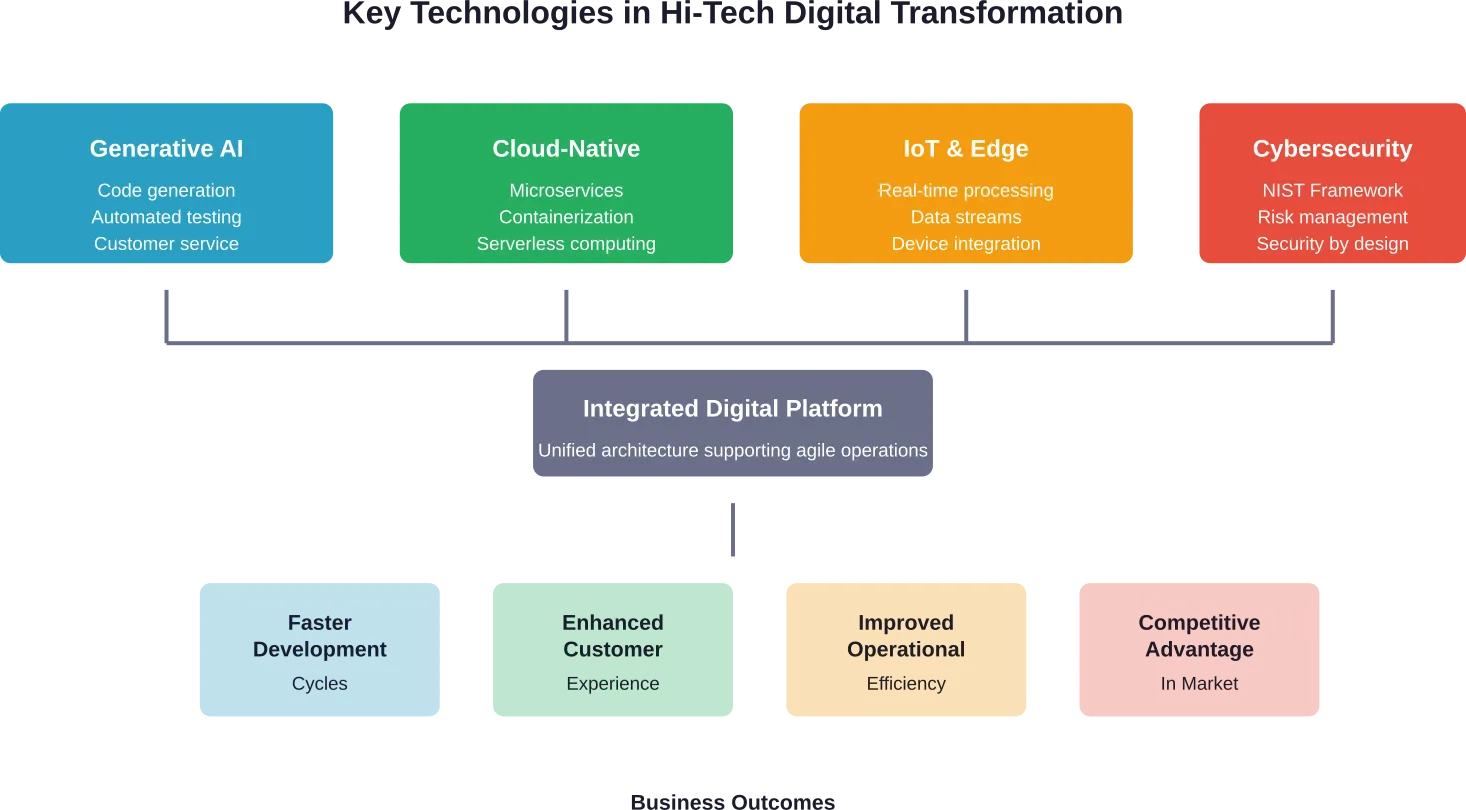
ארבעה תחומים מרכזיים של טרנספורמציה דיגיטלית
הטרנספורמציה הדיגיטלית אינה מתרחשת באופן אחיד. היא נוגעת בתחומים שונים של העסק, כאשר כל אחד מהם מצריך אסטרטגיות וטכנולוגיות ספציפיות.
טרנספורמציה של תהליכים
שינוי תהליכים מתמקד באופן שבו העבודה מתבצעת. עבור חברות הייטק, משמעות הדבר היא אוטומציה של משימות חוזרות, ייעול תהליכי העבודה וחיסול צווארי בקבוק המעכבים את הפיתוח והאספקה.
דוגמאות לכך כוללות צינורות אינטגרציה רציפה ופריסה רציפה, המייעלים את תהליכי הבדיקה וההשקה. או מערכות רכש המשתמשות בבינה מלאכותית כדי לייעל את בחירת הספקים וניהול החוזים. או תהליכי קליטת לקוחות המפחיתים את החיכוך ומאיצים את זמן ההגעה לתועלת.
על פי מחקר של IEEE בנושא ארכיטקטורת ארגונים לצורך טרנספורמציה דיגיטלית, כדי לבצע טרנספורמציה יעילה של תהליכים יש למפות את הארכיטקטורות הקיימות, לזהות את נקודות התורפה ולתכנן מערכות עתידיות התומכות ביעדי הארגון.
שינוי מודל עסקי
חברות הייטק רבות עברו מרישיונות בלתי מוגבלים למודלים מבוססי מנוי, מתוכנה המותקנת באתר לשירותי ענן, וממוצרים לפלטפורמות. לא מדובר רק בשינויים בתמחור — אלא בשינויים מהותיים במודל העסקי.
שינוי זה מחייב יכולות חדשות. עסקים המבוססים על מנויים זקוקים לניתוח נתוני שימוש, לחיזוי נטישת לקוחות ולפעילות בתחום הצלחת הלקוחות – יכולות שלא היו קיימות במכירות תוכנה מסורתיות. עסקים הפועלים כפלטפורמות זקוקים למערכות אקולוגיות של מפתחים, לניהול ממשקי API ולפעילות בתחום השווקים המקוונים.
בואו נדבר בכנות: שינוי מודל עסקי הוא המשימה הקשה ביותר, משום שהוא מערער על הנחות היסוד לגבי האופן שבו נוצר ערך ומופק ממנו.
שינוי דומיין
שינוי תחומי פעילות פירושו כניסה לשווקים חדשים או הגדרה מחודשת של שווקים קיימים. חברת חומרה עשויה להוסיף שירותי תוכנה. חברת תוכנה עשויה לייצר חומרה. חברת מוצרים עשויה להציע שירותי ייעוץ.
עבור חברות הייטק, טרנספורמציה עסקית כרוכה לעתים קרובות בניצול נתונים ובינה מלאכותית כדי ליצור הצעות עסקיות חדשות לחלוטין. חברה המייצרת ציוד תעשייתי עשויה להוסיף שירותי תחזוקה חזויה. חברה המוכרת תוכנות אבטחה עשויה להציע שירותי זיהוי איומים מנוהלים.
שינוי תרבותי וארגוני
הטכנולוגיה לבדה אינה מביאה לשינוי בארגונים. האנשים והתרבות הם שמביאים לשינוי.
שינוי תרבותי כרוך במעבר מקבלת החלטות היררכית לאוטונומיה מבוזרת. ממחזורי תכנון שנתיים להתאמת אסטרטגיה מתמשכת. מהימנעות מסיכונים לגישה של ניסוי וטעייה.
שינוי ארגוני עשוי להתבטא בארגון מחדש סביב צוותי מוצר רב-תחומיים, במקום מחלקות פונקציונליות. או בהקמת מרכזי מצוינות לטכנולוגיות מתפתחות. או ביישום מתודולוגיות אג'יליות בתחומי ההנדסה, המוצר והתפעול.
בדיונים בקהילה עולה שוב ושוב כי ההתנגדות לשינוי היא אחד המכשולים הגדולים ביותר. שינויים טכנולוגיים נכשלים כאשר ארגונים אינם מתייחסים לפן האנושי.
האתגרים המרכזיים העומדים בפני חברות הייטק
הטרנספורמציה הדיגיטלית נשמעת נהדר בתיאוריה. בפועל, חברות הייטק נתקלות במכשולים משמעותיים.
מחסור בעובדים מיומנים
על פי מחקר של KPMG שצוטט בניתוח תוכן של המתחרים, כוח אדם לא מיומן מהווה מכשול משמעותי לאימוץ דיגיטלי, עם משקל של 27% בתהליך זה. קצב השינוי הטכנולוגי גורם לכך שכישורים הופכים למיושנים במהירות.
חברות זקוקות לאדריכלי ענן, מהנדסי נתונים, מומחי בינה מלאכותית, מומחי אבטחת סייבר ומהנדסי DevOps — לעתים קרובות בו-זמנית. התחרות על כוח אדם היא עזה, ושימור העובדים מהווה אתגר כאשר כל חברה מציעה הטבות דומות וגמישות בעבודה מרחוק.
הכשרת הצוות הקיים דורשת זמן ומשאבים. גיוס עובדים מבחוץ הוא יקר. קבלנים מספקים הקלה זמנית, אך אינם תורמים לבניית הידע הארגוני.
מגבלות הון ומשאבים
מאותם נתונים של KPMG עולה כי מחסור בהון/מימון (משקל של 22%) ומחסור במשאבים לטכנולוגיות חדשות (משקל של 21%) מצוטטים כאתגרים מרכזיים במחקרים בתעשייה.
הטרנספורמציה הדיגיטלית מצריכה השקעה — בתשתיות, בכלים, בהכשרה, ולעתים קרובות גם במומחיות חיצונית. עבור חברות סטארט-אפ וחברות בינוניות, עלויות אלה מתחרות עם סדרי העדיפויות של פיתוח מוצרים ומכירות.
אפילו ארגונים גדולים מתמודדים עם אילוצים תקציביים. תחזוקת מערכות ישנות גוזלת משאבים שיכולים היו לממן חדשנות. החוב ה-IT הולך וגדל כאשר דוחים שוב ושוב את תהליך המודרניזציה.
אבטחת מידע ופרטיות
הרחבת טביעת הרגל הדיגיטלית יוצרת שטחי תקיפה נרחבים יותר. חברות הייטק מנהלות נתוני לקוחות רגישים, קניין רוחני ותשתיות קריטיות.
אבטחת מידע מהווה הן אתגר והן עדיפות. על פי מחקרים בענף, שיקולי אבטחת מידע מהווים גורם משמעותי בהחלטות הנוגעות לטרנספורמציה דיגיטלית.
דרישות התאימות מוסיפות מורכבות. תקנות ה-GDPR, ה-CCPA ותקנות ספציפיות לענף מחייבות ניהול נתונים קפדני. פרצות אבטחה פוגעות במוניטין ובאמון הלקוחות באופן שקשה לתקן.
שילוב מערכות מדור קודם
מחקרי ה-NIST עוסקים באופן ספציפי באתגר של תמיכה במעבר לדיגיטל תוך שימוש ברכיבים ישנים. חברות הייטק רבות בנו את התשתית שלהן לאורך עשרות שנים. מערכות אלה עדיין פועלות — אך הן פשוט לא תוכננו להתאים לדפוסי האינטגרציה המודרניים.
החלפה מוחלטת של מערכות ישנות היא מסוכנת ויקרה. המשך תחזוקתן ללא הגבלת זמן מגביל את החדשנות. הדרך האמצעית — מודרניזציה הדרגתית בשילוב זהיר — מחייבת תכנון וביצוע מתוחכמים של הארכיטקטורה.
התנגדות ארגונית
שינוי הוא דבר לא נוח. עובדים שרכשו שליטה בכלים ובתהליכים הקיימים עלולים להתנגד לגישות חדשות. מנהלים בדרג הביניים רואים לעתים בשינוי איום על מומחיותם או על סמכותם.
סיפורי הצלחה של חברות כמו Enel (שהקימה את Open Fiber, ששוויה בשוק הוערך ב-8 מיליארד אירו ב-2019) ו-Zensar Technologies מראים כי תהליך של שינוי מחייב מחויבות מצד ההנהלה, תקשורת ברורה ותמיכה אמיתית מצד הארגון.
| אֶתגָר | ההשפעה על תהליך השינוי | אסטרטגיות למיתון |
|---|---|---|
| מחסור בכוח אדם מיומן (27%) | מעכב את היישום, מגביל את היכולות | תוכניות לפיתוח מיומנויות, גיוס אסטרטגי, שותפויות |
| אילוצים פיננסיים (22%) | מעכב את תהליך האימוץ, מאלץ לקבוע סדרי עדיפויות | השקה הדרגתית, יתרונות כלכליים של הענן, התמקדות בתשואה על ההשקעה |
| משאבים לא מספיקים (21%) | מפזר את הצוותים על פני שטח נרחב, פוגע באיכות | אוטומציה, שירותים מנוהלים, שיפור היעילות |
| פרצות באבטחת המידע | יוצר נקודות תורפה וסיכוני תאימות | מסגרת ה-NIST, אבטחה מובנית, ביקורות |
| חוב מערכות ישנות | מפריע לשילוב, מגביל את הגמישות | מודרניזציה הדרגתית, שכבות API, קונטיינריזציה |
| התנגדות לשינוי | פוגע באימוץ, יוצר חיכוכים | תיאום בין מנהיגים, תקשורת, תמריצים |
ארכיטקטורת ארגונית כבסיס לתהליך השינוי
ארכיטקטורת הארגון מספקת את התוכנית המפורטת לתהליך הטרנספורמציה הדיגיטלית. זו אינה רק תיעוד טכני, אלא תכנון אסטרטגי המיישר קו בין השקעות בטכנולוגיה לבין היעדים העסקיים.
בניית ארכיטקטורת ארגונית מורכבת ויעילה
מחקר של IEEE בנושא מדריכים מעשיים לבניית ארכיטקטורת ארגונים מורכבת ויעילה מדגיש שיטות עבודה מומלצות המבוססות על ניסיון. מערכות מורכבות דורשות תכנון קפדני הלוקח בחשבון את היכולות הנוכחיות, את הצרכים העתידיים ואת מסלולי המעבר.
ארכיטקטורת ארגונית יעילה כוללת מספר שכבות:
- ארכיטקטורת עסקים מגדיר תהליכים, מבנים ארגוניים ויכולות
- ארכיטקטורת נתונים קובע כיצד המידע זורם ונשמר
- ארכיטקטורת יישומים מערכות תוכנה למפות ואינטגרציות
- ארכיטקטורת טכנולוגיה מפרט תשתיות, פלטפורמות ואבטחה
שכבות אלה חייבות להיות מתואמות. החלטות בנוגע ליישומים צריכות לתמוך בתהליכים עסקיים. ארכיטקטורת הנתונים צריכה לאפשר ניתוח נתונים ובינה מלאכותית. התשתית הטכנולוגית צריכה לספק אמינות ויכולת הרחבה.
ארכיטקטורת ארגונית זריזה
ארכיטקטורת הארגון המסורתית פעלה על פי מחזורי תכנון ארוכים. החלטות התכנון נקבעו לשנים רבות. גישה זו אינה מתאימה כאשר תנאי השוק והטכנולוגיות משתנים מדי רבעון.
מחקר של IEEE בנושא ממדי הארכיטקטורה הארגונית הזריזה בוחן כיצד ארגונים יכולים לשמור על עקביות ארכיטקטונית תוך שמירה על גמישות. גישות זריזות מדגישות:
- תכנון איטרטיבי במקום תכנון מקיף מראש
- רכיבים מודולריים שיכולים להתפתח באופן עצמאי
- ממשקים ברורים המבודדים את המערכות מפני שינויים המתרחשים במערכות האחרות
- הערכה והתאמה מתמשכות בהתאם לשינויים בצרכים
ארכיטקטורה זריזה מכירה באי-הוודאות. היא מתכננת לקראת שינויים במקום לנסות לחזות הכל מראש.
פיתוח תוכנית פעולה
על פי מחקר של IEEE בנושא תוכניות עבודה לבניית ארכיטקטורה ארגונית מורכבת, שינוי יעיל מחייב סדר פעולות ברור. לא הכל יכול לקרות בבת אחת.
תוכניות עבודה טובות מזהות תלות בין מרכיבים, נותנות עדיפות ליוזמות בעלות השפעה רבה, ומאזנות בין הישגים מהירים לבין עבודה בסיסית לטווח ארוך. הן יוצרות הבנה משותפת בקרב כל בעלי העניין לגבי מה קורה, מתי ולמה.
תוכניות פעולה צריכות להיות מסמכים דינמיים, המשתנים בהתאם לידע שהארגון צובר לגבי מה שעובד ומה שלא.
דוגמאות לטרנספורמציה דיגיטלית מהעולם האמיתי
עקרונות תיאורטיים חשובים פחות מיישומים קונקרטיים. מספר חברות הייטק עברו בהצלחה תהליכי שינוי משמעותיים.
פיתוח מוצרים הממוקד בחלקים
דוגמה אחת מתוך ניתוח ענפי נוגעת לקידום היעילות באמצעות גישה לפיתוח מוצרים המתמקדת ברכיבים. במקום לנהל מוצרים כישויות מונוליטיות, חברות מארגנות את תהליך הפיתוח סביב רכיבים וחלקים שניתן לעשות בהם שימוש חוזר, לבדוק אותם באופן עצמאי ולפתח אותם בנפרד.
שינוי ארכיטקטוני זה מצמצם כפילויות, משפר את האיכות ומאיץ את תהליך הפיתוח. כאשר יש צורך לעדכן רכיב, השינויים מועברים לכל המוצרים המשתמשים בו, במקום שיהיה צורך לבצע עדכונים ידניים במספר פרויקטים.
התמודדות עם מורכבות גוברת
ככל שמוצרי ההיי-טק הופכים מתוחכמים יותר — מכונות גדולות יותר, יותר חיישנים, יותר שילוב תוכנה — ניהול נתוני המוצר הופך להיות קריטי. חברות אימצו פתרונות אחידים המספקים תצוגה מאוחדת של תצורות, דרישות ותוצאות בדיקה.
תקינה זו מבטלת את חוסר היעילות הנובע משימוש בכלים מנותקים, שבהם מחלקת ההנדסה משתמשת במערכת אחת, מחלקת הייצור במערכת אחרת ומחלקת התמיכה במערכת שלישית. האינטגרציה הופכת לפשוטה יותר כאשר כולם עובדים על בסיס נתונים משותפים.
שינוי יסודי במערכות מחקר ופיתוח מבודדות
מערכות מחקר ופיתוח מבודדות יוצרות מחסומים בין צוותים ומעכבות את החדשנות. חברות הייטק מסוימות ביצעו שינויים מקיפים כדי ליצור סביבות מחקר ופיתוח מחוברות, שבהן הנתונים זורמים בחופשיות, שיתוף הפעולה מתרחש באופן טבעי, והתובנות מועברות בין הקבוצות.
שינויים אלה מאפשרים גמישות. מערכות שפעלו כראוי כשהחברה מנתה 50 מהנדסים, לא מתקלקלות כשהיא גדלה ל-500.
חברות ספין-אוף בתחום התשתיות הדיגיטליות
על פי מחקרי מקרה מבתי ספר למנהל עסקים, חברות כמו Enel הקימו ישויות דיגיטליות נפרדות המתמקדות באופן ספציפי במודלים חדשים של תשתית. Enel הפרידה את Open Fiber כחברה נפרדת המתמקדת בקישוריות דיגיטלית, ששוויה הוערך בסופו של דבר בכ-8 מיליארד אירו.
גישה זו מאפשרת ליוזמות דיגיטליות לפעול בגמישות של סטארט-אפ, תוך ניצול המשאבים והמומחיות של החברה האם.
גישות אסטרטגיות להצלחת תהליך השינוי
תהליך של טרנספורמציה דיגיטלית מוצלחת בתחום ההיי-טק מתנהל על פי דפוסים קבועים. אף על פי שכל ארגון הוא ייחודי, ישנן אסטרטגיות מסוימות שמניבות תוצאות באופן עקבי.
התחילו בתוצאות העסקיות
טכנולוגיה כשלעצמה אינה יוצרת ערך. יוזמות טרנספורמציה צריכות להתחיל ביעדים עסקיים ברורים. אילו בעיות של לקוחות אנו פותרים? אילו הזדמנויות בשוק אנו מנצלים? אילו חוסר יעילות תפעולית אנו מבטלים?
ברגע שמגדירים את התוצאות, הבחירות הטכנולוגיות מתבהרות. המטרה אינה להשתמש בכלים החדישים ביותר, אלא להשיג תוצאות ספציפיות.
לאמץ חשיבה פלטפורמית
ארכיטקטורות פלטפורמה מספקות גמישות ומדרגיות שמערכות מונוליטיות אינן יכולות להתחרות בהן. בניית פלטפורמות פנימיות — לנתונים, לממשקי API ולפריסה — יוצרת יכולות הניתנות לשימוש חוזר, המאיצות יוזמות עתידיות.
חשיבה פלטפורמית חלה גם על המישור החיצוני. חברות הייטק רבות עברו ממכירת מוצרים להפעלת פלטפורמות שבהן גורמים חיצוניים יוצרים ערך מוסף.
ליישם שינוי הדרגתי
שינויים מהפכניים כמעט אף פעם לא מצליחים. היקף השינוי גדול מדי, הסיכון גבוה מדי, והלמידה מתעכבת מדי.
גישות הדרגתיות מספקות ערך באופן רציף. כל שלב מניב תוצאות מדידות, מספק תובנות המשמשות את השלבים הבאים, ושומר על המומנטום הארגוני.
השקיעו במיומנויות ובתרבות
השקעות בטכנולוגיה נידונות לכישלון ללא השקעה מקבילה באנשים. יש להקדיש לתוכניות הכשרה, לאסטרטגיות גיוס וליוזמות תרבותיות תשומת לב שווה לזו המוקדשת לפריסת הטכנולוגיה.
ארגונים שמצליחים לעבור תהליך של שינוי יוצרים סביבות שבהן מעודדים ניסויים, מתייחסים לכישלון כאל הזדמנות ללמידה, ומצפים לשיפור מתמיד.
תנו עדיפות לאבטחה כבר מההתחלה
מסגרת אבטחת הסייבר של NIST מספקת הנחיות מובנות לניהול סיכונים. במקום להתייחס לאבטחה כאל רשימת משימות לתאימות, ארגונים מובילים משלבים את תפיסת האבטחה בארכיטקטורה, בפיתוח ובתפעול.
אבטחה מובנית היא זולה ויעילה יותר מאבטחה שמוסיפים בדיעבד.
לעקוב אחר ההתקדמות באופן רציף
מה שנמדד, ניתן לניהול. יוזמות של טרנספורמציה דיגיטלית זקוקות למדדים ברורים, העוקבים הן אחר אינדיקטורים מקדימים (שיעורי אימוץ, ביצועי המערכת) והן אחר אינדיקטורים מאוחרים (שביעות רצון הלקוחות, השפעה על ההכנסות).
הערכה שוטפת מאפשרת לתקן את המסלול לפני שבעיות קטנות הופכות למכשולים גדולים.
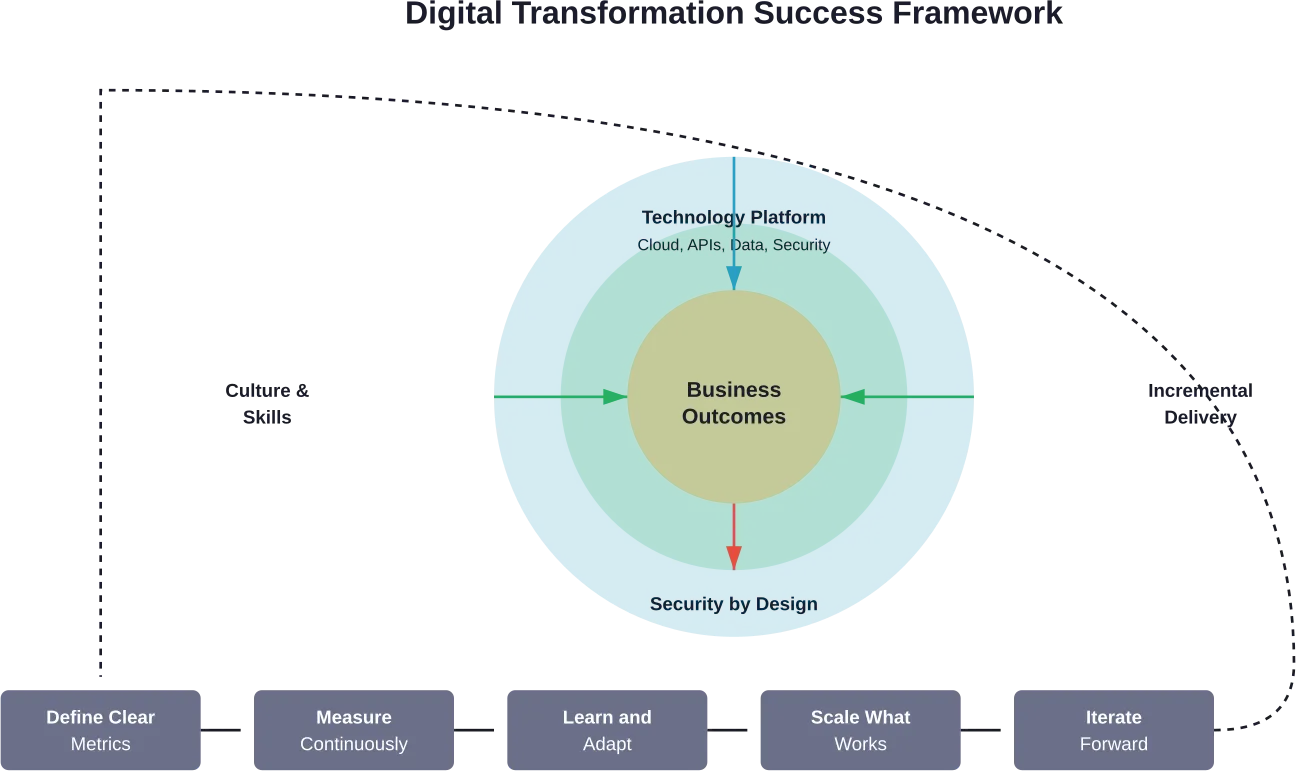
תפקידה של תעשייה 5.0 וייצור מתקדם
מחקר ה-IEEE בנושא טכנולוגיית המידע כבסיס למעבר לחברה דיגיטלית ולתעשייה 5.0 בוחן את השלב הבא באבולוציה התעשייתית.
תעשייה 5.0 שמה דגש על שיתוף פעולה בין אדם למכונה, על קיימות ועל חוסן. עבור חברות הייטק המייצרות ציוד תעשייתי, רובוטיקה או מערכות ייצור, הדבר מהווה הן הזדמנות והן אתגר.
הטרנספורמציה הדיגיטלית מאפשרת את היכולות של תעשייה 5.0 באמצעות:
- מערכות בינה מלאכותית המשפרות את תהליך קבלת ההחלטות האנושי במקום להחליף את העובדים
- חיישני IoT המייעלים את צריכת האנרגיה ואת השימוש במשאבים
- תאומים דיגיטליים המדמים תרחישי ייצור ובודקים שיפורים באופן וירטואלי
- בלוקצ'יין ורישומים מבוזרים היוצרים שרשראות אספקה שקופות
חברות הייטק המפתחות פתרונות לתעשייה 5.0 חייבות לפעול בעצמן על פי עקרונות אלה. קשה לשווק מערכות ייצור בנות-קיימא ועמידות כאשר הפעילות התפעולית אינה יעילה.
מגמות מתהוות המעצבות את מהפכת ההיי-טק בשנת 2026
בשנת 2026 ישנן מספר מגמות בעלות השפעה רבה, המעצבות את האופן שבו חברות הייטק ניגשות לתהליך הטרנספורמציה הדיגיטלית.
שלב ללא תוכנית
כפי שמציין ניתוח של חברת פורסטר, ה-GenAI דחף את תהליך השינוי לשלב שבו אין תוכנית פעולה מוגדרת. עדיין אין מדריכים מוכחים, כמו אלה שהוכיחו את עצמם במעבר לענן או באימוץ מתודולוגיות אג'יליות, לשילוב בינה מלאכותית גנרטיבית.
חברות נדרשות להתנסות ללא רשת הביטחון שמספקים נהלי עבודה מומלצים ומבוססים. הדבר מצריך סובלנות כלפי אי-ודאות, איטרציות מהירות ונכונות לשנות כיוון כאשר הגישות הקיימות אינן עובדות.
סביבות פיתוח משולבות
כלי פיתוח משלבים יותר ויותר סיוע מבוסס בינה מלאכותית, בדיקות אוטומטיות, סריקות אבטחה וניטור ביצועים. סביבות משולבות אלה מאיצות את הפריון, אך מצריכות כישורים ושיטות עבודה חדשים.
האתגר אינו באימוץ כלים בודדים, אלא ביצירת חוויות פיתוח מגובשות שבהן הכלים פועלים יחד בצורה חלקה.
ארכיטקטורות מקצה לענן
אסטרטגיות ענן טהורות מפנות את מקומן לארכיטקטורות "מהקצה לענן", המעבדות נתונים קרוב למקורותיהם כאשר זמן ההשהיה הוא גורם מכריע, ומרכזות את העיבוד כאשר יש חשיבות להיקף ולניתוח נתונים.
גישה היברידית זו מחייבת תיאום מתוחכם וניהול נתונים בסביבות מבוזרות.
דרישות בתחום הקיימות
לקוחות ורגולטורים דורשים יותר ויותר פעילות עסקית בת-קיימא. חברות הייטק נתונות ללחץ לצמצם את צריכת האנרגיה, למזער את כמות הפסולת האלקטרונית וליישם גישות של כלכלה מעגלית בתחום החומרה.
הטרנספורמציה הדיגיטלית מאפשרת קיימות באמצעות הקצאה מיטבית של משאבים, תחזוקה מונעת המאריכה את חיי הציוד וניהול אנרגיה מבוסס נתונים.
אבטחת Zero Trust
אבטחה מסורתית המבוססת על הגנה היקפית אינה יעילה כאשר כוח העבודה פזור, המערכות מבוססות ענן, והשותפים משתלבים ישירות במערכות הליבה.
ארכיטקטורות "אמון אפס" יוצאות מנקודת הנחה כי אף משתמש או מערכת אינם אמינים כברירת מחדל. כל בקשת גישה נבדקת, כל פעולה מאומתת וכל זרימת נתונים מנוטרת.
פיתוח יכולות ארגוניות
הצלחתם או כישלונם של תהליכי הטמעת טכנולוגיה תלויים במידת המוכנות הארגונית. חברות הייטק זקוקות ליכולות ספציפיות כדי לבצע תהליכי שינוי ביעילות.
צוותים רב-תחומיים
מחלקות תפעוליות מבודדות מאטות את תהליך קבלת ההחלטות וגורמות לעיכובים במעבר בין שלבים. צוותי מוצר רב-תחומיים מאחדים את תחומי ההנדסה, העיצוב, ניהול המוצר, התפעול והצלחת הלקוחות.
צוותים אלה אחראים לתוצאות ולא לפעולות. הם יכולים לקבל החלטות במהירות, שכן יש להם את המומחיות והסמכות לעשות זאת.
אוריינות נתונים
כאשר נתונים הם הבסיס לקבלת החלטות, כל אחד צריך להיות בעל אוריינות נתונים בסיסית. מהנדסים צריכים להבין בניתוח נתונים. מנהלי מוצר צריכים להיות בקיאים בביצוע בדיקות A/B. צוותי הצלחת לקוחות צריכים להשתמש בלוחות מחוונים ביעילות.
כישורים מתקדמים בתחום הנתונים — ניתוח סטטיסטי, למידת מכונה, הנדסת נתונים — דורשים מומחים. אך אוריינות נתונים בסיסית צריכה להיות נחלת הכלל.
ניהול שינויים
פרויקטים טכניים נכשלים כאשר ארגונים מזניחים את ניהול השינוי. מעורבות בעלי העניין, תכנון התקשורת, תוכניות ההכשרה ומנגנוני המשוב אינם אופציונליים — הם חיוניים.
ניהול שינויים אינו נועד לשכנע אנשים לקבל החלטות. הוא נועד לערב אותם בעיצוב הפתרונות, כך שירגישו בעלות על התוצאות.
מערכת הספקים והשותפים
אין חברה שבונה הכל באופן פנימי. קשרי ספקים אסטרטגיים ומערכות אקולוגיות של שותפים מרחיבים את היכולות מבלי להידרש לגייס עובדים לכל תפקיד.
שירותים מנוהלים, שותפויות ייעוץ, בריתות טכנולוגיות והסכמי מיקור חוץ מאפשרים לארגונים ליהנות ממומחיות לפי הצורך.
מדידת הצלחתו של תהליך הטרנספורמציה הדיגיטלית
כיצד ארגונים יודעים אם תהליך השינוי מצליח? מדדים מספקים הערכה אובייקטיבית.
מדדים טכניים
המדדים הטכניים מודדים את ביצועי המערכת ואת קצב הפיתוח:
- תדירות הפריסה (באיזו תדירות משוחררות תכונות חדשות)
- זמן ביצוע השינויים (הזמן שבין ביצוע ה-commit ועד העלאה לסביבת הייצור)
- זמן ממוצע עד לפתרון (מהירות הטיפול בתקלות)
- שיעור הכישלונות (אחוז הפריסות שגורמות לבעיות)
- זמן פעילות המערכת ואמינותה
- זמני תגובה ותפוקה של ה-API
מדדים אלה מגלים האם השינויים הטכנולוגיים אכן משפרים את היכולות.
מדדי עסקיים
מדדי עסקיים מקשרים בין תהליכי שינוי לתוצאות ארגוניות:
- צמיחת ההכנסות ונתח השוק
- עלות רכישת לקוח וערך חיים
- משך מחזור פיתוח המוצר
- זמן ההגעה לשוק של מוצרים חדשים
- שביעות רצון הלקוחות ומדד נטו פרומוטר (NPS)
- מעורבות עובדים ושימור עובדים
שיפורים טכניים צריכים להניב תוצאות עסקיות. אם המערכות מהירות יותר אך ההכנסות אינן גדלות, יש כאן בעיה.
אינדיקטורים מובילים לעומת אינדיקטורים מאחרים
מדדים מאוחרים (הכנסות, נתח שוק) משקפים את מה שקרה. מדדים מקדימים (שיעורי אימוץ, מעורבות משתמשים) מנבאים את מה שעתיד לקרות.
מדידה יעילה משלבת בין השניים. מדדים מאוחרים מאשרים את ההשפעה. מדדים מקדימים מספקים התרעה מוקדמת כאשר היוזמות אינן מתקדמות לעבר היעדים.
| קטגוריה מטרי | דוגמאות לאמצעים | מה זה מגלה |
|---|---|---|
| קצב הפיתוח | תדירות הפריסה, זמן ההכנה | באיזו מהירות צוותים יכולים לחדש |
| אמינות המערכת | זמן פעילות, MTTR, שיעורי שגיאה | יציבות הפלטפורמה ועמידותה |
| ההשפעה על הלקוחות | NPS, מדדי שביעות רצון, נטישה | האם השינויים משפרים את חוויית המשתמש |
| ביצועים פיננסיים | צמיחת הכנסות, CAC, LTV | הערך העסקי של הטרנספורמציה |
| יעילות תפעולית | עלות לעסקה, שיעור האוטומציה | יעילות אופטימיזציה של משאבים |
| יכולת חדשנות | הניסויים הושלמו, הגיע הזמן להוציא את המוצר לשוק | קצב הלמידה הארגונית |
מלכודות נפוצות וכיצד להימנע מהן
אפילו ארגונים מנוסים עושים טעויות צפויות.
חשיבה שמציבה את הטכנולוגיה בראש סדר העדיפויות
בחירת טכנולוגיות לפני הגדרת הבעיות מובילה לחיפוש פתרונות שיחפשו להם שימוש. יש להתחיל בצרכים העסקיים, ורק לאחר מכן לבחור את הטכנולוגיות המתאימות.
הערכת חסר של ניהול שינויים
היישום הטכני הוא פשוט יחסית לשינוי ארגוני. יש להקצות זמן ומשאבים באופן יחסי.
התעלמות מחוב טכני
מערכות חדשות צוברות חוב טכני משלהן. יש לשלב תהליכי שיפוץ ומודרניזציה מתמשכים בתהליכי העבודה, ולא להתייחס אליהם כאל פרויקטים חריגים.
מנסים לעשות יותר מדי דברים בבת אחת
שינוי דורש מיקוד. ארגונים המשיקים עשרות יוזמות במקביל מפזרים את המשאבים ואת תשומת הלב. קבעו סדרי עדיפויות ללא פשרות.
תמיכה לא מספקת מצד ההנהלה
מאמצי שינוי המובלים על ידי הדרג הניהולי הבינוני כמעט אף פעם אינם מצליחים בקנה מידה נרחב. תמיכת ההנהלה הבכירה אינה עניין סמלי בלבד — היא בעלת אופי תפעולי. על המנהיגים לתמוך ביוזמות באופן פעיל באמצעות מימון, קביעת סדרי עדיפויות והעברת מסרים תרבותיים.
הזנחת אבטחה ותאימות
בעיות אבטחה ותאימות המתגלות בשלב מאוחר של הפרויקטים כרוכות בעלויות תיקון גבוהות ועלולות לטרפד את ההשקה. יש לשלב שיקולים אלה כבר מההתחלה.
מבט לעתיד: האופי המתמשך של השינוי
והנה האמת המטרידה: הטרנספורמציה הדיגיטלית לעולם לא נגמרת.
הטכנולוגיה מתפתחת ללא הרף. ציפיות הלקוחות הולכות וגדלות. הלחץ התחרותי הולך וגובר. מה שנראה היום כטכנולוגיה חדשנית, יהפוך מחר לסטנדרט בסיסי.
חברות הייטק מצליחות אינן רואות בשינוי תהליך פרויקט בעל תאריך סיום. הן בונות יכולות ארגוניות שמאפשרות התפתחות מתמשכת.
משמעות הדבר היא יצירת תרבויות שבהן מעריכים את הלמידה, מעודדים ניסויים ומצפים להתאמה. משמעות הדבר היא ארכיטקטורות שתוכננו מתוך מחשבה על שינוי ולא על יציבות. משמעות הדבר היא תהליכים שמשתפרים בהדרגה, במקום להמתין לשינויים מהפכניים.
הדוח שפרסמה ה-NSF בדצמבר 2025 בנושא טכנולוגיה, חדשנות ושותפויות מדגיש את הצורך של הסוכנויות להגיב במהירות לסביבות המדע והטכנולוגיה המשתנות בקצב מהיר. עיקרון זה חל על חברות פרטיות לא פחות מאשר על סוכנויות לאומיות.
הטרנספורמציה הדיגיטלית בתחום ההיי-טק אינה עוסקת בהגעה ליעד מסוים. היא עוסקת בבניית יכולות שיאפשרו לנו להתמודד עם כל מה שיבוא בהמשך.
שאלות נפוצות
- מהו טרנספורמציה דיגיטלית בענף ההיי-טק?
הטרנספורמציה הדיגיטלית בתחום ההיי-טק מתייחסת לשילוב טכנולוגיות מתקדמות כגון בינה מלאכותית, מחשוב ענן, האינטרנט של הדברים (IoT) וניתוח נתונים בתהליכי הליבה העסקיים, במטרה להאיץ את קצב החדשנות, לשפר את חוויית הלקוח ולשמור על היתרון התחרותי. בניגוד לענפים אחרים המאמצים טכנולוגיות שפותחו במקומות אחרים, חברות הייטק נדרשות לבנות במקביל פתרונות דיגיטליים ללקוחותיהן ובמקביל לבצע טרנספורמציה בתהליכים הפנימיים שלהן, מה שיוצר משימה כפולה וייחודית.
- כמה זמן נמשך תהליך הטרנספורמציה הדיגיטלית בחברות טכנולוגיה?
הטרנספורמציה הדיגיטלית אינה פרויקט בעל משך קבוע ונקודת סיום ברורה — זהו תהליך מתמשך של התאמה מתמדת. השלבים הראשוניים, המתמקדים ביוזמות ספציפיות (כגון מעבר לענן או אוטומציה של תהליכים), עשויים להימשך 12–24 חודשים, אך על ארגונים לצפות שהטרנספורמציה תהיה מסע שיימשך מספר שנים. וחשוב מכך, חברות מצליחות בונות יכולות להתפתחות מתמדת, במקום להתייחס לטרנספורמציה כאל מאמץ חד-פעמי עם תאריך סיום.
- מהם האתגרים הגדולים ביותר שעומדים בפני חברות הייטק במהלך תהליך הטרנספורמציה הדיגיטלית?
על פי מחקר של KPMG, האתגרים המרכזיים כוללים מחסור בכוח אדם מיומן (27% מהארגונים מציינים זאת), מחסור בהון או במימון (22%), משאבים לא מספיקים לטכנולוגיות חדשות (21%) וחששות בנוגע לאבטחת מידע. מכשולים נוספים כוללים שילוב של מערכות ישנות עם ארכיטקטורות מודרניות, התנגדות ארגונית לשינוי, והיעדר תוכניות מוכחות לטכנולוגיות מתפתחות כמו בינה מלאכותית גנרטיבית, מה שדחף את הטרנספורמציה למה ש-Forrester מכנה “שלב ללא תוכנית”.”
- כיצד משתלבת אבטחת הסייבר באסטרטגיות של טרנספורמציה דיגיטלית?
אבטחת סייבר חייבת להיות משולבת בתהליך הטרנספורמציה הדיגיטלית כבר מהשלב הראשוני, ולא להיתפס כנושא משני. מסגרת אבטחת הסייבר של NIST מספקת הנחיות מובנות לניהול סיכונים בסביבות טכנולוגיות IT ותפעוליות. ככל שהטרנספורמציה הדיגיטלית מרחיבה את שטחי התקיפה באמצעות קישוריות מוגברת ואימוץ הענן, אבטחה מובנית הופכת לחיונית. חברות הייטק חייבות להגן לא רק על המערכות שלהן, אלא גם על הפלטפורמות והכלים שעליהם מסתמכים לקוחותיהן, ובכך להפוך את האבטחה לגורם מבדל תחרותי ולא רק לדרישת תאימות.
- איזה תפקיד ממלאת הארכיטקטורה הארגונית בהצלחת תהליך הטרנספורמציה?
ארכיטקטורת ארגונית מספקת את התוכנית האסטרטגית המתאימה את ההשקעות הטכנולוגיות ליעדים העסקיים. על פי מחקר של IEEE בנושא בניית ארכיטקטורת ארגונים מורכבת ויעילה, הגישות המוצלחות כוללות ארכיטקטורת עסקים (תהליכים ויכולות), ארכיטקטורת נתונים (זרימת מידע), ארכיטקטורת יישומים (מערכות תוכנה) וארכיטקטורת טכנולוגיה (תשתית ואבטחה). ארכיטקטורת ארגונים זריזה (Agile) מדגישה תכנון איטרטיבי, רכיבים מודולריים והתאמה מתמשכת במקום תכנון נוקשה לטווח ארוך, ומאפשרת לארגונים לשמור על עקביות תוך שמירה על גמישות ככל שהטכנולוגיות ותנאי השוק מתפתחים.
- כיצד חברות הייטק יכולות למדוד את הצלחתו של תהליך הטרנספורמציה הדיגיטלית?
מדידת ההצלחה צריכה לשלב מדדים טכניים (תדירות הפריסה, זמן הביצוע של שינויים, זמן הפעילות של המערכת, שיעור כישלונות השינויים) עם מדדים עסקיים (צמיחת הכנסות, עלות רכישת לקוח, זמן ההגעה לשוק, שביעות רצון הלקוחות, מעורבות העובדים). מדדים מקדימים, כגון שיעורי אימוץ ומעורבות המשתמשים, מנבאים תוצאות עתידיות, בעוד שמדדים מאוחרים, כגון הכנסות ונתח שוק, מאשרים את ההשפעה. מדידה יעילה עוקבת באופן רציף אחר שני הממדים, ומאפשרת לארגונים לתקן את מסלול הפעולה לפני שבעיות קטנות הופכות למכשולים משמעותיים.
- מהי השפעתה של בינה מלאכותית גנרטיבית על הטרנספורמציה הדיגיטלית בתחום ההיי-טק?
על פי ניתוח של חברת פורסטר, הבינה המלאכותית הגנרטיבית שינתה באופן מהותי את הטרנספורמציה הדיגיטלית בכך שהובילה אותה ל“שלב ללא תוכנית פעולה מוגדרת”. במשך יותר מעשור, הטרנספורמציה התנהלה על פי תוכניות פעולה מוכחות, עם ארכיטקטורות בוגרות ומאיצי יישום. ה-GenAI משנה את המשוואה הזו – חברות נדרשות כעת להתנסות ביצירת קוד, בדיקות אוטומטיות, יישומים לשירות לקוחות ויצירת תוכן, ללא שיטות עבודה מומלצות מבוססות. הדבר מצריך סובלנות גבוהה יותר לאי-ודאות, איטרציות מהירות ונכונות לשנות כיוון במהירות כאשר הגישות אינן עובדות כמצופה.
מסקנה: פיתוח יכולות טרנספורמציה לטווח הארוך
הטרנספורמציה הדיגיטלית של חברות הייטק בשנת 2026 מחייבת איזון בין מספר סדרי עדיפויות בו-זמנית. על הארגונים לאמץ טכנולוגיות מתפתחות כגון בינה מלאכותית גנרטיבית, ללא תוכניות פעולה מוכחות. עליהם למודרניזציה של מערכות ישנות תוך שמירה על המשכיות תפעולית. עליהם להתמודד עם המחסור בכוח אדם מיומן ובמקביל להאיץ את מחזורי החדשנות.
ההצלחה אינה נובעת מביצוע מושלם של תוכניות מפורטות, אלא מבניית יכולות ארגוניות המאפשרות התאמה מתמדת. משמעות הדבר היא תכנון מערכות שיאפשרו גמישות, טיפוח תרבויות המעודדות ניסויים, השקעה בפיתוח מיומנויות, והתמקדות בלתי פוסקת בתוצאות עבור הלקוח.
חברות ההיי-טק שיצליחו לא יהיו אלה שיסיימו את תהליך הטרנספורמציה הדיגיטלית שלהן. הן יהיו אלה שיבנו את היכולת להתאים את עצמן לשינויים מתמשכים — היכולת לזהות שינויים בשוק, להתנסות בתגובות שונות, להרחיב את מה שעובד ולנטוש את מה שלא.
הטכנולוגיה פותחת אפשרויות. אך האנשים, התהליכים והתרבות הם הקובעים אם אפשרויות אלה יהפכו למציאות. גם הבינה המלאכותית המתוחכמת ביותר, הארכיטקטורה האלגנטית ביותר והפלטפורמות המתקדמות ביותר לא יביאו לשינוי בארגונים שחסרים את הרצון, הכישורים והמבנים הדרושים לכך.
השאלה העומדת בפני מנהיגי ענף ההיי-טק אינה האם לעבור טרנספורמציה דיגיטלית — דינמיקת השוק הופכת זאת להכרח. השאלה היא האם להתייחס אליה כאל פרויקט שיש להשלים או כאל יכולת שיש לפתח. ארגונים הבוחרים באפשרות השנייה בונים יתרון תחרותי בר-קיימא, שהולך ומצטבר עם הזמן.
מוכנים להאיץ את הטרנספורמציה הדיגיטלית בארגונכם? התחילו בהערכת היכולות הקיימות, בזיהוי הזדמנויות בעלות השפעה רבה ובהקמת צוותים רב-תחומיים בעלי סמכות לנסות ולבצע איטרציות. החברות שיפעלו בנחישות היום יקבעו את תמונת התחרות של מחר.


