Kurze Zusammenfassung: Die digitale Transformation von Dienstleistungsunternehmen umfasst die Integration moderner Technologien in alle Aspekte der Dienstleistungserbringung, des Betriebs und der Kundenerfahrung. Sie steigert die Effizienz, die Kundenzufriedenheit und den Wettbewerbsvorteil durch Automatisierung, datengesteuerte Erkenntnisse und digitale Tools. Fast die Hälfte aller digitalen Transformationen zielt darauf ab, ein einzigartig besseres Kundenerlebnis zu bieten und gleichzeitig Herausforderungen wie ineffiziente Terminplanung, Kommunikationsstörungen und Ressourcenbeschränkungen zu bewältigen.
Dienstleistungsunternehmen sind mit einer harten Realität konfrontiert: Ineffiziente Terminplanung, Kommunikationspannen und Berge von Papierkram verschlingen täglich Ressourcen. Angesichts knapper werdender Budgets und knapper werdender Fachkräfte sind diese betrieblichen Herausforderungen nicht nur lästig, sondern existenziell bedrohlich.
Aber hier wird es interessant. Die digitale Transformation bietet Dienstleistungsunternehmen einen Weg in die Zukunft, indem sie die Art und Weise, wie sie arbeiten und ihren Kunden einen Mehrwert bieten, grundlegend umgestaltet.
Was die digitale Transformation für Dienstleistungsunternehmen bedeutet
Die digitale Transformation überbrückt die Kluft zwischen traditioneller Dienstleistungserbringung und modernen Kundenerwartungen. Nach der Definition von Gartner geht es dabei um die Anwendung digitaler Technologien zur Unterstützung der allgemeinen Geschäftsstrategie.
Speziell für Dienstleistungsunternehmen bedeutet dies mehr als nur die Einführung einer neuen Software. Es geht darum, ganze Betriebsmodelle zu überdenken.
Die Digital Government Strategy wurde 2012 vom Federal Chief Information Officer herausgegeben, aber es handelte sich um eine Initiative des Weißen Hauses (Office of Management and Budget) für alle Bundesbehörden und nicht um eine spezielle Anerkennung durch die U.S. Small Business Administration. Dies war nicht nur eine bürokratische Maßnahme der Regierung, sondern signalisierte einen grundlegenden Wandel in der Art und Weise, wie Organisationen die Interaktion mit ihren Kunden angehen müssen.
Die wichtigsten Komponenten
Die Umgestaltung des Dienstleistungsgeschäfts umfasst in der Regel mehrere Schlüsselbereiche. Die technologische Infrastruktur bildet die Grundlage, aber das ist nur der Ausgangspunkt.
Es folgt die Prozessoptimierung, die jahrzehntelang unveränderte Arbeitsabläufe rationalisiert. Dann kommt die Datennutzung - die Umwandlung von Rohdaten in verwertbare Erkenntnisse, die die Entscheidungsfindung vorantreiben.
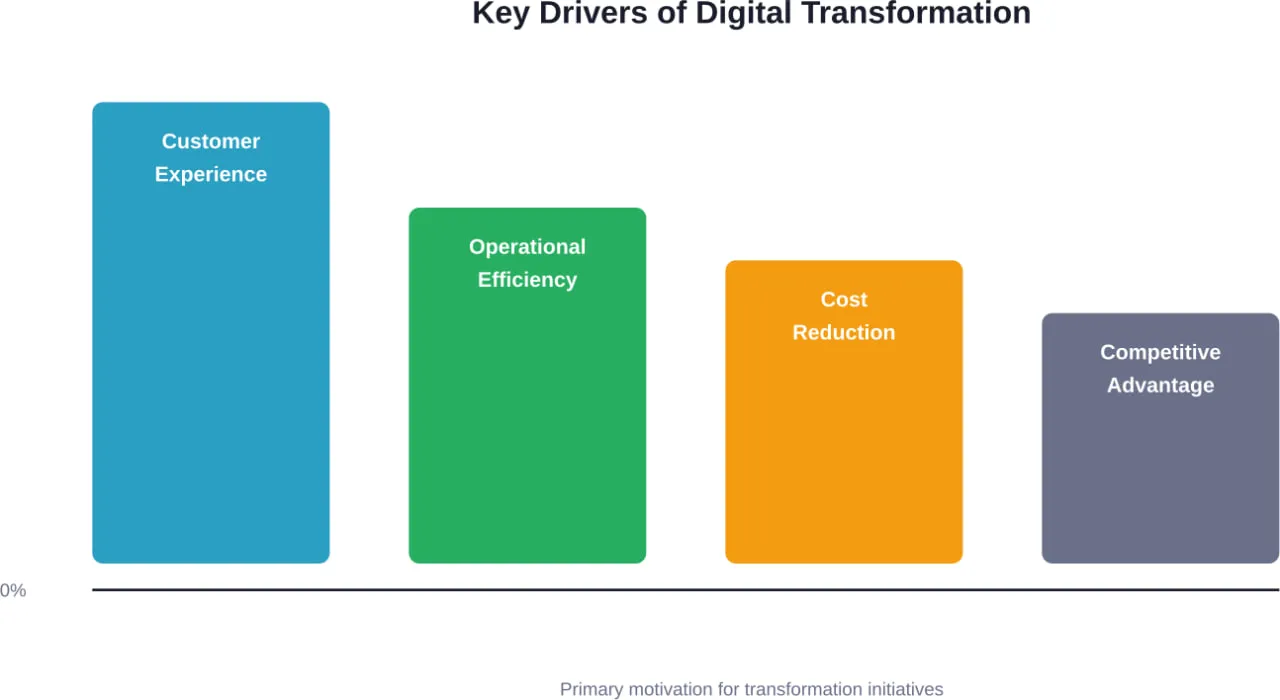
Das Kundenerlebnis steht im Mittelpunkt von allem. Untersuchungen zeigen, dass der entscheidende Faktor für fast die Hälfte aller digitalen Transformationen die Fähigkeit ist, einzigartig bessere Kundenerfahrungen zu bieten.
Skalieren Sie Ihre Serviceplattform mit dedizierten technischen Talenten
Die Umstellung auf ein digitales Servicemodell erfordert zuverlässige Software für die Terminplanung, die Kundenkommunikation und die automatische Rechnungsstellung. Viele Dienstleistungsunternehmen haben mit den hohen Kosten und langen Fristen zu kämpfen, die bei der Einstellung lokaler Entwickler für die Erstellung dieser kundenspezifischen Tools anfallen. A-Listware löst dieses Problem, indem es engagierte Ingenieurteams und IT-Personalverstärkung bereitstellt, so dass Sie professionelle Softwarelösungen ohne den Aufwand einer traditionellen internen IT-Abteilung einsetzen können.
- Geprüfte Entwickler: Zugang zu Spezialisten für die Entwicklung mobiler Anwendungen, Cloud-Infrastruktur und Datensicherheit.
- Kosteneffizienz: Senkung der Ausgaben für Personalbeschaffung, Büroräume und Sozialleistungen für Mitarbeiter.
- Schneller Einsatz: Skalieren Sie Ihre technischen Kapazitäten schnell, um neue Projektanforderungen oder saisonale Spitzen zu bewältigen.
- Direkte Integration: Engagierte Teams arbeiten als nahtlose Erweiterung Ihres Unternehmens an der Modernisierung von Altsystemen.
Beginnen Sie Ihre digitale Transformation mit A-Listware.
Warum sich Dienstleistungsunternehmen jetzt wandeln müssen
Bei dem Druck zur Digitalisierung geht es nicht nur darum, mit den Trends Schritt zu halten. Echte betriebliche Herausforderungen erfordern sofortige Aufmerksamkeit.
Teams im Außendienstmanagement haben täglich mit Planungsalpträumen zu kämpfen. Kommunikationslücken führen zu verpassten Terminen und frustrierten Kunden. Papierbasierte Systeme verursachen Verzögerungen und Fehler, die sich auf das gesamte Unternehmen auswirken.
Angesichts knapper werdender Budgets und eines sich verschärfenden Fachkräftemangels können es sich Unternehmen nicht leisten, Ressourcen für ineffiziente Prozesse zu verschwenden. Die digitale Transformation geht diese Probleme direkt an.
Die finanzielle Realität
Unternehmen können die erforderlichen Investitionen nicht ignorieren. Eine Studie von Forbes und McKinsey ergab, dass $900 Milliarden für Initiativen zur digitalen Transformation verschwendet wurden, wobei 70% der Projekte scheiterten.
Das ist eine ernüchternde Statistik. Aber das bedeutet nicht, dass eine Umgestaltung vermieden werden sollte, sondern dass sie strategisch durchgeführt werden muss.
Neuere Untersuchungen zu den Kosten der KI-Implementierung zeigen, dass die Entwicklung zu einem KI-fähigen Unternehmen ein langfristiges Engagement erfordert. Die Investitionen in Technologie, Datenintegration und Talente summieren sich schnell.
Eine Studie der Harvard Business School vom 25. November 2025 unterstreicht, dass KI zwar den Erkenntnisgewinn beschleunigen und die Effizienz steigern kann, die Erzielung dieser Vorteile jedoch erhebliche Vorabinvestitionen erfordert.
Wesentliche Fähigkeiten für die Transformation des Servicegeschäfts
Der Außendienst ist einer der am stärksten transformationsbereiten Bereiche in Dienstleistungsunternehmen. Sieben Kernkompetenzen treiben die erfolgreiche Digitalisierung in diesem Bereich voran.
Intelligente Planung und Disposition
Die manuelle Einsatzplanung vergeudet jede Woche Stunden. Digitale Plattformen optimieren die Zuweisung von Technikern auf der Grundlage von Fähigkeiten, Standort, Verfügbarkeit und Auftragsanforderungen automatisch.
Allein diese Fähigkeit verändert die betriebliche Effizienz. Die Techniker verbringen mehr Zeit damit, die Kunden zu bedienen, und weniger Zeit damit, zu fahren oder auf einen klaren Auftrag zu warten.
Mobile Arbeitskräfte aktivieren
Techniker müssen auch im Außendienst auf Informationen zugreifen können. Mobile Anwendungen bieten Echtzeit-Zugriff auf Kundenhistorie, Servicedokumentation und Anleitungen zur Fehlerbehebung.
Die Kommunikation verläuft bidirektional. Außendienstmitarbeiter aktualisieren den Auftragsstatus sofort, während Büroteams den Fortschritt überwachen und auf veränderte Umstände reagieren.
Daten und Analysen in Echtzeit
Daten werden erst dann wirklich wertvoll, wenn sie als Entscheidungsgrundlage dienen. Service-Management-Plattformen sammeln Informationen aus jeder Kundeninteraktion, jedem Auftragsabschluss und jeder Systemtransaktion.
Analysen verwandeln diese Daten in Erkenntnisse über Leistungstrends, Muster der Kundenzufriedenheit und betriebliche Engpässe. Unternehmen können Probleme erkennen, bevor sie eskalieren.
Kunden-Selbstbedienungsportale
Kunden erwarten Bequemlichkeit. Über Selbstbedienungsportale können sie Termine vereinbaren, die Ankunft von Technikern verfolgen, auf die Servicehistorie zugreifen und Rückmeldungen übermitteln, ohne anrufen oder E-Mails schreiben zu müssen.
Dies verringert den Verwaltungsaufwand und erhöht gleichzeitig die Kundenzufriedenheit. Die Menschen schätzen die Kontrolle über ihre Serviceerfahrung.
| Digitales Leistungsvermögen | Hauptnutzen | Komplexität der Implementierung |
|---|---|---|
| Intelligente Terminplanung | Verkürzt die Reisezeit 30-40% | Mittel |
| Tools für mobile Arbeitskräfte | Eliminiert Verzögerungen beim Papierkram | Niedrig bis mittel |
| Echtzeit-Analytik | Verbessert die Entscheidungsgeschwindigkeit | Hoch |
| Selbstbedienungsportale | Verringert das Anrufvolumen 25-35% | Mittel |
| IoT-Integration | Ermöglicht vorausschauende Wartung | Hoch |
| Automatisierung des Zahlungsverkehrs | Beschleunigt den Cashflow | Niedrig |
| Wissensmanagement | Reduziert die Auflösungszeit | Mittel |
Integration in bestehende Systeme
Digitale Werkzeuge können nicht isoliert existieren. Die Integration mit Unternehmensressourcenplanungssystemen, Plattformen für das Kundenbeziehungsmanagement und Buchhaltungssoftware gewährleistet die Datenkonsistenz.
Das National Institute of Standards and Technology veröffentlichte am 20. Juli 2021 einen Leitfaden zur Unterstützung der digitalen Transformation mit Legacy-Komponenten. Unternehmen müssen bestehende Investitionen nicht aufgeben - sie müssen sie strategisch miteinander verbinden.
Professionelle Dienstleistungen stehen vor einzigartigen Transformationsherausforderungen
Professionelle Dienstleistungsunternehmen - Beratungsfirmen, Anwaltskanzleien, Buchhaltungsbüros und ähnliche Unternehmen - stehen unter einem anderen Druck als Außendienstmitarbeiter.
Die Verlagerung zur Telearbeit während der Pandemie beschleunigte den Wandel. Unternehmen, die sich gegen digitale Kollaborationstools gesträubt hatten, hatten plötzlich keine Wahl mehr.
Service-Modelle im Abonnement-Stil
Die traditionelle projektbezogene Abrechnung weicht Abonnementmodellen. Die Kunden bevorzugen vorhersehbare Kosten und dauerhafte Beziehungen gegenüber einmaligen Aufträgen.
Dieser Wandel erfordert neue operative Fähigkeiten. Die Leistungserbringung muss so standardisiert sein, dass sie skalierbar ist und gleichzeitig flexibel genug, um auf die individuellen Bedürfnisse der Kunden einzugehen.
Zentralisierte Talentpools
Geografische Beschränkungen schränkten früher ein, wer an welchen Projekten arbeiten konnte. Mit den Tools für die digitale Zusammenarbeit entfallen diese Grenzen.
Unternehmen können nun zentralisierte Talentpools aufbauen und die am besten qualifizierten Fachkräfte unabhängig vom Standort auf die Kundenbedürfnisse abstimmen. Dies verbessert die Servicequalität und optimiert gleichzeitig die Ressourcennutzung.
Automatisierung von Routinearbeiten
Ein Großteil der Arbeit im Bereich der professionellen Dienstleistungen besteht aus sich wiederholenden Aufgaben. Dokumentenerstellung, Datenanalyse, Forschung und Berichterstattung folgen oft vorhersehbaren Mustern.
Die Automatisierung erledigt diese Aufgaben effizienter. Fachkräfte konzentrieren sich auf hochwertige Tätigkeiten wie Strategie, Beziehungsmanagement und komplexe Problemlösungen.
Das Service Management Framework für die Transformation
Das IT-Service-Management bietet einen bewährten Rahmen für die Umgestaltung. Die Norm ISO/IEC 20000-1 bietet Leitlinien, die über die IT-Abteilungen hinausgehen.
Orange Business Services, Teil der Orange-Gruppe mit 260 Millionen Kunden in 28 Ländern und einem Jahresumsatz von 41 Milliarden Euro, nutzt diesen Standard, um Unternehmen dabei zu helfen, Daten in Geschäftswerte zu verwandeln.
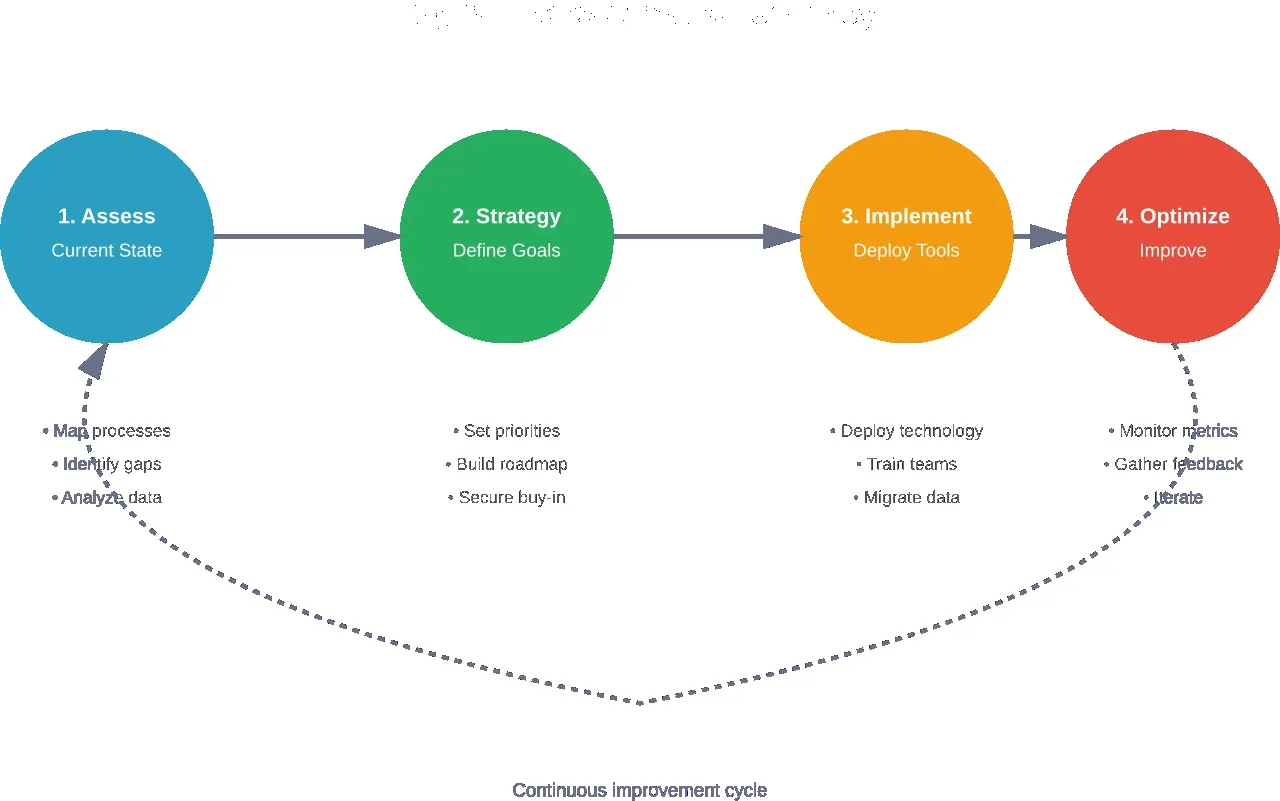
Die Grundsätze des Dienstleistungsmanagements gelten für jedes Dienstleistungsunternehmen. Definieren Sie Dienstleistungen klar. Legen Sie Service Level Agreements fest. Messen Sie konsequent die Leistung. Kontinuierliche Verbesserung auf der Grundlage von Daten.
Kritische Erfolgsfaktoren für die Umsetzung
Projekte zur digitalen Transformation scheitern häufiger, als dass sie erfolgreich sind. Wenn Sie verstehen, warum das so ist, können Sie häufige Fallstricke vermeiden.
Engagement für die Führung
Die Transformation erfordert die Unterstützung durch die Geschäftsleitung. Technologieinvestitionen bedeuten nichts, wenn sich die Organisation nicht zum Wandel verpflichtet.
Führungskräfte müssen ihre Vision klar vermitteln. Sie müssen Ressourcen zuweisen, Hindernisse aus dem Weg räumen und die Teams für den Fortschritt verantwortlich machen.
Schwerpunkt Änderungsmanagement
Die Technologie ist der einfache Teil. Menschen machen den Wandel schwer.
Mitarbeiter widersetzen sich dem Wandel, wenn sie ihn nicht verstehen oder befürchten, dass er ihre Rolle bedroht. Ein effektives Veränderungsmanagement begegnet diesen Bedenken proaktiv durch Kommunikation, Schulung und Einbeziehung in den Veränderungsprozess.
Mit Geschäftsergebnissen beginnen
Zu viele Unternehmen entscheiden sich zuerst für eine Technologie und erst danach für eine Anwendung. Dieser rückwärtsgewandte Ansatz führt zu teuren Tools, die keine echten Probleme lösen.
Definieren Sie zunächst die gewünschten Geschäftsergebnisse. Was muss verbessert werden? Kundenzufriedenheit? Betriebliche Effizienz? Umsatzsteigerung? Kostensenkung?
Ermitteln Sie dann die Technologie, die diese spezifischen Ergebnisse fördert.
Messen, worauf es ankommt
Eine Studie von Berkeley Executive Education vom 17. September 2025 stellt die herkömmliche Weisheit über die Messung des Erfolgs einer Transformation in Frage. Die Kapitalrendite könnte die völlig falsche Messgröße sein.
Die Forschung schlägt Return on Efficiency als Alternative vor. Zeiteinsparungen und Produktivitätsgewinne sind in vielen Dienstleistungskontexten wichtiger als reine Umsatzsteigerungen.
Wenn Marketingteams die Zeit für die Erstellung von Inhalten von Stunden auf Minuten reduzieren oder Rechtsteams die Vertragsprüfung beschleunigen, schaffen diese Effizienzgewinne einen Mehrwert, selbst wenn der Umsatz konstant bleibt.
Häufige Fallstricke und wie man sie vermeidet
Das Verständnis von Fehlermustern hilft Unternehmen, den Wandel erfolgreicher zu bewältigen.
Die Komplexität der Implementierung wird unterschätzt
Unternehmen erwarten oft, dass der Wandel schneller und einfacher vonstatten geht, als es die Realität zulässt. Die Systeme lassen sich nicht nahtlos integrieren. Bei der Datenmigration werden Qualitätsprobleme aufgedeckt. Die Benutzer benötigen mehr Schulungen als erwartet.
Erstellen Sie realistische Zeitpläne mit Puffer für unvermeidliche Komplikationen. Planen Sie für das Unerwartete.
Vernachlässigung der Cybersicherheit
Die digitale Transformation vergrößert die Angriffsfläche für Cyber-Bedrohungen. Mehr vernetzte Systeme bedeuten mehr potenzielle Schwachstellen.
Das National Institute of Standards and Technology unterhält ein umfassendes Cybersecurity Framework, das Unternehmen beim Risikomanagement während des digitalen Wandels unterstützen soll. Cybersicherheit kann kein nachträglicher Gedanke sein - sie muss von Anfang an in die Transformation integriert werden.
Das menschliche Element ignorieren
Der Branchenexperte Sami Kallio merkte an, dass bei der digitalen Transformation die Menschen und ihre Erwartungen im Mittelpunkt stehen müssen, nicht die Technologie selbst.
Unternehmen, die sich ausschließlich auf die technische Umsetzung konzentrieren, gehen am Thema vorbei. Dienstleistungsunternehmen sind dazu da, Menschen zu bedienen - sowohl Kunden als auch Mitarbeiter. Technologie sollte diese menschlichen Beziehungen verbessern, nicht ersetzen.
| Häufiger Fallstrick | Warnschilder | Strategie der Prävention |
|---|---|---|
| Unzureichende Beteiligung der Führungskräfte | Inkonsistente Finanzierung, widersprüchliche Prioritäten | Sicheres Engagement vor dem Start |
| Unzureichende Ausbildung | Geringe Akzeptanzraten, Umgehungslösungen | Investitionen in umfassende Schulungsprogramme |
| Technologie als erster Ansatz | Werkzeuge, die Probleme zu lösen suchen | Zuerst die Geschäftsergebnisse definieren |
| Schwaches Änderungsmanagement | Widerstand, Beschwerden, Umsatz | Frühzeitig und häufig kommunizieren |
| Ignorieren der Datenqualität | Unzuverlässige Berichte, doppelte Datensätze | Daten vor der Migration bereinigen |
| Zu viel versuchen | Projektverzögerungen, schleichender Umfang | Strategische Phasen der Umsetzung |
Praktische Schritte zum Beginn der Transformation
Wo sollten Dienstleistungsunternehmen anfangen? Die Reise scheint überwältigend, wenn man sie als Ganzes betrachtet.
Teilen Sie es in überschaubare Phasen ein.
Phase eins: Bewertung und Planung
Dokumentieren Sie die aktuellen Prozesse gründlich. Wo gibt es Engpässe? Welche Aufgaben nehmen die meiste Zeit in Anspruch? Welche Kundenbeschwerden wiederholen sich am häufigsten?
Sprechen Sie mit den Mitarbeitern an der Front. Sie kennen die betrieblichen Gegebenheiten besser, als es den Führungskräften oft bewusst ist.
Analysieren Sie vorhandene Daten. Selbst Unternehmen ohne ausgefeilte Analysen verfügen in der Regel über nützliche Informationen, die in Tabellenkalkulationen, Datenbanken und Transaktionsprotokollen vergraben sind.
Phase zwei: Quick Wins
Ermitteln Sie Verbesserungen mit großer Wirkung und geringer Komplexität. Diese Quick Wins schaffen Dynamik und demonstrieren den Wert.
Vielleicht ist das die Automatisierung von Terminbestätigungen. Vielleicht ist es die Einführung eines mobilen Zugriffs auf Arbeitsaufträge. Oder die Digitalisierung von Papierformularen, die Techniker derzeit von Hand ausfüllen.
Schnelle Erfolge bestätigen das Konzept und schaffen Begeisterung für größere Veränderungen.
Dritte Phase: Implementierung der Kernplattform
Nachdem Sie den Wert von Quick Wins unter Beweis gestellt haben, sollten Sie umfangreichere Plattforminvestitionen in Angriff nehmen. Dies könnte die Implementierung eines umfassenden Außendienstmanagementsystems oder die Einführung einer integrierten Service-Management-Plattform bedeuten.
Diese größeren Projekte erfordern eine sorgfältige Planung, eine schrittweise Einführung und ein intensives Änderungsmanagement.
Vierte Phase: Fortgeschrittene Fähigkeiten
Sobald die Kernplattformen stabil sind, können Unternehmen erweiterte Funktionen hinzufügen. Vorausschauende Analytik. Künstliche Intelligenz zur Optimierung der Zeitplanung. Integration des Internets der Dinge für proaktive Wartung.
Fortgeschrittene Fähigkeiten bieten einen erheblichen Mehrwert, erfordern aber eine ausgereifte operative Grundlage.
Messung des Transformationserfolgs
Wie können Unternehmen feststellen, ob die Umstrukturierungsbemühungen erfolgreich sind? Mehrere Metriken sind wichtig.
Kundenorientierte Metriken
Die Werte für die Kundenzufriedenheit sollten sich verbessern. Net Promoter Scores geben an, ob Kunden Dienstleistungen weiterempfehlen würden. Die Lösungsquoten bei der ersten Kontaktaufnahme zeigen, ob Probleme effizient gelöst werden.
Diese Kennzahlen messen direkt, ob die Transformation das Kundenerlebnis verbessert - das Hauptziel von fast der Hälfte aller Transformationsinitiativen.
Indikatoren für die betriebliche Effizienz
Die Zeit bis zum Abschluss von Serviceeinsätzen sollte sich verringern. Die Auslastung der Techniker sollte steigen. Der Verwaltungsaufwand sollte sinken.
Diese Effizienzgewinne schlagen sich unmittelbar in Kosteneinsparungen und Wachstumskapazitäten nieder.
Finanzielle Leistung
Der Umsatz pro Mitarbeiter zeigt Produktivitätsverbesserungen an. Gewinnspannen zeigen, ob Effizienzsteigerungen unter dem Strich ankommen. Cashflow-Kennzahlen zeigen, ob Prozessverbesserungen den Zahlungseingang beschleunigen.
Aber denken Sie an die Einsicht von Berkeley: Traditionelle ROI-Messungen können wichtige Wertschöpfungen übersehen.
Die Regierungsperspektive auf die Digitalisierung von Kleinunternehmen
Die U.S. Small Business Administration hat den digitalen Wandel nicht nur gefördert, sondern ihn aktiv unterstützt.
Im Januar 2022 hat die SBA gemeinsam mit Business Forward die Small Business Digital Alliance ins Leben gerufen. Diese öffentlich-private Zusammenarbeit hilft kleinen Unternehmen, ihre Online- und Social-Media-Strategien zu beschleunigen, um den elektronischen Handel voranzutreiben und Kunden besser anzusprechen.
Im Juli 2024 kündigte Administratorin Isabel Casillas Guzman die Umgestaltung der Kundenerfahrung bei Zertifizierungen für Bundesaufträge an. Die Plattform MySBA Certifications bietet Kleinunternehmern ein verbessertes digitales Erlebnis für die Beantragung und Verwaltung von Zertifizierungen für Programme wie "Women-Owned Small Business", "Veteran-Owned Small Business" und ähnliche Bezeichnungen.
Diese Regierungsinitiativen erkennen an, dass kleine Dienstleistungsunternehmen Unterstützung bei der digitalen Transformation benötigen. Die Ressourcen sind vorhanden - die Unternehmen müssen sie nur nutzen.
Blick in die Zukunft
Die digitale Transformation ist kein Ziel. Sie ist eine kontinuierliche Reise der Anpassung und Verbesserung.
Während sich die Welt weiter von der globalen Pandemie erholt, haben 80% der Unternehmen ihre Initiativen zur digitalen Transformation beschleunigt. Dieser Wandel ist von Dauer.
Dienstleistungsunternehmen, die sich dem Wandel widersetzen, riskieren, dass sie überflüssig werden. Konkurrenten werden bessere Erlebnisse bieten, effizienter arbeiten und sich schneller an die sich ändernden Kundenerwartungen anpassen.
Für die Umgestaltung ist jedoch keine Perfektion erforderlich. Sie erfordert das Engagement für kontinuierliche Verbesserungen, die Bereitschaft zu Experimenten und die Konzentration auf die Schaffung von Mehrwert für Kunden und Mitarbeiter gleichermaßen.
Beginnen Sie dort, wo es für Ihr Unternehmen sinnvoll ist. Bauen Sie auf Erfolgen auf. Lernen Sie aus Misserfolgen. Schreiten Sie weiter voran.
Häufig gestellte Fragen
- Was bedeutet digitale Transformation für Dienstleistungsunternehmen?
Die digitale Transformation umfasst die Integration moderner Technologien in alle Aspekte eines Dienstleistungsunternehmens, wodurch sich die Arbeitsweise und die Wertschöpfung des Unternehmens grundlegend ändern. Sie umfasst Prozessautomatisierung, Datenanalyse, mobile Funktionen und kundenorientierte digitale Tools, die die Effizienz und die Erfahrung verbessern.
- Wie viel kostet die digitale Transformation für ein Dienstleistungsunternehmen?
Die Kosten variieren je nach Unternehmensgröße, vorhandener technologischer Infrastruktur und Umfang der Umstellung erheblich. Kleine Implementierungen können mehrere zehntausend Euro kosten, während unternehmensweite Umstellungen Millionenbeträge erfordern können. Konzentrieren Sie sich auf schrittweise Ansätze, die vor größeren Plattforminvestitionen schnelle Erfolge liefern, um die Kosten zu kontrollieren und den Wert schrittweise zu demonstrieren.
- Warum scheitern so viele Projekte zur digitalen Transformation?
Untersuchungen zeigen, dass 70% der digitalen Transformationsprojekte scheitern, oft aufgrund von unzureichendem Change Management, unzureichendem Sponsoring durch die Geschäftsleitung, technologieorientierten Ansätzen, die die Geschäftsergebnisse ignorieren, unterschätzter Komplexität und unzureichender Berücksichtigung von Menschen und Kultur. Für den Erfolg müssen Technologie, Prozesse und menschliche Elemente gleichermaßen berücksichtigt werden.
- Wie lange dauert die digitale Transformation?
Die Umgestaltung ist ein fortlaufender Prozess und kein abgeschlossenes Projekt. Anfängliche Quick Wins können Wochen oder Monate dauern, die Implementierung einer Kernplattform benötigt in der Regel 6 bis 18 Monate, und die volle Reife dauert Jahre. Unternehmen sollten eher in Kategorien der kontinuierlichen Verbesserung als der Fertigstellung denken.
- Welche Metriken sollten Dienstleistungsunternehmen während der Transformation verfolgen?
Verfolgen Sie die Kundenzufriedenheit, die Lösungsraten bei der ersten Kontaktaufnahme, die Auslastung der Techniker, die Zeit bis zum Abschluss von Serviceeinsätzen, den Verwaltungsaufwand, den Umsatz pro Mitarbeiter und die Cashflow-Kennzahlen. Berücksichtigen Sie neben dem traditionellen ROI auch den Return on Efficiency, indem Sie Zeiteinsparungen und Produktivitätsgewinne messen, die sich möglicherweise nicht sofort in Umsatzsteigerungen niederschlagen.
- Müssen Dienstleistungsunternehmen alle bestehenden Systeme ersetzen?
Nicht unbedingt. Das National Institute of Standards and Technology bietet einen Leitfaden zur Unterstützung der digitalen Transformation mit älteren Komponenten. Integration ist oft sinnvoller als ein kompletter Austausch. Moderne Plattformen können bestehende Systeme miteinander verbinden, so dass frühere Investitionen erhalten bleiben und gleichzeitig neue Funktionen hinzugefügt werden.
- Wie können sich kleine Dienstleistungsunternehmen die digitale Transformation leisten?
Kleine Unternehmen sollten mit erschwinglichen Quick Wins beginnen, die ihren Wert demonstrieren, bevor sie größere Investitionen tätigen. Die U.S. Small Business Administration bietet Ressourcen über die Small Business Digital Alliance. Cloud-basierte Plattformen reduzieren die Vorlaufkosten durch Abonnementmodelle. Konzentrieren Sie sich auf die Lösung spezifischer Probleme, anstatt sofort eine umfassende Umstellung zu versuchen.
Maßnahmen zur digitalen Transformation
Dienstleistungsunternehmen können es sich nicht leisten, die digitale Transformation zu verzögern. Die Kundenerwartungen steigen weiter. Der Wettbewerbsdruck nimmt zu. Operative Ineffizienzen nehmen zu.
Aber eine erfolgreiche Umgestaltung geschieht nicht zufällig. Er erfordert eine Strategie, Engagement und disziplinierte Ausführung.
Beginnen Sie mit einer ehrlichen Bewertung der aktuellen Fähigkeiten. Ermitteln Sie die größten Probleme, die das Wachstum einschränken oder die Kunden frustrieren. Definieren Sie klare Geschäftsergebnisse, die für Ihr Unternehmen am wichtigsten sind.
Dann werden Sie aktiv. Bauen Sie eine Dynamik mit schnellen Erfolgen auf. Investieren Sie in Kernplattformen, die vorrangige Bedürfnisse erfüllen. Messen Sie die Ergebnisse rigoros und passen Sie sie anhand der Daten an.
Die Unternehmen, die in den kommenden Jahren erfolgreich sein werden, sind diejenigen, die sich dem Wandel stellen, kontinuierlich lernen und sowohl Kunden als auch Mitarbeiter in den Mittelpunkt der Transformationsbemühungen stellen.
Bei der digitalen Transformation geht es nicht um Technologie. Es geht um den Aufbau von Dienstleistungsunternehmen, die in der Lage sind, in einer zunehmend digitalen Welt einen außergewöhnlichen Wert zu schaffen.


