Kurze Zusammenfassung: Die digitale Transformation für NROs beinhaltet den strategischen Einsatz von Technologie zur Rationalisierung von Abläufen, zur Verbesserung des Engagements von Spendern und zur Maximierung der Wirkung von Missionen. Der Weg dorthin erfordert die Konzentration auf drei Kernelemente - Menschen, Prozesse und Plattformen - und die Bewältigung von Herausforderungen wie begrenzten Budgets und technischem Fachwissen. Eine erfolgreiche digitale Transformation kann die Betriebskosten um 40% senken und die Wartezeiten um 87% verkürzen, sodass gemeinnützige Organisationen mit weniger Ressourcen mehr Menschen helfen können.
Gemeinnützige Organisationen und Nichtregierungsorganisationen stehen zunehmend unter Druck, mit weniger Mitteln mehr zu erreichen. Die Erwartungen der Spender steigen, die Begünstigten brauchen schnellere Unterstützung, und die Komplexität der Abläufe nimmt zu. Technologie ist nicht mehr optional - sie ist überlebenswichtig.
Aber hier ist der Punkt: Bei der digitalen Transformation geht es nicht darum, die neueste Software zu kaufen oder alles in die Cloud zu verlagern. Es geht darum, die Art und Weise, wie eine Organisation arbeitet, wie sie ihrer Gemeinschaft dient und wie sie ihren Auftrag erfüllt, durch den Einsatz strategischer Technologien grundlegend zu überdenken.
Viele NROs wissen nicht, wo sie anfangen sollen. Die gute Nachricht? Organisationen, die dies richtig angehen, erzielen bemerkenswerte Ergebnisse.
Was die digitale Transformation für NGOs tatsächlich bedeutet
Die digitale Transformation ist ein Prozess, bei dem die Abläufe mithilfe von Technologie einfacher und effektiver gestaltet werden. Für gemeinnützige Organisationen geht dies weit über die Digitalisierung von Papierkram oder die Einrichtung einer Website hinaus.
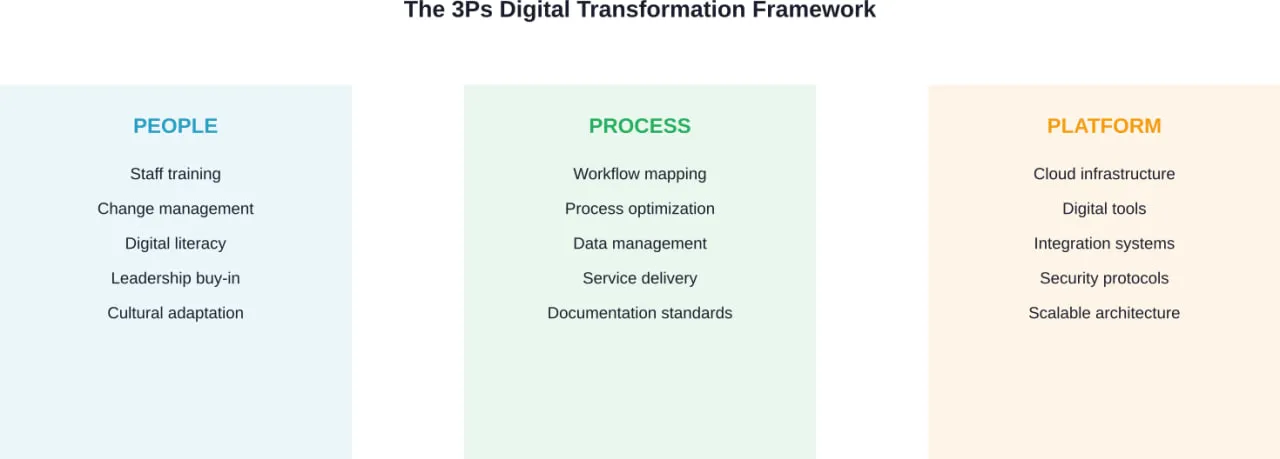
Der Transformationsprozess besteht aus drei Elementen, den so genannten 3Ps: Menschen, Prozesse sowie Plattformen und Technologien. Jede Komponente spielt eine wesentliche Rolle, und die Vernachlässigung eines dieser Elemente untergräbt die gesamten Bemühungen.
Die Menschen sind das Fundament. Die Mitarbeiter müssen geschult, unterstützt und eingebunden werden. Ohne das menschliche Element bleibt selbst die beste Technologie ungenutzt.
Als nächstes kommt die Prozessoptimierung. Bevor neue Tools implementiert werden, müssen Unternehmen ihre aktuellen Arbeitsabläufe überprüfen. Die Automatisierung eines fehlerhaften Prozesses führt nur noch schneller zu digitalem Chaos.
Die Auswahl der Plattform und der Technologie ist wichtig, aber sie ist das letzte Glied, nicht der Ausgangspunkt. Die richtige Technologie unterstützt die Mitarbeiter und Prozesse, die bereits vorhanden sind.
Modernisieren Sie Ihre NGO-Aktivitäten mit spezialisierten technischen Teams
Die Implementierung digitaler Tools für die Spenderverwaltung, die Datenerfassung vor Ort oder die automatisierte Berichterstattung erfordert technisches Fachwissen, das vielen gemeinnützigen Organisationen intern fehlt. Die Einstellung interner Vollzeitentwickler kann kostspielig und langwierig sein, was zu Verzögerungen bei wichtigen Aktualisierungen von geschäftskritischen Systemen führt. A-Listware hilft Nichtregierungsorganisationen, diese Lücke zu schließen, indem es engagierte Entwicklungsteams und personelle Verstärkung bereitstellt, die auf die spezifischen Projektziele und Budgetbeschränkungen abgestimmt sind.
- Gezieltes Fachwissen: Zugriff auf Entwickler mit Erfahrung in den Bereichen Cloud-Plattformen, mobile Anwendungen und Datensicherheit.
- Kostenmanagement: Reduzieren Sie die mit der herkömmlichen Personalbeschaffung und den Büroräumen verbundenen Gemeinkosten.
- Schneller Einsatz: Sie können Ihre technischen Kapazitäten schnell erweitern, um Zuschussfristen einzuhalten oder Notfälle zu bewältigen.
- Flexibles Engagement: Engagierte Spezialisten arbeiten so lange wie nötig als Erweiterung Ihres Teams.
Beginnen Sie Ihre digitale Transformation mit A-Listware.
Warum es sich NGOs nicht leisten können, die digitale Transformation zu ignorieren
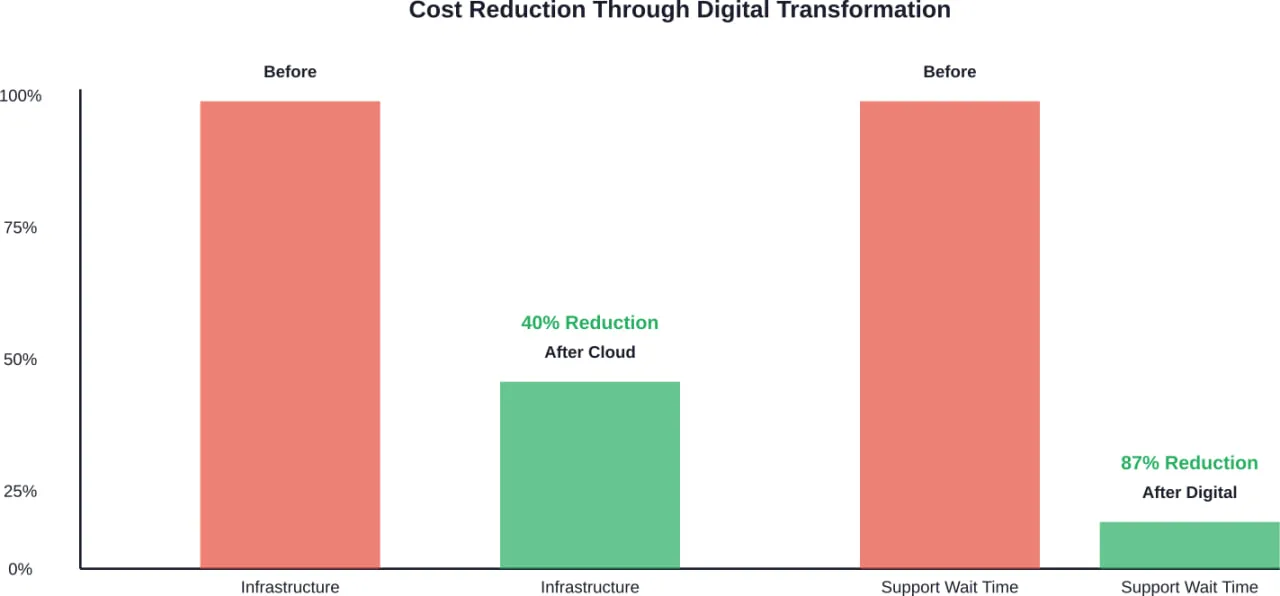
Die Zahlen sprechen eine eindeutige Sprache. Unternehmen, die die Cloud-Technologie nutzen, berichten von einer 40-prozentigen Senkung der Infrastrukturkosten. Das ist beträchtlich, wenn jeder Dollar für die Erfüllung des Auftrags zählt.
Die Verbesserungen der betrieblichen Effizienz sind sogar noch dramatischer. Durch die Straffung interner Prozesse mithilfe cloudbasierter Tools für die Zusammenarbeit konnten die Wartezeiten für den Support bei einigen gemeinnützigen Organisationen um schätzungsweise 87% reduziert werden. Stellen Sie sich vor, was das für die Begünstigten in Krisensituationen bedeutet.
Im Allgemeinen stehen Organisationen, die sich mit Nachhaltigkeit beschäftigen, vor besonderen Herausforderungen. NPOs und NGOs im Umweltbereich arbeiten an Erhaltungs-, Wiederherstellungs- und Forschungsprojekten, die große Datenmengen erzeugen. Die Verwaltung dieser Informationen ist ohne moderne digitale Infrastruktur in großem Umfang nahezu unmöglich.
Die wichtigsten Schritte zur Entwicklung einer Strategie für die digitale Transformation
Es gibt 10 wichtige Schritte zur Entwicklung eines Programms zur digitalen Transformation, die jedoch nicht jede Organisation der Reihe nach befolgen muss. Der Weg sieht für eine kleine lokale Wohltätigkeitsorganisation anders aus als für eine internationale NGO.
Bewertung des aktuellen digitalen Reifegrads
Es ist von entscheidender Bedeutung zu verstehen, wo eine Organisation steht. Das bedeutet eine ehrliche Bestandsaufnahme der vorhandenen Technologie, der Fähigkeiten der Mitarbeiter und der Effizienz der Prozesse.
Viele gemeinnützige Organisationen stellen bei dieser Bewertung erhebliche Lücken fest. Das ist eigentlich eine gute Nachricht - sie zeigt genau auf, wo die Ressourcen konzentriert werden müssen, um maximale Wirkung zu erzielen.
Klare, auf den Auftrag abgestimmte Ziele definieren
Technologie um der Technologie willen verschwendet Geld und frustriert die Mitarbeiter. Jede digitale Initiative sollte direkt mit den Ergebnissen des Auftrags verbunden sein.
Möchten Sie mehr Begünstigte betreuen? Die Spenderbindung verbessern? Die Transparenz des Programms erhöhen? Diese spezifischen Ziele bestimmen die technologischen Entscheidungen, nicht umgekehrt.
Priorisierung von schnellen Erfolgen und langfristigen Investitionen
Das Gleichgewicht zwischen unmittelbaren Verbesserungen und strategischer Infrastruktur ist knifflig, aber unerlässlich. Schnelle Erfolge schaffen Dynamik und demonstrieren den Wert für skeptische Interessengruppen.
Die Umstellung auf die Cloud mag ein langfristiges Projekt sein, aber die Implementierung eines Spendermanagementsystems kann innerhalb weniger Wochen Ergebnisse zeigen.
Aufbau interner Kapazitäten und Fähigkeiten
Schulung ist kein einmaliges Ereignis. Die digitale Transformation erfordert ständiges Lernen und Anpassung an die sich weiterentwickelnde Technologie.
Unternehmen, die in den Aufbau interner technischer Kapazitäten investieren, sind weniger abhängig von teuren Beratern und können schneller auf veränderte Anforderungen reagieren.
Wählen Sie eine skalierbare Technologie
Kleine NRO beginnen oft mit kostenlosen oder kostengünstigen Tools, was durchaus sinnvoll ist. Aber wenn sie aus diesen Tools herauswachsen und die Daten später migrieren, bereitet das Kopfzerbrechen.
Die Wahl von Plattformen, die skalierbar sind - auch wenn nicht alle Funktionen sofort benötigt werden - verhindert kostspielige zukünftige Migrationen.
| Herausforderung | Traditioneller Ansatz | Digitale Lösung | Auswirkungen |
|---|---|---|---|
| Kommunikation mit den Gebern | Manuelle E-Mails, Tabellenkalkulationen | CRM mit Automatisierung | Erhöhte Bindungsquoten |
| Programmdatenerfassung | Papierformulare, manuelle Eingabe | Mobile Anwendungen, Cloud-Datenbanken | Erkenntnisse in Echtzeit, weniger Fehler |
| Finanzielle Überwachung | Lokale Buchhaltungssoftware | Cloud-basierte Plattformen | Transparenz, Fernzugriff |
| Unterstützung der Begünstigten | Telefon, nur persönlich anwesend | Digitaler Mehrkanaldienst | Schnellere Reaktion, größere Reichweite |
Die Rolle der Cloud-Technologie bei der Transformation gemeinnütziger Organisationen
Die Cloud-Infrastruktur ist für moderne NROs zur Grundlage ihrer Arbeit geworden. Sie bietet eine Skalierbarkeit und Kosteneffizienz, mit der lokale Systeme einfach nicht mithalten können.
Die Skalierbarkeit von Cloud-Plattformen bedeutet, dass Organisationen nur für die Ressourcen zahlen, die sie auch nutzen. Bei Fundraising-Kampagnen oder im Katastrophenfall wird die Kapazität sofort erweitert. In ruhigeren Zeiten sinken die Kosten automatisch.
Sicherheitsbedenken werden oft geäußert, aber die großen Cloud-Anbieter investieren weit mehr in die Sicherheit, als es einzelne gemeinnützige Organisationen jemals könnten. Für Organisationen, die mit sensiblen Daten von Begünstigten umgehen, bedeutet dies einen besseren Schutz.
Die Rationalisierung interner Prozesse durch Cloud-Collaboration-Tools ermöglicht es verteilten Teams, effektiv zu arbeiten. Besonders deutlich wurde dies bei globalen Unterbrechungen, die Remote-Arbeit erzwangen - Organisationen, die bereits Cloud-Plattformen nutzen, passten sich nahtlos an.
Digitale Tools, die soziale Wirkung entfalten
Mit den richtigen digitalen Tools kann eine Organisation ihren Auftrag besser erfüllen. Aber “richtig” ist je nach Sektor und Größe sehr unterschiedlich.
Organisationen, die sich für ökologische Nachhaltigkeit einsetzen, profitieren von Datenanalyseplattformen, die Forschungsergebnisse verarbeiten und Erhaltungsmetriken über große geografische Gebiete hinweg verfolgen. Diese Tools fördern Forschung und Innovation, die mit manuellen Methoden unmöglich wären.
Nonprofit-Organisationen, die Dienstleistungen erbringen, benötigen Fallverwaltungssysteme, mit denen sie die Interaktionen mit den Leistungsempfängern, die Ergebnisse und die Wirksamkeit der Programme verfolgen können. Diese Plattformen verringern den Verwaltungsaufwand und verbessern gleichzeitig die Servicequalität.
Soziale Medien und Kommunikationsplattformen erweitern die Reichweite über das hinaus, was traditionelle Methoden erlauben. Community-Diskussionen über gemeinnützige Arbeit finden online statt, und Organisationen, die sich effektiv beteiligen, bauen stärkere Unterstützernetzwerke auf.
Herausforderungen für Nonprofits bei der digitalen Transformation
Hand aufs Herz: Dieser Weg ist nicht einfach. NRO sind mit Hindernissen konfrontiert, auf die gewinnorientierte Unternehmen nicht stoßen.
Begrenzte Budgets stehen ganz oben auf der Liste. Technologie erfordert Investitionen, und es ist eine Herausforderung, die Gremien davon zu überzeugen, knappe Ressourcen für die Infrastruktur statt für direkte Dienstleistungen bereitzustellen.
Aber halt - es gibt ein Gegenargument. Technologie, die die Betriebskosten um 40% senkt, setzt tatsächlich Ressourcen für Programme frei. Es ist eine Investition, die sich auszahlt.
Fehlendes technisches Know-how ist ein weiteres Hindernis. Kleine gemeinnützige Organisationen haben oft kein eigenes IT-Personal. Sich bei der Verwaltung komplexer Systeme auf Freiwillige oder überlastete Administratoren zu verlassen, ist nicht nachhaltig.
Der Widerstand gegen Veränderungen betrifft Organisationen jeder Größe. Alteingesessene Mitarbeiter, die mit den bestehenden Prozessen vertraut sind, sehen neue Technologien möglicherweise eher als Bedrohung denn als Chance.
Die Bewältigung dieser Herausforderungen erfordert Geduld, eine klare Kommunikation über die Vorteile und die Einbeziehung der Mitarbeiter in den Auswahl- und Umsetzungsprozess.
Vertrauen der Spender durch digitale Transparenz schaffen
Vollständige Transparenz für Spender ist entscheidend für die Aufrechterhaltung von Vertrauen und Engagement. Digitale Plattformen machen dies einfacher denn je.
Cloud-basierte Finanzsysteme bieten Echtzeit-Zugriff auf die Mittelverwendung. Spender erwarten zunehmend dieses Maß an Offenheit, und Organisationen, die dies bieten, stärken ihre Beziehungen.
Die Verfolgung der Auswirkungen von Programmen mit Hilfe digitaler Tools schafft überzeugende, durch Daten gestützte Geschichten. Anstelle vager Behauptungen über die Unterstützung von Gemeinschaften können Organisationen konkrete Kennzahlen und Ergebnisse vorweisen.
Dieser Ansatz optimiert die Kosten und bietet die Rechenschaftspflicht, die moderne Philanthropie verlangt.
Häufig gestellte Fragen
- Was bedeutet digitale Transformation für NGOs?
Die digitale Transformation für Nichtregierungsorganisationen ist der strategische Prozess der Integration von Technologie in alle Bereiche des gemeinnützigen Betriebs, um die Effizienz zu verbessern, Kosten zu senken und die Wirkung der Mission zu erhöhen. Er umfasst das 3Ps-Framework: Menschen, Prozesse und Plattformtechnologie, die zusammenarbeiten, um die Arbeitsweise von Organisationen grundlegend zu verändern und Werte zu schaffen.
- Wie viel kostet die digitale Transformation für kleine gemeinnützige Organisationen?
Die Kosten sind je nach Größe der Organisation und der vorhandenen Infrastruktur sehr unterschiedlich. Viele Cloud-Plattformen bieten Rabatte für gemeinnützige Organisationen oder kostenlose Stufen für kleinere Organisationen an. Die Investitionen können von minimal (Nutzung kostenloser Tools und vorhandener Mitarbeiter) bis hin zu erheblich (umfassende Plattformmigrationen) reichen. Organisationen berichten jedoch von 40% Infrastrukturkostensenkungen durch die Einführung der Cloud.
- Was sind die größten Hindernisse für die digitale Transformation in NROs?
Zu den Haupthindernissen gehören begrenzte Budgets, fehlendes technisches Fachwissen, der Widerstand der Mitarbeiter gegen Veränderungen und die Schwierigkeit, Technologieinvestitionen Vorrang vor direkten Programmausgaben zu geben. Viele Organisationen kämpfen auch mit Altsystemen und Problemen bei der Datenmigration. Erfolgreiche Transformationen gehen diese Probleme durch eine schrittweise Implementierung, Mitarbeiterschulungen und das Aufzeigen von schnellen Erfolgen an, die die Akzeptanz im Unternehmen erhöhen.
- Wie lange dauert die digitale Transformation bei gemeinnützigen Organisationen?
Die digitale Transformation ist eher eine fortlaufende Reise als ein Ziel. Die anfängliche Implementierung bestimmter Tools kann Wochen bis Monate dauern, während sich eine umfassende organisatorische Umgestaltung in der Regel über 2-3 Jahre erstreckt. Der Zeitplan hängt von der Größe und Komplexität des Unternehmens, dem vorhandenen technischen Reifegrad und den verfügbaren Ressourcen ab. Wenn man mit wirkungsvollen Quick Wins beginnt, entsteht eine Dynamik für längerfristige Initiativen.
- Kann die digitale Transformation die Programmergebnisse tatsächlich verbessern?
Auf jeden Fall. Organisationen, die ihre Prozesse mit Hilfe digitaler Tools rationalisieren, berichten von einer Verkürzung der Wartezeiten um schätzungsweise 87%, so dass sie mit dem vorhandenen Personal mehr Leistungsempfänger betreuen können. Datenanalysen ermöglichen evidenzbasierte Programmanpassungen, während Kommunikationsplattformen die Reichweite erhöhen. Die Technologie selbst verbessert die Ergebnisse nicht, aber sie ermöglicht es den Mitarbeitern, effektiver zu arbeiten und besser informierte Entscheidungen zu treffen.
- Welcher Technologie sollten NROs zuerst Priorität einräumen?
Die Prioritäten hängen von den Problemen der Organisation ab. Organisationen, die mit Spenderbeziehungen zu kämpfen haben, sollten sich auf CRM-Systeme konzentrieren. Organisationen mit Problemen bei der Datenverwaltung profitieren von Cloud-Speichern und Plattformen für die Zusammenarbeit. Organisationen, die Dienstleistungen erbringen, könnten Tools für das Fallmanagement Priorität einräumen. Entscheidend ist, den aktuellen Bedarf zu ermitteln und die Technologie auszuwählen, die die dringendsten operativen Engpässe bei der Erbringung der Leistungen behebt.
- Wie messen NGOs den Erfolg der digitalen Transformation?
Die Erfolgskriterien sollten sich an den Zielen der Mission orientieren. Zu den gängigen Messgrößen gehören die Senkung der Betriebskosten, Zeiteinsparungen bei Verwaltungsaufgaben, eine höhere Spenderbindung, schnellere Reaktionszeiten für die Begünstigten, eine größere Programmreichweite und eine verbesserte Datengenauigkeit. Organisationen sollten vor der Implementierung Basiskennzahlen festlegen und Veränderungen im Laufe der Zeit verfolgen, um den ROI nachzuweisen und weitere Investitionen zu rechtfertigen.
Vorwärts mit der digitalen Transformation
Die digitale Transformation stellt für gemeinnützige Organisationen sowohl eine Herausforderung als auch eine Chance dar. Der Weg nach vorn erfordert strategisches Denken, sorgfältige Planung und Engagement für organisatorische Veränderungen.
Organisationen, die sich auf diesen Weg begeben, sind in der Lage, ihre Wirkung in einer zunehmend digitalen Welt zu maximieren. Diejenigen, die zögern, riskieren, bei der betrieblichen Effizienz, den Erwartungen der Spender und der Wirksamkeit der Programme zurückzufallen.
Die Beweise sind eindeutig: Technologie senkt die Kosten, verbessert die Leistungserbringung und stärkt die Erfüllung der Aufgaben. Aber Technologie allein ist nicht die Lösung - es ist die Kombination von Menschen, Prozessen und Plattformen, die zusammenarbeiten und einen dauerhaften Wandel bewirken.
Beginnen Sie mit einer ehrlichen Bestandsaufnahme der aktuellen Situation der Organisation. Ermitteln Sie die größten Probleme, die die Erfüllung des Auftrags beeinträchtigen. Machen Sie dann einen Schritt nach vorn, sei es durch die Implementierung eines einzelnen neuen Tools oder durch ein umfassendes Transformationsprogramm.
Die Zeit, damit zu beginnen, ist jetzt. Jeder Tag, der mit ineffizienten Systemen verbracht wird, ist ein Tag mit geringerer Wirkung für die Gemeinden, denen gemeinnützige Organisationen dienen.


