Короткий виклад: У 2026 році агенти штучного інтелекту перейдуть від експериментальних інструментів до виробничих систем, а найбільші технологічні компанії, такі як NVIDIA, Oracle і OpenAI, запустять платформи корпоративного рівня. Згідно з даними McKinsey, опублікованими в березні 2026 року, приблизно 101 трлн. корпоративних функцій наразі використовують агенти штучного інтелекту, хоча їхнє впровадження відображає тенденції зростання хмарних обчислень на ранніх етапах розвитку. Ініціативи NIST щодо федеральних стандартів встановлюють рамки управління в міру того, як автономні системи ШІ переходять від допоміжних пілотів до повністю автономних операційних агентів.
Ландшафт корпоративного штучного інтелекту щойно пройшов переломний момент. Після багатьох років роботи асистентів і пілотів, які допомагали виконувати окремі завдання, автономні агенти, здатні виконувати складні робочі процеси без втручання людини, нарешті входять у виробниче середовище.
Але ось у чому річ - впровадження залишається концентрованим. Більшість організацій все ще з'ясовують, куди вписуються агенти, як виглядає управління, і чи зможе інфраструктура впоратися з цими системами в масштабі.
Давайте розберемося, що насправді відбувається зараз у сфері корпоративних агентів штучного інтелекту, спираючись на останні дані та запуски платформ від найбільших гравців індустрії.
Поточне прийняття підприємствами: Дані McKinsey
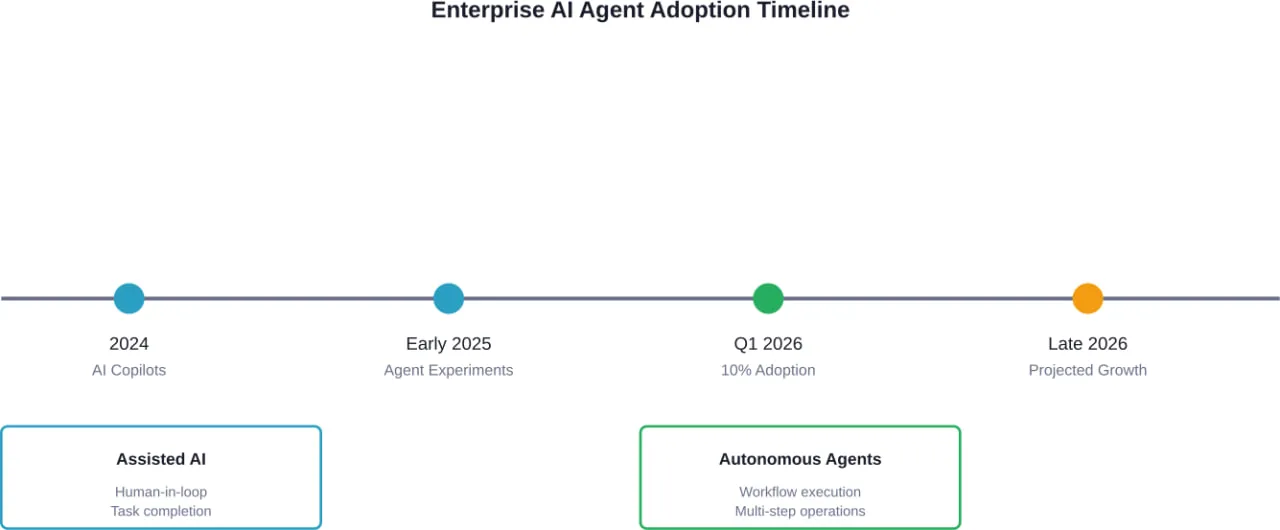
Згідно з даними McKinsey, опублікованими в березні 2026 року, приблизно 101% корпоративних функцій наразі використовують агентів штучного інтелекту. Це не є масовим проникненням, але це важливо, якщо врахувати, де ця технологія була всього 18 місяців тому.
Крива впровадження відображає ранню траєкторію розвитку хмарних обчислень. Пам'ятаєте 2010 рік? Того року AWS отримала лише 1 трлн. 4 трлн. 500 млн. доларів доходу, згідно з галузевими даними, наведеними McKinsey. Azure ледве запустився. Google App Engine все ще був експериментом для розробників.
У 2025 році хмарна інфраструктура стане стандартом для корпоративних операцій. Якщо агентний ШІ піде тим же шляхом - а технічні основи вказують на те, що так і буде - поточні цифри впровадження представляють лише перший поверх, а не стелю.
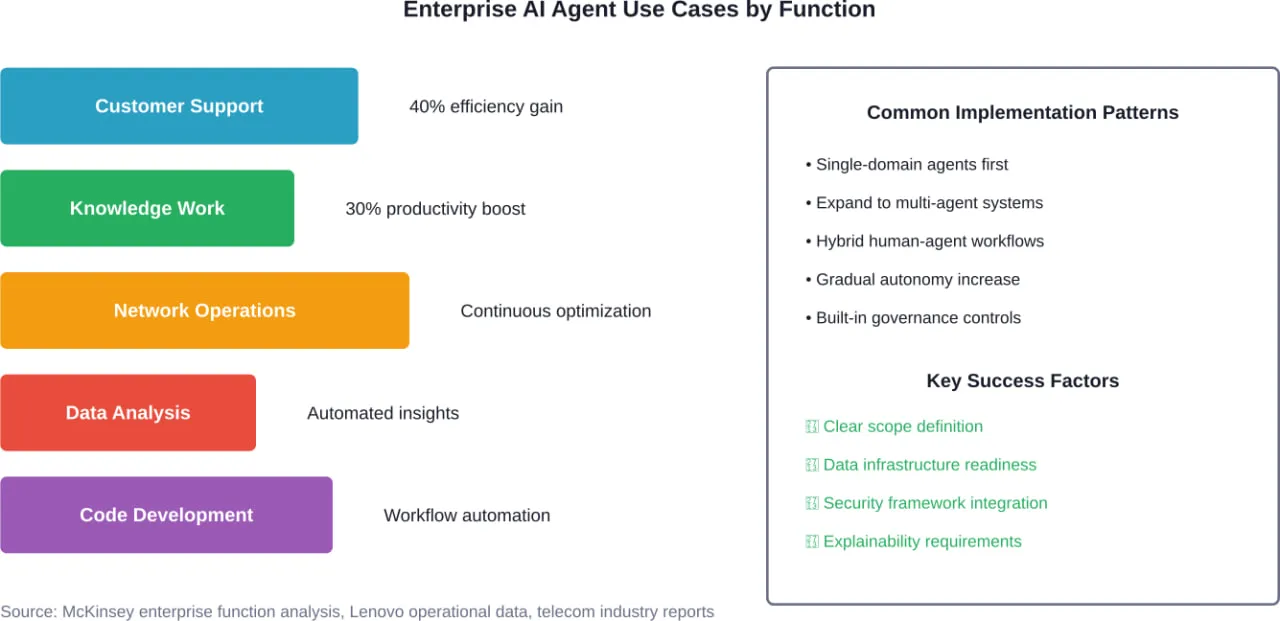
Реальна розмова: Згідно з даними операційного аналізу Lenovo, організації повідомляють про підвищення продуктивності до 30% у роботі зі знаннями та підвищення ефективності до 40% у командах підтримки та операційних командах. Це не незначні покращення. Це ті показники, які змушують фінансових директорів звертати на них увагу.
Запуск основних платформ, що формують 2026 рік
На початку 2026 року було запущено або розширено три значні платформи корпоративних агентів, кожна з яких використовує свій підхід до автономного розгортання ШІ.
Інструментарій агента NVIDIA
NVIDIA анонсувала свій Agent Toolkit 16 березня 2026 року, позиціонуючи його як відкриту платформу розробки для створення та запуску агентів ШІ в корпоративних середовищах. Інструментарій включає NVIDIA OpenShell, середовище виконання з відкритим вихідним кодом, призначене для створення агентів, що саморозвиваються, з підвищеною безпекою та контролем безпеки.
Архітектура AI-Q Blueprint платформи, побудована на основі LangChain, використовує граничні моделі для оркестрування та відкриті моделі NVIDIA Nemotron для дослідницьких задач. За словами NVIDIA, цей гібридний підхід дозволяє скоротити витрати на запити більш ніж на 50%, забезпечуючи при цьому точність світового класу.
Вбудована система оцінювання пояснює, як виробляється кожна відповідь ШІ, що є критично важливим для корпоративних середовищ, де аудиторські сліди та пояснюваність не є необов'язковими функціями.
Проактивні корпоративні агенти Oracle
Підхід Oracle інтегрує агентні процеси безпосередньо в хмарну інфраструктуру Oracle (OCI) за допомогою нового конструктора агентів, який з самого початку базує системи штучного інтелекту на корпоративних даних. Акцент тут робиться на кастомізації та локалізації даних - агенти розуміють організаційний контекст, оскільки вони побудовані на основі існуючих бізнес-систем.
Це вирішує одну з найбільших проблем підприємств: агенти, які працюють ефективно, потребують доступу до власних даних, але це створює проблеми з безпекою та управлінням. Oracle вважає, що вбудована інтеграція OCI вирішує цю проблему, залишаючи все в межах існуючого хмарного периметру.
Платформа корпоративних агентів OpenAI
OpenAI запустила свою платформу корпоративних агентів ‘Frontier’ 5 лютого 2026 року, пропонуючи як технічну платформу, так і послуги з інжинірингу, щоб допомогти організаціям розгортати агентів ШІ. Це визнання того, що інструментарій сам по собі не є рушійною силою впровадження - важлива експертиза у впровадженні.
Згідно зі звітом за січень 2026 року, фінансовий директор OpenAI Сара Фріар розповіла CNBC, що компанія очікує, що до кінця року частка корпоративних клієнтів збільшиться з 40% до 50% від загального обсягу бізнесу. Такий зсув вимагає продуктів, адаптованих для організаційних покупців, а не лише для індивідуальних розробників.
Федеральні стандарти та рамки управління
У міру прискорення впровадження ШІ на підприємствах регуляторні та стандартизаційні органи створюють основи для безпечного розгортання. Центр стандартів та інновацій у сфері штучного інтелекту (CAISI) Національного інституту стандартів і технологій (NIST) 17 лютого 2026 року запустив Ініціативу зі стандартів для агентів штучного інтелекту, спрямовану на забезпечення надійних, сумісних і безпечних агентних систем.
Національний інститут стандартів і технологій США (NIST) провів другий семінар NIST Cyber AI Profile Workshop (опублікований 23 березня 2026 року), присвячений тому, як організаціям впроваджувати штучний інтелект в свою діяльність, одночасно знижуючи ризики кібербезпеки. Це не теоретичні рекомендації - це практичні рамки для ІТ-директорів, які намагаються розгорнути автономні системи, не створюючи нових поверхонь для атак.
Проект Керівних принципів NIST, опублікований 16 грудня 2025 року, переосмислює кібербезпеку спеціально для епохи ШІ, визнаючи, що традиційні моделі безпеки не повністю враховують системи, які приймають самостійні рішення і змінюють свою поведінку з часом.
Що стосується політики, то 23 липня 2025 року Білий дім видав указ про використання ШІ у федеральних системах, а 24 липня 2025 року було зроблено відповідні оголошення. Хоча деякі директиви були зосереджені на ідеологічних питаннях, ширша структура встановила принципи розгортання ШІ в урядових установах - принципи, які часто впливають на найкращі практики підприємств.
Інфраструктурний виклик
Ось що не потрапляє в заголовки газет, але має величезне значення: інфраструктура. Запуск автономних агентів у масштабі підприємства вимагає принципово іншої обчислювальної архітектури, ніж обслуговування запитів API до копілотів.
Нещодавній аналіз Lenovo вказує на те, що автономні системи штучного інтелекту повинні виконувати складні безперервні операції локально, з високою продуктивністю і великим об'ємом пам'яті. Запуск робочих навантажень ШІ локально зменшує залежність від зовнішніх API, покращує швидкість реагування і дає організаціям сильніший контроль над конфіденційними даними.
Ось чому такі системи, як робочі станції ThinkStation від Lenovo, позиціонуються спеціально для розгортання локальних агентів штучного інтелекту. Справа не лише в обчислювальній потужності, а й в архітектурі, яка дозволяє запускати ці системи там, де живуть дані.
| Модель розгортання | Переваги | Виклики | Найкраще для |
|---|---|---|---|
| Хмарні агенти | Масштабованість, легке оновлення, менші початкові витрати | Залежність від API, затримка, поточні витрати | Розподілені команди, змінні робочі навантаження |
| Стаціонарні агенти | Контроль даних, низька затримка, передбачувані витрати | Інвестиції в інфраструктуру, накладні витрати на утримання | Регульовані галузі, конфіденційні дані |
| Гібридна архітектура | Гнучкість, оптимізоване співвідношення ціна/продуктивність | Складність, проблеми інтеграції | Великі підприємства з різноманітними потребами |
Напрями академічних досліджень
Академічна робота поспішає наздогнати практичне розгортання. Численні вичерпні огляди, опубліковані в arXiv за останні місяці, намагаються створити таксономії та основи для розуміння агентних систем ШІ.
В одному з систематичних оглядів розрізняють автономних агентів ШІ та екосистеми спільної роботи агентів - важлива відмінність, оскільки підприємства переходять від одноцільових агентів до систем, де кілька агентів координують роботу різних бізнес-функцій.
Рада зі стандартів IEEE SA затвердила нові стандарти 12 лютого 2026 року, включаючи стандарти щодо вимог до можливостей ШІ-агентів у дослідженні матеріалів (P3933), аудіо-моделей великих мов (P3936) та оцінки безпеки IoT (P2994). Органи зі стандартизації, по суті, наввипередки розробляють керівні принципи, в той час як технологія розвивається в режимі реального часу.
Галузеві застосування
Телекомунікаційні оператори розгортають агентний ШІ для оптимізації мережі та управління життєвим циклом у радіорелейному зв'язку, транспорті та базовій інфраструктурі. Складність і масштаб мереж 5G довели традиційну автоматизацію до межі - агенти, які можуть діагностувати проблеми, оптимізувати конфігурації та автономно керувати ресурсами, стають не експериментальними проектами, а операційною необхідністю.
Alibaba International запустила Accio Work, платформу корпоративних робочих агентів, орієнтовану на глобальні бізнес-операції. Орієнтація на міжнародне розгортання відображає те, як агенти справляються зі складністю міжрегіональних операцій, конвертацією валют, дотриманням нормативних вимог та локалізацією в масштабах.
Що буде далі
Наступні 12 місяців визначать, чи підуть корпоративні агенти штучного інтелекту за траєкторією вибухового зростання хмарних технологій, чи плато на рівні нішевої адаптації. На цей результат вплинуть кілька факторів.
По-перше, системи управління повинні бути зрілими. Організації не будуть розгортати по-справжньому автономні системи в широких масштабах, доки не будуть впевнені в механізмах контролю, аудиторських перевірках і захисних механізмах. Робота NIST зі стандартизації має велике значення, оскільки вона забезпечує спільну мову та орієнтири, яких потребують команди закупівельників.
По-друге, інфраструктура повинна довести, що вона може впоратися з безперервними автономними операціями, не створюючи нових режимів збоїв. Раннє розгортання, по суті, є випробувальним полігоном для архітектурних патернів, які або підтвердять, або спростують певні підходи.
По-третє, рентабельність інвестицій має стати передбачуваною. Підвищення продуктивності на 30-40% звучить переконливо, але фінансові директори повинні розуміти витрати на впровадження, поточні операційні витрати та реалістичні терміни. Постачальники платформ починають публікувати тематичні дослідження з реальними цифрами - прозорість прискорює впровадження.
Дивіться, технологія готова. Платформи існують. Ті, хто першими впровадили їх, повідомляють про реальні результати. Що залишається невизначеним, так це те, як швидко корпоративна культура, процеси закупівель і системи управління ризиками адаптуються до систем, які працюють зі справжньою автономією.
Перетворіть тренди штучного інтелекту на системи, які дійсно працюють
У новинах про корпоративний ШІ часто висвітлюються платформи та зміни на ринку, але більшість команд стикаються з практичними проблемами - підключенням інструментів, обробкою даних у різних системах та підтримкою стабільності роботи після зростання використання.
A-listware підтримує компанії на цьому етапі за допомогою спеціальних команд розробників. Основна увага приділяється бекенду, інтеграції та інфраструктурі, які базуються на ініціативах зі створення штучного інтелекту, допомагаючи компаніям перейти від рішень, що базуються на трендах, до систем, які працюють у повсякденних операціях.
Якщо ви переходите від стратегії ШІ до впровадження, звертайтеся до Програмне забезпечення списку А для підтримки розробки, інтеграції та поточної підтримки системи.
Поширені запитання
- У чому різниця між ШІ-пілотами та ШІ-агентами?
АІ-пілоти допомагають людині у виконанні конкретних завдань і потребують схвалення людини для своїх дій. Агенти ШІ можуть виконувати повні робочі процеси автономно, приймаючи рішення і виконуючи дії без постійного втручання людини. Агенти обробляють багатоетапні процеси, координують роботу різних систем і працюють безперервно, а не реагують на окремі підказки.
- Які галузі найшвидше впроваджують корпоративних агентів ШІ?
Згідно з даними McKinsey, найвищий рівень впровадження спостерігається у сферах телекомунікацій, підтримки клієнтів та роботи зі знаннями. Фінансові послуги та охорона здоров'я вивчають можливість розгортання агентів, але діють більш обережно через регуляторні вимоги. Технологічні компанії та консалтингові фірми впроваджують агентів для внутрішніх операцій, а також розробляють рішення для роботи з клієнтами.
- Які основні проблеми з безпекою автономних ШІ-агентів?
Серед основних проблем - несанкціонований доступ до конфіденційних даних, прийняття агентами рішень, що порушують вимоги комплаєнсу, складність аудиту автономних дій і можливість маніпулювання агентами за допомогою швидкого введення або втручання зловмисників. Настанови NIST з кібербезпеки спрямовані на усунення багатьох з цих ризиків за допомогою механізмів нагляду за агентами, вимог до ведення журналів і засобів контролю безпеки.
- Скільки коштує впровадження корпоративних АІ-агентів?
Витрати суттєво відрізняються залежно від підходу до розгортання. Хмарні платформи, як правило, стягують плату за запит або за користувача, а деякі з них повідомляють про 50%+ економію витрат при використанні гібридних архітектур з відкритими моделями. Локальне розгортання вимагає інвестицій в інфраструктуру, але пропонує передбачувані поточні витрати. Перевіряйте поточні ціни на веб-сайтах постачальників, оскільки цей ринок залишається динамічним.
- Чи може малий та середній бізнес використовувати АІ-агентів, чи вони призначені лише для підприємств?
Хоча нинішні платформи орієнтовані на корпоративних клієнтів, технологія стає все більш доступною. Хмарні агентські платформи знижують бар'єр для входу, усуваючи вимоги до інфраструктури. Малі підприємства можуть почати з однофункціональних агентів для підтримки клієнтів або аналізу даних, а потім перейти до більш складних впроваджень.
- Які навички потрібні командам для розгортання та управління АІ-агентами?
Організаціям потрібна експертиза в операціях AI/ML, архітектурі безпеки та конкретній бізнес-сфері, в якій працюватимуть агенти. Багато постачальників платформ сьогодні пропонують професійні послуги та підтримку впровадження, розуміючи, що одного лише інструментарію недостатньо. Міжфункціональні команди, що поєднують технічну та галузеву експертизу, досягають кращих результатів, ніж суто технічні впровадження.
- Як ви вимірюєте рентабельність інвестицій у впровадження ШІ-агентів?
Відстежуйте конкретні показники, такі як час, заощаджений на рутинних завданнях, зменшення кількості помилок, допущених вручну, швидше завершення складних робочих процесів і краще використання ресурсів. Організації, які повідомляють про успіх, вимірюють базову продуктивність до розгортання агента, а потім відстежують ті ж показники після впровадження. Підвищення продуктивності на 30% в роботі зі знаннями і підвищення ефективності до 40% в операціях є еталонними показниками, але фактичні результати залежать від сценарію використання і якості впровадження.
Рухаємося вперед з корпоративними агентами штучного інтелекту
У 2026 році агенти штучного інтелекту перейшли від експериментальної технології до виробничої реальності. Платформи існують. З'являються рамки стандартів. Перші впроваджувачі документують реальне підвищення продуктивності.
Але це лише початок. Десять відсотків впровадження означає, що 90% корпоративних функцій ще не розгорнули агентів. Цей розрив є одночасно і можливістю, і викликом - можливістю для організацій, які рухаються рішуче, і викликом в управлінні управлінням, інфраструктурою та управлінням змінами без усталених правил гри.
Аналогія з хмарами доречна. Ті, хто розпізнав траєкторію розвитку хмарних технологій у 2010 році, позиціонували себе для наступної інфраструктурної революції. Організації, які оцінюють агентний ШІ сьогодні, стикаються з подібною точкою перегину. Технологія працює. Питання в тому, як швидко ваша організація може адаптуватися до систем, які не просто допомагають, а виконують.
Для бізнес-лідерів і технологічних команд, які вивчають корпоративних агентів штучного інтелекту, почніть з чітко визначених сценаріїв використання, створіть систему управління з першого дня і виберіть платформи, які відповідають вашій інфраструктурній стратегії. Вікно для отримання конкурентної переваги завдяки ранньому впровадженню не буде відкритим нескінченно довго.


