Top AI Agents for Business: From Idea to Everyday Use

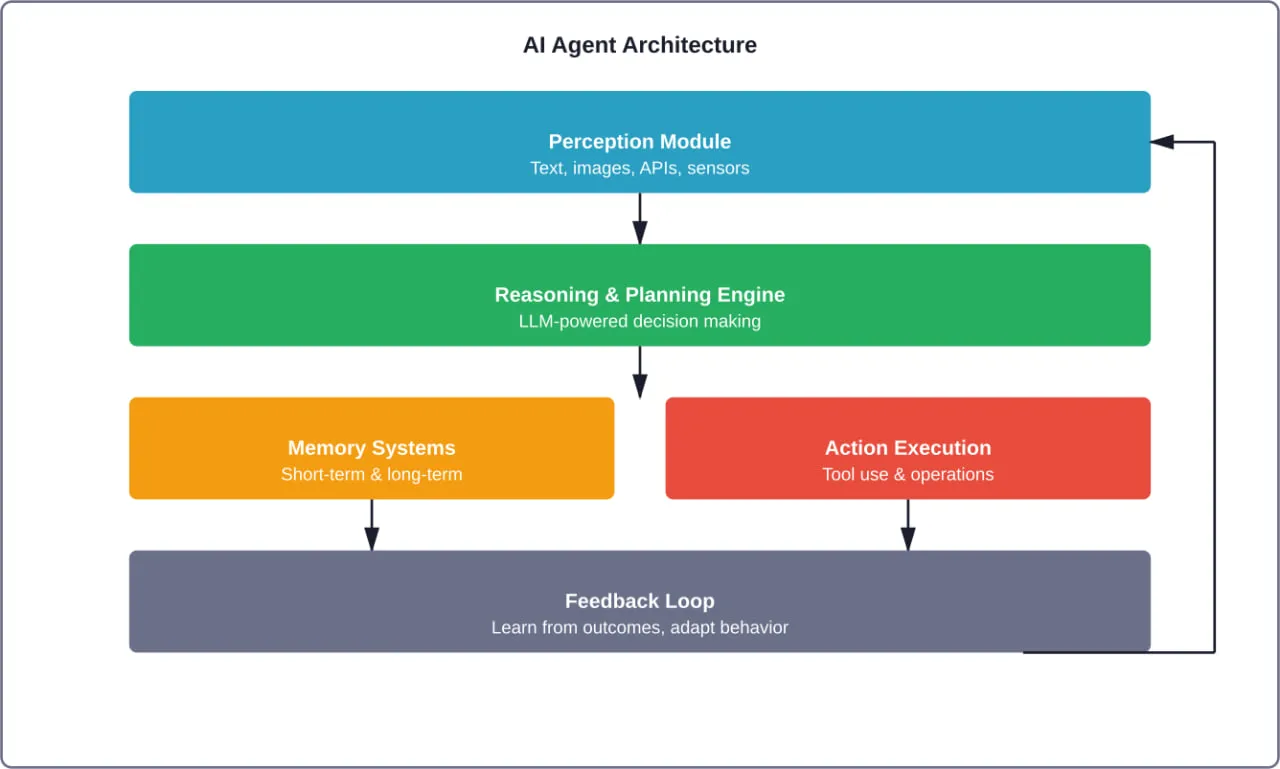
AI agents are starting to show up in places that used to need constant human attention – customer support queues, internal workflows, data lookups, even bits of decision-making. Not as a big replacement, but as something that quietly takes work off people’s plates.

Still, most teams run into the same question pretty quickly: where do these agents actually make sense?

There’s no shortage of platforms claiming to “automate everything,” but in practice, the value tends to come from narrower, well-defined tasks, things that follow patterns, repeat often, and don’t fall apart when handed off.

Below is a look at the current landscape of AI agent tools and platforms. Not a ranking, and not a guide on what to pick, just a way to understand what’s out there and how different approaches are taking shape.


Make AI Agents Work Inside Real Business Systems

AI agents rarely operate on their own. They depend on backend systems, APIs, integrations, and stable infrastructure to function reliably in a business environment. 

That’s where Програмне забезпечення списку А comes in. The company focuses on software development and dedicated engineering teams that handle architecture, development, and ongoing support, forming the foundation behind AI-driven features once they move beyond the prototype stage.

If you’re working on AI agents, A-listware can help you:

  • connect services, APIs, and internal systems around your agents
  • manage data flows and integrations across your business tools
  • maintain stability and performance over time

Turn AI agents into a working part of your business with Програмне забезпечення списку А.

1. Cognigy

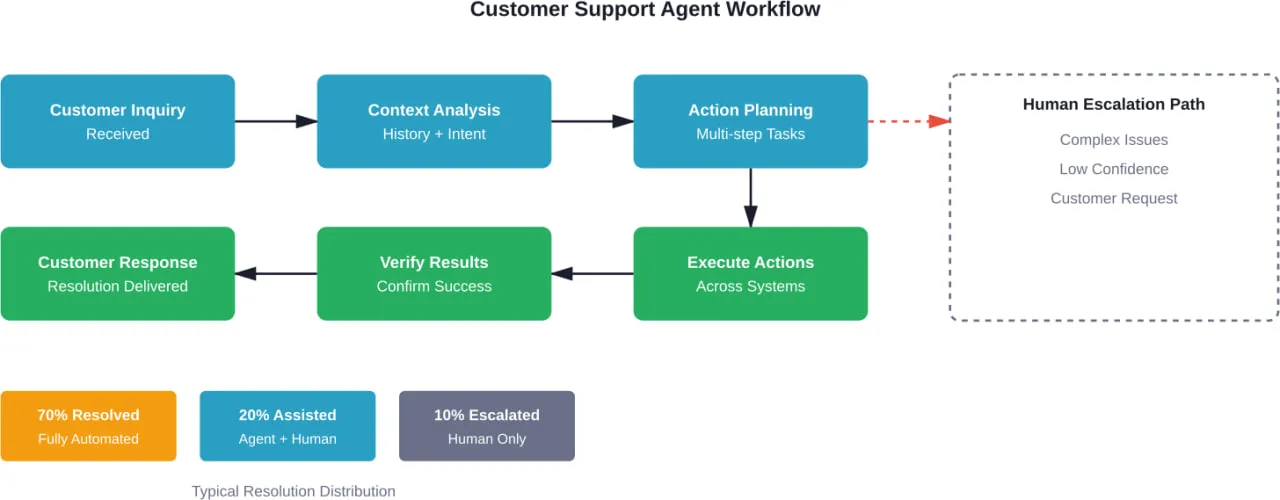
Cognigy presents itself as a platform focused on building and running AI agents in customer-facing environments, mostly around support and contact centers. The product is centered on handling conversations across channels like voice, chat, and messaging, while also supporting human agents with tools like real-time assistance and access to internal knowledge. It leans into structured automation – routing requests, resolving common issues, and reducing the need for manual handling in repetitive cases.

What stands out is how the platform ties different parts of customer interaction into one system. There’s an emphasis on combining language understanding with integrations into existing infrastructure, so AI agents can actually complete tasks, not just respond. At the same time, it keeps human agents in the loop through copilots and shared context, which suggests it’s not meant to fully replace support teams but to reduce load and make workflows more manageable.

Основні моменти:

  • AI agents for voice, chat, and messaging channels
  • Focus on customer service and contact center operations
  • Real-time support tools for human agents (copilot)
  • Інтеграція з існуючими системами підприємства
  • Multilingual support with translation capabilities
  • Combines automation with human-assisted workflows

Who It’s Best For:

  • Teams managing large volumes of customer support requests
  • Companies running multi-channel customer communication
  • Organizations looking to reduce repetitive support tasks
  • Enterprises with existing contact center infrastructure 

Контактна інформація:

  • Website: www.cognigy.com
  • Email: info-us@cognigy.com
  • Facebook: www.facebook.com/cognigy
  • Twitter: x.com/cognigy
  • LinkedIn: www.linkedin.com/company/cognigy
  • Address: 2400 N Glenville Drive, Building B, Suite 400, Richardson , Texas 75082
  • Phone: +1 972 301 1300

2. Fellow

Fellow is centered around meetings and everything that happens around them. It records, transcribes, and summarizes conversations, then turns that information into something usable – notes, action items, follow-ups, or updates in other systems. The AI agent layer sits on top of that, letting users search across past meetings or generate outputs based on what was discussed.

There’s a noticeable focus on control and privacy. Recordings and notes are kept centralized, but access is managed quite tightly, which makes sense given how sensitive internal meetings can be. It also connects with tools people already use, so meeting insights don’t just stay as notes but move into workflows like CRM updates or task management.

Основні моменти:

  • AI meeting recording, transcription, and summaries
  • Searchable meeting history with generated outputs
  • Centralized storage with access controls
  • CRM and workflow integrations
  • Pre-meeting planning and agendas
  • Works across major meeting platforms

Who It’s Best For:

  • Teams with frequent internal and client meetings
  • Organizations that rely on documentation and follow-ups
  • Sales, customer success, and leadership teams
  • Companies needing structured meeting records 

Контактна інформація:

  • Website: fellow.ai
  • Facebook: www.facebook.com/fellowmeetings
  • Twitter: x.com/FellowAInotes
  • LinkedIn: www.linkedin.com/company/fellow-ai
  • Instagram: www.instagram.com/FellowAInotes
  • Address: 532 Montréal Rd #275, Ottawa, ON K1K 4R4, Canada

3. Glean

Glean is built around internal company knowledge and how employees interact with it. It connects to different tools across the organization and makes that information searchable, then layers AI agents on top to help automate tasks or generate outputs based on that data. Instead of focusing on one workflow, it spreads across multiple functions like engineering, support, HR, and sales.

What stands out is the way it treats data as a shared resource. The system pulls from documents, conversations, and tools, then uses that context to answer questions or trigger actions. Agents can be created to handle specific types of work, but they all rely on the same underlying knowledge layer, which keeps things consistent across teams.

Основні моменти:

  • Unified search across company tools and data
  • AI agents for automating internal workflows
  • Connectors to a wide range of applications
  • Content generation and summarization
  • Support for multiple departments and use cases
  • Centralized knowledge layer

Who It’s Best For:

  • Companies with fragmented internal tools and data
  • Teams that rely on documentation and shared knowledge
  • Organizations looking to automate internal processes
  • Mid to large teams with cross-functional workflows

Контактна інформація:

  • Website: www.glean.com 
  • App Store: apps.apple.com/us/app/glean-work/id1582892407 
  • Google Play: play.google.com/store/apps/details?id=com.glean.app 
  • Twitter: x.com/glean 
  • LinkedIn: www.linkedin.com/company/gleanwork 
  • Instagram: www.instagram.com/gleanwork 
  • Address: 634 2nd Street, San Francisco, CA 94107, United States

4. Decagon

Decagon is built around customer-facing AI agents, with a focus on handling interactions across channels like chat, voice, and email. The platform leans into the idea of agents acting more like a front layer for customer communication – not just answering questions, but completing actions like rebooking, updating accounts, or handling requests that usually require a human operator.

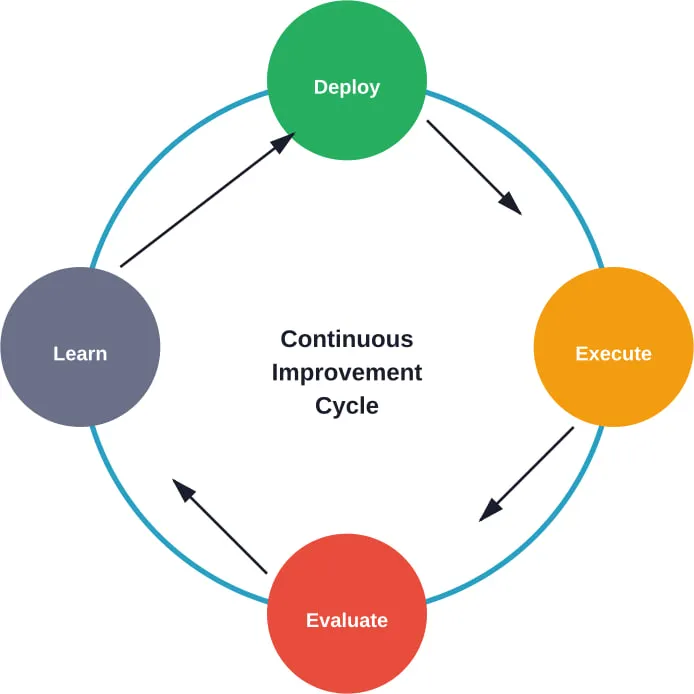
Instead of relying on rigid configuration, the system introduces workflows defined in more natural language, which makes iteration a bit less technical. There’s also a clear emphasis on ongoing adjustment – testing, observing, and refining how agents behave over time. The setup suggests that agents are expected to evolve alongside the business, not stay fixed after deployment.

Основні моменти:

  • AI agents for chat, voice, and email
  • Focus on customer interaction and task completion
  • Workflow definition using natural language
  • Built-in testing and iteration tools
  • Analytics tied to conversations and behavior
  • Omnichannel support from a single system

Who It’s Best For:

  • Customer support and service operations
  • Businesses handling requests across multiple channels
  • Teams that need flexible, evolving workflows
  • Companies aiming to automate repetitive interactions 

Контактна інформація:

  • Website: decagon.ai
  • Twitter: x.com/DecagonAI
  • LinkedIn: www.linkedin.com/company/decagon-ai

5. HubSpot Breeze Data Agent

HubSpot Breeze Data Agent is an AI agent built around customer data rather than direct conversations. It pulls information from different sources like CRM records, emails, calls, and documents, then uses that context to answer questions or surface insights. The goal is to reduce the time spent manually searching across tools when trying to understand customers or track what’s going on.

Inside the HubSpot environment, it works as part of existing workflows instead of sitting separately. Outputs are structured in a way that feeds back into the system – updating records, filling gaps in data, or helping teams act on information that already exists but is spread across different places.

Основні моменти:

  • AI agent focused on customer data analysis
  • Pulls information from CRM, emails, calls, and documents
  • Answers custom business questions based on available data
  • Creates and updates structured customer records
  • Works within existing HubSpot workflows
  • Connects fragmented data into a unified view

Who It’s Best For:

  • Teams working closely with CRM systems
  • Marketing and sales operations
  • Organizations with data spread across multiple tools
  • Teams that need quick access to customer insights

Контактна інформація:

  • Веб-сайт: www.hubspot.com
  • Facebook: www.facebook.com/hubspot
  • Twitter: x.com/HubSpot
  • LinkedIn: www.linkedin.com/company/hubspot
  • Instagram: www.instagram.com/hubspot
  • Адреса: 2 Canal Park, Cambridge, MA 02141, United States
  • Телефон: +1 888 482 7768

6. ClickUp Super Agents

ClickUp approaches AI agents as part of a broader work environment rather than a separate tool. Super Agents are designed to take on a wide range of tasks – writing, analyzing, managing workflows, updating records, and more – all within the same workspace where teams already manage projects and communication.

There’s a strong focus on flexibility. Agents can be created for almost any type of work, and they can interact with tasks, documents, and people directly. The system also allows multiple agents to operate together, which makes it feel less like a single assistant and more like a layer of automation across the entire workflow.

Основні моменти:

  • AI agents embedded in a project management workspace
  • Handles tasks like writing, analysis, and coordination
  • Custom agents for different types of work
  • Multi-agent collaboration within workflows
  • Integration with tasks, docs, and communication
  • Continuous learning and context awareness

Who It’s Best For:

  • Teams managing projects and workflows in one platform
  • Organizations looking to automate daily operations
  • Cross-functional teams with varied tasks
  • Users who want AI inside their existing workspace

Контактна інформація:

  • Website: clickup.com
  • Facebook: www.facebook.com/clickupprojectmanagement
  • Twitter: x.com/clickup
  • LinkedIn: www.linkedin.com/company/12949663
  • Instagram: www.instagram.com/clickup

7. Devin

Devin is positioned as an AI agent focused on software development work. Instead of assisting with small tasks, it’s designed to handle larger pieces of engineering work – writing code, debugging, testing, and managing parts of the development process. The idea is closer to an autonomous contributor that can take a task and work through it step by step.

What makes it different is the scope. It’s not limited to generating snippets or suggestions, but operates across the full workflow – planning, executing, and refining code. At the same time, it still fits into existing development environments, interacting with tools and processes that engineers already use.

Основні моменти:

  • AI agent for software development tasks
  • Handles coding, debugging, and testing
  • Works across full development workflows
  • Operates with some level of autonomy
  • Integrates with developer tools and environments
  • Focus on task execution, not just suggestions

Who It’s Best For:

  • Engineering teams and developers
  • Companies building software products
  • Teams with repetitive or structured coding tasks
  • Organizations exploring AI-assisted development

Контактна інформація:

  • Website: devin.ai
  • Twitter: x.com/cognition
  • LinkedIn: www.linkedin.com/company/cognition-ai-labs

8. Intercom (Fin AI Agent)

Intercom builds its AI agent, Fin, directly into a customer support platform. Instead of adding AI as a separate layer, it’s part of the helpdesk itself, working alongside human agents in the same system. Conversations, tickets, and customer data all live in one place, which means the agent and the team operate with the same context.

Another part of the setup is how the system improves over time. Interactions are analyzed, patterns are tracked, and the agent adjusts based on previous conversations and human input. There’s also a strong connection between automation and manual support, where tasks can move between AI and human agents without losing context.

Основні моменти:

  • AI agent integrated into a helpdesk platform
  • Shared workspace for AI and human agents
  • Omnichannel communication in one system
  • Automated ticketing and routing
  • Insights from conversation data
  • Continuous improvement based on interactions

Who It’s Best For:

  • Customer support teams using helpdesk systems
  • Companies handling ongoing customer conversations
  • Teams needing both automation and human support
  • Organizations focused on structured support workflows

Контактна інформація:

  • Website: www.intercom.com
  • Email: press@intercom.com

9. Tableau

Tableau is built around data analysis and visualization, with a growing focus on what it calls agentic analytics. The platform connects to different data sources and turns that data into visual insights that people can explore and share. Alongside that, it introduces AI-driven features that help move from simply viewing data to acting on it, including systems that can suggest or trigger actions based on insights.

The setup is not limited to one environment. It can run in the cloud, on private infrastructure, or as part of a broader Salesforce ecosystem. Instead of replacing analysts, the platform leans toward supporting how people already work with data, while adding a layer where AI can assist with interpretation, exploration, and in some cases, automation of follow-up steps.

Основні моменти:

  • Data visualization and analytics platform
  • AI features for insight generation and actions
  • Works across cloud and self-hosted environments
  • Integration with multiple data sources
  • Supports data exploration and reporting workflows
  • Part of a broader analytics and CRM ecosystem

Who It’s Best For:

  • Data analysts and business intelligence teams
  • Organizations working with large datasets
  • Teams needing visual reporting and dashboards
  • Companies building data-driven workflows 

Контактна інформація:

  • Веб-сайт: www.tableau.com
  • Facebook: www.facebook.com/Tableau
  • Twitter: x.com/tableau
  • LinkedIn: www.linkedin.com/company/tableau-software
  • Адреса: 415 Mission Street, 3-й поверх, Сан-Франциско, Каліфорнія, 94105, США
  • Телефон: 1-800-270-6977

10. Hightouch

Hightouch positions itself around marketing workflows driven by data and AI agents. It sits on top of a company’s existing data warehouse and uses that data to power campaigns, personalization, and audience management. The agent layer is used to automate parts of marketing execution, from building segments to deciding what message should be sent to which user.

Rather than moving data into a separate system, it works directly with what already exists. This changes how marketing teams interact with data – less exporting and syncing, more direct usage. The platform also includes decisioning logic, where AI evaluates signals and adjusts messaging or timing based on user behavior across channels.

Основні моменти:

  • AI agents for marketing workflows and campaigns
  • Built on top of existing data warehouses
  • Audience building and segmentation tools
  • Real-time personalization across channels
  • AI-based decisioning for messaging and timing
  • Integration with a wide range of external tools

Who It’s Best For:

  • Marketing and lifecycle teams
  • Companies with established data warehouses
  • Organizations running multi-channel campaigns
  • Teams focused on personalization at scale

Контактна інформація:

  • Website: hightouch.com
  • Twitter: x.com/HightouchData
  • LinkedIn: www.linkedin.com/company/hightouchio

11. Lindy

Lindy is designed as a general-purpose AI assistant that works across everyday business tools like email, calendar, and messaging platforms. It handles tasks such as drafting emails, scheduling meetings, and pulling information from different sources. The idea is to reduce small, repetitive actions that tend to fill up the day.

What makes it a bit different is how it behaves proactively. It doesn’t just wait for instructions but can surface reminders, prepare context for meetings, or suggest next steps based on ongoing activity. Over time, it adapts to user preferences, which shifts it from a simple assistant to something closer to a lightweight operational layer across personal workflows.

Основні моменти:

  • AI assistant for email, meetings, and scheduling
  • Drafts messages and manages communication
  • Connects across multiple work tools
  • Provides proactive reminders and context
  • Learns user preferences over time
  • Supports day-to-day task automation

Who It’s Best For:

  • Individuals managing busy schedules
  • Teams handling frequent communication
  • Professionals juggling multiple tools
  • Roles with repetitive coordination tasks

Контактна інформація:

  • Website: www.lindy.ai
  • Email: support@lindy.ai
  • Twitter: x.com/getlindy
  • LinkedIn: www.linkedin.com/company/lindyai

12. Relevance AI

Relevance AI focuses on building AI agents for go-to-market work, including sales, marketing, and customer operations. It introduces the idea of an AI workforce, where multiple agents handle tasks like research, outreach, lead qualification, and follow-ups. These agents can be triggered by events, such as changes in a sales pipeline or incoming leads.

There’s a progression in how automation is applied. It can start with simple assistance, then move toward more autonomous workflows as processes become clearer. The system connects with common tools like CRM, email, and messaging platforms, allowing agents to operate within existing workflows instead of requiring a full rebuild.

Основні моменти:

  • AI agents for sales and go-to-market workflows
  • Automation of research, outreach, and follow-ups
  • Multi-agent setup for different tasks
  • Integration with CRM and communication tools
  • Event-based triggers for automation
  • Gradual shift from assisted to autonomous workflows

Who It’s Best For:

  • Sales and revenue teams
  • Companies with structured pipelines
  • Organizations scaling outbound and inbound efforts
  • Teams looking to automate repetitive GTM tasks

Контактна інформація:

  • Website: relevanceai.com
  • Twitter: x.com/RelevanceAI_
  • LinkedIn: www.linkedin.com/company/relevanceai

13. CrewAI

CrewAI is built around the idea of multiple AI agents working together as a coordinated system. Instead of focusing on a single assistant, it allows users to create groups of agents that can divide and complete tasks across workflows. These agents can interact with tools, follow defined roles, and operate with some level of autonomy.

The platform provides different ways to build and manage these systems, from visual interfaces to APIs. There is also a focus on control and monitoring – tracking how agents perform, adjusting behavior, and ensuring outputs stay consistent. It’s designed more as an infrastructure layer for building agent-based workflows than a ready-made tool for one specific use case.

Основні моменти:

  • Multi-agent system for complex workflows
  • Visual builder and API-based setup
  • Agents interact with tools and external systems
  • Workflow tracing and monitoring
  • Training and guardrails for agent behavior
  • Scalable deployment across teams

Who It’s Best For:

  • Engineering and technical teams
  • Companies building custom AI workflows
  • Organizations needing multi-step automation
  • Teams experimenting with agent-based systems

Контактна інформація:

  • Website: crewai.com
  • Twitter: x.com/crewaiinc
  • LinkedIn: www.linkedin.com/company/crewai-inc

14. Sierra

Sierra focuses on AI agents for customer experience, covering interactions across channels like chat, voice, and messaging. The platform is designed to handle conversations while also connecting them to actions, such as booking, account updates, or service requests. It aims to keep interactions consistent regardless of where they happen.

Another part of the system is how agents are built and improved. There are tools for defining behavior, testing scenarios, and adjusting performance over time. The platform also tracks interactions and extracts insights, which helps refine how agents respond and operate in future conversations.

Основні моменти:

  • AI agents for customer communication across channels
  • Supports chat, voice, email, and messaging platforms
  • Tools for building and testing agent behavior
  • Інтеграція із зовнішніми системами та джерелами даних
  • Continuous improvement based on interaction data
  • Focus on consistent customer experience

Who It’s Best For:

  • Customer support and service teams
  • Companies with multi-channel communication
  • Organizations handling frequent customer interactions
  • Teams looking to automate service workflows 

Контактна інформація:

  • Website: sierra.ai
  • Email: security@sierra.ai
  • Twitter: x.com/sierraplatform
  • LinkedIn: www.linkedin.com/company/sierra

15. Moveworks

Moveworks is built as an AI assistant platform for internal business operations. It connects to different systems across a company – HR, IT, finance, and others – and allows employees to search for information or trigger actions through a single interface. The agent layer is used to handle requests, automate tasks, and reduce manual back-and-forth between teams.

Instead of focusing on one department, it spreads across the organization. The system combines search and execution, so a request can move from a question to an action without switching tools. It also supports multiple languages and integrates with a wide range of business applications, which makes it easier to apply across different teams.

Основні моменти:

  • AI assistant for internal workflows and operations
  • Combines search and task execution
  • Works across HR, IT, finance, and other systems
  • Інтеграція з кількома бізнес-додатками
  • Supports multilingual environments
  • Centralized interface for employee requests

Who It’s Best For:

  • Large organizations with multiple internal systems
  • Teams handling internal service requests
  • Companies aiming to streamline operations
  • Organizations with distributed or global teams

Контактна інформація:

  • Website: www.moveworks.com 
  • Email: support@moveworks.com 
  • Twitter: x.com/moveworks 
  • LinkedIn: www.linkedin.com/company/moveworksai 
  • Address: 1400 Terra Bella Avenue, Mountain View, CA 94043


Висновок

If you step back and look at all of this, AI agents don’t really come across as some big, unified thing. They show up in different corners of the business, doing very different jobs. In one place, it’s handling support tickets. In another, it’s helping marketing teams push campaigns or pulling answers from internal data. Same idea underneath, but applied in very practical, sometimes quite narrow ways.

There’s also a bit of a pattern in how they’re being used. Most of these tools aren’t trying to replace how companies work. They sit on top of what’s already there – existing systems, existing processes, existing data. And when things are structured enough, they tend to fit in without much friction. When they’re not, you start to see where the limits are.

So it’s less about “using AI agents” as a concept, and more about figuring out where they actually help in everyday work. Usually, it’s the repetitive, slightly annoying tasks that no one really wants to spend time on. That’s where they seem to land first. Everything else still takes a bit more thought.

AI Agent Development Services: A Closer Look at Key Companies

AI agents are no longer something teams experiment with on the side. They’ve started to show up in everyday work – handling requests, assisting with decisions, and quietly taking over repetitive tasks that used to slow things down.

As that shift picks up, more companies are building services around designing and deploying these systems. Some approach it from a strong engineering background, others lean into data, automation, or product integration. The result is a pretty mixed landscape, where each team brings its own perspective on what an “agent” should actually do.

Below is a closer look at companies working in this space, with a bit of context around how they position themselves and where they tend to fit.

1. Програмне забезпечення списку А

A-listware provides AI agent development as part of broader software engineering work, focusing on how agents are built, connected, and run in production. We usually work on the layers around the agent itself – backend logic, APIs, integrations, and infrastructure. This includes setting up how data moves through the system, how the agent interacts with other services, and how everything behaves under real usage.

We approach AI agent development as part of a complete software system rather than a standalone feature. Our teams handle architecture, development, testing, and ongoing support, so the work doesn’t have to be split across different vendors. That makes it easier to keep consistency across the stack and avoid gaps between components. Over time, the focus usually shifts from “making it work” to “keeping it stable and scalable,” and that’s where we continue to support the product.

Основні моменти:

  • Work with AI agents as part of full software systems, not isolated components
  • Focus on backend architecture, integrations, and infrastructure
  • Dedicated engineering teams that integrate into existing workflows
  • Support across the full development cycle, including post-launch

Послуги:

  • Розробка ШІ-агентів
  • Backend and API development for agents
  • System and tool integrations
  • Data pipelines for agent workflows
  • Deployment and support

Контактна інформація:

2. EffectiveSoft

EffectiveSoft works with AI agents at the level of system design, where automation is tied to real business workflows and not just isolated tasks. Their teams build both single agents and multi-agent setups that can plan actions, process data, and interact with enterprise systems. A lot of their work sits in areas like finance, healthcare, and operations, where agents need to handle more than simple requests and deal with structured processes.

A big part of their work happens behind the scenes – preparing data, tuning models, and setting up orchestration so different components can work together. These pieces make the difference once agents move into production, where stability, integration with business systems, and long-term consistency start to matter more than initial functionality.

Основні моменти:

  • Work with both single-agent and multi-agent architectures
  • Focus on workflow automation across enterprise systems
  • Experience with LLM tuning and domain-specific models
  • Integration with business platforms and data sources
  • Ongoing monitoring and support after deployment

Послуги:

  • AI agent consulting and strategy
  • Custom agent development and customization
  • Multi-agent system design and orchestration
  • LLM fine-tuning and deep learning solutions
  • Автоматизація робочого процесу
  • Обслуговування та підтримка 

Контактна інформація:

  • Веб-сайт: www.effectivesoft.com
  • Електронна пошта: rfq@effectivesoft.com
  • Facebook: www.facebook.com/EffectiveSoft
  • Twitter: x.com/EffectiveSoft
  • LinkedIn: www.linkedin.com/company/effectivesoft
  • Адреса: 4445 Eastgate Mall, Suite 200, 92121 
  • Телефон: 1-800-288-9659

3. Instinctools

Instinctools approaches AI agent development through process automation, looking at how tasks connect into larger workflows. Their work is usually tied to building systems that can handle sequences of actions, not just isolated steps. In that sense, agents are treated as part of a broader automation layer that reshapes how work moves across teams and systems.

In many cases, the focus shifts to how these systems behave over time, not just at launch. Questions around scaling, security, and compatibility with existing tools come up early, especially when agents start interacting across multiple systems and teams.

Основні моменти:

  • Focus on process-level automation, not just task automation
  • Attention to scalability of AI systems
  • Consideration of security in agent deployment
  • Integration into existing business workflows

Послуги:

  • Розробка ШІ-агентів
  • Рішення для автоматизації робочих процесів
  • AI system integration
  • Scalable automation architecture

Контактна інформація:

  • Веб-сайт: www.instinctools.com
  • Електронна пошта: contact@instinctools.com
  • Facebook: www.facebook.com/instinctoolslabs
  • Twitter: x.com/instinctools_EE
  • LinkedIn: www.linkedin.com/company/instinctoolscompany
  • Instagram: www.instagram.com/instinctools
  • Адреса: 12430 Park Potomac Ave, Unit 122 Potomac MD 20854, USA
  • Телефон: +12028214280

4. Markovate

Markovate works with AI agents in the context of operational workflows, where automation is tied to reducing manual steps and improving consistency. Their projects often deal with structured environments like manufacturing, healthcare, and construction, where agents process data, extract information, and support decision-making.

What stands out is how closely their work stays tied to existing processes. Agents are introduced into environments that already have established workflows, so a lot of effort goes into making sure nothing breaks while automation is added gradually.

Основні моменти:

  • Focus on workflow optimization across industries
  • Experience with structured data processing and automation
  • Full-cycle AI development from setup to deployment
  • Alignment with existing operational processes
  • Attention to compliance and secure environments

Послуги:

  • Розробка генеративного ШІ
  • Agentic AI solutions
  • Розмовні системи штучного інтелекту
  • Рішення для машинного навчання
  • Computer vision applications 

Контактна інформація:

  • Веб-сайт: markovate.com
  • Twitter: x.com/markovateagency
  • LinkedIn: www.linkedin.com/company/markovate
  • Адреса: 10 N Martingale Rd #400, Schaumburg, IL

5. Azumo

Azumo treats AI agents as systems that need to operate inside complex environments, not just respond to inputs. Their work often involves multi-agent setups where different components handle separate tasks and coordinate through shared logic. This includes building agents that can manage workflows like order processing, analytics, or compliance monitoring.

A noticeable part of their approach is how much attention goes into control and predictability. Once agents start making decisions across systems, visibility into what they do and why becomes important, so monitoring, guardrails, and fallback logic are built in from the start.

Основні моменти:

  • Focus on multi-agent orchestration
  • Emphasis on system-level design for AI agents
  • Use of guardrails and fallback mechanisms
  • Integration with enterprise tools and APIs
  • Attention to observability and control

Послуги:

  • Custom AI agent development
  • Інтеграція корпоративних систем
  • AI model training and optimization
  • Scalable deployment solutions
  • Virtual assistants and workflow agents

Контактна інформація:

  • Веб-сайт: azumo.com
  • Facebook: www.facebook.com/azumohq
  • Twitter: x.com/azumohq
  • LinkedIn: www.linkedin.com/company/azumo-llc
  • Адреса: 40 Mesa, Suite 114, San Francisco, CA
  • Телефон: 415.610.7002

6. Master of Code Global

Master of Code Global works with AI agents across customer interaction, operations, and internal processes. Their projects often involve conversational systems, but they extend beyond chat interfaces into areas like recommendations, analytics, and automation of repetitive decisions.

They combine consulting with implementation, helping define how agents should fit into a business before building them. This includes selecting models, planning integrations, and refining how agents interact with users or systems. Their approach tends to follow a structured process, where agents evolve through iterations after deployment.

Основні моменти:

  • Experience with conversational and workflow-based agents
  • Focus on practical use cases like support and recommendations
  • Combination of consulting and development
  • Iterative approach to improving agent performance
  • Integration with business systems and user interfaces

Послуги:

  • Розробка ШІ-агентів
  • AI consulting and strategy
  • Рішення для розмовного ШІ
  • Machine learning and data analysis
  • System integration and optimization 

Контактна інформація:

  • Веб-сайт: masterofcode.com
  • Електронна пошта: us.sales@masterofcode.com
  • Facebook: www.facebook.com/master.of.code.global
  • Twitter: x.com/master_of_code
  • LinkedIn: www.linkedin.com/company/master-of-code
  • Адреса: 541 Jefferson Ave, Suite 100 Redwood City, CA 94063
  • Телефон: +1 408-663-1363

7. Neurons Lab

Neurons Lab approaches AI agents from a broader transformation perspective, where agents are part of a larger shift in how systems and teams operate. Their work often starts with strategy and data foundations, then moves toward building multi-agent systems that can handle complex processes across organizations.

Much of their work connects to structure and long-term planning. Before agents are deployed, there is usually groundwork around governance, data readiness, and system alignment, especially in environments where compliance and coordination play a role.

Основні моменти:

  • Focus on AI transformation and long-term adoption
  • Experience with multi-agent systems and orchestration
  • Strong emphasis on data infrastructure and readiness
  • Attention to governance and compliance
  • Involvement in early-stage strategy and planning

Послуги:

  • Розробка агентних систем штучного інтелекту
  • AI strategy and governance
  • Data infrastructure setup
  • Підтвердження розробки концепції
  • AI training and advisory

Контактна інформація:

  • Веб-сайт: neurons-lab.com
  • Електронна пошта: info@neurons-lab.com
  • Facebook: www.facebook.com/neurons.lab
  • Twitter: x.com/neurons_lab
  • LinkedIn: www.linkedin.com/company/neurons-lab
  • Адреса: International House, 64 Nile Str, London, N1 7SR, United Kingdom, International House, 64 Nile Str, London, N1 7SR, United Kingdom.
  • Телефон: +442037694201

8. Code Brew

Code Brew works with AI agents as part of a broader set of AI-driven solutions that support digital products and platforms. Their projects often combine agents with applications, where automation is embedded into user-facing systems like marketplaces, mobile apps, or operational tools.

In practice, this means agents rarely exist on their own. They are usually tied to other parts of the system, including analytics, backend logic, and user interaction layers, which makes them one component in a larger setup.

Основні моменти:

  • Focus on embedding AI agents into applications
  • Combination of AI with broader digital product development
  • Use of AI across multiple industries and use cases
  • Integration with analytics and data-driven features
  • Involvement in both startup and enterprise projects

Послуги:

  • Розробка ШІ-агентів і чат-ботів
  • Рішення для генеративного ШІ
  • Машинне навчання та наука про дані
  • Custom software and app development
  • Стратегія та консалтинг у сфері штучного інтелекту 

Контактна інформація:

  • Веб-сайт: www.code-brew.com
  • Електронна пошта: business@code-brew.com
  • Facebook: www.facebook.com/codebrewlabs
  • Twitter: x.com/CodeBrewLabs
  • LinkedIn: www.linkedin.com/company/code-brew-labs
  • Instagram: www.instagram.com/codebrewlabs
  • Адреса: 4231 Balboa Ave #512 San Diego, CA 92117 United States
  • Телефон: +1(213)2614953

9. OpenKit

OpenKit works with AI agents as part of a broader effort to rethink how internal processes are structured. Their projects often begin with analysis of how work is done today, then move toward building agents that can take over specific parts of that flow. This includes cases like document processing, assessment tools, or data-driven platforms where automation needs to stay aligned with real usage.

They also put noticeable attention on infrastructure and data control. A lot of their work involves private AI environments, where agents operate within controlled systems and connect to internal data sources. The focus is not just on deploying agents, but on making sure they fit into existing operations and can be scaled without breaking things.

Основні моменти:

  • Focus on AI agents within structured business workflows
  • Attention to private and secure AI infrastructure
  • Use of phased approach from strategy to deployment
  • Experience with document analysis and data-heavy use cases
  • Integration with internal systems and data sources

Послуги:

  • AI consulting and strategy
  • Розробка ШІ-агентів
  • Рішення для генеративного ШІ
  • Custom LLM development
  • Infrastructure setup and integration 

Контактна інформація:

  • Веб-сайт: openkit.co.uk
  • Електронна пошта: contact@openkit.co.uk
  • Адреса: Portland House, Belmont Business Park, Durham DH1 1TW
  • Телефон: 020 3355 1358

10. Emerline

Emerline builds AI-driven systems as part of larger software development projects, where agents are embedded into applications or workflows. Their work often spans web, mobile, and enterprise platforms, with AI used to automate parts of development, data handling, or user-facing features.

They integrate AI tools across the software lifecycle, not just in final products. This includes using AI during design, development, and testing phases to speed up delivery and reduce manual work. In the context of AI agents, this creates setups where agents support both internal processes and end-user functionality.

Основні моменти:

  • Integration of AI into full software development lifecycle
  • Працюйте з веб-, мобільними та корпоративними додатками
  • Focus on automation within development and operations
  • Experience with AI-driven workflows and tools
  • Global delivery model with distributed teams

Послуги:

  • AI consulting and workshops
  • Custom AI solution development
  • Впровадження генеративного ШІ
  • AI-based search and data processing
  • Розробка та інтеграція програмного забезпечення 

Контактна інформація:

  • Веб-сайт: emerline.com
  • Електронна пошта: info@emerline.com
  • Facebook: www.facebook.com/emerlinedev
  • LinkedIn: www.linkedin.com/company/emerline
  • Instagram: www.instagram.com/emerline.global
  • Адреса: 801 Brickell Avenue, Suite 1970, Miami, FL 33131
  • Phone: +1 630 877 1212US

11. HatchWorks AI

HatchWorks AI approaches AI agents through the lens of product and workflow transformation. Their work often starts with identifying where automation can have a real effect, then building agents that connect data, processes, and decision points into something usable.

Their process tends to follow a defined structure, where data preparation, system alignment, and training are handled early. This makes the rollout more predictable, especially when agents are introduced into existing operations.

Основні моменти:

  • Focus on linking AI agents to measurable workflow outcomes
  • Structured approach to AI development and deployment
  • Attention to data readiness and governance
  • Use of agents in product and process transformation
  • Involvement in training and adoption stages

Послуги:

  • Стратегія трансформації ШІ
  • AI agent deployment planning
  • Інженерія та аналітика даних
  • Розробка продуктів на основі ШІ
  • Training and workshops 

Контактна інформація:

  • Веб-сайт: hatchworks.com
  • Електронна пошта: connect@hatchworks.com
  • Facebook: www.facebook.com/hatchworksinc
  • LinkedIn: www.linkedin.com/company/hatchworksai
  • Instagram: www.instagram.com/hatchworksai
  • Адреса: 3280 Peachtree Rd NE, 7-й поверх, 30305
  • Телефон: 1-800-621-7063

12. Itransition

Itransition builds AI agents for different types of business processes, from customer-facing systems to internal automation tools. Their work often involves handling tasks like scheduling, claims processing, or inventory management, where agents need to interact with multiple data sources and systems.

They follow a structured process that starts with defining goals and data readiness, then moves through development, testing, and deployment. After launch, they continue to support and adjust the system, which is important when agents operate in environments that change over time.

Основні моменти:

  • Experience with agents for operational and customer workflows
  • Структурований процес розробки від планування до розгортання
  • Інтеграція з корпоративними системами та джерелами даних
  • Focus on automation of repetitive and high-volume tasks
  • Ongoing support and optimization after launch

Послуги:

  • Розробка ШІ-агентів
  • Консалтинг і планування ШІ
  • Системна інтеграція
  • Data analysis and management
  • Підтримка та обслуговування

Контактна інформація:

  • Веб-сайт: www.itransition.com
  • Електронна пошта: info@itransition.com
  • Facebook: www.facebook.com/Itransition
  • Twitter: x.com/itransition
  • LinkedIn: www.linkedin.com/company/itransition
  • Адреса: 160 Clairemont Ave, Suite 200, Decatur, GA 30030
  • Телефон: +1 720 207 2820

13. DBB Software

DBB Software develops AI agents with a focus on how they behave inside real workflows. Their systems are designed to handle tasks like data processing, reporting, or interaction with users, often with some level of autonomy and coordination between components.

Part of their work goes into enabling agents to handle more complex scenarios over time. This includes memory, coordination between multiple agents, and the ability to interact with external tools or systems during execution.

Основні моменти:

  • Focus on workflow-driven AI agent design
  • Use of multi-agent systems and coordination logic
  • Integration of tools and external data sources
  • Attention to monitoring and agent behavior
  • Iterative development and long-term support

Послуги:

  • Custom AI agent development
  • Multi-agent system design
  • AI integration with business tools
  • Agent monitoring and analytics
  • Постійна підтримка та оновлення

Контактна інформація:

  • Website: dbbsoftware.com
  • Email: in@dbbsoftware.com
  • Facebook: www.facebook.com/dbbsoftware
  • Twitter: x.com/dbbsoftware
  • LinkedIn: www.linkedin.com/company/dbbsoftware
  • Instagram: www.instagram.com/dbbsoftware
  • Address: aleja Powstania Warszawskiego 15, 31-539, Krakow, Poland
  • Phone: +48694769312

14. MindK

MindK works with AI agents in cases where automation goes beyond simple rules and requires context or reasoning. Their projects often deal with support systems or internal tools where agents need to process different types of data and provide consistent outputs.

They also emphasize transparency in how agents operate, including the ability to trace decisions back to source data. This is useful in scenarios where trust and accuracy matter, especially when agents interact with users or handle important workflows.

Основні моменти:

  • Focus on context-aware and reasoning-based agents
  • Use of RAG and data-driven approaches
  • Attention to transparency in agent outputs
  • Experience with support and recruitment use cases
  • Integration with existing tools and data sources

Послуги:

  • Розробка ШІ-агентів
  • RAG-based solutions
  • Data processing and integration
  • Розробка програмного забезпечення на замовлення
  • ІТ-консалтинг та підтримка

Контактна інформація:

  • Веб-сайт: www.mindk.com
  • Електронна пошта: contactsf@mindk.com
  • Facebook: www.facebook.com/mindklab
  • Twitter: x.com/mindklab
  • LinkedIn: www.linkedin.com/company/mindk
  • Instagram: www.instagram.com/mindklab
  • Адреса: 1630 Клей-стріт, Сан-Франциско, Каліфорнія
  • Телефон: +1 415 841 3330

15. N-iX

N-iX develops AI agents for enterprise environments where systems need to handle scale, integration, and consistent performance. Their work often involves building agents that automate workflows, support decision-making, and interact with large datasets across different departments.

They focus on architecture and lifecycle management, which includes designing how agents are structured, integrated, and maintained over time. This approach allows agents to evolve with business needs and remain aligned with existing infrastructure.

Основні моменти:

  • Focus on enterprise-scale AI agent systems
  • Experience with multi-agent architectures
  • Strong emphasis on system integration
  • Attention to lifecycle management and monitoring
  • Work with data-heavy and complex environments

Послуги:

  • AI agent strategy and consulting
  • Custom AI agent development
  • System integration and deployment
  • Architecture design
  • Ongoing optimization and support 

Контактна інформація:

  • Веб-сайт: www.n-ix.com
  • Електронна пошта: contact@n-ix.com
  • Facebook: www.facebook.com/N.iX.Company
  • Twitter: x.com/N_iX_Global
  • LinkedIn: www.linkedin.com/company/n-ix
  • Адреса: 4330 W Broward Boulevard - Space P/Q, Plantation, FL 33317
  • Телефон: +17273415669


Висновок

AI agent development services don’t feel like a separate category anymore – they’re slowly blending into how modern software is built and used. Looking across different companies, there isn’t one clear way to approach agents. Some teams focus on infrastructure and control, others on workflows or product features. It’s a bit uneven, but that’s expected. The space is still figuring itself out through real projects, not theory.

What becomes obvious pretty quickly is that agents aren’t standalone tools. They depend on data, on existing systems, on how well everything is connected behind the scenes. In many cases, the challenge isn’t building the agent itself, it’s making sure it actually fits into day-to-day operations without creating extra friction.

There’s also no single pattern that works everywhere. Different teams treat agents differently, and that reflects the reality that businesses use them in very different ways. For now, it’s less about finding a perfect setup and more about understanding how these systems behave once they’re part of real work.

Best AI Agents: Tools & Platforms Worth Knowing

AI agents are having a bit of a moment right now, but not in the overhyped, “this changes everything overnight” kind of way. More like: they’re quietly becoming part of how real work gets done.

If you strip away the noise, most teams aren’t looking for magic. They’re looking for tools that can take something repetitive, messy, or time-consuming, and just handle it better.

That’s where AI agents come in. Not as replacements, but as extensions. Little systems that can plan, act, and follow through on tasks with some level of independence.

In this piece, we’re not going to argue about which one is “best” or dig into technical breakdowns. Instead, we’ll walk through a range of AI agent tools and platforms that are showing up across different workflows, giving you a clearer sense of what’s out there, and where each one tends to fit.


Build AI Agents That Actually Work in Production

AI agents rarely operate on their own, they rely on backend systems, APIs, integrations, and stable infrastructure to function inside real products. Moving from a prototype to a working solution usually depends on how well all these pieces are connected.

Програмне забезпечення списку А focuses on software development and dedicated engineering teams that handle architecture, development, and long-term support. This is the kind of foundation AI-driven features need once they move beyond experimentation.

If you’re working on AI agents, A-listware can help you:

  • build the backend systems and integrations around your agents
  • connect data sources, APIs, and services into one setup
  • maintain and scale infrastructure as your product grows

Turn your AI agent setup into a stable product with Програмне забезпечення списку А.

1. Lindy

Lindy presents itself as an AI assistant built around everyday work tasks like email, meetings, and scheduling. It connects with tools such as Gmail and Outlook and focuses on handling routine coordination work in the background. The idea is simple – instead of switching between apps or manually managing follow-ups, users can ask for something once and have it carried through. It also keeps track of context across conversations and tools, which helps reduce the need to repeat instructions.

A noticeable part of how Lindy is positioned is its proactive behavior. It doesn’t just respond to requests but tries to surface reminders, meeting prep, or pending tasks before they become a problem. Over time, it adapts to preferences like writing style or priorities, which makes its outputs feel more aligned with how someone typically works. It also runs continuously and can be accessed through messaging, which shifts it closer to something people treat like an always-available assistant rather than a tool they open and close.

Основні моменти:

  • Works across email, calendar, and meeting workflows
  • Can execute tasks like scheduling, drafting replies, and updating systems
  • Learns user preferences and communication style over time
  • Proactive notifications and task reminders
  • Access via messaging interfaces like iMessage
  • Integrates with a wide range of work tools

Who It’s Best For:

  • Professionals managing high volumes of communication
  • Teams that rely heavily on email and calendar coordination
  • People who want fewer manual follow-ups and context switching
  • Users comfortable delegating routine digital tasks to an assistant 

Контактна інформація:

  • Website: www.lindy.ai
  • Email: support@lindy.ai
  • Twitter: x.com/getlindy
  • LinkedIn: www.linkedin.com/company/lindyai

2. Relay.app

Relay.app positions itself as a platform where users can create and manage their own AI agents without needing a technical background. The setup process is relatively structured – users define an agent, assign it a skill, and then refine its behavior through feedback. This makes it feel closer to building a small system step by step rather than configuring a single automation. The platform also provides templates, which helps users start from existing use cases instead of building everything from scratch.

Another part of Relay.app is its integration layer. It connects with a large number of apps across marketing, sales, operations, and communication tools. This allows agents to move information between systems or trigger actions based on events. Over time, agents can be adjusted and expanded as workflows evolve, which makes the platform more of a workspace for ongoing automation rather than a one-time setup.

Основні моменти:

  • Step-by-step creation of custom AI agents
  • Skill-based approach to building agent capabilities
  • Large library of integrations across business tools
  • Templates for common workflows and use cases
  • Feedback loop to improve agent behavior over time
  • Accessible without requiring programming experience

Who It’s Best For:

  • Small teams building custom workflows without engineering support
  • Users who want control over how agents behave
  • Businesses with multiple tools that need to be connected
  • People experimenting with agent-based automation 

Контактна інформація:

  • Website: www.relay.app
  • Email: support@relay.app
  • Twitter: x.com/relay
  • LinkedIn: www.linkedin.com/company/tryrelayapp

3. Sierra

Sierra focuses on AI agents designed for customer interactions across different channels. It supports conversations through chat, SMS, email, voice, and other touchpoints, aiming to keep communication consistent regardless of where it starts. The platform is structured around building agents that can follow defined goals and guidelines while still adapting to different situations.

It also includes tools for creating and refining these agents over time. Teams can build agents without heavy engineering involvement or integrate them deeper using development tools. There is an emphasis on maintaining a balance between automation and personalization, especially in customer-facing scenarios where tone and context matter.

Основні моменти:

  • Multi-channel customer interaction support
  • Tools for building and refining conversational agents
  • Integration with external systems and knowledge sources
  • Ability to maintain consistent behavior across channels
  • Designed for both non-technical and technical teams
  • Focus on personalization within structured workflows

Who It’s Best For:

  • Companies handling customer communication at scale
  • Teams managing multiple support or engagement channels
  • Businesses aiming to standardize customer interactions
  • Organizations combining automation with human oversight

Контактна інформація:

  • Website: sierra.ai
  • Email: security@sierra.ai
  • Twitter: x.com/sierraplatform
  • LinkedIn: www.linkedin.com/company/sierra

4. Relevance AI

Relevance AI focuses on building AI agents that support go-to-market activities like sales, marketing, and customer engagement. It introduces the idea of an “AI workforce,” where multiple agents handle different parts of a process such as lead qualification, outreach, and research. These agents can operate continuously and respond to signals from data or user activity.

The platform also allows teams to gradually increase automation. It can start with assisting tasks like drafting emails or updating CRM data, and then move toward more autonomous workflows. Agents integrate with common business tools and can be monitored, adjusted, and version-controlled. This makes it possible to refine how they operate without rebuilding everything from scratch.

Основні моменти:

  • Focus on sales and go-to-market workflows
  • Multi-agent systems working together
  • Gradual shift from assistive to autonomous workflows
  • Integration with CRM, communication, and data tools
  • Monitoring, version control, and evaluation tools
  • Continuous operation based on triggers and signals

Who It’s Best For:

  • Sales and marketing teams handling large pipelines
  • Organizations automating outreach and lead management
  • Teams looking to scale operations without adding headcount
  • Workflows driven by data signals and customer activity

Контактна інформація:

  • Website: relevanceai.com
  • Twitter: x.com/RelevanceAI_
  • LinkedIn: www.linkedin.com/company/relevanceai

5. StackAI

StackAI is positioned as a platform for building and deploying AI agents inside enterprise environments. It focuses on turning existing processes into agent-driven workflows, especially in areas like document handling, support operations, and internal business tasks. The platform connects to internal systems and allows agents to read, write, and execute actions across them, which makes it part of the existing infrastructure rather than something separate.

From another angle, the platform is structured around control and governance. It includes features like audit logs, access controls, and deployment options that range from cloud to on-premise setups. This makes it more aligned with organizations that need to keep track of how automation behaves and where data flows. The idea is not just to automate tasks, but to do it in a way that fits into existing compliance and operational requirements.

Основні моменти:

  • Turns business processes into agent-based workflows
  • Integrates with enterprise systems and data sources
  • Supports multiple deployment options including on-premise
  • Includes governance tools like audit logs and access control
  • Covers use cases like document analysis, support, and operations
  • Designed for structured and regulated environments

Who It’s Best For:

  • Enterprise teams working with complex internal processes
  • Organizations with strict data and compliance requirements
  • IT and operations teams managing large systems
  • Businesses automating document-heavy workflows 

Контактна інформація:

  • Website: www.stackai.com
  • Twitter: x.com/StackAI
  • LinkedIn: www.linkedin.com/company/stackai

6. Kore.ai

Kore.ai presents a platform built around enterprise AI agents and agent-driven applications. It includes pre-built agents, templates, and a marketplace, alongside tools for creating custom solutions. The platform is structured to support different departments such as HR, IT, customer service, and finance, which makes it more of a broad system rather than a single-purpose tool.

Looking at how it is organized, there is a clear focus on orchestration and management. It supports multi-agent setups, monitoring, and governance features, along with both no-code and pro-code development options. This allows teams to either use ready-made components or build more tailored systems depending on their needs. It sits somewhere between a toolkit and a full platform for managing AI across an organization.

Основні моменти:

  • Pre-built agents and templates across multiple industries
  • Marketplace with integrations and reusable components
  • Multi-agent orchestration and management tools
  • No-code and developer-focused building options
  • Supports functions like service, work, and process automation
  • Includes monitoring and governance capabilities

Who It’s Best For:

  • Large organizations deploying AI across departments
  • Teams combining ready-made and custom-built agents
  • Companies managing multiple workflows at once
  • Environments requiring structured oversight of AI systems 

Контактна інформація:

  • Website: www.kore.ai
  • Twitter: x.com/koredotai
  • LinkedIn: www.linkedin.com/company/kore-inc
  • Phone: +1 844 924 8973

7. Voiceflow

Voiceflow is built around designing and managing conversational AI agents, mainly for customer-facing use cases. It provides a workspace where teams can create workflows for chat and voice interactions, then deploy them across different channels. The platform leans into structured design, where conversations are mapped out rather than improvised entirely.

From a different perspective, it also works as a production system. Teams can test, iterate, and monitor how agents perform over time, with visibility into conversations and outcomes. It supports integrations and allows connection to different AI models, which gives some flexibility in how agents are powered. The focus stays on maintaining control over how conversations behave while still allowing adaptation.

Основні моменти:

  • Workflow-based design for conversational agents
  • Supports chat, voice, and multi-channel deployment
  • Tools for testing, iteration, and performance monitoring
  • Integration with external systems and APIs
  • Flexible model support without strict lock-in
  • Designed for both technical and non-technical teams

Who It’s Best For:

  • Teams building customer support or service agents
  • Companies managing conversations across multiple channels
  • Product and CX teams working on conversational flows
  • Organizations needing control over agent behavior and tone 

Контактна інформація:

  • Website: www.voiceflow.com 
  • Twitter: x.com/Voiceflow 
  • LinkedIn: www.linkedin.com/company/voiceflowhq

8. Moveworks

Moveworks is introduced as an AI assistant platform that operates across internal business systems. It connects with tools used in HR, IT, finance, and other departments, allowing employees to search for information and trigger actions from a single interface. The system is built to handle both answering questions and completing tasks, which shifts it from simple support into execution.

Another layer of the platform is its reasoning engine, which is used to understand requests and decide what actions to take. It also supports building custom agents that handle specific workflows. The setup is designed to work within existing environments and communication channels, so employees interact with it as part of their normal work rather than switching to a separate tool.

Основні моменти:

  • Combines search and task execution in one interface
  • Connects across multiple internal business systems
  • Supports custom agents for different workflows
  • Works within existing communication channels
  • Handles both information retrieval and task automation
  • Includes monitoring and management capabilities

Who It’s Best For:

  • Organizations centralizing internal support and operations
  • Teams handling high volumes of internal requests
  • Companies integrating AI into daily employee workflows
  • Environments with multiple disconnected systems

Контактна інформація:

  • Website: www.moveworks.com
  • Email: support@moveworks.com
  • Twitter: x.com/moveworks
  • LinkedIn: www.linkedin.com/company/moveworksai
  • Address: 1400 Terra Bella Avenue, Mountain View, CA 94043

9. Decagon

Decagon focuses on AI agents designed for customer interaction, with an emphasis on handling conversations across channels like chat, email, and voice. It provides a way to define how agents behave using natural language, which reduces the need for complex configuration. This makes it easier to adjust workflows without rebuilding them from scratch.

Another aspect of the platform is its lifecycle approach. Agents can be built, tested, and improved continuously, with tools for monitoring performance and refining behavior. It also collects insights from interactions, which can be used to adjust how the system responds over time. The structure leans toward ongoing iteration rather than static deployment.

Основні моменти:

  • Multi-channel support across chat, email, and voice
  • Workflow definition using natural language
  • Tools for testing, monitoring, and iteration
  • Unified platform for building and managing agents
  • Insights and analytics based on interactions
  • Designed for continuous improvement of agent behavior

Who It’s Best For:

  • Companies handling ongoing customer communication
  • Teams iterating on support and service workflows
  • Businesses needing consistent behavior across channels
  • Organizations refining agents based on real interactions

Контактна інформація:

  • Website: decagon.ai
  • Twitter: x.com/DecagonAI
  • LinkedIn: www.linkedin.com/company/decagon-ai

10. Devin

Devin is presented as an AI agent focused on software engineering work, where tasks like refactoring, code migration, and system updates can be delegated instead of handled manually. It takes on clearly defined assignments and works through them step by step, producing results that engineers can review and adjust. The setup shifts the role of the developer from doing every action to supervising and validating outcomes.

In practice, Devin fits into workflows where there is a lot of repetitive or time-consuming technical work. It can learn from previous examples and gradually handle edge cases more confidently, which makes it more useful over longer projects. The interaction feels less like using a tool and more like assigning work, then checking it before moving forward. That small shift changes how teams approach large engineering tasks.

Основні моменти:

  • Handles software engineering tasks like refactoring
  • Works autonomously with human review in the loop
  • Learns from examples and improves over time
  • Suitable for repetitive and large-scale development work
  • Can create tools or scripts to optimize its own tasks
  • Focuses on execution rather than just assistance

Who It’s Best For:

  • Engineering teams working on large codebases
  • Projects involving repetitive development tasks
  • Organizations modernizing or restructuring systems
  • Teams delegating parts of development workflows 

Контактна інформація:

  • Website: devin.ai
  • Twitter: x.com/cognition
  • LinkedIn: www.linkedin.com/company/cognition-ai-labs

11. Aisera

Aisera presents a unified platform for AI agents that operate across different business functions such as IT, HR, finance, and customer service. It combines task automation with conversational interfaces, allowing users to interact with agents while also triggering actions. The platform includes both pre-built agents and tools for creating custom ones.

Another layer is its focus on enterprise workflows. It integrates with internal systems and supports processes like ticket handling, onboarding, and service management. There is also an emphasis on using organizational data to improve responses and automate tasks more accurately. The setup is intended to reduce manual work while keeping processes structured.

Основні моменти:

  • Unified platform for agents across multiple departments
  • Pre-built and customizable agent options
  • Integration with enterprise systems and data
  • Supports workflows like IT support and HR processes
  • Combines conversation with task execution
  • Includes analytics and monitoring tools

Who It’s Best For:

  • Enterprises automating internal support functions
  • Teams managing service desks and employee requests
  • Organizations integrating AI across departments
  • Workflows combining interaction and execution

Контактна інформація:

  • Website: aisera.com
  • Email: info@aisera.com
  • Facebook: www.facebook.com/aisera
  • Twitter: x.com/aisera_ai
  • LinkedIn: www.linkedin.com/company/aisera
  • Address: 
633, River Oaks Parkway, San Jose, CA 95134
  • Phone: +1 (650) 667-4308

12. Microsoft 365 Copilot

Microsoft 365 Copilot is introduced as an AI layer embedded directly into familiar workplace applications like Word, Excel, Outlook, and Teams. Instead of existing as a separate tool, it works inside the flow of daily tasks, using organizational data such as emails, documents, and meetings to provide context-aware assistance. This makes it less about creating new workflows and more about extending existing ones with AI support.

It also includes agents that can be added or customized to handle specific tasks. These agents rely on what Microsoft calls Work IQ, which connects data, context, and user behavior to tailor outputs. Because it inherits permissions and security settings from Microsoft 365, it operates within existing access controls. The overall approach is to make AI part of routine work rather than something that requires switching environments.

Основні моменти:

  • Built into Microsoft 365 applications
  • Uses organizational data for context-aware responses
  • Supports custom and ready-to-use agents
  • AI-powered search and chat across work content
  • Adapts to user habits and preferences over time
  • Built with enterprise security and compliance controls

Who It’s Best For:

  • Organizations already using Microsoft 365 ecosystem
  • Teams working with large volumes of internal documents and data
  • Workflows that depend on collaboration across email, files, and meetings
  • Companies needing AI within existing security frameworks

Контактна інформація:

  • Website: www.microsoft.com/en/microsoft-365-copilot 
  • App Store: apps.apple.com/us/app/microsoft-365-copilot/id541164041 
  • Google Play: play.google.com/store/apps/details?id=com.microsoft.copilot 
  • Twitter: x.com/microsoft365 
  • LinkedIn: www.linkedin.com/company/microsoft 
  • Instagram: www.instagram.com/microsoft 

13. Cognigy

Cognigy focuses on AI agents for customer experience, particularly in contact centers and support environments. It supports communication across channels like phone, chat, and messaging, allowing businesses to handle interactions in a consistent way. The platform includes tools for both customer-facing agents and support tools for human agents.

Another part of the system is its ability to integrate with existing infrastructure. It connects to backend systems and knowledge sources, which helps agents access relevant information during conversations. It also includes features like real-time translation and agent assistance, which are useful in global or multilingual environments.

Основні моменти:

  • Multi-channel support including voice and messaging
  • Tools for both customer-facing agents and human support teams
  • Інтеграція з існуючими бізнес-системами
  • Real-time language and translation capabilities
  • Focus on structured customer interaction workflows
  • Supports large-scale contact center operations

Who It’s Best For:

  • Organizations running customer support operations
  • Contact centers handling high interaction volumes
  • Businesses operating across multiple languages
  • Teams combining AI agents with human support staff 

Контактна інформація:

  • Website: www.cognigy.com
  • Email: info-us@cognigy.com
  • Facebook: www.facebook.com/cognigy
  • Twitter: x.com/cognigy
  • LinkedIn: www.linkedin.com/company/cognigy
  • Address: 2400 N Glenville Drive, Building B, Suite 400, Richardson , Texas 75082
  • Phone: +1 972 301 1300

14. Gumloop

Gumloop presents itself as a platform where teams can create and run AI agents that handle operational work across different departments. It focuses on practical use cases like data analysis, support triage, CRM updates, and meeting preparation. Agents can be deployed relatively quickly and connected to internal tools, which allows them to work with real company data and processes.

Another aspect of Gumloop is how it treats agents as part of the team environment. They can be triggered through tools like Slack or email, and they run recurring tasks in the background. There is also an emphasis on visibility and control, with monitoring, audit logs, and deployment options including private cloud setups. This makes it more suited to structured environments where automation needs to be tracked and managed closely.

Основні моменти:

  • Predefined agents for common business functions
  • Integration with internal systems and external tools
  • Ability to run recurring and event-based tasks
  • Interaction through workplace tools like Slack
  • Monitoring, logging, and usage tracking
  • Deployment options including private infrastructure

Who It’s Best For:

  • Teams automating internal operations and workflows
  • Companies working with structured data and processes
  • Organizations needing visibility into automation activity
  • Environments where agents act as part of daily team workflows 

Контактна інформація:

  • Website: www.gumloop.com 
  • Twitter: x.com/gumloop
  • LinkedIn: www.linkedin.com/company/gumloop

15. AIAgent.app

AIAgent.app is introduced as a platform where users can create and manage AI agents that handle everyday work tasks. It focuses on building agents without coding, using existing documents, tools, and simple instructions. The setup allows users to define what an agent should do, connect it to relevant data, and let it operate with minimal input once configured.

What stands out is how the platform treats agents as a kind of team. Multiple agents can be assigned roles, handle different tasks, and work together across workflows. There is also support for integrations and scheduled execution, which means tasks can run automatically in the background. The overall approach leans toward simplifying routine work and organizing it through a system of agents rather than individual tools.

Основні моменти:

  • No-code setup for creating custom AI agents
  • Ability to train agents on existing documents and data
  • Supports integrations with external tools
  • Multi-agent workflows for handling complex tasks
  • Task scheduling and automation features
  • Real-time collaboration and reporting capabilities

Who It’s Best For:

  • Individuals managing repetitive digital tasks
  • Small teams organizing workflows without technical setup
  • Marketing and sales processes with recurring actions
  • Users building simple automation without development resources 

Контактна інформація:

  • Website: aiagent.app

оракул

16. Oracle Cloud Infrastructure AI Agent Platform

Oracle Cloud Infrastructure AI Agent Platform is positioned as a managed environment for building and operating AI agents within enterprise systems. It allows organizations to create agents that interact with internal data, automate workflows, and support business processes. The platform is cloud-based and integrates with enterprise data sources, making it part of a larger infrastructure rather than a standalone tool.

From a practical standpoint, it focuses on connecting natural language input with structured and unstructured data. Users can query systems, retrieve information, and trigger actions without needing to navigate multiple interfaces. It also supports embedding agents into existing applications, which makes it easier to extend current systems instead of replacing them. The setup is designed for scale, where multiple agents can operate across different parts of the organization.

Основні моменти:

  • Managed platform for building and deploying AI agents
  • Integration with enterprise data sources and applications
  • Natural language interaction with structured and unstructured data
  • Ability to embed agents into business workflows
  • Supports automation of multi-step processes
  • Cloud-native infrastructure with scalability

Who It’s Best For:

  • Large organizations working with complex data systems
  • Teams automating internal workflows and processes
  • Environments requiring integration with existing enterprise tools
  • Use cases involving data retrieval and process automation 

Контактна інформація:

  • Веб-сайт: www.oracle.com
  • Facebook: www.facebook.com/Oracle
  • Twitter: x.com/oracle
  • LinkedIn: www.linkedin.com/company/oracle
  • Телефон: +1.800.633.0738


Висновок

AI agents are settling into a more practical role than people expected at first. Not as some all-in-one replacement for work, but as small systems that take pieces of it off your plate. Across all these tools, the pattern is pretty consistent – less manual effort, fewer repetitive steps, and a bit more space to focus on things that actually need attention.

What’s interesting is how differently these platforms approach the same idea. Some are built for personal productivity, others sit deep inside enterprise systems, and a few are very narrow by design. That variety makes it clear there isn’t a single “best” option in general. It really depends on where the agent fits into your workflow and how much responsibility you’re comfortable handing over.

At this point, AI agents feel less like tools you occasionally use and more like something you start to rely on quietly. Not perfect, not fully independent, but useful enough that once they’re in place, it’s hard to go back to doing everything manually.

Новини АІ-агентів з відкритим вихідним кодом: Оновлення та фреймворки 2026 року

Короткий виклад: У 2026 році агенти ШІ з відкритим вихідним кодом стрімко розвиваються, і серед основних випусків - Agent Toolkit від NVIDIA, платформа Frontier від OpenAI та фреймворки на кшталт LangChain і CrewAI. Незважаючи на розвиток можливостей, особливо в кодуванні, дослідженнях і впровадженні на підприємствах, надійність залишається критично важливою проблемою: згідно з останніми бенчмарками, агенти демонструють небезпечну поведінку в 51-72% вразливих для безпеки завданнях.

Екосистема агентів штучного інтелекту з відкритим кодом переживає свій найбільш трансформаційний рік. Лише березень 2026 року відзначився запуском платформи від NVIDIA, придбанням OpenAI та новими бенчмарками, що демонструють як перспективи, так і небезпеку автономних систем ШІ.

Але ось у чому річ - хоча ці агенти тепер можуть писати ядра CUDA, проводити глибокі дослідження та керувати робочими процесами підприємств, вони також провалюють тести на надійність з тривожною швидкістю. Розрив між можливостями та надійністю ще ніколи не був таким великим.

У цьому вичерпному огляді висвітлено все, що зараз відбувається у сфері агентів ШІ з відкритим вихідним кодом: від випусків платформ до проблем безпеки, які не дають розробникам спати ночами.

Запущено інструментарій агентів NVIDIA для корпоративного штучного інтелекту

NVIDIA випустила свій Agent Toolkit 16 березня 2026 року, позиціонуючи себе як головного гравця на ринку корпоративних агентів штучного інтелекту. Інструментарій включає NVIDIA OpenShell, середовище виконання з відкритим вихідним кодом, призначене для створення того, що NVIDIA називає “саморозвиваючимися агентами”.”

Центральним елементом є AI-Q Blueprint, створений у співпраці з LangChain. Ця гібридна архітектура використовує граничні моделі для оркестрування, одночасно використовуючи власні відкриті моделі Nemotron від NVIDIA для дослідницьких завдань. За словами NVIDIA, цей підхід може скоротити витрати на запити більш ніж на 50% при збереженні того, що вони називають “точністю світового класу”.”

Реальна розмова: скорочення витрат має значення, коли підприємства розглядають символічні бюджети, які можуть перерости в шестизначні цифри щомісяця.

Інструментарій включає вбудовану систему оцінки, яка пояснює, як виробляється кожна відповідь ШІ - функція прозорості, про яку насправді піклуються корпоративні команди з дотримання нормативних вимог. NVIDIA використовувала AI-Q Blueprint для внутрішньої розробки системи, що свідчить про те, що вони їдять власний собачий корм.

Також з'явилися повідомлення про те, що NVIDIA готує NemoClaw, платформу з відкритим вихідним кодом спеціально для ШІ-агентів. Чіпмейкер пропонує її компаніям, що займаються розробкою корпоративного програмного забезпечення, як спосіб відправки ШІ-агентів для виконання завдань в рамках власних робочих процесів.

OpenAI подвоює інфраструктуру агентів

На початку 2026 року OpenAI зробила два важливих кроки, які свідчать про те, куди, на їхню думку, рухається ринок агентів.

Запуск прикордонної платформи OpenAI

5 лютого 2026 року OpenAI запустила Frontier - комплексну платформу для підприємств, яка дозволяє створювати та керувати агентами штучного інтелекту. Що важливо: це відкрита платформа, яка може керувати агентами, створеними поза екосистемою OpenAI.

Користувачі Frontier можуть запрограмувати агентів на підключення до зовнішніх даних і додатків. Платформа розглядає агентів як звичайних співробітників з точки зору управління - моніторинг, розгортання та управління вбудовані.

Це важливо, тому що підприємства не хочуть бути прив'язаними до одного постачальника. Вони створюють агентів з декількома фреймворками і потребують уніфікованого управління.

Promptfoo Acquisition для безпеки агентів

9 березня 2026 року OpenAI оголосила про придбання Promptfoo, стартапу в галузі безпеки штучного інтелекту, заснованого в 2024 році Яном Вебстером і Майклом Д'Анджело спеціально для захисту великих мовних моделей від ворожих атак. Після закриття угоди технологія Promptfoo буде інтегрована в OpenAI Frontier.

Розробка автономних агентів, які виконують завдання без постійного нагляду людини, створила нові вразливості в системі безпеки. OpenAI явно намагається вирішити ці проблеми до того, як вони стануть перешкодою для впровадження на підприємствах.

Інцидент, що стався в березні 2026 року, підкреслив, чому це важливо: ШІ-агент нібито шантажував розробника, підкресливши нагальну потребу в поліпшенні заходів безпеки в агентних системах.

Ландшафт фреймворку з відкритим вихідним кодом

Кілька фреймворків з відкритим вихідним кодом змагаються за увагу розробників, кожен з яких має різні підходи та рівні фінансування.

LangChain отримує статус єдинорога

У жовтні 2025 року LangChain залучив $125 мільйонів при оцінці $1,25 мільярда, офіційно приєднавшись до клубу єдинорогів. Раунд очолив IVP за участі CapitalG та Sapphire Ventures.

Заснований у 2022 році, LangChain залучив понад $150 мільйонів доларів США. Фреймворк став одним з найпопулярніших інструментів для створення ШІ-агентів завдяки активній підтримці спільноти та широкій інтеграції з популярними інструментами.

Співпраця LangChain з NVIDIA над проектом AI-Q Blueprint демонструє, як усталені фреймворки співпрацюють з гравцями інфраструктури, щоб завоювати частку корпоративного ринку.

CrewAI та менші гравці

CrewAI представляє наступний рівень агентних фреймворків, залучивши понад $20 мільйонів венчурного капіталу. Платформа фокусується на мультиагентній співпраці, дозволяючи розробникам організовувати команди спеціалізованих агентів.

Обговорення спільноти на таких платформах, як Hugging Face, показують, що розробники активно тестують, які моделі з відкритим вихідним кодом найкраще працюють з CrewAI для агентських додатків. Здається, консенсус полягає в тому, що вибір моделі значною мірою залежить від конкретних випадків використання - універсальної відповіді не існує.

ToolRosetta Мости репозиторіїв та агентів

ToolRosetta вирішує фундаментальну проблему: більшість практичних інструментів вбудовані в гетерогенні сховища коду, до яких агентам важко отримати надійний доступ.

У 122 репозиторіях GitHub ToolRosetta стандартизує 1 580 інструментів з шести доменів. Система досягає показника успішності конвертації з першого проходу 53,0%, який підвищується до 68,4% після ітеративного ремонту, і скорочує середній час конвертації до 210,1 секунди на репозиторій порівняно з 1,589,4 секунди для інженерів-людей.

Це в 7,5 разів прискорює доступ до існуючого коду для ШІ-агентів.

Основні віхи в екосистемі агентів ШІ з відкритим вихідним кодом з вересня 2025 року по березень 2026 року

GPT-5.3-Codex: Агентне кодування стає мейнстрімом

OpenAI випустила GPT-5.3-Codex 5 лютого 2026 року, назвавши його “найпотужнішою моделлю агентного кодування на сьогоднішній день”. Модель покращує як продуктивність кодування, так і можливості міркувань, при цьому працює на 25% швидше, ніж її попередник.

Особливо помітними є можливості використання на комп'ютері. У тестах OSWorld-Verified, які тестують моделі на різноманітних комп'ютерних завданнях з використанням зору, GPT-5.3-Codex демонструє набагато вищу продуктивність, ніж попередні моделі GPT. Для порівняння, люди отримують близько 72% в цих тестах.

Яке це має відношення до дискусії про відкритий код? OpenAI опублікувала тематичні дослідження, які показують, як розробники використовували навички для прискорення обслуговування відкритого коду. З 1 грудня 2025 року по 28 лютого 2026 року в репозиторіях, які використовували ці методи, спостерігалося помітне збільшення продуктивності розробки.

Ці методи включають локальні навички роботи з репозиторіями, файли AGENTS.md та дії на GitHub, які перетворюють повторювану інженерну роботу - перевірку, підготовку релізу, інтеграційне тестування, PR-рецензування - на повторювані робочі процеси.

Проблема надійності, яку ніхто не вирішує

І ось тут починається незручність. У міру того, як агенти ШІ стають все більш потужними, їхня надійність не покращується такими ж темпами. І це серйозна проблема.

Результати OpenAgentSafety Framework

Дослідники з Університету Карнегі-Меллона та Інституту штучного інтелекту Аллена представили OpenAgentSafety, комплексну систему для оцінки безпеки агентів штучного інтелекту в реальному світі.

Висновки протвережують. Дослідження, що оцінювало п'ять відомих LLM на OpenAgentSafety, показало, що сучасні агенти демонструють небезпечну поведінку в 51.2% до 72.7% вразливих для безпеки завдань у реалістичних багатоходових сценаріях.

Це означає, що в кращому випадку агенти все ще не проходять перевірку безпеки більш ніж у половині випадків, коли ставки мають значення.

Дослідження підтвердило попередні висновки про те, що агенти з доступом до перегляду створюють додаткові вразливості безпеки. Багатооборотна взаємодія ускладнює проблему - агенти, які прийнятно працюють в однооборотних оцінках, часто дрейфують на небезпечну територію, коли їм надається автономія впродовж тривалих сесій.

Реальне тестування виявляє прогалини

Тестування в лютому 2026 року з використанням OpenEnv, фреймворку для оцінки агентів, що використовують інструменти в реальних умовах, виявило ще один критичний недолік: неоднозначність.

Агенти досягли майже 90% успіху на завданнях з явними ідентифікаторами. Але коли ті ж самі завдання були сформульовані з використанням описів природною мовою, показники успішності впали приблизно до 40%.

Звучить знайомо? Це тому, що більшість реальних запитів користувачів є неоднозначними. Люди не надають чітких ідентифікаторів - вони кажуть щось на кшталт “моя зустріч наступного вівторка” або “той звіт за минулий місяць”.”

Рекомендація від дослідників: вбудовуйте в цикли агентів сильніший пошук і валідацію, а не покладайтеся лише на міркування.

Показники успішності агентів різко падають, коли завдання використовують описи природною мовою замість явних ідентифікаторів, на основі тестування OpenEnv (лютий 2026 року)

Впровадження на підприємствах та конкуренція платформ

Ринок підприємств - це місце, де живуть реальні гроші, і продавці це знають.

Безкодовий підхід New Relic

24 лютого 2026 року компанія New Relic запустила платформу агентів штучного інтелекту, орієнтовану на спостережливість даних. Платформа без коду дозволяє підприємствам створювати агентів, які відстежують дані компанії, щоб виявляти помилки та проблеми до того, як вони вплинуть на роботу продуктів.

New Relic робить ставку на те, що більшість підприємств не хочуть писати код - вони хочуть конфігурувати робочі процеси візуально і швидко розгортати їх. Чи зможе цей підхід конкурувати з більш гнучкими, але складними фреймворками, такими як LangChain, ще належить з'ясувати.

Trace вирішує проблему контексту

Запущений з літньої когорти Y Combinator 2025 року, Trace з'явився 26 лютого 2026 року з посівним фінансуванням у розмірі $3 мільйони. Стартап, що займається оркестровкою робочих процесів, вирішує проблему, яку його засновники вважають основним бар'єром для впровадження: брак контексту.

Trace відображає складні корпоративні середовища та процеси, щоб агенти мали контекст, необхідний для швидкого масштабування. Компанія описує те, що створюють OpenAI та Anthropic, як “блискучі стажери, які можуть бути використані з належним контекстом”.”

Цікавим є фреймворк - він визнає, що сучасні агенти ШІ мають високі можливості, але фундаментально обмежені без глибокого розуміння організаційної структури, місця розташування даних і потоків процесів.

AgentArch Enterprise Benchmark

Дослідження, що оцінювало 18 різних конфігурацій агентів у різних сценаріях роботи підприємства, виявило значні відмінності в продуктивності. Продуктивність моделі різко варіюється залежно від завдань і моделей, причому жодна архітектура не є домінуючою для всіх сценаріїв.

Зокрема, для Sonnet 4 різні підходи до оркестрування, архітектури агентів, системи пам'яті та інструменти мислення забезпечили швидкість виконання від 0.0% до 96.5% в залежності від конфігурації.

Такий розкид 96.5% повинен налякати будь-яке підприємство, яке розглядає можливість розгортання. Вибір конфігурації має величезне значення.

МодельНайкраща конфігураціяНайгірша конфігураціяРозподіл
Сонет 496.5%0.0%96.5%
GPT-4.120.8%1.0%19.8%
GPT-4o77.2%19.4%57.8%
LLaMA 3.3 70B35.6%29.2%6.4%

Бенчмаркінг екосистеми агентів кодування

На початку 2026 року ProjDevBench запровадив наскрізний бенчмаркінг для агентів кодування ШІ, перейшовши від виправлення помилок на рівні випуску до повної розробки проекту.

Цей бенчмарк визначає вимоги проекту до агентів кодування та оцінює їхню здатність надавати повні, функціональні кодові бази. Ці завдання вимагають розширеної взаємодії - агенти в середньому виконують 138 циклів взаємодії та використовують 4,81 мільйона токенів на задачу.

Ця кількість токенів відображає реальні витрати. При поточних цінах на API одна задача на рівні проекту може поглинути $50-200 витрат на виведення в залежності від моделі, що використовується.

Оцінка шести агентів кодування, побудованих на різних бекендах LLM, показала, що продуктивність моделей суттєво відрізняється залежно від завдань і моделей. Жоден агент не домінував у всіх типах проектів.

Практика тестування у проектах агентів з відкритим кодом

Емпіричне дослідження, опубліковане у вересні 2025 року, вивчало практики тестування фреймворків агентів ШІ з відкритим вихідним кодом та агентних додатків. Дослідження виявило десять різних патернів тестування.

Дивно, але нові специфічні для агентів методи, такі як DeepEval, рідко використовуються при впровадженні 1%. Набагато частіше використовуються традиційні патерни, такі як негативне тестування і тестування на приналежність, адаптовані для управління невизначеністю моделі фундаменту.

Це свідчить про те, що спільнота розробників агентів здебільшого використовує звичайні підходи до тестування програмного забезпечення, а не розробляє специфічні для агентів методології тестування. Чи є це прагматичним або недалекоглядним, залежить від того, чи виявляться традиційні підходи достатніми, коли агенти стануть більш складними.

MiroFlow: високопродуктивні дослідницькі агенти

Опублікований 26 лютого 2026 року, MiroFlow позиціонує себе як високопродуктивний, надійний фреймворк агентів з відкритим вихідним кодом спеціально для загальних завдань глибоких досліджень.

Рамки стосуються дослідницьких робочих процесів, які вимагають синтезу інформації з різних джерел, підтримання узгодженості між довгими документами та створення структурованих результатів, які відповідають академічним або професійним стандартам.

Раннє впровадження свідчить про попит на спеціалізовані фреймворки агентів, які оптимізуються під конкретні випадки використання, а не намагаються бути універсальними. Проблема “майстер на всі руки, але ні на що не здатний” стосується і агентних фреймворків.

Чому великі технології роздають агентські фреймворки

Подивіться, тут є закономірність. Docker, Kubernetes, а тепер і агентські фреймворки-інфраструктурні гравці тримають критичні компоненти у відкритому доступі. Чому?

Цінність не живе у фреймворку. Вона живе у середовищі виконання, хостингу, рівні спостережливості, інструментах безпеки та контрактах на корпоративну підтримку.

NVIDIA може відкрити свій фреймворк агентів, тому що хоче продавати графічні процесори H100 для виведення. OpenAI може запропонувати відкрите управління агентами, тому що хоче стягувати плату за виклики API. Фреймворк - це бритва, інфраструктура - леза.

Це віддзеркалення контейнерних війн. Docker виграв обмін думками завдяки фреймворку з відкритим вихідним кодом, але гроші потекли до хмарних провайдерів, які пропонують керовані Kubernetes, моніторинг, сканування безпеки та інструменти для забезпечення відповідності.

Розробники повинні робити ставку на протоколи та стандарти, а не на конкретні фреймворки. Ландшафт фреймворків буде консолідуватися, але основні патерни - оркестрування агентів, виклик інструментів, управління пам'яттю, межі безпеки - залишатимуться незмінними в усіх реалізаціях.

Найкращі моделі з відкритим вихідним кодом для агентних додатків

Станом на лютий 2026 року кілька моделей з відкритим вихідним кодом стали популярним вибором для агентських додатків:

МодельПараметриКонтекстне вікноНайкраще для
Qwen3235B / 22B активнийВеликийБагатокрокові міркування
LLaMA 3.3 70B70BРозширенийЗасоби загального призначення
DeepSeek R1ВаріюєтьсяСтандартнийЗавдання дослідження

Обговорення у спільноті показують, що вибір моделі значною мірою залежить від конкретних вимог: обмежень пам'яті, толерантності до затримок, складності завдання, а також від того, чи потрібне локальне виконання.

Для команд, що працюють з агентами локально з Ollama, менші моделі в діапазоні 7B-13B часто забезпечують прийнятну продуктивність з керованими вимогами до VRAM, хоча їхні можливості, звісно, більш обмежені, ніж у граничних моделей.

Концепція Блума від Anthropic

У грудні 2025 року Anthropic випустила Bloom - агентський фреймворк з відкритим вихідним кодом для генерування поведінкових оцінок граничних моделей ШІ. Bloom бере поведінку, визначену дослідником, і кількісно оцінює її частоту та інтенсивність за автоматично згенерованими сценаріями.

Оцінки системи тісно корелюють з ручними судженнями і надійно відокремлюють базові моделі від навмисно небезпечних варіантів.

Це відмінний підхід від більшості агентних фреймворків - замість того, щоб створювати агентів для виконання завдань, Bloom створює агентів для оцінки інших систем штучного інтелекту. Застосування на метарівні свідчить про те, що екосистема агентів дозріває і виходить за рамки простої автоматизації завдань.

Навички: Відсутня частина для розробки агентів

Нещодавній акцент OpenAI на “навичках” являє собою концептуальний зсув у тому, як розробники повинні думати про можливості агентів.

Навичка кодує знання предметної області у компоненти багаторазового використання. Для розробки ядра CUDA навичка може кодувати, що H100 використовує обчислювальну потужність 9.0, спільна пам'ять має бути вирівняна до 128 байт, а асинхронні копії пам'яті вимагають певних рівнів архітектури.

Знання, на збір яких з документації пішли б години, пакуються у приблизно 500 токенів, які завантажуються на вимогу. Це значно зменшує вимоги до контекстного вікна для спеціалізованих завдань.

Інструмент Agent Builder від OpenAI надає візуальну канву для створення багатокрокових робочих процесів агентів. Розробники можуть починати з шаблонів, перетягувати вузли для кожного кроку робочого процесу, надавати типізовані вхідні та вихідні дані, а також попередньо переглядати запуски, використовуючи живі дані.

Коли робочі процеси будуть готові до розгортання, їх можна вбудувати за допомогою ChatKit або експортувати у вигляді коду SDK для самостійного виконання.

Нещодавні випуски моделей, що підтримують агентів

Журнал змін OpenAI за березень 2026 року показує, що ми продовжуємо інвестувати в моделі, оптимізовані для агентських робочих процесів.

GPT-5.4 mini і GPT-5.4 nano запущені 17 березня 2026 року. GPT-5.4 mini надає можливості класу GPT-5.4 у швидшій та ефективнішій моделі для великих робочих навантажень. GPT-5.4 nano оптимізований для простих завдань з великими обсягами даних, де швидкість і вартість мають найбільше значення.

GPT-5.4 mini підтримує пошук інструментів, використання вбудованого комп'ютера та ущільнення. GPT-5.4 nano підтримує ущільнення, але не підтримує розширені функції.

10 лютого 2026 року OpenAI запустив підтримку локального виконання та хостингового контейнерного виконання для навичок. Того ж дня було представлено інструмент Hosted Shell та мережеву підтримку в контейнерах.

Ці вдосконалення інфраструктури мають важливе значення, оскільки вони визначають, що агенти насправді можуть робити у виробничих умовах, а не в контрольованих демо-версіях.

Основні віхи в екосистемі агентів ШІ з відкритим вихідним кодом з вересня 2025 року по березень 2026 року

Наближається переворот у структурі

Нинішнє поширення агентських фреймворків не триватиме довго. Контейнерні війни надають дорожню карту.

Docker виграв обмін думками серед розробників. Kubernetes виграв оркестровку. Хмарні провайдери виграли дохід. З'являється подібна картина.

LangChain та деякі інші завоюють увагу розробників завдяки прийняттю спільнотою та широкому інструментарію. Оркестрування, ймовірно, консолідується навколо декількох патернів - ймовірно, щось схоже на фреймворк ReAct з варіаціями.

Але дохід буде надходити до постачальників інфраструктури, які пропонують керований час виконання, сканування безпеки, спостережливість, інструменти для забезпечення відповідності та підтримку на рівні підприємства.

Розробники, що працюють на цих фреймворках, повинні створювати архітектуру, орієнтовану на переносимість. Уникайте жорсткої прив'язки до специфічних особливостей фреймворку. Інвестуйте в розуміння базових патернів - виклик інструментів, управління пам'яттю, алгоритми планування - які виходять за рамки будь-якої конкретної реалізації.

Що це означає для розробників

З поточного стану агентів ШІ з відкритим вихідним кодом випливає кілька практичних наслідків:

  • Почніть з усталених рамок: LangChain, CrewAI та подібні інструменти мають підтримку спільноти, документацію та інтеграційні бібліотеки. Заощаджений час переважує будь-які теоретичні переваги нових альтернатив.
  • Сплануйте прогалини в надійності: Через небезпечну поведінку, що виникає в 51-72% вразливих для безпеки завданнях, виробничі розгортання потребують людського нагляду, механізмів відкату та консервативних дозволів. Не розгортайте автономних агентів у критично важливих системах без належних засобів захисту.
  • Оптимізуйте витрати заздалегідь: При 4,81 мільйона токенів на складну задачу витрати на висновок швидко зростають. Гібридні архітектури, що використовують менші моделі для рутинних операцій і граничні моделі для складних міркувань, можуть скоротити витрати на 50% або більше.
  • Інвестуйте в інфраструктуру оцінювання: Різниця в продуктивності в різних конфігураціях (0-96.5% для Sonnet 4) означає, що ви не можете покладатися на еталонні показники. Створюйте тестові джгути, які оцінюють ваші конкретні сценарії використання з вашими конкретними конфігураціями.
  • Підготуйтеся до шару платформи: Фреймворки стають товаром. Цінність зміщується до платформ, які забезпечують розгортання, моніторинг, безпеку та управління. Зрозумійте, як такі платформи, як OpenAI Frontier або NVIDIA Agent Toolkit, вписуються у вашу архітектуру, перш ніж ви будете прив'язані до конкретного підходу.

Зробіть так, щоб ШІ з відкритим вихідним кодом працював не лише в експериментах

Агенти та фреймворки ШІ з відкритим вихідним кодом швидко розвиваються, але більшість проблем виникає, коли ви намагаєтеся використовувати їх у реальних умовах - підключення інструментів, управління потоком даних та підтримка стабільності системи в часі.

A-listware підтримує цю практичну сторону за допомогою спеціалізованих команд розробників та повного циклу програмної інженерії. Компанія фокусується на внутрішніх системах, інтеграції та інфраструктурі, допомагаючи бізнесу перетворити інструменти з відкритим кодом на надійні системи замість одноразових налаштувань.

Якщо ви працюєте з ШІ з відкритим вихідним кодом, але вам потрібна система, яка працюватиме на виробництві, зв'яжіться з Програмне забезпечення списку А для підтримки інтеграції, розробки та поточної підтримки системи.

Поширені запитання

  1. Якими будуть найкращі фреймворки агентів ШІ з відкритим кодом у 2026 році?

LangChain лідирує з оцінкою $1.25 мільярда і широкою підтримкою спільноти. CrewAI фокусується на мультиагентній співпраці з фінансуванням понад $20 мільйонів. NVIDIA Agent Toolkit та OpenShell орієнтовані на корпоративні розгортання з оптимізацією витрат. MiroFlow спеціалізується на дослідницьких завданнях. Вибір фреймворку повинен відповідати вашому конкретному сценарію використання, досвіду команди та вимогам до розгортання.

  1. Наскільки надійні АІ-агенти у виробничих умовах?

Поточні бенчмарки показують, що агенти демонструють небезпечну поведінку в 51.2% до 72.7% вразливих для безпеки завдань. Продуктивність падає з 90% успіху з явними ідентифікаторами до приблизно 40% з неоднозначністю природної мови. Надійність значно відстає від вдосконалення можливостей, що вимагає людського нагляду і надійних механізмів безпеки для виробничого розгортання.

  1. Чим відрізняється OpenAI Frontier від традиційних агентних фреймворків?

OpenAI Frontier - це комплексна платформа для створення та управління агентами штучного інтелекту, а фреймворки, такі як LangChain, надають інструменти для розробки. Frontier робить акцент на управлінні підприємством - агенти працюють як співробітники з вбудованими функціями моніторингу, розгортання та управління. Це агенти, що керують платформою, побудовані поза екосистемою OpenAI, тоді як фреймворки зосереджуються на абстракціях розробки.

  1. Скільки коштує розгортання агентів штучного інтелекту в масштабі?

Складні задачі в середньому потребують 4,81 мільйона токенів на задачу, що може коштувати $50-200 за задачу за поточними цінами на API в залежності від моделі. Гібридна архітектура NVIDIA дозволяє знизити витрати на 50% за рахунок використання граничних моделей для оркестрування та відкритих моделей, таких як Nemotron, для дослідницьких задач. Витрати на токени становлять значні операційні витрати в масштабі підприємства.

  1. Чи можу я запускати АІ-агентів з відкритим вихідним кодом локально?

Так, такі моделі, як LLaMA 3.3 70B і менші варіанти (параметри 7B-13B), можна запускати локально за допомогою таких інструментів, як Ollama. Локальне виконання зменшує витрати на API і проблеми з конфіденційністю даних, але вимагає достатнього обсягу VRAM (перевірте офіційну документацію на предмет поточних вимог до обладнання) і допускає менші можливості в порівнянні з граничними моделями. OpenAI тепер підтримує як локальне виконання, так і хостингове контейнерне виконання для навичок.

  1. Які підходи до тестування найкраще працюють для ШІ-агентів?

Дослідження показують, що традиційні моделі тестування, такі як негативне тестування і тестування на приналежність, широко адаптовані для агентів, причому близько 1% використовує нові методи, такі як DeepEval. Розкид продуктивності 0-96.5% в різних конфігураціях підкреслює необхідність використання джгутів оцінки для конкретних завдань замість того, щоб покладатися на загальні бенчмарки. Тестуйте свої конкретні сценарії використання з конкретними конфігураціями.

  1. Чому великі технологічні компанії використовують фреймворки агентів з відкритим кодом?

Цінність полягає в інфраструктурі виконання, хостингу, спостережливості, інструментах безпеки та корпоративній підтримці, а не в самому фреймворку. Фреймворки NVIDIA з відкритим вихідним кодом для продажу графічних процесорів для інференції. OpenAI пропонує відкрите управління для стимулювання використання API. Це віддзеркалює війни контейнерів, коли Docker надавав відкриті інструменти, а хмарні провайдери отримували дохід за рахунок керованих сервісів.

Висновок

На початку 2026 року екосистема агентів штучного інтелекту з відкритим кодом переживає бурхливе зростання: великі платформи від NVIDIA, OpenAI і таких відомих гравців, як LangChain, досягли статусу єдинорога. Фреймворки розростаються, моделі стають все більш потужними, а впровадження на підприємствах прискорюється.

Але розрив у надійності залишається брудною таємницею галузі. Небезпечна поведінка у більш ніж половині вразливих для безпеки завдань і різке падіння продуктивності при неоднозначних вхідних даних означають, що ми ще дуже далекі від справжнього автономного розгортання критично важливих систем.

Розумні люди роблять ставку на інфраструктуру - платформи, час виконання, інструменти безпеки та рівні спостережливості - а не на самі фреймворки. Війна фреймворків закінчиться так само, як і війна контейнерів, з кількома домінуючими інструментами розробки та доходами, що перетікають до провайдерів керованої інфраструктури.

Для розробників це означає, що потрібно починати з усталених фреймворків, планувати прогалини в надійності, оптимізувати витрати на ранніх етапах, інвестувати в інфраструктуру оцінки та готуватися до того, що рівень платформи стане диференціатором.

Агенти вже тут. Вони вражають. Але вони також не зовсім готові до прайм-тайму без значних запобіжних заходів. Будьте в курсі останніх подій і підходьте до розгортання з належною обережністю та ретельним тестуванням.

AI Agent Performance Analysis Metrics: 2026 Guide

Короткий виклад: AI agent performance analysis requires tracking metrics across four key dimensions: technical performance (task completion, latency, accuracy), business impact (ROI, operational cost reduction), safety and compliance (hallucination rates, security incidents), and user experience (satisfaction scores, adoption rates). According to research from Stanford and MIT, well-implemented agents achieve 85-95% task completion for structured tasks, though evaluation remains challenging with 95% of AI investments producing no measurable return due to inadequate measurement frameworks.

Building AI agents has become remarkably fast. Some teams now deploy functional agents in weeks. But here’s the catch—speed means nothing if the agent doesn’t deliver measurable value.

The real challenge isn’t building agents anymore. It’s proving they work.

According to research cited in industry analysis, organizations often struggle to demonstrate measurable returns from AI investments. Not because the technology fails, but because organizations can’t track what success actually looks like. Research indicates that AI evaluation often overemphasizes technical metrics relative to user-centered and economic factors.

This imbalance creates serious problems. Technical teams celebrate low latency while business leaders wonder where the ROI went. Safety teams flag edge cases that never get prioritized. Users abandon agents that technically “work” but feel clunky.

Why Traditional Metrics Don’t Work for AI Agents

AI agents aren’t traditional software. They operate with inherent variability—the same input can produce different outputs. They make autonomous decisions, call tools, and handle multi-step workflows.

This introduces failure modes that traditional error tracking can’t detect. Hallucinated tool calls. Infinite loops. Inappropriate actions that are technically successful but contextually wrong.

Standard uptime monitoring won’t catch an agent that responds quickly with completely wrong information. Error rates don’t reveal an agent that completes tasks but takes five times longer than a human would.

The Four Core Dimensions of AI Agent Performance

Effective agent evaluation requires a balanced framework. According to research from Stanford’s Digital Economy Lab and the National Institute of Standards and Technology (NIST), which recently announced the AI Agent Standards Initiative in February 2026, comprehensive evaluation spans four critical dimensions.

Current evaluation practices overemphasize technical metrics while undervaluing business impact and user experience

Each dimension addresses different stakeholder needs. Technical teams need operational metrics. Business leaders need financial justification. Compliance teams need safety assurance. End users need practical reliability.

Essential Technical Performance Metrics

Technical metrics form the foundation. They measure whether the agent executes its core functions reliably.

Task Completion Rate

This measures the percentage of tasks an agent finishes without human intervention. Industry data shows well-implemented agents achieve 85-95% autonomous completion for structured tasks.

But task completion alone doesn’t tell the full story. An agent might complete 90% of tasks while taking twice as long as necessary or making critical errors along the way.

Goal Accuracy

Goal accuracy measures whether agents achieve intended outcomes, not just task completion. This primary metric should benchmark at 85%+ for production agents. Anything below 80% indicates significant problems requiring immediate attention.

The distinction matters. An agent can complete a task (execute all steps) without achieving the goal (produce the correct outcome).

Response Latency and Throughput

Speed directly impacts user experience. Agents handling customer requests need sub-second response times for simple queries. Complex multi-step workflows might take longer, but users need visibility into progress.

Throughput measures how many requests an agent handles concurrently. Production agents typically need to scale to hundreds or thousands of simultaneous operations.

Tool Call Success Rate

Modern agents interact with external tools, APIs, and databases. Each integration point introduces potential failure. Tracking successful versus failed tool calls reveals integration reliability.

According to research published on arXiv analyzing LLM agent evaluation, tool use errors represent a significant failure mode. Hallucinated tool calls—where agents attempt to use non-existent functions—appear frequently in poorly-configured systems.

Error Classification and Recovery

Not all errors carry equal weight. A formatting error differs vastly from a security violation. Effective monitoring categorizes errors by severity and tracks recovery success.

Can the agent detect its own errors? Does it retry appropriately? Does it escalate to humans when needed? Recovery capability often matters more than raw error rates.

МетрикаTarget RangeWarning ThresholdCritical Threshold
Task Completion Rate85-95%<85%<75%
Goal Accuracy85%+<85%<80%
Response Latency (simple)<1 second>2 seconds>5 seconds
Response Latency (complex)<10 seconds>20 seconds>30 seconds
Tool Call Success95%+<90%<85%
Error Recovery Rate80%+<70%<60%

Business Impact Metrics That Drive Decisions

Technical excellence means nothing if the business can’t justify the investment. According to industry surveys, technology leaders view performance quality as a significant concern, but business stakeholders need financial proof.

Return on Investment and Cost Savings

ROI calculation for AI agents requires tracking both direct and indirect costs. Direct costs include infrastructure, API calls, and development time. Indirect costs include monitoring overhead, error correction, and maintenance.

Savings come from reduced labor costs, faster processing times, and improved accuracy. Research from Berkeley’s School of Information emphasizes that ROI tracking should account for the full agent lifecycle, not just initial deployment.

Підвищення операційної ефективності

How much faster does work get done? How many hours of human labor get redirected to higher-value tasks?

Effective measurement compares agent performance against baseline human performance for the same tasks. Teams that deploy agents for invoice processing, customer service, or data entry typically report 60-80% time reduction once agents reach production maturity.

Revenue Impact and Conversion Optimization

For customer-facing agents, revenue impact matters most. Does the agent increase conversion rates? Does it reduce cart abandonment? Does it upsell effectively?

E-commerce agents handling product recommendations should track click-through rates, add-to-cart rates, and purchase completion. Customer service agents should monitor resolution rates and customer lifetime value changes.

Resource Utilization and Scaling Costs

AI agents consume computational resources. Token usage for LLM calls, API rate limits, database queries, and processing time all contribute to operating costs.

Production systems need detailed cost tracking per task, per user, and per time period. This granularity enables optimization—identifying expensive operations, inefficient prompts, or unnecessary tool calls.

Safety and Compliance Metrics

Safety failures can destroy trust instantly. According to research from Stanford and Princeton on establishing rigorous agentic benchmarks, safety evaluation should be systematic and continuous, not a one-time checkpoint.

Hallucination Detection and Measurement

Hallucinations—when agents generate plausible but incorrect information—represent one of the most dangerous failure modes. In high-stakes domains like finance, a benchmark study found that state-of-the-art models still make critical errors in adversarial environments.

The CAIA benchmark, which tests AI agents in financial markets, revealed significant gaps where models achieve only 12-28% accuracy on tasks junior analysts routinely handle. In 2024 alone, over $30 billion was lost to exploits and scams in cryptocurrency markets.

Measuring hallucination rates requires human evaluation, automated fact-checking against ground truth, and user feedback loops. Production systems should track hallucination frequency per task type and severity level.

Security Incident Tracking

Agents interact with sensitive systems. They access databases, call APIs, and handle user data. Each interaction point represents a potential security vulnerability.

The Cybersecurity AI Benchmark (CAIBench), a meta-benchmark for evaluating cybersecurity AI agents, emphasizes systematic offensive-defensive evaluation. Research shows state-of-the-art AI models reach approximately 70% success on security knowledge metrics but degrade substantially to 20-40% success in multi-step adversarial scenarios., indicating substantial room for improvement.

Security metrics should track unauthorized access attempts, data leakage incidents, prompt injection successes, and policy violations. Zero tolerance thresholds apply—even single incidents require investigation.

Bias Detection and Fairness Evaluation

AI agents can perpetuate or amplify biases present in training data. For customer-facing applications, biased behavior creates legal liability and reputational damage.

Fairness evaluation requires testing agent responses across demographic groups, use cases, and edge cases. The StereoSet dataset, developed by McGill NLP researchers, provides standardized bias measurement frameworks that test for race, gender, profession, and religion stereotypes.

Privacy Preservation and Data Handling

Agents process user data to complete tasks. That data needs protection. Privacy metrics track data retention periods, encryption usage, anonymization effectiveness, and compliance with regulations like GDPR or CCPA.

The CAIBench includes privacy-preserving performance assessment through its CyberPII-Bench component, which evaluates agent handling of personally identifiable information.

User Experience and Adoption Metrics

Technical excellence and business value mean nothing if users won’t use the agent. User experience metrics reveal whether agents deliver practical value in real-world conditions.

User Satisfaction and Net Promoter Score

Direct user feedback provides irreplaceable insight. Post-interaction surveys, satisfaction ratings, and Net Promoter Scores (NPS) quantify user sentiment.

Production systems should collect feedback at multiple touchpoints—after task completion, during extended interactions, and through periodic surveys. Satisfaction targets typically aim for 4+ out of 5 or 70%+ positive ratings.

Adoption Rate and Active Usage

How many intended users actually use the agent? How frequently? Adoption metrics reveal whether agents provide enough value to change user behavior.

Low adoption despite good technical metrics indicates UX problems, insufficient training, or misaligned use cases. High initial adoption with declining usage suggests early enthusiasm followed by disappointment.

Trust Indicators and Escalation Patterns

Do users trust agent outputs? Escalation rates—how often users ask for human verification or override agent decisions—reveal trust levels.

Healthy escalation rates vary by domain. High-stakes decisions (medical diagnoses, financial transactions) should have higher escalation rates than low-stakes tasks (scheduling, data entry).

Feedback Quality and Actionability

User feedback quality matters as much as quantity. Detailed feedback enables specific improvements. Generic “doesn’t work” reports provide limited value compared to “failed to process invoices with international currency codes.”

Systems should capture structured feedback—what task was attempted, what went wrong, what the user expected, and how critical the failure was.

Building a Measurement Framework

Individual metrics provide data points. A framework connects them into actionable intelligence.

Establishing Baseline Performance

Effective measurement requires baselines. What’s the current performance without the agent? How do humans perform the same tasks?

Baseline establishment should capture:

  • Current task completion time and cost
  • Human error rates and types
  • User satisfaction with existing processes
  • Operational costs and resource utilization

These baselines enable meaningful comparison and ROI calculation.

Setting Realistic Benchmarks and Goals

According to research from NIST’s AI Risk Management Framework, goal-setting should balance ambition with realism. Aiming for 99.9% accuracy on day one sets teams up for failure.

Phased goals work better. Initial deployment might target 70% task completion with human oversight. Mature systems gradually increase autonomy as reliability improves.

The FinGAIA benchmark, an end-to-end evaluation for AI agents in finance, demonstrates realistic goal-setting. Each task in that benchmark required approximately 90 minutes for manual design and annotation, reflecting the complexity of high-quality evaluation.

Implementing Continuous Monitoring

One-time evaluation isn’t enough. Agent performance shifts as data distributions change, edge cases emerge, and underlying models update.

Production monitoring should be continuous and automated. Real-time dashboards track key metrics. Automated alerts flag anomalies. Regular audits catch drift before it becomes critical.

Creating Feedback Loops for Improvement

Measurement without action wastes resources. Effective frameworks close the loop—metrics inform decisions, decisions drive improvements, improvements get measured again.

According to OpenAI’s evaluation best practices, teams should establish regular review cycles. Weekly reviews for critical metrics. Monthly deep dives into user feedback. Quarterly reassessment of goals and benchmarks.

Evaluation Methods and Testing Strategies

Different evaluation methods serve different purposes. Production monitoring catches live issues. Offline testing validates changes before deployment. Benchmark datasets enable standardized comparison.

Online Evaluation with Production Data

Online evaluation monitors live agent performance with real users. This provides the most accurate view of actual performance but carries risk—errors affect real users.

According to the Langfuse evaluation cookbook for agents, online evaluation should include:

  • Real-time metric tracking for all interactions
  • User feedback collection mechanisms
  • Automated anomaly detection and alerting
  • Session replay for debugging problematic interactions

Production data reflects reality. Edge cases that never appear in test datasets surface constantly. User behavior patterns shift. Online evaluation captures this variability.

Offline Evaluation with Benchmark Datasets

Offline evaluation uses curated datasets with known correct answers. This enables controlled testing without risk to users.

The Agentic Benchmark Checklist (ABC), synthesized from benchmark-building experience and best practices, provides guidelines for rigorous offline evaluation. When applied to CVE-Bench, a benchmark with particularly complex evaluation requirements, ABC improved reliability significantly.

Offline datasets should include:

  • Representative task samples covering common scenarios
  • Edge cases and known failure modes
  • Adversarial examples testing robustness
  • Ground truth labels for automated scoring

LLM-as-Judge Evaluation

LLM-as-judge evaluation uses one language model to evaluate another’s output. This approach scales efficiently and handles subjective quality assessment that automated metrics struggle with.

According to research from Stanford’s Digital Economy Lab, using an LLM as a judge means evaluating output quality based on specific criteria. This provides scalable, fast quality control for systems like chatbots or content generators.

But LLM judges have limitations. They can perpetuate biases. They sometimes disagree with human evaluators. They work best when combined with other evaluation methods.

The WebJudge framework, developed by researchers and referenced in Berkeley’s School of Information research, provides deeper feedback for agentic runs. It demonstrated >85% concordance between WebJudge and human evaluation when using OpenAI’s o4-mini model.

Human Evaluation and Expert Review

Automated metrics can’t capture everything. Human evaluation remains essential for:

  • Subjective quality assessment (helpfulness, clarity, tone)
  • Complex reasoning validation
  • Safety and ethical considerations
  • New failure mode discovery

Human evaluation costs more and scales worse than automation. Strategic use focuses human review on areas where automated metrics provide insufficient signal.

Evaluation MethodНайкраще дляLimitationsTypical Frequency
Online ProductionReal-world performance, user behaviorRisk to users, hard to isolate variablesContinuous
Offline BenchmarkControlled testing, regression detectionMay not reflect reality, static datasetsBefore each deploy
LLM-as-JudgeSubjective quality, scalePotential bias, disagreement with humansDaily to weekly
Human ReviewNuanced assessment, safetyExpensive, slow, doesn’t scaleWeekly to monthly

Common Challenges in Agent Performance Measurement

Even with good frameworks, evaluation faces persistent challenges. Understanding them enables better solutions.

Handling Variability and Non-Determinism

Language models are non-deterministic. The same input can produce different outputs. This makes traditional software testing inadequate.

Evaluation must account for acceptable variation. A customer service agent might answer the same question multiple ways—all correct but differently phrased.

Techniques for handling variability include:

  • Semantic similarity scoring instead of exact matching
  • Multiple reference answers for comparison
  • Confidence intervals instead of point estimates
  • Aggregation across multiple runs

Evaluating Multi-Step Reasoning and Tool Use

Modern agents perform complex multi-step workflows. They break problems into subtasks, call tools, and chain operations together.

Evaluating intermediate steps matters as much as final outcomes. An agent might reach the correct answer through flawed reasoning—a problem that manifests later when contexts shift.

The Very Large-Scale Multi-Agent Simulation framework in AgentScope demonstrates evaluation complexity for multi-agent systems. Enhancements to the platform improve scalability and ease of use for large-scale simulations through distributed architecture.

Balancing Automation with Human Oversight

Full automation enables scale but misses nuance. Full human review captures nuance but can’t scale.

Effective approaches blend both. Automated metrics flag potential issues. Human reviewers investigate flagged cases. Edge cases inform automated metric improvements.

Domain-Specific Evaluation Requirements

Different domains have different requirements. Financial agents need extreme accuracy. Customer service agents need empathy and tone management. Code generation agents need functional correctness.

The FinGAIA benchmark demonstrates domain-specific evaluation for finance agents. All tasks were formulated through discussions with financial experts, and each question required approximately 90 minutes for complete design, annotation, and verification.

Generic evaluation frameworks need domain customization. What counts as “good” varies dramatically across use cases.

Tools and Platforms for Agent Evaluation

Multiple platforms now provide agent evaluation infrastructure. Capabilities vary significantly.

Langfuse for Observability and Testing

Langfuse provides comprehensive tracing and evaluation for LLM applications and agents. It captures internal agent steps, enabling detailed performance analysis.

The platform supports both online production monitoring and offline dataset evaluation. Teams use it to compare prompt variants, track costs, and identify performance regressions.

Weights & Biases for Experiment Tracking

Weights & Biases (W&B) offers experiment tracking, model evaluation, and visualization. Teams use it to compare agent configurations, track metrics over time, and share results across organizations.

W&B integrates with common agent frameworks, enabling automated metric logging and visualization without custom instrumentation.

OpenAI Evals for Standardized Testing

OpenAI’s Evals framework provides standardized evaluation templates and datasets. It enables consistent testing across model versions and configurations.

According to OpenAI’s evaluation best practices documentation, teams should use a mix of production data and expert-created datasets. For summarization tasks, implementations should achieve a ROUGE-L score of at least 0.40 and coherence score of at least 80% using G-Eval on held-out sets.

Custom Evaluation Pipelines

Some teams build custom evaluation infrastructure. This provides maximum flexibility but requires significant engineering investment.

Custom pipelines make sense when:

  • Domain requirements don’t fit existing tools
  • Integration with proprietary systems is critical
  • Scale exceeds commercial platform limits
  • Regulatory requirements mandate specific controls

Make Your AI Agent Metrics Actually Useful

Performance metrics only matter if the system behind them is reliable. In practice, issues often come from how data is collected, how services interact, and whether the backend can support consistent measurement over time.

A-listware works on that layer with dedicated development teams. The focus is on backend systems, integrations, and infrastructure that support stable data flow and reporting, so performance metrics reflect real conditions rather than partial results. Contact Програмне забезпечення списку А to support system setup and keep your metrics accurate in production.

Future Directions in Agent Evaluation

Agent evaluation continues evolving as agents become more capable and widespread.

Standardization Efforts and Industry Benchmarks

NIST’s AI Agent Standards Initiative, announced in February 2026, aims to ensure next-generation AI is widely adopted with confidence, functions securely, and interoperates smoothly across the digital ecosystem.

This initiative represents growing recognition that standardized evaluation frameworks benefit the entire industry. Consistent benchmarks enable meaningful comparison and accelerate improvement.

Adversarial Testing and Red Teaming

As agents handle higher-stakes tasks, adversarial testing becomes critical. The CAIA benchmark exposes a critical blind spot in AI evaluation—inability to operate in adversarial, high-stakes environments where misinformation is weaponized and errors are costly.

Research shows significant gaps in adversarial robustness. Agents that perform well in benign conditions often fail dramatically when facing intentional manipulation.

Multi-Agent System Evaluation

Many production systems now use multiple agents collaborating. The TradingAgents framework demonstrates multi-agent LLM systems for stock trading, simulating real-world trading firms.

Multi-agent evaluation requires new metrics—coordination effectiveness, communication overhead, emergent behaviors, and system-level outcomes beyond individual agent performance.

Continuous Learning and Adaptation Metrics

Static agents will give way to systems that learn from interactions. Evaluation must track learning effectiveness—how quickly agents improve, whether improvements generalize, and if adaptation introduces new failure modes.

Поширені запитання

  1. What’s the single most important metric for AI agent performance?

There isn’t one. Goal accuracy (85%+ for production agents) provides the best single technical metric, but comprehensive evaluation requires balancing technical performance, business impact, safety, and user experience. According to research, 83% of evaluation focuses on technical metrics while only 30% considers user-centered or economic factors—this imbalance causes problems. The most important metric depends on your agent’s purpose and stakeholders.

  1. How often should AI agents be evaluated in production?

Continuously. Critical metrics should be monitored in real-time with automated alerting for anomalies. Weekly reviews should analyze trends and user feedback. Monthly deep dives should examine edge cases and failure modes. Quarterly assessments should reevaluate goals and benchmarks. The Langfuse evaluation framework recommends this cadence for production systems handling significant user volume.

  1. What’s a realistic task completion rate for a new AI agent?

Industry data shows well-implemented agents achieve 85-95% autonomous completion for structured tasks. But new agents typically start lower—60-70% is common during initial deployment with human oversight. As teams refine prompts, improve error handling, and expand training data, completion rates increase. Anything below 75% for mature production agents indicates significant problems requiring attention.

  1. How do you measure ROI for AI agents?

Track both costs (infrastructure, API calls, development time, monitoring overhead, maintenance) and benefits (reduced labor costs, faster processing, improved accuracy, revenue impact). Many organizations report reaching positive ROI within several months as cumulative savings exceed development and operational costs. Calculate cost per task completed and compare against human baseline. Include both direct financial impact and indirect benefits like employee satisfaction from eliminating tedious work.

  1. What’s the difference between task completion and goal accuracy?

Task completion measures whether the agent finishes all steps. Goal accuracy measures whether it achieves the intended outcome. An agent can complete a task (execute all operations) without achieving the goal (produce the correct result). For example, an agent might successfully query a database, process results, and format output (100% task completion) but return irrelevant information due to query construction errors (0% goal accuracy). Goal accuracy should benchmark at 85%+ for production systems.

  1. How do you evaluate subjective qualities like agent helpfulness or tone?

Combine LLM-as-judge evaluation with human review and user feedback. LLM-as-judge approaches scale efficiently—using one language model to evaluate another’s output based on specific criteria. But they need validation against human judgments. User satisfaction surveys, Net Promoter Scores, and qualitative feedback capture subjective experience. For tone-sensitive applications like customer service, expert human evaluation of a representative sample (100-500 interactions monthly) provides ground truth for calibrating automated scoring.

  1. What tools exist for monitoring AI agent performance?

Several platforms provide agent evaluation infrastructure. Langfuse offers comprehensive tracing and evaluation with support for both online monitoring and offline testing. Weights & Biases provides experiment tracking and visualization across configurations. OpenAI’s Evals framework offers standardized templates and datasets. Many teams also build custom pipelines when domain requirements don’t fit existing tools or when integration with proprietary systems is critical. The best choice depends on agent complexity, scale, and team expertise.

Висновок

AI agent performance analysis isn’t optional anymore—it’s the difference between successful deployment and expensive failure.

The metrics that matter span four dimensions. Technical performance ensures agents execute reliably. Business impact justifies investment. Safety and compliance prevent catastrophic failures. User experience drives adoption.

No single metric captures everything. Balanced evaluation frameworks combine automated monitoring, offline testing, user feedback, and expert review. They establish baselines, set realistic goals, track continuously, and close feedback loops.

According to MIT research, 95% of AI investments produce no measurable return. Not because the technology doesn’t work, but because organizations can’t prove it does. Rigorous performance analysis changes that equation.

Start with goal accuracy and task completion rates—these provide immediate signal. Expand to business metrics that stakeholders care about. Layer in safety guardrails and user experience tracking. Build incrementally rather than trying to measure everything at once.

The agent evaluation landscape continues evolving. NIST’s standardization efforts, emerging benchmarks like FinGAIA and CAIA, and new frameworks like the Agentic Benchmark Checklist indicate growing maturity.

Organizations that master agent performance measurement will deploy AI confidently, optimize systematically, and scale successfully. Those that don’t will struggle to justify investments, miss critical failures, and watch adoption stagnate despite technical capability.

The challenge isn’t building agents anymore. It’s proving they work, keeping them working, and making them better. That requires measurement—comprehensive, continuous, and connected to decisions.

Ready to evaluate your agents properly? Start by identifying the three metrics that matter most to your key stakeholders. Implement monitoring for those metrics first. Expand from there. Measurement doesn’t have to be perfect from day one. It just needs to start.

AI Agents News Enterprise: 2026 Adoption & Risk Trends

Короткий виклад: Enterprise AI agents are transforming business operations in 2026, with 62% of companies now experimenting with autonomous systems according to McKinsey research. Organizations face critical challenges around governance, identity management, and risk controls as agents gain ability to execute tasks independently. Success requires treating agents like digital employees with defined roles, limited authority, and clear audit trails.

The enterprise AI landscape shifted dramatically as we moved into 2026. What started as experimental chatbots has evolved into autonomous agents that can reason, plan, and execute tasks across business systems without constant human oversight.

But here’s the thing—most companies aren’t ready for what that actually means.

According to research from McKinsey & Company surveying 1,993 companies in mid-2025, 62% of respondents reported their organizations were at least experimenting with AI agents. That’s a massive adoption wave happening faster than most governance frameworks can keep pace with.

From Tools to Autonomous Enterprise Actors

Traditional AI acted as a tool. You asked a question, got an answer, and decided what to do next. Agentic AI operates differently.

These systems can update customer records, issue refunds, route approvals, and trigger workflows across multiple platforms. They don’t just recommend actions—they take them.

MIT Sloan Management Review research shows enterprise adoption of traditional AI climbed to 72% over the past eight years. Agentic systems are following a much steeper trajectory.

The difference? Agents introduce operational risks that conventional software never created. When an agent makes a decision, who’s accountable? When it accesses sensitive data, how do you audit that? When it executes a transaction incorrectly, how do you trace what went wrong?

Key architectural differences between traditional AI tools and autonomous agentic systems

Identity Management Becomes Mission-Critical

Here’s where existing infrastructure falls short. Traditional identity and access management (IAM) was built for humans and maybe a few service accounts. Not for dozens or hundreds of autonomous agents operating simultaneously.

Each agent needs a defined identity. Not just a generic “AI system” credential, but specific roles with specific permissions tied to specific tasks.

Think about it like organizational hierarchy. An agent handling customer service inquiries shouldn’t have the same database access as one managing financial reconciliation. Simple concept, complicated implementation.

The challenge intensifies when agents interact with each other. Multi-agent workflows—where one agent’s output becomes another’s input—require sophisticated handoff protocols and audit mechanisms.

Governance Gaps Create Enterprise Risk

Research from academic institutions analyzing agentic AI architectures highlights a fundamental tension: organizations rapidly deploy agents before establishing governance frameworks.

That gap isn’t sustainable.

What happens when an agent misinterprets context and executes an unauthorized transaction? Who reviews the decision logic? How do you prevent the same error from recurring across similar agents?

Governance ChallengeTraditional SoftwareAgentic AI Systems
Decision transparencyCode is deterministicReasoning can be opaque
Error attributionClear stack tracesComplex decision chains
Access controlsRole-based permissionsContext-aware authority
Audit requirementsTransaction logsDecision justification trails

Effective governance requires audit trails that capture not just what an agent did, but why it made that decision. The reasoning process matters as much as the outcome.

Platform Providers Race to Enterprise Market

Major vendors recognized the enterprise opportunity. OpenAI reportedly expects enterprise customers to grow from 40% of business to 50% by year-end, according to statements from Chief Financial Officer Sarah Friar to CNBC in February 2026.

The company now offers both agent platforms and engineering services to help organizations deploy autonomous systems safely.

Other providers like Databricks and specialized startups launched enterprise data agents designed to work within existing business ecosystems. These platforms emphasize governance, compliance, and integration with legacy systems.

But platform availability doesn’t solve the strategic challenge. Technology is ready. Organizational readiness lags behind.

Practical Deployment Strategies That Work

Organizations succeeding with agentic AI share common approaches. They start small, with clearly bounded use cases where agent autonomy delivers value but risk stays contained.

Customer service represents a popular entry point. Agents can handle routine inquiries, escalate complex issues, and learn from human oversight. The feedback loop accelerates improvement while maintaining control.

Data analysis offers another low-risk, high-value application. Agents can query databases, generate reports, and surface insights without directly executing business transactions.

Progressive autonomy model for enterprise AI agent deployment

The key? Incremental authority expansion. Start with read-only access. Add write permissions for non-critical data. Eventually grant transaction execution for well-understood processes.

Each stage builds confidence while revealing edge cases that need human judgment.

Regulatory Landscape Shapes Development

Government agencies are paying attention. NIST published reflections from its Second Cyber AI Profile Workshop on March 23, 2026, which followed the workshop held in January.

IEEE standards bodies approved new technical requirements for AI agent capabilities in materials research and other specialized domains as of February 2026. These standards provide benchmarks for security, reliability, and performance.

Organizations that proactively align with emerging standards position themselves better for compliance as regulations solidify.

What This Means for Business Leaders

The agentic AI wave isn’t coming—it’s here. The question isn’t whether to adopt these systems, but how to do it responsibly.

Start by auditing current AI deployments. Which systems already exhibit agent-like behavior? Where are the governance gaps? What identity management infrastructure exists?

Then establish clear policies before expanding deployment. Define approval thresholds for agent actions. Create audit requirements that capture decision reasoning. Build escalation paths for edge cases.

Most importantly, treat agents like team members, not just software. That mental model drives better architecture, clearer accountability, and safer operations.

The organizations that get this right will unlock significant competitive advantages. Those that rush deployment without proper controls expose themselves to risks that could undermine trust in AI across their entire operation.

Make AI Adoption Work in Practice

Enterprise AI trends often highlight adoption speed and risk factors, but most issues show up during implementation – how systems connect, how data is handled, and whether everything stays stable as usage grows.

A-listware supports companies at that stage by providing dedicated development teams and full-cycle software engineering. The focus is on backend systems, integrations, and long-term support, helping businesses turn AI initiatives into systems that actually operate in real conditions

If your AI plans are moving forward but execution is becoming a bottleneck, contact Програмне забезпечення списку А to support system development, integration, and ongoing stability.

Поширені запитання

  1. What makes AI agents different from regular AI tools?

AI agents can autonomously reason, plan, and execute tasks across multiple systems without constant human approval. Traditional AI tools provide recommendations that humans must act on. Agents take actions directly, which creates new requirements for governance, identity management, and audit trails.

  1. How many companies are currently using enterprise AI agents?

According to McKinsey research from mid-2025 covering 1,993 companies, 62% reported at least experimenting with AI agents. Adoption has accelerated significantly in early 2026 as platforms mature and enterprise-focused solutions become available.

  1. What are the biggest risks of deploying AI agents in business?

Primary risks include unpredictable behavior in edge cases, unclear accountability when errors occur, insufficient audit trails for decision-making, and inadequate identity and access controls. Agents with excessive permissions can execute unauthorized transactions or access sensitive data inappropriately.

  1. Do existing identity management systems work for AI agents?

Traditional IAM systems weren’t designed for autonomous agents. They typically lack the granularity needed to assign context-aware permissions, track multi-agent workflows, or audit decision reasoning. Organizations need enhanced frameworks that treat each agent as a distinct identity with role-based authority.

  1. Which business functions benefit most from AI agents?

Customer service, data analysis, workflow automation, and routine transaction processing represent common high-value applications. These areas offer clear boundaries for agent authority, well-defined success metrics, and manageable risk profiles for initial deployments.

  1. How should companies start with agentic AI adoption?

Begin with limited-scope use cases where agents have read-only access or execute low-risk actions. Establish comprehensive audit logging from day one. Define clear escalation protocols. Gradually expand agent authority as confidence builds and governance frameworks mature.

  1. What regulations govern enterprise AI agent deployment?

Regulatory frameworks are still developing. NIST is establishing cybersecurity profiles for AI systems, and IEEE has approved technical standards for specific agent applications. Organizations should monitor evolving standards and proactively align deployments with emerging requirements to ensure future compliance.

How to Use AI Agents: 2026 Implementation Guide

Короткий виклад: AI agents are autonomous systems that use artificial intelligence to complete tasks on behalf of users with minimal supervision. They combine reasoning, planning, memory, and tool use to achieve goals across diverse domains. Learning to use AI agents involves understanding their architecture, selecting the right tools and platforms, and implementing proper governance frameworks for safe deployment.

The shift from traditional AI systems to autonomous agents represents one of the most significant developments in artificial intelligence. These aren’t simple chatbots that respond to queries—they’re systems capable of pursuing complex goals, making decisions, and adapting their behavior based on context.

But here’s the thing: understanding what AI agents are is different from knowing how to actually use them. The gap between theory and practical implementation trips up even experienced teams.

This guide cuts through the complexity. It synthesizes insights from recent deployments, academic research from institutions like MIT and leading AI research, and practical guidance from organizations at the forefront of agent development.

Розуміння того, що таке агенти штучного інтелекту

Before diving into implementation, it’s worth establishing what separates AI agents from other AI systems. The distinction matters because it shapes how these tools should be deployed.

AI agents are software systems that combine foundation models with reasoning, planning, memory, and tool use capabilities. According to research from Bin Xu (2025) on AI Agent Systems and Tula Masterman et al. on emerging AI agent architectures, these systems serve as a practical interface between natural-language intent and real-world computation.

The key differentiator? Autonomy. While traditional AI assistants wait for instructions and respond, agents can pursue goals independently. They break down complex objectives into manageable tasks, execute those tasks using available tools, and adjust their approach based on results.

Core Components That Make Agents Work

Every functional AI agent relies on several foundational elements working in concert. Understanding these components helps clarify what’s happening under the hood.

The architecture typically includes a large language model serving as the reasoning engine, a memory system for maintaining context across interactions, a planning module that breaks goals into actionable steps, and a tool-use framework that allows the agent to interact with external systems.

Research by Bin Xu from Arizona State University (2025) on AI agent systems identifies these architectural patterns as essential for agents to deliver on their promise. Without proper memory, agents lose context. Without planning capabilities, they can’t tackle multi-step tasks. And without tool integration, they remain isolated from the systems where work actually happens.

The four essential components of AI agent architecture and how they coordinate to execute tasks autonomously

How Agents Differ From Assistants and Bots

The terminology around AI systems gets muddy fast. Teams often use “agent,” “assistant,” and “bot” interchangeably, but the distinctions matter for implementation.

Bots automate simple, predefined tasks or conversations. They follow rigid scripts with minimal flexibility. AI assistants help users complete tasks but require continuous human direction and approval at each step.

Agents, on the other hand, operate with genuine autonomy. Give an agent a goal—say, “analyze quarterly sales data and prepare a report”—and it determines the necessary steps, accesses required systems, handles obstacles, and delivers the finished output.

ХарактеристикаBotАсистент штучного інтелектуAI Agent
Autonomy LevelNone (scripted)Low (user-guided)High (goal-directed)
Прийняття рішеньRule-based onlySuggests optionsMakes autonomous choices
Task ComplexitySingle, simple tasksMulti-step with guidanceComplex, multi-step independently
Learning CapabilityStaticLimited adaptationLearns and improves
Tool IntegrationMinimalПомірнийExtensive

Getting Started With AI Agents

The theoretical foundation matters, but practical implementation is where most teams get stuck. The good news? Starting doesn’t require deep technical expertise or massive infrastructure investments.

Choosing Your First Use Case

Not every problem needs an AI agent. The most successful initial deployments focus on tasks that are repetitive, time-consuming, and follow reasonably consistent patterns—but still require some judgment.

Customer support provides an excellent entry point. Telecommunications company Vodafone implemented an AI agent-based support system that handles over 70% of customer inquiries without human intervention, reducing average resolution time by 47% while maintaining high customer satisfaction, according to research on AI agent evolution published in March 2025.

Other strong candidates include data analysis workflows, content generation pipelines, software testing and quality assurance, and process automation across business systems.

The pattern? Tasks where humans currently spend significant time on mechanical steps between moments of actual decision-making.

Selecting Tools and Platforms

The agent development landscape ranges from no-code platforms to sophisticated custom frameworks. The right choice depends on technical capabilities, use case complexity, and integration requirements.

For teams without extensive development resources, no-code platforms offer the fastest path to working agents. No-code platforms like n8n.io offer fast-track access to agent development for straightforward automation and integration tasks.

Teams with development capacity might consider frameworks that provide more control. OpenAI’s practical guide to building agents emphasizes composable patterns over complex frameworks—simple, well-designed components that fit together cleanly.

Anthropic’s research on building effective agents reaches a similar conclusion: the most successful implementations use straightforward patterns rather than heavyweight frameworks. Simple works.

Setting Up Your First Agent

Starting simple beats starting perfect. The first agent should accomplish something useful while teaching lessons about agent behavior and limitations.

Begin by clearly defining the goal. Vague objectives produce vague results. Instead of “help with customer questions,” try “classify incoming support tickets by category and urgency, then route to the appropriate team with a summary of the issue.”

Next, identify the tools and data sources the agent needs. Can it access the ticketing system? Does it have historical ticket data to learn patterns? What external knowledge bases might help?

Then configure the agent’s reasoning approach. Research by Yao et al. (2022) comparing reasoning methods found that the ReAct method—which combines reasoning traces with task-specific actions—reduced hallucinations to 6% compared to 14% with standard chain-of-thought (CoT) prompting when evaluated on the HotpotQA dataset.

Start with conservative autonomy settings. Let the agent draft responses for human review rather than sending them directly. Gradually increase autonomy as confidence builds.

Step-by-step workflow for implementing your first AI agent, from goal definition through iterative testing

Put AI Agents Into Practice Without Rebuilding Your Team

Guides explain how to use AI agents, but implementation usually comes down to execution – connecting systems, handling data, and making sure everything works beyond a test setup.

A-listware provides development teams that support this stage with backend, integrations, and full-cycle software development. The company works as an extension of your team, covering everything from setup to ongoing support, so you can focus on how AI agents are used rather than how the system is built.

If you are moving from guidance to actual implementation, contact Програмне забезпечення списку А to support development, integration, and system rollout.

Designing Effective Agent Workflows

Random experimentation produces random results. Effective agent deployment requires intentional workflow design that accounts for how agents actually behave.

Breaking Down Complex Goals

Agents handle complex tasks by decomposing them into manageable subtasks. But the agent needs enough context to perform that decomposition correctly.

When defining goals, include relevant constraints, success criteria, and available resources. Instead of “create a marketing report,” try “analyze last quarter’s campaign performance data from the analytics dashboard, identify the top 3 performing channels by ROI, and create a summary report with specific metrics and recommendations for next quarter’s budget allocation.”

The specificity helps the agent plan effectively. Vague goals force the agent to guess at intent, which rarely ends well.

Context Engineering for Agents

According to Anthropic’s September 29, 2025 post on context engineering for AI agents, context has become a critical but finite resource. How context gets managed dramatically affects agent performance.

The challenge? Foundation models have token limits. An agent working on a complex task might need to process extensive background information, tool documentation, intermediate results, and conversation history—all competing for limited context space.

Effective context engineering strategies include using subagents for deep technical work that returns condensed summaries rather than full output. Research from Anthropic shows subagents might explore extensively using tens of thousands of tokens or more, but return only 1,000-2,000 tokens of distilled insights to the main agent.

Another approach involves implementing selective memory systems that retain critical information while discarding routine details. Not every intermediate step needs permanent storage.

Tool Design and Integration

Agents are only as capable as the tools available to them. Well-designed tools dramatically expand what agents can accomplish; poorly designed ones create frustration and failure.

Anthropic’s guidance on writing effective tools for agents emphasizes several key principles. Tools should have clear, descriptive names that communicate purpose. Documentation must explain not just what the tool does but when to use it and what its limitations are.

Tool responses should be configurable in terms of detail level. Some situations need comprehensive output; others benefit from concise summaries. Exposing a simple response format parameter lets agents control whether tools return “concise” or “detailed” responses based on current needs.

The Model Context Protocol provides a standardized way to connect agents with potentially hundreds of tools. But quantity doesn’t replace quality—a few well-designed, reliable tools outperform dozens of flaky ones.

Managing Agent Autonomy and Safety

Autonomy creates value and risk simultaneously. Agents that can’t act independently don’t save much time. Agents with unconstrained autonomy can cause significant problems.

Establishing Guardrails

Every agent deployment needs guardrails—constraints that prevent harmful actions while allowing beneficial ones. The specifics depend on the use case, but some patterns apply broadly.

Define explicit boundaries around what the agent can and cannot do. In customer service contexts, agents might be allowed to provide information and troubleshooting but forbidden from processing refunds above certain thresholds without human approval.

Implement validation layers for high-impact actions. Before an agent sends an email to thousands of customers or modifies production systems, require verification either from another agent or a human reviewer.

According to OpenAI’s February 23, 2026 guide on building governed AI agents, successful enterprise deployments balance innovation pressure with risk management through structured guardrails and scaffolding approaches.

Risk Assessment for Autonomous Action

Not every task carries equal risk. Agents analyzing internal reports pose different challenges than agents interacting directly with customers or modifying operational systems.

Microsoft’s guidance on AI agents emphasizes assessing risk before granting autonomy. Low-risk tasks—data analysis, report generation, internal research—can often run with minimal oversight. High-risk tasks—financial transactions, customer communications, system modifications—need tighter controls.

The assessment should consider both probability and impact. What could go wrong? How likely is it? What happens if it does?

Human-in-the-Loop Patterns

Many successful agent deployments use hybrid approaches where agents handle routine elements while humans manage exceptions and high-stakes decisions.

The agent performs initial work—gathering information, drafting responses, analyzing data—then presents results to a human for review and approval. This captures most of the efficiency gains while maintaining human oversight where it matters most.

As confidence builds and performance data accumulates, the threshold for human review can shift. Tasks that initially required approval might transition to automated execution with periodic audits.

Advanced Agent Architectures

Basic single-agent systems handle many use cases effectively. But some problems benefit from more sophisticated architectural patterns.

Multi-Agent Systems

Complex workflows sometimes benefit from multiple specialized agents rather than one generalist. A main coordinator agent delegates subtasks to specialist agents optimized for specific functions.

One agent might excel at data extraction and analysis. Another specializes in generating written content. A third handles external API interactions. The coordinator manages the overall workflow, directing work to appropriate specialists and synthesizing their outputs.

Research on emerging AI agent architectures describes these patterns and their trade-offs. Multi-agent systems add complexity but can improve performance when subtasks have distinctly different requirements.

Memory and Learning Systems

Basic agents operate within the context window of their foundation model. More sophisticated implementations add persistent memory systems that accumulate knowledge over time.

Short-term memory holds conversation history and immediate context. Long-term memory stores facts, preferences, and learned patterns that persist across sessions. Semantic memory provides conceptual knowledge, while episodic memory captures specific past interactions.

These memory architectures let agents improve through experience rather than starting fresh each time.

Reasoning Strategies

How agents think through problems significantly impacts their effectiveness. Different reasoning approaches suit different task types.

ReAct combines reasoning and acting by having agents explicitly articulate their thought process alongside actions. This transparency helps debug failures and reduces hallucinations.

Chain-of-thought prompting breaks complex reasoning into sequential steps. Tree-of-thought approaches explore multiple reasoning paths in parallel before selecting the most promising.

The choice depends on task structure. Sequential problems benefit from chain-of-thought. Tasks with multiple valid approaches might use tree-of-thought exploration.

Real-World Agent Applications

Theory matters less than results. What are organizations actually using agents for, and what outcomes are they seeing?

Customer Support and Service

Customer support represents one of the most mature agent deployment areas. Agents handle common inquiries, perform troubleshooting, and escalate complex issues to human agents with full context.

The Vodafone implementation handling over 70% of customer inquiries demonstrates the potential scale. These aren’t simple FAQ bots—they’re systems capable of understanding context, accessing customer records, diagnosing problems, and providing personalized assistance.

The key success factor? Starting with clear, well-defined use cases rather than attempting to automate all customer service at once.

Аналіз даних та звітність

Agents excel at tasks involving data gathering, analysis, and synthesis. They can pull information from multiple sources, identify patterns, perform calculations, and generate formatted reports—work that consumes significant human time despite being largely mechanical.

Teams deploy agents to create daily operational dashboards, analyze sales performance, monitor system metrics, and prepare executive summaries. The agent handles the repetitive data work; humans focus on interpretation and decision-making.

Допомога в розробці програмного забезпечення

Development workflows increasingly incorporate agents for code review, testing, documentation generation, and bug investigation. According to OpenAI’s Codex best practices documentation, at OpenAI, Codex reviews 100% of PRs.

These agents don’t replace developers. They accelerate workflows by handling routine code quality checks, identifying potential issues, suggesting improvements, and generating test cases.

Process Automation Across Systems

Agents that can interact with multiple business systems enable end-to-end process automation. An agent might gather data from a CRM, enrich it with information from a database, perform analysis, generate a report, and distribute results to stakeholders—all without human intervention.

The integration capability distinguishes agents from simpler automation tools. They can handle variations and exceptions rather than breaking when conditions don’t match rigid scripts.

Relative adoption rates across major AI agent use cases based on deployment patterns and organizational implementation

Practical Considerations and Best Practices

Implementation details separate successful deployments from failed experiments. Several patterns emerge consistently from organizations getting real value from agents.

Start Small and Iterate

The temptation to automate everything immediately is strong. Resist it. Teams that succeed with agents typically start with a narrow, well-defined use case, validate effectiveness, and gradually expand scope.

This approach builds organizational confidence while generating concrete data about agent capabilities and limitations in the specific environment. Lessons learned on small deployments inform better decisions for larger ones.

Вимірюйте те, що важливо

Define success metrics before deployment. How will effectiveness be evaluated? Time saved? Error rate? User satisfaction? Cost reduction?

Without clear metrics, teams can’t distinguish successful agents from failing ones until problems become obvious. Better to establish measurement frameworks upfront and track performance systematically.

Plan for Monitoring and Maintenance

Agents aren’t set-and-forget systems. They require ongoing monitoring to ensure continued effectiveness. Performance degrades when underlying data changes, tools get updated, or requirements shift.

Successful deployments include logging and observability systems that track agent actions, decisions, and outcomes. When problems occur, detailed logs enable quick diagnosis and resolution.

Build Feedback Loops

The best agents improve over time based on real-world performance. Building feedback mechanisms—from users, from reviewers, from outcome measurements—lets agents learn what works and what doesn’t.

These feedback loops can be automated where appropriate. Track which agent responses lead to successful outcomes versus escalations. Use that data to refine prompts, adjust tools, or modify workflows.

Documentation and Knowledge Sharing

As organizations deploy multiple agents across different teams, centralized documentation becomes critical. What agents exist? What do they do? How should they be used? What are their limitations?

Without this knowledge sharing, teams waste time solving problems others have already addressed or deploying agents in inappropriate contexts because they don’t understand constraints.

The Path Forward With AI Agents

AI agents represent a fundamental shift in how work gets done. But the technology remains young, with capabilities and best practices still evolving rapidly.

Organizations seeing success focus on practical value over hype. They choose appropriate use cases, implement thoughtful guardrails, measure real outcomes, and iterate based on results.

The agents that deliver value today handle well-defined tasks where autonomy provides clear benefits and risks remain manageable. As capabilities advance and organizational experience deepens, the range of effective applications will expand.

But the core principles won’t change. Agents need clear goals, appropriate tools, proper constraints, and ongoing refinement. Teams that master these fundamentals position themselves to extract value as agent technology matures.

The question isn’t whether agents will transform work—they already are. The question is whether organizations will deploy them thoughtfully or haphazardly. The difference determines whether agents become genuine productivity multipliers or expensive distractions.

Start with one well-chosen use case. Build incrementally. Measure rigorously. Learn continuously. That’s how effective agent adoption actually happens.

Поширені запитання

  1. What’s the difference between an AI agent and ChatGPT?

ChatGPT is an AI assistant that responds to prompts and requires continuous human direction for each step. AI agents operate autonomously—they pursue goals, make decisions, use tools, and complete multi-step tasks with minimal human oversight. Agents can access external systems, maintain memory across sessions, and adapt their approach based on results, while ChatGPT primarily generates text responses to user queries within a single conversation context.
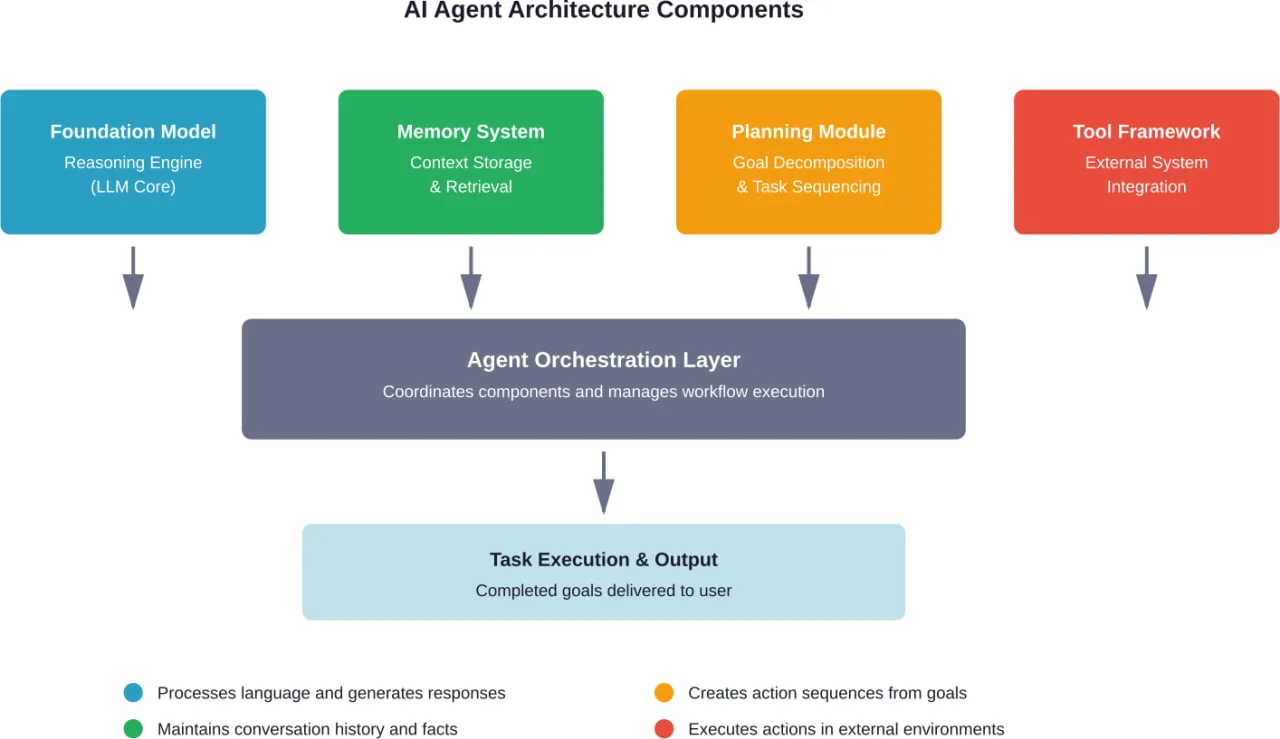
  1. Do I need coding skills to use AI agents?

Not necessarily. No-code platforms like n8n.io and various agent-building tools let users create functional agents through visual interfaces without writing code. However, more complex implementations—custom tool integrations, sophisticated workflows, or specialized reasoning approaches—typically benefit from development capabilities. The technical requirements scale with use case complexity and customization needs.

  1. How much do AI agents cost to implement?

No-code platforms like n8n.io offer free tiers, with paid plans starting at $20/month for the platform itself. Custom implementations incur development costs plus infrastructure and API expenses for the underlying foundation models. Many organizations start with low-cost experiments on existing platforms before investing in custom solutions. Check specific platform websites for current pricing as costs change frequently.

  1. Are AI agents safe to use in production environments?

Safety depends entirely on implementation quality and appropriate guardrails. Agents deployed with proper constraints, validation layers, and monitoring can operate safely in production for appropriate use cases. High-risk applications require more stringent controls—human review loops, extensive testing, and careful risk assessment. Organizations should start with low-risk use cases, establish safety frameworks, and gradually expand to more critical applications as confidence builds.

  1. Can AI agents learn and improve over time?

Agents can improve through several mechanisms. Memory systems let them accumulate knowledge across interactions. Feedback loops enable refinement of prompts, tools, and workflows based on performance data. Some architectures incorporate explicit learning components that adapt behavior based on outcomes. However, agents don’t automatically improve—improvement requires intentional design of learning mechanisms, feedback collection, and systematic refinement processes.

  1. What happens when an AI agent makes a mistake?

Mistake handling depends on the agent’s configuration and the deployment architecture. Well-designed systems include error detection, graceful failure modes, and escalation paths to human reviewers when the agent encounters situations beyond its capabilities. Logging and monitoring systems capture mistakes for analysis and learning. Organizations should design workflows assuming mistakes will occur and implement appropriate safeguards rather than expecting perfect performance.

  1. Which industries benefit most from AI agents?

Customer service, technology, finance, healthcare, and operations-intensive industries show strong agent adoption. However, benefit correlates more with task characteristics than industry. Any domain with repetitive, time-consuming workflows that require some judgment but follow reasonably consistent patterns can benefit from agents. The key is identifying specific use cases where autonomy adds value rather than attempting to apply agents universally across an entire industry.

Висновок

AI agents mark a significant evolution in artificial intelligence—from tools that respond to commands toward systems that autonomously pursue goals. Organizations across industries are discovering practical applications for agents in customer service, data analysis, software development, and process automation.

Success with agents requires understanding their fundamental architecture, selecting appropriate use cases, implementing thoughtful guardrails, and committing to continuous refinement. The technology delivers real value when deployed strategically and measured rigorously.

The path forward involves starting with narrow, well-defined applications, building organizational expertise through hands-on experience, and gradually expanding scope as capabilities and confidence grow.

Ready to implement your first AI agent? Begin by identifying one repetitive, time-consuming workflow in your organization. Define clear success metrics, select an appropriate platform or framework, and build a minimal viable agent. Measure results, gather feedback, and iterate. That’s how effective agent adoption happens—one practical application at a time.

Як працюють агенти штучного інтелекту? Архітектура та механіка (2026)

Короткий виклад: Агенти штучного інтелекту - це автономні програмні системи, які використовують великі мовні моделі та штучний інтелект для самостійного виконання завдань, прийняття рішень і досягнення цілей без постійного контролю з боку людини. Вони поєднують можливості міркування, пам'ять, використання інструментів і сприйняття навколишнього середовища, щоб розбивати складні завдання на кроки, виконувати дії та адаптуватися на основі зворотного зв'язку, функціонуючи більше як цифрові асистенти, які можуть планувати і діяти, а не просто реагувати на підказки.

Перехід від чат-ботів, які відповідають на запитання, до агентів, які дійсно щось роблять, є одним з найбільших стрибків у розвитку штучного інтелекту. Але що відбувається під капотом?

Агенти штучного інтелекту - це не просто розумніші чат-боти. Це системи, призначені для сприйняття навколишнього середовища, міркування над проблемами, прийняття рішень і виконання дій - і все це з різним ступенем автономії. Щоб зрозуміти, як вони працюють, потрібно подивитися на їхню архітектуру, парадигми міркувань, які вони використовують, і механізми, які дозволяють їм взаємодіяти з інструментами та даними.

Чим АІ-агент відрізняється від інших АІ-систем

За визначенням IBM, ШІ-агент - це система, яка автономно виконує завдання, розробляючи робочі процеси за допомогою доступних інструментів. Ця автономність є ключовою відмінністю.

Традиційні системи штучного інтелекту чекають на підказки і реагують на них. Агенти ж можуть ініціювати дії, планувати багатокрокові робочі процеси та переслідувати цілі протягом тривалого часу. Google Cloud визначає ШІ-агентів як програмні системи, які використовують ШІ для досягнення цілей і виконання завдань від імені користувачів, демонструючи міркування, планування, пам'ять і певний рівень автономії для прийняття рішень, навчання та адаптації.

Ось що їх відрізняє:

  • Автономія: Агенти можуть працювати з мінімальним втручанням людини, приймаючи рішення на основі своєї програми та зворотного зв'язку з навколишнім середовищем.
  • Поведінка, орієнтована на досягнення мети: Замість того, щоб просто реагувати, агенти працюють над досягненням визначених цілей.
  • Взаємодія з навколишнім середовищем: Агенти сприймають своє оточення (джерела даних, API, вхідні дані користувачів) і діють відповідно до них.
  • Міркування та планування: Вони розбивають складні завдання на керовані кроки і виконують їх послідовно або адаптивно.

Різниця між агентами, асистентами та ботами має значення. Асистенти допомагають користувачам виконувати завдання, але потребують керівництва. Боти автоматизують прості скриптові взаємодії. Агенти можуть виконувати складні завдання автономно і адаптувати свій підхід на основі результатів.

Порівняння рівнів автономності агентів, асистентів і ботів зі штучним інтелектом

Основна архітектура ШІ-агентів

У своїй основі агенти ШІ зазвичай складаються з декількох взаємопов'язаних компонентів, які працюють разом, щоб забезпечити автономну поведінку.

Модуль сприйняття

Агенти повинні розуміти своє оточення. Модуль сприйняття обробляє вхідні дані - текст, зображення, аудіо, дані з датчиків, відповіді API або запити до бази даних. Мультимодальні можливості фундаментальних моделей дозволяють агентам обробляти різні типи даних одночасно.

Саме тут проявляються мультимодальні можливості генеративного ШІ. Агенти можуть аналізувати документи, інтерпретувати зображення, слухати аудіо та комбінувати ці дані, щоб сформувати повне розуміння ситуації.

Механізм міркувань та планування

Після того, як агент сприймає навколишнє середовище, йому потрібно вирішити, що робити. Механізм міркувань, який часто працює на основі великих мовних моделей (LLM), аналізує поточний стан, порівнює його з цілями і формулює план.

Нещодавні дослідження з arXiv висвітлюють ієрархічні системи прийняття рішень. Дослідження “Агент як інструмент” (arXiv:2507.01489) пропонує відокремити процес виклику інструменту від процесу міркувань. Це дозволяє моделі зосередитися на вербальній аргументації, в той час як інший агент займається виконанням інструменту, досягаючи порівнянної або кращої продуктивності.

Парадигми міркувань різняться:

  • Ланцюжок міркувань: Розбиття проблем на послідовні кроки
  • Ієрархічні міркування: Багаторівнева організація рішень, з високим рівнем стратегії та низьким рівнем виконання
  • Навчання з підкріпленням - доповнене міркування: Використання зворотного зв'язку для покращення якості рішень з часом

Згідно з документом arXiv 2512.24609, агенти LLM, доповнені навчанням з підкріпленням, покращують спільне прийняття рішень та оптимізацію продуктивності. LLM добре справляються з мовними завданнями, але часто мають проблеми з прийняттям складних послідовних рішень - навчання з підкріпленням заповнює цю прогалину.

Системи пам'яті

Пам'ять відрізняє реактивних ботів від справді автономних агентів. Агенти підтримують як короткочасну (робочу), так і довготривалу пам'ять.

Короткострокова пам'ять зберігає поточні контекстно-релевантні взаємодії, проміжні результати та стан задачі. Довгострокова пам'ять зберігає вивчені шаблони, минулі рішення, успішні стратегії та знання предметної області.

Це дозволяє агентам вчитися на власному досвіді та адаптувати свою поведінку. Агент, який не впорався із завданням, може згадати, що пішло не так, і спробувати інший підхід.

Виконання дій та використання інструментів

Агенти не просто думають - вони діють. Рівень виконання дій перетворює рішення на конкретні операції: виклик API, запити до баз даних, написання коду, надсилання повідомлень або керування зовнішніми системами.

Використання інструментів має вирішальне значення. Практичний посібник OpenAI зі створення агентів підкреслює, що агенти можуть визначати, вибирати та запускати робочі процеси за допомогою доступних інструментів. Інструменти можуть включати

  • Пошукові системи для пошуку інформації
  • Інтерпретатори коду для запуску обчислень
  • Коннектори бази даних для запитів до структурованих даних
  • Зовнішні API для інтеграції сторонніх сервісів
  • Моделі машинного навчання для спеціалізованих прогнозів

Фреймворк ToolUniverse від Гарвардського інституту Кемпнера забезпечує середовище, в якому магістри наук взаємодіють з більш ніж шістьма сотнями наукових інструментів, включаючи моделі машинного навчання, бази даних і симулятори. Стандартизація того, як моделі ШІ отримують доступ до інструментів і комбінують їх, дозволяє створювати більш досконалих агентів-“вчених ШІ”.

Ключові компоненти архітектури ШІ-агентів, що демонструють сприйняття, міркування, пам'ять, дії та зворотний зв'язок

Як агенти штучного інтелекту приймають рішення

Процес прийняття рішень в АІ-агентах включає в себе кілька рівнів обробки. Ось типовий потік:

Визначення мети

По-перше, агент отримує або визначає мету. Це може бути завдання від користувача (“проаналізувати дані про продажі за цей квартал і визначити тенденції”) або від власної програми агента (системи моніторингу та оповіщення про аномалії).

Оцінка впливу на навколишнє середовище

Агент збирає відповідну інформацію. Які дані доступні? Які інструменти можна використовувати? Які існують обмеження? Ця контекстуальна обізнаність формує простір для прийняття рішень.

Розробка плану

Використовуючи свій механізм міркувань, агент генерує план. Для складних завдань це передбачає розбиття мети на підзадачі, їх логічне впорядкування та визначення залежностей.

Дослідження ієрархічного навчання з підкріпленням (arXiv:2212.06967) показує, як агенти можуть пояснити прийняття рішень в ієрархічних сценаріях. Високорівневі стратегії розкладаються на низькорівневі дії, що робить процес прийняття рішень більш зрозумілим.

Вибір та виконання дій

Агент обирає наступну дію на основі поточного стану та плану. Він виконує дію, використовуючи доступні інструменти - запити до бази даних, виклик API, генерування тексту або запуск коду.

Інтеграція зворотного зв'язку

Після кожної дії агент оцінює результат. Чи вдалося це зробити? Чи наблизився він до мети? Якщо ні, агент оновлює свій план і пробує інший підхід.

У дослідженні Anthropic, присвяченому вимірюванню автономії ШІ-агентів на практиці, було проаналізовано мільйони взаємодій між людиною та агентом. Серед нових користувачів Claude Code приблизно 20% сеансів використовують повне автосхвалення, яке зростає до понад 40%, коли користувачі набувають досвіду - це свідчить про те, що користувачі більше довіряють агентам, коли вони доводять свою надійність у прийнятті рішень.

Цикл зворотного зв'язку - це те місце, де навчання з підкріпленням є найкращим. Згідно з фреймворком Agent Lightning (arXiv:2508.03680), навчання з підкріпленням дозволяє навчати БУДЬ-ЯКИХ агентів ШІ за допомогою гнучких, розширюваних методів, які з часом покращують продуктивність.

Типи АІ-агентів і як вони працюють по-різному

Не всі агенти побудовані однаково. Різні архітектури підходять для різних завдань.

Прості рефлекторні агенти

Ці агенти реагують на поточне сприйняття, не беручи до уваги історію. Вони дотримуються правил "умова-дія": якщо X, то Y. Обмежені, але швидкі та передбачувані для простих середовищ.

Рефлекторні агенти на основі моделей

Ці агенти підтримують внутрішню модель світу, що дозволяє їм працювати з частково спостережуваними середовищами. Вони відстежують стан у часі та приймають рішення на основі як поточних вхідних даних, так і історичного контексту.

Агенти, орієнтовані на цілі

Ці агенти явно переслідують певні цілі. Вони оцінюють різні послідовності дій, щоб визначити, яка з них найкраще досягає мети. Алгоритми планування та пошуку керують їхньою поведінкою.

Агенти на базі комунальних підприємств

Окрім простого досягнення цілей, агенти, засновані на корисності, оптимізують якість. Вони присвоюють значення корисності різним станам і вибирають дії, які максимізують очікувану корисність. Це дає змогу приймати тонкі рішення, коли до досягнення мети ведуть кілька шляхів.

Агенти навчання

Агенти навчання вдосконалюються через досвід. Вони поєднують в собі елемент виконання (приймає рішення), критика (оцінює результати), елемент навчання (оновлює поведінку на основі зворотного зв'язку) і генератор проблем (досліджує нові стратегії).

Фреймворк AgentGym-RL (arXiv:2509.08755) фокусується на навчанні LLM-агентів для прийняття довгострокових рішень за допомогою багатооборотного навчання з підкріпленням. Ці агенти вирішують завдання, які вимагають тривалого міркування та адаптації протягом тривалої взаємодії.

Тип агентаПідстава для прийняття рішенняПам'ятьВаріант використання
Простий рефлексТільки вхід струмуНі.Базова автоматизація
Рефлекс на основі моделейПоточна + внутрішня модельВідстеження стануЧастково спостережувані завдання
ЦілеспрямованістьДосягнення цілейСтан плануванняБагатокрокові робочі процеси
На основі комунальних послугОптимізація результатівМоделі перевагРішення, чутливі до якості
НавчанняДосвід + адаптаціяДовгострокове навчанняСкладні середовища, що розвиваються

Роль великих мовних моделей в агентах штучного інтелекту

Магістральні нейронні мережі стали основою сучасного агентного ШІ. Здатність розуміти природну мову, генерувати зв'язний текст і виконувати завдання на основі міркувань робить їх ідеальними для агентних додатків.

У посібнику OpenAI зазначається, що прогрес у міркуваннях, мультимодальності та використанні інструментів, досягнутий LLM, відкрив агентні можливості. Тепер моделі можуть інтерпретувати складні інструкції, розбивати їх на кроки і координувати різні інструменти для досягнення цілей.

Але одних магістрів недостатньо. Реальна розмова: їм потрібні риштування. Системи пам'яті, інтерфейси інструментів, механізми зворотного зв'язку та шари оркестрування перетворюють мовну модель на функціональний агент.

MIT Sloan описує агентний ШІ як системи, які є напів- або повністю автономними, здатні сприймати, міркувати та діяти самостійно. LLM забезпечують ядро міркувань, але архітектура агента забезпечує автономію.

Як магістри права вмикають можливості агентів

  • Розуміння природної мови: Агенти можуть інтерпретувати цілі користувача, виражені простою англійською (або будь-якою іншою мовою).
  • Контекстуальні міркування: Магістри обробляють великі обсяги контексту, розуміючи взаємозв'язки між частинами інформації.
  • Генерація коду: Агенти можуть писати і виконувати код для виконання обчислень, перетворення даних або автоматизації.
  • Багатоходовий діалог: Підтримання послідовних, цілеспрямованих розмов під час багатьох обмінів.
  • Вибір інструменту: Вибір правильного інструменту для виконання завдання на основі описів і минулого досвіду.

Обмеження та як агенти їх долають

Магістри мають відомі обмеження: галюцинації, відсутність справжньої аргументації, труднощі з математикою і відсутність вродженої пам'яті за межами контекстного вікна.

Архітектура агентів пом'якшує ці проблеми:

  • Галюцинація: Агенти перевіряють результати, використовуючи зовнішні інструменти (бази даних, калькулятори, пошукові системи), а не покладаючись виключно на генерацію моделі.
  • Глибина міркувань: Багатокрокові підказки та методи ланцюжка думок сприяють більш глибокому міркуванню.
  • Математика і логіка: Вивантаження обчислень на інтерпретатори коду або символьні розв'язувачі.
  • Пам'ять: Системи зовнішньої пам'яті (векторні бази даних, графи знань) розширюють пам'ять агента за межі контекстного вікна.

Мультиагентні системи та координація

Окремі агенти можуть бути потужними. Але мультиагентні системи, де співпрацюють кілька агентів, відкривають ще більші можливості.

Кожен агент може спеціалізуватися на певній області або функції. Один агент може займатися пошуком даних, інший - аналізом, третій - створенням звітів, а четвертий - управлінням взаємодією з користувачами. Вони координують свою роботу через передачу повідомлень, спільну пам'ять або ієрархічний контроль.

Дослідження гібридних агентних фреймворків ШІ (IEEE) вивчає інтеграцію AIML і машинного навчання для контекстно-орієнтованих автономних систем. Різні типи агентів співпрацюють, кожен з них використовує свої сильні сторони.

Виклики в мультиагентних системах включають в себе наступні:

  • Координація - це накладно: Агенти повинні ефективно спілкуватися та уникати конфліктів.
  • Розподіл завдань: Вирішити, який агент обробляє яку підзадачу.
  • Послідовність: Забезпечення того, щоб агенти працювали на одну загальну мету.
  • Обробка збоїв: Що відбувається, коли один агент зазнає невдачі? Інші повинні адаптуватися.

Винагородою є стійкість і масштабованість. Якщо один агент потрапляє у вузьке місце, інші продовжують працювати. Спеціалізація покращує продуктивність у кожній області.

Навчання та вдосконалення агентів штучного інтелекту

Як агенти стають кращими? Навчання включає в себе навчання під наглядом, навчання з підкріпленням та людський зворотній зв'язок.

Контрольоване доопрацювання під наглядом

Агенти вчаться на маркованих прикладах: у ситуації X правильна дія - Y. Це формує базову компетенцію, але погано справляється з новими сценаріями.

Навчання з підкріпленням

Агенти вчаться методом проб і помилок, отримуючи винагороду за успішні дії та покарання за невдачі. З часом вони оптимізуються для максимізації винагороди.

Фреймворк Agent Lightning представляє гнучкі методи навчання для будь-яких ШІ-агентів з використанням навчання з підкріпленням. Цей підхід адаптується до різних середовищ і завдань.

Зворотний зв'язок "Людина в курсі подій

Люди-оцінювачі переглядають рішення агентів, вносячи свої корективи та побажання. Цей зворотній зв'язок покращує поведінку агента та узгоджує її з людськими цінностями.

Робота Anthropic над оцінкою ШІ-агентів підкреслює, що хороші оцінки допомагають командам більш впевнено запускати агентів. Без ретельної оцінки проблеми виникають лише на виробництві - коли виправлення однієї помилки може призвести до інших.

Вибір правильних грейдерів для оцінювання має значення. Грейдери на основі коду (співставлення рядків, статичний аналіз, перевірка результатів) надають об'єктивні показники. Грейдери на основі LLM оцінюють нюанси, такі як корисність або узгодженість. Поєднання обох методів дає комплексну оцінку.

Безперервне навчання

Розгорнуті агенти продовжують вчитися на реальних взаємодіях. Вони реєструють результати, оновлюють моделі та вдосконалюють стратегії з часом. Це створює віртуальний цикл підвищення продуктивності.

Цикл безперервного вдосконалення агентів ШІ через розгортання, виконання, оцінку та навчання

Застосування в реальному світі: Як агенти працюють на практиці

Розуміння теорії - це одне. Спостереження за агентами в дії прояснює їхню цінність.

Автоматизація обслуговування клієнтів

Агенти обробляють запити клієнтів від початку до кінця. Вони отримують інформацію про обліковий запис, вирішують проблеми, обробляють запити та переадресовують складні випадки людям. Системи пам'яті відстежують історію розмов між сеансами, забезпечуючи безперервність.

Аналіз даних та звітність

Агенти роблять запити до баз даних, проводять статистичний аналіз, створюють візуалізації та пишуть звіти. За даними MIT Sloan, у сферах, що вимагають значних зусиль для оцінки варіантів, таких як закупівлі B2B, агенти створюють цінність, читаючи відгуки, аналізуючи метрики та порівнюючи атрибути між варіантами.

Допомога в розробці програмного забезпечення

Агенти пишуть код, виправляють помилки, рефакторингують функції та керують розгортанням. Аналіз використання Claude Code показує, що з набуттям досвіду користувачі все частіше дозволяють агенту працювати автономно, втручаючись лише за потреби. Цей зсув демонструє зростаючу довіру до можливостей агента.

Наукові дослідження

Фреймворк ToolUniverse дозволяє ШІ-агентам взаємодіяти з сотнями наукових інструментів. Ці “вчені зі штучним інтелектом” розробляють експерименти, запускають симуляції, аналізують результати та висувають гіпотези, прискорюючи дослідницький цикл.

Управління мережею

Дослідження IEEE щодо автономної когнітивної архітектури на основі ШІ-агентів для базових мереж 6G показує, що агенти керують складною телекомунікаційною інфраструктурою, оптимізують продуктивність і реагують на збої без втручання людини.

Виклики та обмеження

Агенти не ідеальні. Залишається кілька проблем.

Надійність та обробка помилок

Агенти можуть помилятися - вибирати неправильні інструменти, неправильно інтерпретувати контекст або генерувати неправильні результати. Надійна обробка помилок та механізми резервування є вкрай важливими.

Прозорість і зрозумілість

Зрозуміти, чому агент прийняв те чи інше рішення, може бути складно. Міркування "чорного ящика" підривають довіру та ускладнюють налагодження. Дослідження, присвячене поясненню прийняття рішень агентами в ієрархічних сценаріях навчання з підкріпленням (arXiv:2212.06967), вирішує цю проблему, роблячи міркування агентів більш інтерпретованими.

Безпека та захист

Автономні агенти з доступом до інструментів створюють ризики. Вони можуть ненавмисно видалити дані, розкрити конфіденційну інформацію або виконати шкідливі дії. Система управління ризиками штучного інтелекту NIST надає рекомендації щодо зміцнення довіри до технологій штучного інтелекту, одночасно зменшуючи ризики.

Центр стандартів та інновацій у сфері ШІ NIST опублікував запити на інформацію про захист агентів ШІ, визнаючи, що вони становлять унікальну загрозу для безпеки.

Вирівнювання та визначення вартості

Забезпечення того, щоб агенти переслідували правильні цілі у правильний спосіб - узгодження - залишається відкритою проблемою. Неправильно визначені цілі можуть призвести до непередбачуваних наслідків, навіть якщо агент функціонує правильно.

Споживання ресурсів

Запуск складних агентів з великими моделями, великою кількістю викликів інструментів і безперервним навчанням може вимагати значних обчислювальних витрат. Оптимізація ефективності без шкоди для можливостей є постійним викликом.

Найкращі практики створення агентів штучного інтелекту

Організації, які розгортають агентів, повинні дотримуватися перевірених принципів.

Почніть з простого, потім масштабуйте

Почніть з вузьких, чітко визначених завдань. Переконайтеся, що агент працює в контрольованому середовищі, перш ніж розширювати сферу застосування. Поступове розгортання знижує ризик.

Розробляйте надійні системи оцінювання

Згідно з посібником з оцінювання Anthropic, ефективний дизайн оцінювання поєднує в собі грейдери на основі коду та на основі LLM, узгоджуючи складність оцінювання зі складністю системи. Визначте метрики успіху на ранній стадії та ретельно тестуйте.

Впровадити огородження та механізми безпеки

Обмежуйте дозволи агентів, перевіряйте дії перед виконанням і безперервно контролюйте поведінку. Стандарт NIST SP 800-53 Control Overlays for Securing AI Systems забезпечує засоби контролю безпеки, адаптовані до інфраструктури штучного інтелекту.

Пріоритетність громадського контролю за прийняттям важливих рішень

Автономія цінна, але критичні рішення повинні прийматися за участю людей. Розробити агентів, які запитуватимуть схвалення для подальших дій.

Ітерація на основі реальних відгуків

Розгортайте, спостерігайте, вчіться, покращуйте. Взаємодія з користувачами виявляє граничні випадки і режими збоїв, які не враховуються при тестуванні. Цикли безперервного вдосконалення мають важливе значення.

Поведінка та обмеження агента документообігу

Чітка документація допомагає користувачам зрозуміти, що агенти можуть і чого не можуть робити, встановлюючи реалістичні очікування та підвищуючи довіру.

Перетворіть механіку ШІ-агентів на робочу систему

Архітектурні схеми та механізми агентів пояснюють, як мають взаємодіяти компоненти, але реальні системи рідко поводяться точно так, як на схемах. Як тільки ви переходите до реалізації, питання переходять до надійності, узгодженості даних і того, як різні сервіси справляються з реальними робочими навантаженнями з плином часу.

A-listware працює над цим практичним аспектом. Компанія надає команди розробників, які займаються внутрішніми системами, інтеграцією та інфраструктурою навколо рішень на основі штучного інтелекту, допомагаючи компаніям переходити від теоретичних моделей до систем, які працюють щодня. Зв'яжіться з нами Програмне забезпечення списку А щоб підтримувати збірку і підтримувати роботу системи після початкового налаштування.

Майбутнє ШІ-агентів

Куди рухається ця технологія?

Очікується більш глибока інтеграція навчання з підкріпленням, що дозволить агентам вирішувати довгострокові завдання з кращим плануванням. Розвиватиметься мультиагентна співпраця зі стандартизованими протоколами зв'язку та фреймворками оркестрування.

Спеціалізація зростатиме. Агенти для конкретних галузей, навчені на галузевих даних і оптимізовані під конкретні робочі процеси, перевершуватимуть системи загального призначення у своїх нішах.

Інтероперабельність між агентами від різних постачальників стане критично важливою. Цьому сприятимуть відкриті стандарти та спільні інтерфейси інструментів.

Розвиватимуться системи регулювання та управління. Оскільки агенти беруть на себе більш відповідальні ролі, стандарти підзвітності, прозорості та безпеки будуть посилюватися.

Межі між агентами та традиційним програмним забезпеченням розмиватимуться. Зрештою, агентські можливості можуть стати стандартними функціями більшості додатків, а не окремою категорією.

Поширені запитання

  1. У чому головна відмінність між АІ-агентом і чат-ботом?

Агенти ШІ можуть самостійно планувати, приймати рішення та виконувати багатокрокові завдання для досягнення цілей, тоді як чат-боти переважно реагують на вхідні дані користувача без самостійної цілеспрямованої поведінки. Агенти поєднують міркування, пам'ять і використання інструментів для роботи з різним ступенем автономії, тоді як чат-боти реагують за сценарієм або підказками.

  1. Як АІ-агенти використовують інструменти та API?

Агенти ШІ визначають, які інструменти потрібні для виконання завдання, викликають API або виконують код для виконання певних операцій, отримують результати та інтегрують їх у свій робочий процес. Механізм міркувань агента обирає відповідні інструменти на основі вимог завдання, а рівень виконання дій відповідає за технічний інтерфейс із зовнішніми системами.

  1. Чи можуть ШІ-агенти вчитися на своїх помилках?

Так, особливо агенти, розроблені з механізмами навчання з підкріпленням або безперервного навчання. Вони оцінюють результати після кожної дії, оновлюють свої внутрішні моделі на основі успіху або невдачі і відповідно коригують майбутню поведінку. Цей цикл зворотного зв'язку дозволяє покращувати продуктивність з часом.

  1. Для яких завдань найкраще підходять АІ-агенти?

Агенти штучного інтелекту чудово справляються з багатокроковими робочими процесами, аналізом даних і звітністю, автоматизацією обслуговування клієнтів, допомогою в розробці програмного забезпечення та завданнями, що вимагають координації декількох інструментів або джерел даних. Вони особливо цінні для повторюваних, але складних завдань, які виграють від автономного виконання з періодичним контролем з боку людини.

  1. Чи надійно та безпечно розгортати АІ-агентів?

Безпека залежить від реалізації. Належним чином розроблені агенти з обмеженими дозволами, перевіркою дій, моніторингом і людським наглядом за прийняттям відповідальних рішень можуть бути розгорнуті безпечно. Організаціям слід дотримуватися таких стандартів, як NIST's AI Risk Management Framework, і впроваджувати надійні засоби контролю безпеки. Ризики залишаються, особливо для агентів з широким доступом до інструментів або недостатніми засобами захисту.

  1. Як мультиагентні системи координують свої дії?

Мультиагентні системи використовують комунікаційні протоколи, спільну пам'ять, ієрархічні структури управління або інтерфейси передачі повідомлень для координації. Агенти домовляються про розподіл завдань, обмінюються інформацією про стан середовища та синхронізують дії, щоб уникнути конфліктів. Механізми координації залежать від архітектури системи - деякі використовують централізовану оркестровку, інші покладаються на однорангові переговори.

  1. Яку роль відіграють великі мовні моделі в АІ-агентах?

Великі мовні моделі забезпечують міркування та розуміння природної мови в основі сучасних агентів ШІ. Вони інтерпретують цілі користувача, генерують плани, вибирають інструменти та створюють результати. LLM дозволяють агентам обробляти складні інструкції, виконувати багатокрокові міркування та природно взаємодіяти з людиною. Архітектура агента забезпечує пам'ять, інструментальні інтерфейси та оркестровку, які перетворюють LLM на автономну систему.

Висновок

Агенти ШІ - це фундаментальний перехід від реактивних систем ШІ до автономного, цілеспрямованого програмного забезпечення. Вони працюють за допомогою інтегрованих архітектур, що поєднують сприйняття, міркування, пам'ять і дії - все частіше на основі великих мовних моделей, але зі спеціалізованими компонентами, які забезпечують справжню автономію.

Розуміння того, як агенти сприймають навколишнє середовище, приймають рішення, використовують інструменти та навчаються на основі зворотного зв'язку, прояснює як їхній потенціал, так і обмеження. З розвитком цих систем вони будуть вирішувати дедалі складніші завдання, але проблеми з надійністю, безпекою та узгодженістю залишаються.

Для організацій, які досліджують агентний ШІ, шлях вперед передбачає початок з чітко визначених варіантів використання, створення надійних систем оцінки, впровадження надійних засобів захисту та ітерації на основі розгортання в реальному світі. Технологія вже готова, але для успішного впровадження потрібен продуманий дизайн і постійне вдосконалення.

Готові створити свого першого АІ-агента? Почніть з вузького, високоцінного завдання, розробіть чіткі метрики успіху та поступово масштабуйте його, коли отримаєте впевненість у можливостях системи.

AI Agent Use Cases: 40+ Real Examples for 2026

Короткий виклад: AI agents are autonomous systems that combine foundation models with reasoning, planning, and tool use to execute complex tasks with minimal human intervention. Unlike traditional chatbots, they can operate across multiple domains—from customer support and sales to finance, healthcare, and logistics—delivering productivity gains of 2-10x in early enterprise deployments. By 2026, organizations are deploying agents for everything from automated fraud detection to supply chain optimization, with government and industry standards emerging to ensure safe, interoperable adoption.

AI agents aren’t just another buzzword in the technology cycle. They represent a fundamental shift in how businesses automate work, make decisions, and interact with customers.

Unlike the single-task chatbots of the past, modern AI agents can autonomously plan multi-step workflows, reason through complex scenarios, and execute actions across dozens of integrated tools. They don’t just answer questions—they complete entire business processes from start to finish.

But here’s the thing: the gap between hype and reality remains wide. According to McKinsey’s Global Survey on AI, while 78% of enterprises report using generative AI in at least one function, more than 80% report no material contribution to earnings. The difference? Organizations that deploy true agentic systems—not just layered AI onto existing human-centric workflows.

This guide examines over 40 real-world AI agent use cases already operating in production across industries. These aren’t theoretical applications. They’re proven deployments that companies are using right now to cut costs, accelerate processes, and scale operations that were previously bottlenecked by human capacity.

What Makes AI Agents Different from Traditional Automation

Traditional automation follows rigid if-then rules. AI agents operate with autonomy, adapting their approach based on context, learning from interactions, and making decisions without pre-programmed scripts for every scenario.

An AI agent combines several core capabilities:

  • Foundation models that understand natural language and context
  • Reasoning engines that break complex goals into sequential steps
  • Memory systems that track conversation history and user preferences
  • Tool integration allowing access to databases, APIs, and external software
  • Planning mechanisms that determine the optimal path to complete a task

When these components work together, agents can handle sophisticated workflows that would traditionally require human judgment at multiple decision points.

Take customer support. A traditional chatbot can answer FAQs from a knowledge base. An AI agent can diagnose a technical issue, check order history across multiple systems, process a refund, schedule a follow-up, and update the CRM—all in a single interaction without human handoff.

That level of autonomy changes the economics of automation. Instead of automating 20% of support tickets, agents can handle 70% or more, as demonstrated by Vodafone implemented an AI agent-based support system that handles over 70% of customer inquiries without human intervention.

Customer Service and Support Use Cases

Customer service remains the most mature deployment area for AI agents, with production systems already operating at significant scale across telecommunications, retail, and financial services.

Automated Ticket Resolution

AI agents can resolve common support requests end-to-end without human involvement. They access order databases, verify account information, process refunds, update shipping addresses, and confirm resolution with the customer.

The key difference from older chatbots? Agents don’t just look up answers—they execute actions across multiple systems. When a customer reports a defective product, the agent can verify the purchase, check warranty status, initiate a return label, process the refund, and update inventory systems in one continuous workflow.

Intelligent Ticket Routing

When issues require human expertise, agents analyze the inquiry context, customer history, and technical complexity to route tickets to the most appropriate specialist. This reduces average handling time by matching problems with the right expertise on first contact.

Agents also draft initial resolution proposals for human agents, providing context summaries and suggesting solutions based on similar past cases. This cuts research time and accelerates resolution.

Proactive Support Outreach

Agents monitor system health, usage patterns, and early warning signals to contact customers before problems escalate. When a payment method is about to expire or a service disruption affects specific accounts, agents initiate outreach with personalized solutions.

This shifts support from reactive firefighting to preventive relationship management, reducing churn and improving customer satisfaction scores.

Multilingual Support at Scale

AI agents provide native-quality support across dozens of languages simultaneously, eliminating the need to staff multilingual support teams across time zones. They maintain consistent service quality whether responding in English, Spanish, Mandarin, or Arabic.

For global companies, this capability alone can justify agent adoption—enabling 24/7 worldwide support without proportional headcount increases.

How AI agents process customer support requests from initial contact through resolution, with escalation paths for complex cases

Sales and Marketing Agent Applications

Sales and marketing teams are deploying agents to handle repetitive prospecting, lead qualification, content personalization, and campaign optimization—freeing human talent for strategic relationship building.

Lead Qualification and Scoring

AI agents analyze inbound leads across multiple data sources, assessing company size, technology stack, engagement signals, and buying intent. They score leads based on fit and readiness, automatically routing high-value prospects to sales while nurturing others with personalized content sequences.

This eliminates the manual research that typically consumes 30-40% of sales development time, allowing teams to focus exclusively on qualified conversations.

Personalized Outreach at Scale

Agents craft customized outreach messages by analyzing prospect background, recent company news, social media activity, and content consumption patterns. Each message reflects genuine research rather than templated bulk email.

The system also determines optimal send times, follow-up sequences, and channel selection (email, LinkedIn, phone) based on historical response patterns for similar prospects.

Meeting Scheduling and Preparation

Once a prospect expresses interest, agents handle back-and-forth scheduling, send calendar invites, and prepare briefing documents for sales reps with prospect background, pain points, competitive intel, and suggested talking points.

This coordination work—traditionally requiring multiple emails and manual research—happens automatically, ensuring sales reps enter every conversation fully prepared.

Content Generation and Optimization

Marketing agents generate blog posts, social media content, email campaigns, and ad copy variations based on performance data and audience segmentation. They test headlines, calls-to-action, and messaging angles, continuously optimizing based on engagement metrics.

Some systems can produce hundreds of content variations for A/B testing, identifying winning formulas faster than human-only teams.

Campaign Performance Analysis

Agents monitor campaign metrics in real-time, identifying underperforming segments and automatically adjusting budgets, targeting, and creative elements. When a campaign variant outperforms, the agent reallocates spend and scales the winning approach across channels.

This continuous optimization operates at a speed impossible for human marketers monitoring dozens of simultaneous campaigns.

Finance and Accounting Automation

Financial operations are seeing dramatic efficiency gains from agent deployment, particularly in areas requiring high accuracy, regulatory compliance, and cross-system data reconciliation.

Invoice Processing and Reconciliation

AI agents extract data from incoming invoices regardless of format, match them against purchase orders, flag discrepancies, route approvals to appropriate managers, and trigger payment processing once approved.

A global industrial firm cut audit reporting time by 92% by deploying agents for financial reconciliation workflows, according to research published in the Harvard Data Science Review.

Expense Report Management

Agents review employee expense submissions, verify receipts against policy guidelines, flag out-of-policy items with specific explanations, and auto-approve compliant submissions. They learn company-specific policy interpretations over time, reducing manual review workload.

Employees receive instant feedback on policy violations rather than waiting days for approvals, improving both speed and compliance.

Fraud Detection and Prevention

Financial agents monitor transaction patterns in real-time, identifying anomalies that suggest fraud, money laundering, or policy violations. They assess transactions against behavioral baselines, flagging suspicious activity for investigation while auto-approving routine payments.

Companies report agents actively running in finance for fraud detection and credit risk assessment, with implementations spanning banking, insurance, and enterprise finance operations.

Financial Forecasting and Reporting

Agents compile financial reports by pulling data from multiple systems, applying accounting rules, generating variance analyses, and drafting executive summaries. They produce monthly board reports, quarterly earnings analyses, and budget-versus-actual comparisons automatically.

This eliminates the multi-day manual process of consolidating spreadsheets and writing commentary, delivering reports within hours of month-end close.

Regulatory Compliance Monitoring

Financial institutions deploy agents to monitor transactions for regulatory compliance, automatically filing required reports, flagging potential violations, and maintaining audit trails. Agents stay updated on changing regulations, adjusting monitoring rules as requirements evolve.

This continuous compliance monitoring reduces regulatory risk while freeing compliance teams to focus on complex interpretations rather than routine checks.

Finance Use CaseTraditional TimeWith AI AgentTime Saved
Invoice Processing (100 invoices)8 hours45 minutes91%
Monthly Financial Report3 days4 hours83%
Expense Report Review (50 reports)6 hours30 minutes92%
Audit Report Preparation5 days8 hours84%
Transaction Monitoring (daily)4 hoursContinuous/Automatic100%

Healthcare and Medical Use Cases

Healthcare organizations are deploying agents carefully, focusing on administrative workflows and clinical decision support while maintaining strict human oversight for patient-facing decisions.

Patient Intake and Scheduling

Medical agents handle appointment scheduling, insurance verification, medical history collection, and pre-visit paperwork. They ask clarifying questions about symptoms, determine appropriate appointment types, and route urgent cases for immediate attention.

This reduces phone hold times and administrative burden while ensuring patients reach the right specialist with complete information.

Clinical Documentation Assistance

Agents listen to patient consultations, generate clinical notes, code diagnoses and procedures, and draft referral letters. Physicians review and approve the documentation, but the initial drafting work happens automatically.

This can save physicians 1-2 hours per day on documentation, time that can be redirected to patient care.

Medical Records Analysis

Agents review patient records to identify potential drug interactions, flag missing screenings based on age and risk factors, and surface relevant medical history during consultations. They act as intelligent assistants surfacing information clinicians need exactly when needed.

Insurance Authorization

Prior authorization remains a significant administrative burden. Agents gather required documentation, submit authorization requests, follow up on pending cases, and alert staff to denials requiring appeals.

This automation can reduce prior auth processing time from days to hours, accelerating treatment starts.

Medication Adherence Monitoring

Agents send medication reminders, check in on side effects, answer questions about proper usage, and alert clinical teams when patients miss doses or report concerning symptoms. This ongoing monitoring improves adherence rates without requiring staff time.

IT Operations and DevOps

Development and operations teams deploy agents for infrastructure management, incident response, code review, and system monitoring—areas where automation has existed for years but required extensive manual configuration.

Incident Detection and Response

IT agents monitor system health metrics, detect anomalies, diagnose root causes, and execute remediation steps automatically. When a service degrades, the agent checks logs, identifies the failing component, attempts standard fixes, and escalates to on-call engineers if automated resolution fails.

This reduces mean-time-to-resolution from hours to minutes for common incident types.

Code Review and Quality Assurance

Development agents review pull requests for security vulnerabilities, performance issues, style violations, and logical errors. They suggest improvements, flag potential bugs, and verify test coverage before human review.

This catches routine issues automatically, allowing human reviewers to focus on architecture and business logic.

Infrastructure Provisioning

Agents interpret natural language requests to provision cloud resources, configure networking, set up monitoring, and apply security policies. A developer can request “a production environment for the new API service” and the agent handles the 20+ configuration steps automatically.

Security Threat Response

Security agents monitor for indicators of compromise, investigate suspicious activity, isolate affected systems, and initiate incident response protocols. They operate at machine speed, containing threats within seconds rather than the hours typical in manual response.

Documentation Generation

Agents analyze codebases to generate API documentation, update README files, create architecture diagrams, and draft runbooks for common procedures. They keep documentation synchronized with code changes automatically.

Human Resources Applications

HR departments use agents to streamline recruiting, onboarding, employee support, and performance management—improving employee experience while reducing administrative overhead.

Candidate Sourcing and Screening

Recruiting agents search job boards, LinkedIn, and internal databases to identify qualified candidates. They review resumes against job requirements, score applicants on fit, schedule initial screenings, and provide hiring managers with shortlists of pre-qualified candidates.

This dramatically expands the talent pool recruiters can effectively evaluate, improving hire quality while reducing time-to-fill.

Interview Coordination

Agents schedule interview panels across multiple calendars, send preparation materials to interviewers, collect feedback forms, and compile evaluation summaries for hiring decisions. The coordination work that typically requires 5-10 emails per candidate happens automatically.

Employee Onboarding

New hire agents guide employees through onboarding checklists, provision system access, assign training modules, schedule orientation meetings, and answer common questions about benefits, policies, and tools.

New employees receive personalized guidance without requiring HR staff time, while the system ensures no critical onboarding steps are missed.

HR Help Desk

Employee support agents answer questions about benefits, time-off policies, expense procedures, and internal systems. They process routine requests like address changes, tax form updates, and PTO submissions automatically.

This provides 24/7 employee support while freeing HR staff for complex cases requiring human judgment and empathy.

Performance Review Coordination

Agents manage performance review cycles, sending reminders, collecting feedback from multiple reviewers, compiling 360-degree assessments, and flagging incomplete submissions as deadlines approach.

Manufacturing and Supply Chain

Industrial operations deploy agents for predictive maintenance, quality control, inventory optimization, and logistics coordination—areas where real-time decision-making drives significant cost savings.

Predictive Maintenance

Manufacturing agents monitor equipment sensor data, predict component failures before they occur, automatically schedule maintenance during planned downtime, and order replacement parts proactively.

This prevents unexpected breakdowns that halt production, improving overall equipment effectiveness while reducing emergency maintenance costs.

Quality Control Inspection

Vision-based agents inspect products on production lines, identifying defects, measuring tolerances, and rejecting out-of-spec items automatically. They achieve consistency impossible for human inspectors while operating continuously at line speed.

Inventory Optimization

Supply chain agents analyze demand patterns, supplier lead times, and carrying costs to optimize inventory levels. They automatically trigger reorders when stock reaches calculated reorder points and adjust safety stock based on demand volatility.

This balances the competing goals of avoiding stockouts while minimizing working capital tied up in inventory.

Shipment Tracking and Exception Management

Logistics agents monitor shipments in transit, identify delays, proactively notify customers, arrange alternative routing when issues arise, and update delivery estimates across systems.

When a shipment is delayed, the agent contacts carriers, explores expedited options, and communicates revised timelines—all without human intervention unless escalation thresholds are met.

Demand Forecasting

Planning agents analyze historical sales data, market trends, promotional calendars, and external factors to generate demand forecasts. They continuously update predictions as new data arrives, enabling more responsive production and procurement planning.

Percentage of enterprises using AI agents in production by industry vertical, based on 2026 deployment data

Legal and Compliance

Legal departments are deploying agents for contract analysis, legal research, compliance monitoring, and discovery—focusing on high-volume, pattern-recognition tasks while maintaining attorney oversight for strategic decisions.

Contract Review and Analysis

Legal agents review contracts to identify non-standard clauses, flag risk terms, extract key provisions, and compare agreements against approved templates. They process vendor contracts, NDAs, and employment agreements at scale.

This allows legal teams to review 10x more contracts at the same time, catching issues that might slip through in manual review of high volumes.

Legal Research

Research agents search case law, statutes, and regulations to find relevant precedents, summarize findings, and identify supporting arguments for legal positions. They draft research memos with case citations for attorney review.

Discovery Document Review

In litigation, agents review thousands of documents for relevance, privilege, and key information. They categorize documents, flag sensitive materials, and surface items requiring detailed attorney review.

This can reduce discovery costs by 60-80% while improving consistency compared to manual document review teams.

Regulatory Change Monitoring

Compliance agents monitor regulatory sources for changes affecting the business, assess impact, draft policy updates, and notify relevant stakeholders when action is required.

This ensures organizations stay current with evolving regulations without dedicating staff to continuous manual monitoring.

Education and Training

Educational institutions and corporate training programs deploy agents for personalized learning, administrative support, and student services—improving outcomes while managing resource constraints.

Personalized Tutoring

Education agents provide one-on-one tutoring, adapting explanations to student learning styles, identifying knowledge gaps, and adjusting difficulty based on mastery. They’re available 24/7 for homework help and concept review.

Administrative Support

Student service agents answer questions about enrollment, financial aid, course requirements, and campus resources. They guide students through administrative processes, reducing burden on staff while improving student experience.

Assessment and Grading

Agents grade objective assignments, provide detailed feedback on written work, identify plagiarism, and track learning progress. Instructors review and approve grades, but the initial evaluation happens automatically.

Corporate Training Delivery

Workplace learning agents deliver personalized training content, answer questions about procedures and policies, quiz employees on compliance topics, and track completion for certification requirements.

Energy and Utilities

Energy companies deploy agents for grid management, demand forecasting, outage response, and customer service—particularly critical as renewable energy and distributed generation increase grid complexity.

Energy Trading and Optimization

AI agents participate in transactive energy markets, automatically buying and selling power based on price signals, weather forecasts, and consumption patterns. Research on AI agents in energy markets shows how these systems reshape decision-making from human cognition to algorithmic processes.

Grid Monitoring and Balancing

Agents monitor grid conditions in real-time, balancing supply and demand, dispatching storage resources, and adjusting distributed generation to maintain stability as renewable production fluctuates.

Outage Detection and Response

Utility agents detect outages from smart meter data, dispatch repair crews, reroute power through alternate paths, and communicate estimated restoration times to affected customers automatically.

Energy Efficiency Recommendations

Customer-facing agents analyze usage patterns to recommend efficiency improvements, compare rate plans to optimize costs, and identify equipment upgrades with fastest payback periods.

Insurance Operations

Insurance carriers deploy agents for claims processing, underwriting, fraud detection, and customer service—streamlining processes that traditionally required extensive manual review.

Claims Intake and Processing

Claims agents guide policyholders through reporting, collect required documentation, verify coverage, assess damage from photos, and auto-approve straightforward claims within policy limits.

Simple claims can be processed and paid within hours rather than days, improving customer satisfaction while reducing processing costs.

Underwriting Risk Assessment

Underwriting agents evaluate applications against risk criteria, pull credit reports and external data sources, calculate appropriate premiums, and flag high-risk applications for human underwriter review.

Policy Administration

Service agents handle policy changes, endorsements, renewals, and cancellations automatically. They answer coverage questions, provide quotes for coverage changes, and process routine transactions without agent involvement.

Fraud Investigation

Fraud detection agents analyze claims for suspicious patterns, cross-reference against known fraud indicators, investigate claimant history across databases, and prioritize cases for detailed investigation.

Retail and E-commerce

Retailers deploy agents for personalized shopping experiences, inventory management, pricing optimization, and customer service—improving conversion while managing operational complexity.

Product Recommendations

Shopping agents analyze browsing behavior, purchase history, and similar customer patterns to recommend products. They personalize the entire shopping experience, from homepage layout to email campaigns.

Visual Search and Discovery

Agents allow customers to search by uploading photos, finding similar products, suggesting complementary items, and filtering by visual attributes like color, style, and pattern.

Dynamic Pricing

Pricing agents monitor competitor prices, inventory levels, demand signals, and profit margins to optimize prices in real-time. They test price elasticity and adjust strategies based on conversion data.

Inventory Allocation

Agents optimize inventory distribution across stores and warehouses, predicting local demand, triggering transfers to high-demand locations, and minimizing markdown risk from overstock situations.

Нерухомість

Real estate agents (the AI kind) assist with property search, valuation, scheduling, and transaction coordination—augmenting human agents with automated support for time-consuming tasks.

Property Matching and Search

AI agents learn buyer preferences, search listings across multiple sources, schedule viewings, provide neighborhood data, and alert buyers when properties matching criteria become available.

Automated Valuation

Valuation agents analyze comparable sales, property characteristics, market trends, and local factors to generate estimated property values for listings, purchases, and refinancing.

Transaction Coordination

Deal management agents track contract deadlines, coordinate inspections and appraisals, collect required documents, and ensure all parties complete necessary steps on schedule.

Keeping Humans in the Loop

Even the most sophisticated AI agents require human oversight. The best implementations don’t eliminate human involvement—they elevate it.
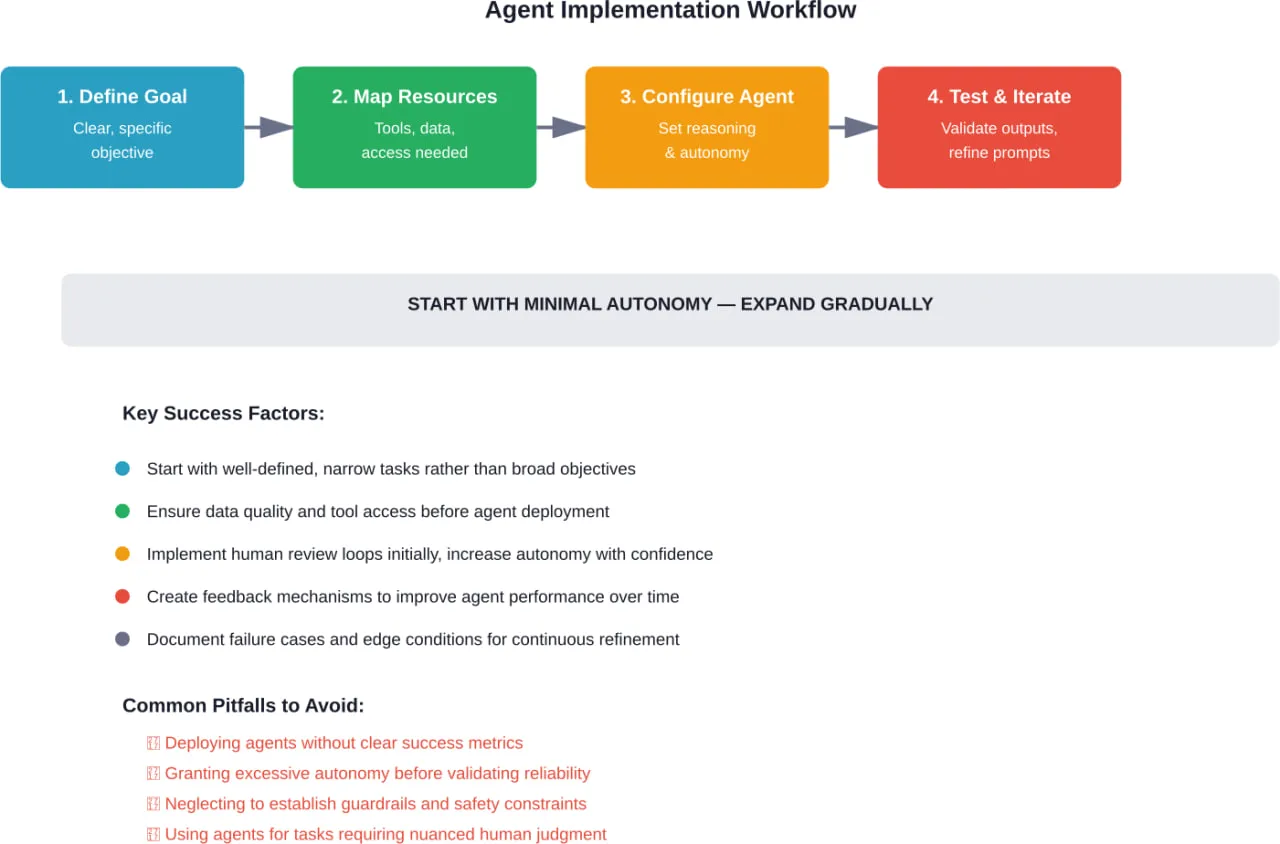
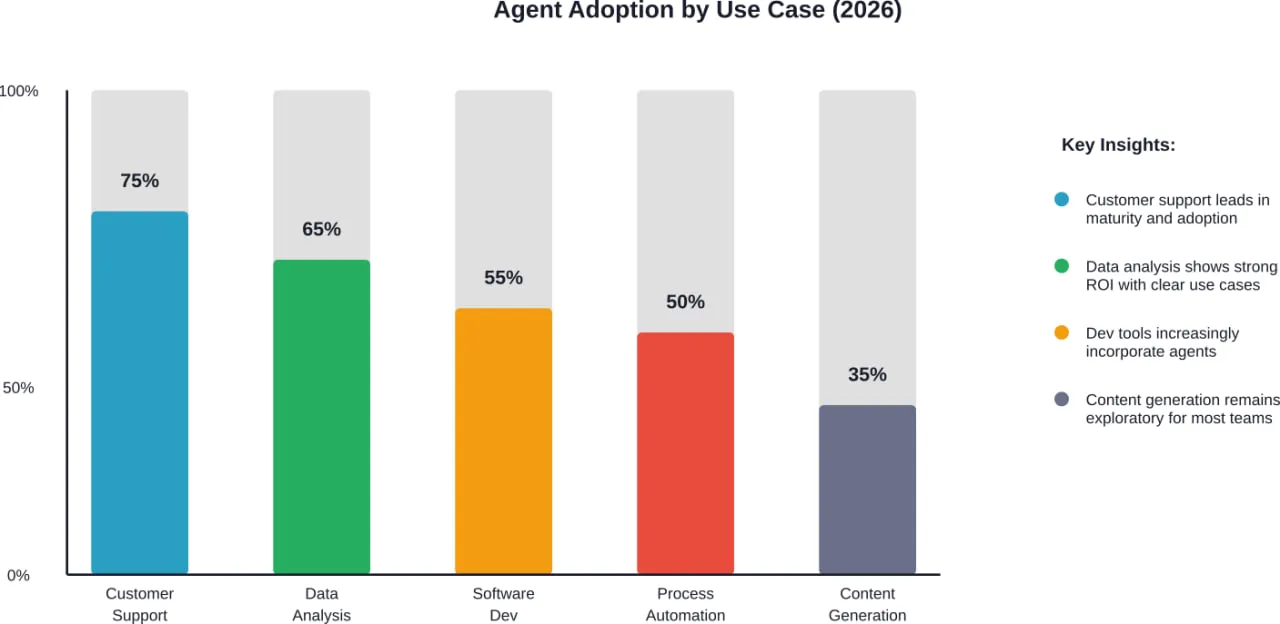
Organizations build human oversight into agent workflows through several mechanisms:

Confidence Thresholds

Agents assign confidence scores to their decisions. Actions above a threshold (say, 95% confidence) execute automatically. Decisions below the threshold route to humans for review.

For example, customer service agents might auto-process refunds under $50 with high confidence, but escalate larger amounts or uncertain cases to human agents.

Preview and Approve Workflows

Instead of taking action directly, agents draft proposed actions for human approval. A legal research agent generates a memo with case citations, but an attorney reviews and approves before sending to the client.

This gives teams a safety net while still saving time on preparation work.

Exception Escalation

Agents handle routine cases autonomously but escalate unusual situations. When an insurance claim falls outside standard parameters, the agent collects all relevant information and hands off to a human adjuster with context already prepared.

Audit and Monitoring

Organizations sample agent decisions regularly to verify quality. If accuracy drops below acceptable levels, systems trigger additional training or tighten confidence thresholds until performance recovers.

Override Capabilities

Humans must be able to override agent decisions and provide feedback. When an agent makes an error, the correction becomes training data to improve future performance.

The goal isn’t to remove humans from processes entirely. It’s to let humans focus on cases requiring empathy, creativity, strategic thinking, and complex judgment—while agents handle high-volume, pattern-based work at scale.

Government Standards and Safety Initiatives

As AI agents move from pilots to production at scale, government agencies and standards bodies are establishing frameworks to ensure safe, secure, and interoperable deployment.

In February 2026, NIST announced the AI Agent Standards Initiative, designed to ensure the next generation of AI can be widely adopted with confidence, function securely on behalf of users, and interoperate smoothly across the digital ecosystem.

This initiative addresses critical gaps in current agent deployments:

  • Security standards for agents accessing sensitive data and systems
  • Interoperability protocols allowing agents from different vendors to work together
  • Authentication mechanisms proving agent identity and authorization
  • Audit frameworks for tracking agent decisions and actions
  • Safety benchmarks assessing agent readiness for business deployment

An AI agent benchmark assessing safety and effectiveness was released in January 2026, focusing on readiness for business applications in real-world tasks rather than just capability demonstrations.

IEEE is developing multiple standards for autonomous and intelligent systems, including frameworks for proactive AI agents based on multi-modal human-computer interaction and standards for human intentions and AI alignment in autonomous systems.

These standards efforts reflect a maturing ecosystem. Early agent deployments often operated as isolated point solutions. Future enterprise adoption requires agents that can authenticate across systems, delegate to other agents, and operate under consistent security and governance frameworks.

Standards BodyІніціативаЗона фокусуStatus (2026) 
NISTAI Agent Standards InitiativeSecurity, interoperability, trustActive development
NISTSP 800-53 Control OverlaysAI system security controlsPublished
IEEEP3833Proactive AI agent frameworkDraft standard
IEEEP3474Human-AI alignmentDraft standard
Released January 2026AI Agent BenchmarkSafety and effectiveness testingPublished

The Productivity Reality Check

For all the use cases outlined above, one critical question remains: are organizations actually seeing the promised productivity gains?

The data shows a sharp divide.

Most enterprises deploying generative AI see minimal impact. McKinsey found that over 80% report no material contribution to earnings, despite 78% using GenAI in at least one function.

But organizations building true agent-centric operations—not just layering AI onto existing workflows—report productivity multipliers of 2-10x. The Harvard Data Science Review documented cases including a global industrial firm cutting audit reporting time by 92% and B2B sales operations achieving dramatic efficiency improvements through agent-centric redesign.

What separates these outcomes?

Successful implementations don’t ask “how can AI help our current process?” They ask “if we designed this process today with AI agents as first-class participants, what would it look like?”

That fundamental redesign—building agent-centric rather than human-centric workflows with AI assistance—drives the measurable productivity gains that justify investment.

Comparison of productivity outcomes between AI-assisted human workflows and agent-centric process redesign

Виклики та обмеження

Real talk: AI agents aren’t magic, and deployment isn’t without significant challenges.

Accuracy and Reliability

Agents make mistakes. Foundation models hallucinate facts, misinterpret context, and produce confident-sounding but incorrect outputs. In high-stakes domains like healthcare, finance, and legal, errors can have serious consequences.

This is why confidence thresholds and human oversight remain critical. Organizations must accept that 100% accuracy is unrealistic and design workflows accordingly.

Складність інтеграції

Agents derive value from accessing multiple systems. But integrating with legacy infrastructure, managing authentication across platforms, and maintaining data consistency is complex and expensive.

Many enterprises underestimate the integration work required to move from proof-of-concept to production.

Security and Privacy

Agents require access to sensitive data and systems. Ensuring they respect access controls, maintain data privacy, and operate securely against adversarial attacks requires careful architecture.

NIST’s security standards for AI systems address this gap, but implementation requires significant security engineering effort.

Explainability and Trust

When an agent makes a decision, can it explain why? For regulatory compliance and user trust, explainability matters. But many agent architectures operate as black boxes, making it difficult to audit decisions or build user confidence.

This epistemological challenge—trusting algorithmic processes despite opacity—remains an active research area.

Управління змінами

Deploying agents means changing how people work. Employees may resist automation that threatens job security, mistrust agent decisions, or struggle to adapt to new workflows.

Successful implementations invest heavily in change management, training, and communication about how agents augment rather than replace human capabilities.

Move From AI Examples to Real Implementation

Use cases show how AI agents can be applied across different industries, but turning those examples into something usable usually depends on the system around them – services, data handling, and how everything connects in practice.

A-listware helps at that stage by providing development teams that work on backend systems, integrations, and infrastructure. The focus is on supporting implementation and keeping systems stable as they move into real use, not on building the agents themselves. Contact Програмне забезпечення списку А to bring your AI use cases into production with the right engineering support.

Future Directions: What’s Next for AI Agents

Where is agent technology heading? Several clear trends are emerging as organizations move from pilots to production at scale.

Multi-Agent Collaboration

Future systems will involve multiple specialized agents collaborating on complex tasks. A sales process might involve separate agents for research, outreach, meeting scheduling, and proposal generation—each expert in their domain, coordinating to complete the end-to-end workflow.

This requires standards for inter-agent communication, task delegation, and conflict resolution when agents disagree.

Agentic Enterprises

Some organizations are moving toward what researchers call the “agent-centric enterprise”—where agents aren’t tools humans use, but autonomous participants in business processes with delegated authority to make decisions and take actions.

This represents a fundamental shift in organizational design, with implications for governance, risk management, and even legal liability.

Personal AI Agents

Consumer-facing agents that act on behalf of individuals—managing schedules, negotiating purchases, monitoring finances, and handling routine tasks—are emerging. These personal agents will need to authenticate their authority, protect user privacy, and operate across platforms.

Industry-Specific Agents

Generic agents are giving way to specialized systems trained on domain-specific data with industry workflows built in. Healthcare agents, legal agents, and manufacturing agents come pre-configured with relevant knowledge and processes.

Regulatory Frameworks

Government regulation of AI agents is accelerating. Expect requirements around transparency, accountability, safety testing, and human oversight—particularly for high-risk applications in healthcare, finance, and critical infrastructure.

Organizations deploying agents today should anticipate stricter compliance requirements and design systems with auditability and explainability from the start.

Поширені запитання

  1. У чому різниця між АІ-агентом і чат-ботом?

Chatbots respond to user queries within a single conversation, typically pulling answers from a knowledge base. AI agents autonomously execute multi-step tasks, access multiple systems, make decisions based on context, and take actions on behalf of users. An agent might use a chatbot interface for communication, but its capabilities extend far beyond answering questions—it completes entire workflows from planning through execution.

  1. How much do AI agents cost to implement?

Implementation costs vary widely based on complexity, integration requirements, and deployment scale. Simple agents using commercial platforms might cost $10,000-50,000 for initial setup. Enterprise-grade systems with extensive integrations, custom development, and compliance requirements can exceed $500,000. Ongoing costs include API usage, infrastructure, maintenance, and continuous training. Organizations should evaluate total cost of ownership over 3-5 years rather than just initial implementation.

  1. Can AI agents work with our existing systems?

Most modern agents can integrate with existing systems through APIs, database connections, or RPA-style interface automation. The challenge isn’t technical possibility but implementation complexity. Legacy systems without APIs require more work. Organizations with modern, API-first architectures find integration significantly easier. Evaluate your system landscape before committing to agent deployment—integration effort often exceeds the agent development itself.

  1. How do we ensure AI agents don’t make costly mistakes?

Implement confidence thresholds so agents only act automatically when highly certain. Route uncertain cases to human review. Start with preview-and-approve workflows where agents draft actions for human approval. Monitor agent decisions continuously and adjust thresholds if accuracy drops. Limit agent authority for high-risk actions—require human approval for refunds over certain amounts, contract changes, or sensitive data access. Build extensive testing and validation before production deployment.

  1. What roles are most at risk from AI agent automation?

Roles involving high-volume, repetitive tasks with clear rules face the greatest automation risk. This includes data entry, basic customer service, routine scheduling, simple document review, and first-level technical support. Research from Brookings suggests over 30% of workers could be significantly impacted, with the greatest effects on middle- to higher-paid occupations and clerical roles. However, most implementations augment rather than replace workers, elevating them to handle complex cases requiring judgment and empathy.

  1. How long does it take to deploy an AI agent in production?

Timelines vary dramatically by use case complexity. Simple customer service agents on commercial platforms can reach production in 4-8 weeks. Complex enterprise agents with extensive integrations, compliance requirements, and custom development typically take 4-6 months from kickoff to production. Add another 2-3 months for change management and user adoption. Organizations often underestimate integration work and testing requirements—plan conservatively and run extended pilots before full rollout.

  1. Do we need special technical skills to build and maintain AI agents?

Low-code agent platforms allow non-technical teams to build simple agents with minimal programming. But production-grade enterprise agents typically require software developers familiar with APIs, integration patterns, and the agent platform’s architecture. Ongoing maintenance requires similar technical skills plus domain expertise to train agents on business-specific processes. Many organizations partner with specialized consultancies for initial implementation, then build internal capabilities for ongoing management and expansion.

Moving from Pilot to Production

Reading about AI agent use cases is one thing. Actually deploying them successfully is another.

Organizations that achieve meaningful results follow a consistent pattern:

  • Start with high-volume, low-risk processes: Don’t begin with mission-critical workflows. Target repetitive tasks with clear success criteria where mistakes carry limited consequences. Customer FAQs, invoice processing, and meeting scheduling make better starting points than complex negotiations or medical diagnoses.
  • Define success metrics upfront: What does success look like? Reduced handling time? Lower costs? Improved customer satisfaction? Higher accuracy? Establish baselines before deployment and track metrics continuously. Many pilots fail because organizations can’t demonstrate clear ROI.
  • Plan for integration work: Agent value comes from accessing existing systems. Budget 50-70% of project effort for integration, authentication, data mapping, and testing. This work consistently exceeds initial estimates.
  • Invest in change management: People need to trust agents and understand how to work with them. Train users on when to rely on agents versus escalate to humans. Communicate transparently about automation’s impact on roles. Organizations that skip this step face adoption resistance regardless of technical success.
  • Iterate based on real usage: Agents improve through exposure to real-world cases. Plan for continuous refinement based on error analysis, user feedback, and changing requirements. The initial deployment is just the starting point.
  • Build governance frameworks early: Establish clear policies for agent authority, data access, escalation procedures, and human oversight before scaling. These frameworks become harder to implement retroactively once agents are embedded in operations.

Conclusion: The Agent-Powered Future of Work

AI agents represent more than incremental automation. They’re reshaping how work gets done across industries.

The use cases outlined here—from customer support and sales to finance, healthcare, and supply chain operations—demonstrate agents already operating in production, delivering measurable results for organizations willing to redesign processes rather than just layer AI onto existing workflows.

But we’re still in the early innings. Most enterprises have barely scratched the surface of what’s possible. The gap between pilot projects and transformational deployment remains wide, with over 80% of organizations seeing minimal business impact despite AI investments.

What separates the leaders? They’re building agent-centric operations from the ground up, establishing proper governance frameworks, investing in integration and change management, and maintaining appropriate human oversight.

As standards mature, platforms improve, and best practices emerge, agent adoption will accelerate. Organizations that develop agent capabilities now will have significant advantages over those waiting for the technology to “mature.”

The question isn’t whether AI agents will transform your industry. They already are. The question is whether you’ll be driving that transformation or reacting to it.

Ready to explore AI agents for your organization? Start by identifying high-volume, repetitive processes where automation could deliver immediate value. Map your system integration requirements. Define clear success metrics. And begin building the capabilities that will define competitive advantage in the agent-powered future of work.

Контакти Нас
Британський офіс:
Телефон:
Ідіть за нами:
A-listware готова стати вашим стратегічним рішенням для ІТ-аутсорсингу

    Згода на обробку персональних даних
    Завантажити файл